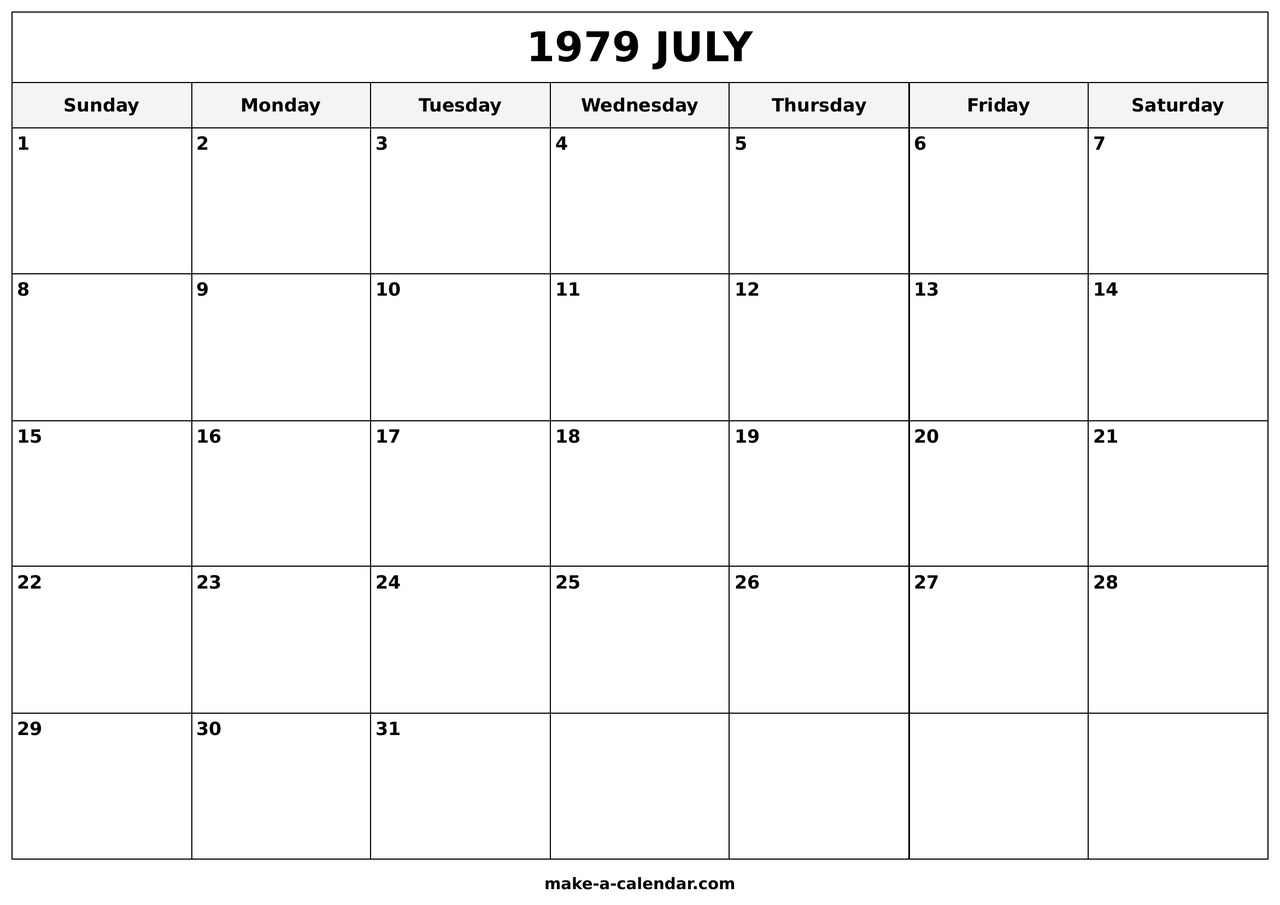
On 22 July 1979, Saddam Hussein organized a televised purge of the Iraqi Ba'ath Party at the al-Khuld Conference Hall in Baghdad. This event, often cited as one of the most chilling displays of political consolidation in modern history, resulted in the arrest and subsequent execution of dozens of high-ranking officials, effectively securing Saddam's absolute dictatorship over Iraq.
The Historical Context of July 1979
To understand the weight of 22 July 1979, one must look at the days immediately preceding it. For over a decade, Saddam Hussein had been the "strongman" behind President Ahmed Hassan al-Bakr. While al-Bakr held the official title, Saddam controlled the internal security apparatus and the Ba'ath Party's organizational infrastructure. By mid-1979, the relationship between the two had reached a breaking point, primarily due to proposed treaties between Iraq and Syria that would have merged the two nations and potentially sidelined Saddam.
On 16 July 1979, Ahmed Hassan al-Bakr officially resigned, citing health reasons, although it was widely understood that Saddam had forced his hand. Saddam immediately assumed the titles of President of the Republic, Chairman of the Revolutionary Command Council (RCC), and Prime Minister. However, assuming the title was only the first step. Saddam sought to eliminate any lingering loyalty to al-Bakr and any potential opposition within the party leadership that might favor the Syrian-Iraqi union.
The atmosphere in Baghdad during this week was one of extreme tension. The Ba'ath Party had governed Iraq since 1968, but it was a collective leadership model, at least on paper. Saddam’s goal was to transform this model into a cult of personality where the party and the state were extensions of his own will.
The Assembly at al-Khuld Conference Hall
On the afternoon of 22 July 1979, Saddam Hussein summoned hundreds of high-ranking Ba'ath Party members to the al-Khuld Conference Hall. The meeting was framed as a routine leadership gathering, but the presence of television cameras and a heavy security detail suggested something more ominous.
Saddam took the podium, visibly emotional, appearing to wipe away tears as he spoke of a "Syrian-backed conspiracy" against the revolution. He claimed that a Fifth Column existed within the party’s own ranks. This was a calculated psychological tactic designed to instill immediate fear and confusion. By framing the purge as a response to foreign interference and internal betrayal, he justified the extreme measures that were about to follow.
The "evidence" for this conspiracy was provided by Muhyi Abdel-Hussein Mashhadi, the Secretary-General of the RCC, who had been arrested days earlier and likely tortured. Mashhadi was led onto the stage to "confess" to his involvement in the plot. He began naming his alleged co-conspirators, many of whom were sitting in the audience at that very moment.
The Execution of the Purge
As Mashhadi called out names, Saddam sat calmly on the stage, lighting a cigar. This image has since become an iconic symbol of his reign. Security guards moved through the aisles, grabbing the named individuals and escorting them out of the hall. The remaining audience members, realizing that their own lives depended on their display of loyalty, began shouting slogans of support for Saddam and calling for the "traitors" to be executed.
The psychological impact of this event cannot be overstated. By forcing the survivors to denounce their colleagues, Saddam made them complicit in the purge. Those who were led out included:
- Adnan Hamdani: A close associate of Saddam and head of the President’s Office.
- Ghanim Abdel-Jalil: The Minister of Education.
- Muhammad Mahjoub: The Minister of Higher Education.
- Muhammad Ayesh: A prominent trade unionist and former minister.
The list included five members of the Revolutionary Command Council, the highest governing body in Iraq. By the end of the session, approximately 68 people had been arrested from the hall.
The Trial and Public Execution
The purge did not end with the arrests. A special court was convened, and by 1 August 1979, 22 of those arrested were sentenced to death. In a final, gruesome display of enforced loyalty, Saddam did not use a professional firing squad. Instead, he distributed weapons to the surviving members of the Ba'ath Party leadership and ordered them to execute their former colleagues personally.
This act served two purposes: it eliminated the "conspirators" and it "bloodied the hands" of the remaining leadership. If Saddam’s regime were ever to fall, these men would be held accountable for these murders, effectively tying their fate to his own. It was a masterclass in totalitarian control that ensured no one within the party could ever claim innocence or mount a moral challenge to his leadership.
Impact on Iraqi Governance and Policy
The events of 22 July 1979 marked the end of collective leadership in Iraq. From this point forward, the Revolutionary Command Council became a rubber-stamp organization. Decision-making was centralized entirely within Saddam’s inner circle, often dominated by members of his own family and his clan from Tikrit.
This shift had profound implications for Iraq’s domestic and foreign policy:
- Elimination of Dissent: The purge sent a clear message that even long-term loyalty was no protection against the suspicion of the President. This led to a culture of sycophancy and fear within the Iraqi civil service and military.
- Militarization of Society: With his internal rivals removed, Saddam accelerated the buildup of the Iraqi military. This aggressive posture was a contributing factor to the invasion of Iran in September 1980.
- Breakdown of Regional Relations: The accusation that Syria was behind the "conspiracy" permanently damaged relations between the two rival Ba'athist regimes in Baghdad and Damascus, splitting the Arab world's "rejectionist front."
- Economic Shift: State resources were increasingly diverted from development projects to the security apparatus and the Republican Guard, which served as Saddam’s private army.
| Feature | Pre-July 1979 Governance | Post-July 1979 Governance |
|---|---|---|
| Leadership Style | Bureaucratic/Collective Ba'athism | Absolute Dictatorship/Cult of Personality |
| Key Decision Body | Revolutionary Command Council (RCC) | Saddam Hussein & Tikriti Inner Circle |
| Internal Security | Fragmented between various agencies | Centralized under Saddam’s direct control |
| Party Membership | Ideological commitment | Requirement for survival and employment |
| Foreign Policy | Pragmatic pan-Arabism (with caveats) | Aggressive, expansionist, and isolationist |
Historical Significance and Comparisons
Historians often compare the 22 July 1979 purge to Hitler’s "Night of the Long Knives" or Stalin’s "Great Purge." The common thread is the use of state-sanctioned violence to eliminate "old guard" revolutionaries who might harbor alternative visions for the state.
However, the Iraqi purge was unique in its use of mass media. By filming the event and later distributing the tapes throughout the country and the Middle East, Saddam ensured the terror was not just felt by those in the room, but by the entire population. It was a public performance of power intended to demonstrate that the old rules of political engagement—even within the party—no longer applied.
In the decades that followed, the 1979 purge was recognized as the foundational moment of Saddam’s era. It defined the parameters of Iraqi politics until the 2003 invasion: absolute loyalty, the ever-present threat of violence, and the total identification of the state with its leader.
The Long-Term Consequences for Iraq
The legacy of July 1979 can be traced through the subsequent decades of Iraqi history. The Iran-Iraq War (1980–1988), the invasion of Kuwait (1990), and the subsequent decades of sanctions and internal repression all stemmed from a governance model that lacked checks and balances. Because Saddam had successfully purged the "best and brightest" or the most independent-minded members of his party, there was no one left to tell him "no."
For the families of those executed on 22 July, the date remains a somber anniversary of a judicial farce. Many of the bodies were never returned to their families, and for years, mentioning the names of the "traitors" was a crime in Iraq. In the post-2003 era, historical research and testimonies from survivors have provided a clearer picture of the sheer scale of the brutality, confirming that many of those executed were entirely innocent of the "conspiracy" they were accused of.
Frequently Asked Questions
What exactly happened on 22 July 1979?
Saddam Hussein convened a special meeting of the Ba'ath Party at the al-Khuld Conference Hall in Baghdad. During this meeting, he accused several high-ranking party members of being part of a Syrian-backed conspiracy. Sixty-eight people were arrested from the hall, and 22 were executed by their own colleagues on 1 August 1979.
Why did Saddam Hussein choose this specific date for the purge?
The purge occurred just six days after Saddam officially took over the presidency from Ahmed Hassan al-Bakr. It was timed to immediately crush any potential dissent or loyalty to the former president and to consolidate power before any opposition could organize.
Who was Muhyi Abdel-Hussein Mashhadi?
Mashhadi was the Secretary-General of the Revolutionary Command Council. He was the "star witness" during the 22 July meeting. After being arrested and allegedly tortured, he delivered a televised confession naming his colleagues as traitors. Despite his cooperation in the purge, he was also executed shortly thereafter.
Was there actually a Syrian conspiracy?
Most independent historians and former Iraqi officials agree that the "Syrian conspiracy" was largely fabricated or wildly exaggerated by Saddam Hussein. While there were tensions regarding the proposed union between Iraq and Syria, the purge was primarily a domestic tool used by Saddam to eliminate internal rivals and establish absolute control.
How did the international community react at the time?
In 1979, the international community was largely focused on the Iranian Revolution and the Cold War. While the purge was noted by intelligence agencies, there was little formal diplomatic protest, as many Western and regional powers initially viewed Saddam as a potential secular bulwark against the new Islamic Republic in Iran.
What is the significance of the cigar Saddam smoked during the meeting?
Saddam Hussein's act of calmly smoking a cigar while his colleagues were being led to their deaths became a symbol of his cold, calculated approach to power. It demonstrated his complete lack of remorse and his absolute confidence in his control over the situation.
Practical Guidance for Researchers
If you are researching the events of 22 July 1979 for academic or historical purposes, it is essential to consult both primary and secondary sources to understand the full scope of the event.
- Archival Footage: The televised recording of the al-Khuld Conference Hall meeting is widely available in historical archives and provides a firsthand look at the psychological tactics used.
- Memoirs: Look for memoirs from former Ba'ath Party members who survived the era. These accounts often provide context on the internal party dynamics that led up to the purge.
- Human Rights Reports: Organizations like Amnesty International and Human Rights Watch have documented the legal irregularities and the fate of those arrested during this period.
- Verification: When researching specific names of those executed, cross-reference multiple historical lists, as some accounts vary slightly regarding the total number of detainees versus those specifically sentenced to death.
The events of 22 July 1979 remain a vital study in the mechanics of totalitarianism. Understanding this date is crucial for anyone seeking to comprehend the modern history of Iraq and the broader political landscape of the Middle East.