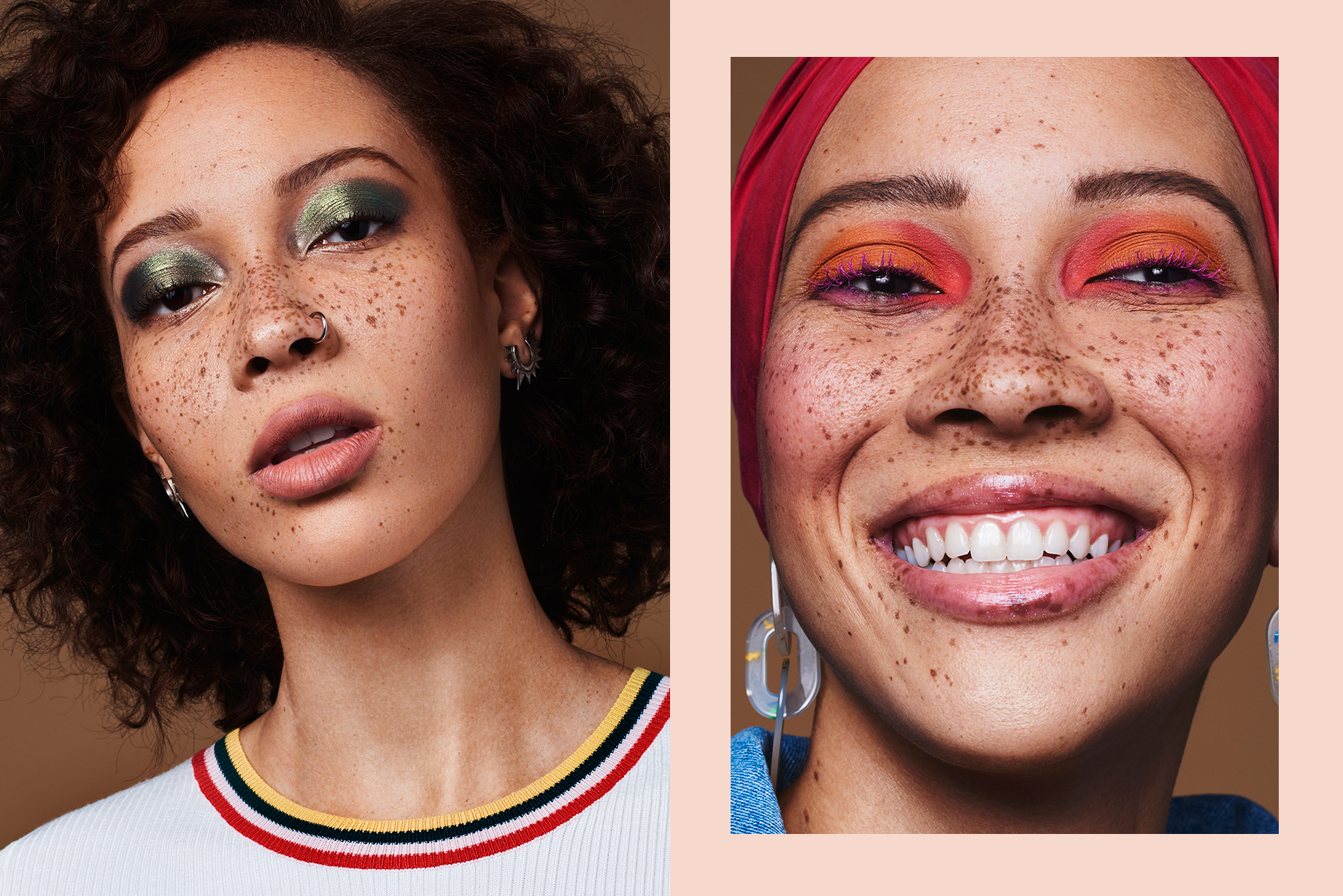
The beauty trends of 2019 transitioned the industry from heavy, transformative "Instaglam" aesthetics toward skin health, ingredient transparency, and inclusivity. Key developments like the "Euphoria" effect, CBD integration, and the prioritization of the skin barrier established the foundation for the minimalist, science-backed routines that dominate the global beauty landscape in 2026.
The Paradigm Shift: From Camouflage to Skin Health
In 2019, the beauty industry reached a critical tipping point. For nearly a decade, the "Instagram Face"—characterized by heavy contouring, matte liquid lipsticks, and thick foundation—had reigned supreme. However, 2019 saw a decisive pivot toward "Skinimalism" and the "Glass Skin" phenomenon. This shift was not merely aesthetic; it represented a fundamental change in how consumers viewed the relationship between topical products and biological health.
The concept of the skin barrier (the stratum corneum) moved from the realm of clinical dermatology into the mainstream lexicon. Consumers began to understand that over-exfoliating with harsh acids—a common mistake in 2017 and 2018—was detrimental. By 2019, brands began emphasizing ceramides, fatty acids, and cholesterol to repair and maintain this barrier. Looking back from 2026, this was the moment the industry moved away from "stripping" the skin and toward "supporting" its natural functions.
Furthermore, the "Glass Skin" trend, popularized by Korean beauty (K-Beauty) influencers, emphasized a hydrated, translucent complexion. This required a commitment to layered hydration rather than high-coverage makeup. This trend’s long-term influence is evident in 2026’s "Glazed" and "Cloud" skin variations, which continue to prioritize moisture-rich finishes over the heavy powders of the mid-2010s.
The Rise of Ingredient Transparency and "Clean" Beauty
2019 served as the launchpad for the massive "Clean Beauty" movement, though its definition remained—and largely remains in 2026—contentious. Retailers like Sephora and Ulta expanded their "Clean" labeling programs in 2019, responding to a consumer base that was increasingly skeptical of synthetic ingredients. This year marked the rise of the "Skintellectual"—a consumer who reads ingredient labels with the scrutiny of a chemist.
The focus on specific active ingredients like Niacinamide, Hyaluronic Acid, and Bakuchiol (a plant-based retinol alternative) peaked in 2019. Brands like The Ordinary and The Inkey List popularized the "single-ingredient" approach, allowing users to customize their routines. This democratization of skincare science fundamentally changed the market. In 2026, we see the evolution of this trend in the form of "Biotech Beauty," where lab-grown, sustainable versions of natural ingredients have replaced the less stable botanical extracts of the past.
However, the 2019 clean beauty movement also birthed a wave of "chemophobia." The demonization of parabens and sulfates, often without sufficient scientific backing, led to a period of preservative-free products that lacked shelf stability. By 2026, the industry has largely corrected this, moving toward "Safe Science" rather than "Clean Beauty," but the demand for transparency established in 2019 remains the standard.
The CBD Beauty Explosion and Regulatory Verification
If one ingredient defined the "hype" of 2019, it was Cannabidiol (CBD). Following the passage of the 2018 Farm Bill in the United States, 2019 saw a flood of CBD-infused serums, lotions, and even mascaras hitting the market. Claims ranged from anti-inflammatory benefits to acne-fighting properties.
During this period, the industry struggled with verification and standardization. Many "CBD" products contained little to no active cannabinoids, or were merely hemp seed oil marketed as CBD. This led to a tightening of regulations by the FDA and international bodies over the subsequent years. In 2026, CBD has matured; it is no longer a gimmick but a verified therapeutic ingredient used in targeted treatments for inflammatory conditions like eczema and psoriasis. The 2019 craze forced the industry to develop rigorous COAs (Certificates of Analysis) and third-party testing protocols that are now mandatory for specialized bioactive ingredients.
Aesthetics: The "Euphoria" Effect and Creative Expression
While skincare became more clinical, makeup became more theatrical. The June 2019 premiere of the HBO series Euphoria triggered a global shift in cosmetic artistry. Designed by makeup artist Doniella Davy, the "Euphoria" look rejected traditional "pretty" makeup in favor of:
- Graphic Liners: Neon colors and architectural shapes.
- Glitter and Rhinestones: Applied to the eyelids, temples, and under-eyes.
- Watercolor Wash: Soft, unblended patches of bright pigment.
This trend signaled the end of the "perfectly blended" era. It gave Gen Z a distinct visual identity centered on self-expression and emotional vulnerability. Long-term, the Euphoria influence broke the barrier between "editorial" and "everyday" makeup. In 2026, it is common to see metallic accents and bold liners in professional and casual settings—a level of creative freedom that was rarely seen before 2019.
Sustainability: The End of Single-Use Dominance
In 2019, the beauty industry began to confront its massive plastic waste problem. While "recyclable" packaging was already present, 2019 saw the emergence of refillable systems and waterless beauty. Waterless products—concentrated powders or solids—were marketed as a way to reduce both plastic packaging and the carbon footprint associated with shipping heavy, water-based formulas.
Verified data from 2019 trade reports indicated that nearly 70% of beauty consumers were willing to pay more for sustainable packaging. This sentiment fueled the growth of brands that offered refillable lipsticks and compacts. From the perspective of 2026, we can see that 2019 was the "proof of concept" year for circular beauty. What were then experimental "refill stations" in boutique stores have now become standard in major global pharmacies and department stores.
Inclusivity: The Fenty Effect Becomes an Industry Standard
While Rihanna’s Fenty Beauty launched in late 2017, 2019 was the year the "Fenty Effect" became a non-negotiable requirement for the entire industry. Brands that did not offer at least 40 shades of foundation faced immediate public backlash and "cancel culture" on platforms like TikTok and Instagram.
In 2019, inclusivity expanded beyond shade ranges into adaptive beauty—products designed for people with disabilities—and gender-neutral marketing. The distinction between "men’s" and "women’s" skincare began to blur significantly. This transition was vital for the 2026 market, where gender-neutral branding is the default for most new prestige and indie labels.
Comparing 2019 Trends to 2026 Market Reality
The following table outlines how the core trends of 2019 have evolved and integrated into the current 2026 beauty landscape.
| 2019 Trend | Primary Focus | 2026 Status & Influence | Long-Term Impact |
|---|---|---|---|
| Glass Skin | Extreme hydration & translucency | "Skin-Streaming" (Optimized routines) | Shifted focus from coverage to biological glow. |
| CBD Infusion | Anti-inflammatory "hype" ingredient | Pharmaceutical-grade bioactive | Standardized testing and dosage for topicals. |
| Clean Beauty | Elimination of "toxic" chemicals | "Safe Science" & Biotech | High transparency in sourcing and lab-grown actives. |
| Euphoria Makeup | Glitter, neon, and graphic shapes | "Mainstream Artistry" | Normalized creative self-expression in daily life. |
| Waterless Beauty | Reducing plastic and shipping weight | "Solid-State" Standard | Primary format for travel and sustainable basics. |
| Microbiome Care | Probiotics/Prebiotics in skincare | "Postbiotic" Precision | Focus on the skin's living ecosystem as a health pillar. |
Technological Integration: The 2019 Digital Foundation
2019 was a pivotal year for Beauty Tech. Augmented Reality (AR) "try-on" tools moved from being laggy novelties to essential retail features. L’Oréal’s acquisition of ModiFace in 2018 led to a massive rollout of virtual testers in 2019, which proved prophetic when the global pandemic hit in 2020.
Furthermore, at-home beauty devices (LED masks, microcurrent tools) saw a 20% increase in sales in 2019. These devices promised "spa-grade" results at home. In 2026, these technologies have matured into AI-driven skin diagnostic tools that analyze a user’s complexion via smartphone camera and dispense custom-blended serums. The 2019 investment in digital infrastructure allowed the beauty industry to survive and eventually thrive in an increasingly virtual world.
FAQs
What was the most significant makeup trend of 2019?
The most significant trend was the move away from heavy, matte finishes toward the "Euphoria" look and graphic eyeliner. This involved using bright colors, glitter, and unconventional shapes to express personality rather than just hiding "flaws." It broke the dominance of the "Instagram-style" heavy contouring.
Did CBD beauty products actually work as claimed in 2019?
While many 2019 claims were exaggerated for marketing purposes, the core benefit of CBD—its anti-inflammatory property—is scientifically verified. However, many products in 2019 lacked sufficient concentration to be effective. In 2026, we have better delivery systems and dosage standards that were not present during the initial craze.
Why is 2019 considered the "Year of the Skin Barrier"?
2019 was when the term "moisture barrier" or "skin barrier" became a household phrase. After years of using high-percentage acids and harsh scrubs, consumers noticed their skin becoming sensitive and reactive. This led to a massive demand for barrier-repair ingredients like ceramides and centella asiatica (Cica).
How did the 2019 inclusivity movement change the industry?
It moved the goalpost from "diversity as a campaign" to "diversity as a product requirement." 2019 was the year foundation ranges under 40 shades became commercially unviable. It also expanded inclusivity to include age-positivity (moving away from "anti-aging" labels) and disability-friendly packaging.
Is "Clean Beauty" still a relevant term in 2026?
The term has largely been replaced by "Safe Science" or "Biotech Beauty." While the 2019 desire for non-irritating, transparently sourced ingredients remains, the industry has moved away from the unscientific "chemical-free" marketing of 2019 toward lab-verified, sustainable alternatives.
Practical Recommendation for 2026 Consumers
To leverage the long-term lessons of 2019 in your 2026 routine, prioritize barrier health over aggressive exfoliation. When selecting products, look for "Biotech" or "Lab-Grown" ingredients, which are the more sustainable, high-purity descendants of the 2019 clean beauty movement. If you are exploring makeup, embrace the creative freedom established by the 2019 aesthetic shift; focus on one "statement" feature—like a graphic liner or a high-shine finish—while keeping the rest of your skin hydrated and natural. For sustainable choices, seek out high-concentration "solid-state" or waterless products, which have now been refined for maximum efficacy and minimal waste.