The 2016 MTV Video Music Awards (VMAs), held on August 28, 2016, at Madison Square Garden in New York City, stands as a pivotal moment in music history. It was defined by Beyoncé’s record-breaking "Lemonade" medley and Rihanna’s four-stage Vanguard residency, solidifying the transition of the awards show into a high-concept performance showcase.
The 2016 VMAs marked the first time the ceremony was hosted at the legendary Madison Square Garden, shifting the energy of the event from the previous year’s Los Angeles-based production. In the decade since, looking back from 2026, music historians frequently cite this specific year as the "last great peak" of the traditional awards show format before the industry shifted toward more fragmented, digital-first celebrations. The evening was less about the moon-person trophies and more about the cultural statements made by the world’s biggest icons.
The Cultural Significance of the Madison Square Garden Debut
For decades, the VMAs had rotated between Radio City Music Hall, the Barclays Center, and various venues in Los Angeles and Miami. Moving to Madison Square Garden (MSG) in 2016 provided a grander, more cinematic canvas for the performers. The venue's verticality and acoustic depth allowed for the massive, multi-level stage designs that dominated the night.
The decision to host at MSG was a strategic move by MTV to recapture the "New York City grit" that defined the early years of the network. This choice influenced everything from the red carpet arrivals to the technical rigging required for the elaborate aerial shots used during the broadcast. In 2026, the 2016 broadcast remains a case study for production students learning how to manage live-television logistics in a circular arena.
Beyoncé’s Lemonade Masterclass: A Performance for the Ages
If 2016 belonged to any single artist, it was Beyoncé. Coming off the surprise release of her visual album Lemonade, she arrived at the VMAs not just as a nominee, but as the night’s focal point. Her 16-minute medley is widely considered one of the greatest live television performances in history.
Breaking Down the Medley
Beyoncé’s set was a condensed version of the Lemonade film, featuring "Pray You Catch Me," "Hold Up," "Sorry," "Don't Hurt Yourself," and "Formation." The performance utilized innovative camera techniques, including a "shattered screen" effect during "Hold Up" where she smashed a camera with a baseball bat, mirroring the music video’s iconic imagery.
Technically, the performance was a marvel of timing and choreography. It required a separate stage construction and a massive crew of dancers moving in perfect synchronization with a pre-recorded visual overlay. This performance helped Beyoncé surpass Madonna as the most-awarded artist in VMA history, a record she continues to hold into the 2020s.
The Red Carpet Statement
Before the show even began, Beyoncé made headlines by walking the red carpet with the "Mothers of the Movement"—the mothers of Mike Brown, Trayvon Martin, Eric Garner, and Oscar Grant. This merged pop culture with the burgeoning social justice movements of the time, setting a precedent for how artists would use the VMA platform for political and social advocacy throughout the following decade.
Rihanna’s Vanguard Residency: Four Acts of a Career
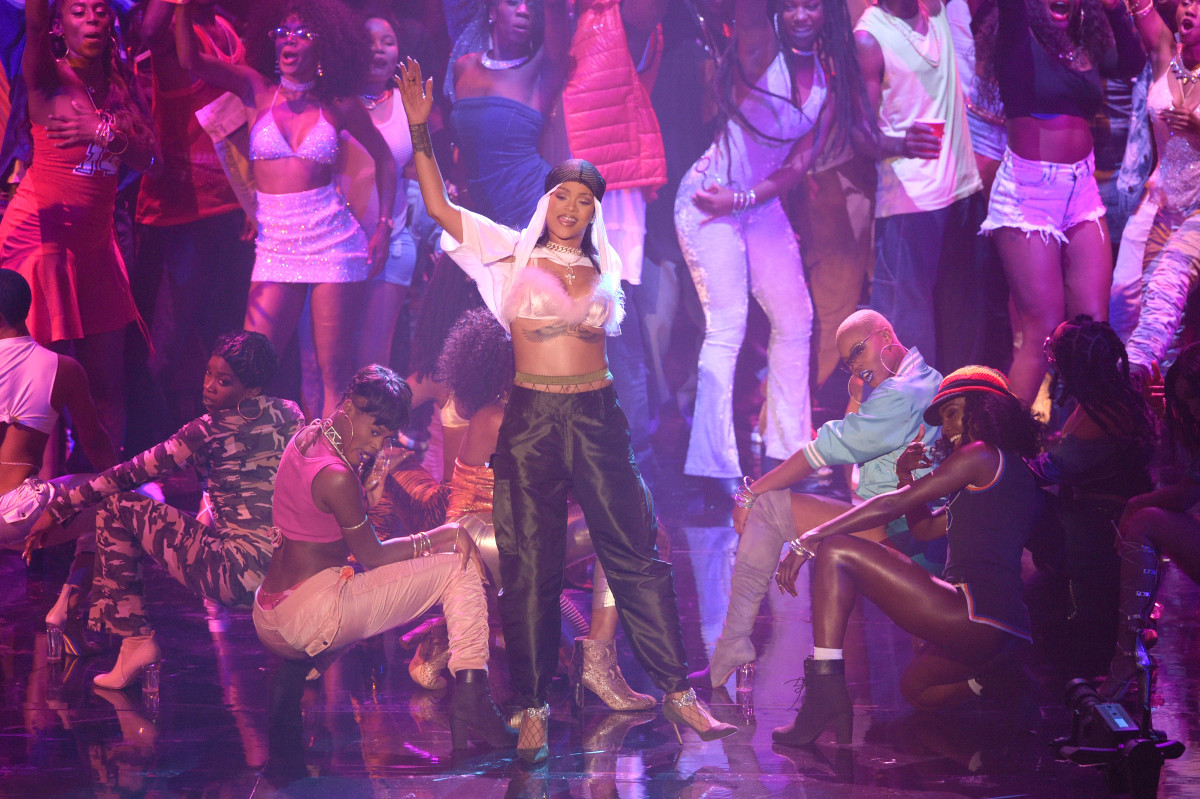
The Michael Jackson Video Vanguard Award is the highest honor at the VMAs, and in 2016, it was awarded to Rihanna. Rather than performing a single career-spanning medley, Rihanna opted for four separate performances interspersed throughout the night, each highlighting a different facet of her musical identity.
- The Pop/Dance Set: Opening the show with "Don’t Stop the Music," "Only Girl (In the World)," and "We Found Love," Rihanna focused on her high-energy club hits.
- The Dancehall Set: This segment celebrated her Caribbean roots, featuring "Rude Boy," "What’s My Name?," and "Work," supported by a massive troupe of dancers in a choreographed basement-party atmosphere.
- The Trap/Hip-Hop Set: Highlighting her "bad gal" persona, this set included "Needed Me," "Pour It Up," and "Bitch Better Have My Money."
- The Ballad Set: The finale featured her vocal powerhouses, "Stay," "Diamonds," and "Love on the Brain."
This "residency" format was experimental for MTV. It forced viewers to stay tuned throughout the entire broadcast to see the full arc of the tribute. The final presentation of the award by Drake—and his subsequent public declaration of love—remains one of the most talked-about "unscripted" moments in the show's history.
Kanye West and the "Four Minutes of Freedom"
MTV gave Kanye West four minutes of "uninterrupted time" to do whatever he pleased. In typical West fashion, he used this time to deliver a sprawling, stream-of-consciousness monologue that touched on fame, his public feuds (specifically with Taylor Swift), and the importance of creative vision.
Following his speech, he premiered the music video for "Fade," featuring Teyana Taylor. The video, inspired by 1980s workout aesthetics and the film Flashdance, became an instant viral sensation. From a 2026 perspective, this moment is often analyzed as the peak of the "auteur" era of music videos, where the visual component was as vital as the audio track for a song’s commercial success.
The Return of Britney Spears
One of the most anticipated moments of the 2016 VMAs was the return of Britney Spears to the VMA stage for the first time since her polarizing 2007 performance. Performing "Make Me..." with G-Eazy, Spears aimed to reclaim her status as a premiere pop performer.
While the performance was generally well-received for its choreography and Spears' improved stage presence, it suffered from the unfortunate scheduling of following Beyoncé’s historic set. This "death slot" became a topic of intense discussion among fans and critics, highlighting the difficulty of maintaining momentum in a three-hour broadcast dominated by a single powerhouse performance.
2016 VMA Winners and Nominees: A Summary Table
The following table highlights the major winners of the night, illustrating the dominance of certain artists during this era of music.
| Category | Winner | Nominees (Notable) |
|---|---|---|
| Video of the Year | Beyoncé – "Formation" | Adele, Justin Bieber, Kanye West, Drake |
| Best Female Video | Beyoncé – "Hold Up" | Adele, Sia, Ariana Grande, Rihanna |
| Best Male Video | Calvin Harris ft. Rihanna – "This Is What You Came For" | Drake, Bryson Tiller, Kanye West, The Weeknd |
| Best Collaboration | Fifth Harmony ft. Ty Dolla $ign – "Work from Home" | Beyoncé ft. Kendrick Lamar, Ariana Grande ft. Nicki Minaj |
| Best Hip-Hop Video | Drake – "Hotline Bling" | Desiigner, Bryson Tiller, Chance the Rapper, 2 Chainz |
| Best Pop Video | Beyoncé – "Formation" | Adele, Justin Bieber, Alessia Cara, Ariana Grande |
| Best New Artist | DNCE | Desiigner, Zara Larsson, Lukas Graham, Bryson Tiller |
| Video Vanguard | Rihanna | N/A (Honorary Award) |
Technical and Production Innovations at MSG
The 2016 VMAs were a massive undertaking for the MTV production team. Utilizing the world’s most famous arena required a specialized camera plot.
- Spidercam Technology: To capture the scale of Beyoncé’s performance, producers used an advanced Spidercam system that could zip across the arena floor and up into the rafters, providing the sweeping overhead shots that defined the visual style of the night.
- Audio Engineering Challenges: MSG is notorious for its acoustic "bounce." Engineers had to deploy a sophisticated localized sound system to ensure that the live audience heard the music clearly while simultaneously maintaining a clean feed for the millions of viewers at home.
- Stage Design: The main stage featured a "pit" area where fans were integrated into the set, making the audience feel like part of the performance. This immersive design has since become a standard in modern award show production.
The Fashion of the 2016 VMAs
The red carpet in 2016 was a transition point between the "shock value" fashion of the early 2010s (like Lady Gaga’s meat dress) and the more curated, high-fashion aesthetic of the 2020s.
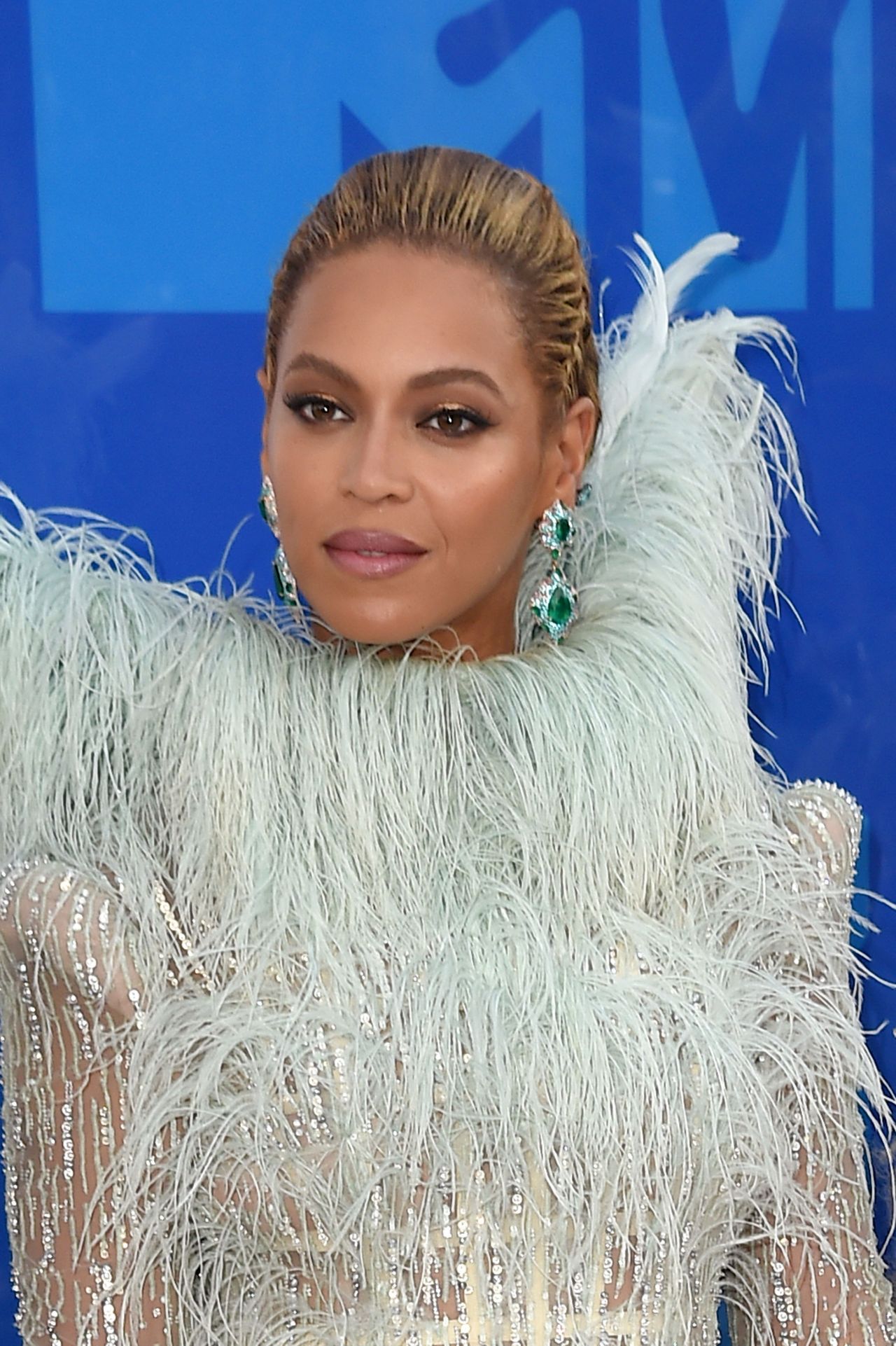
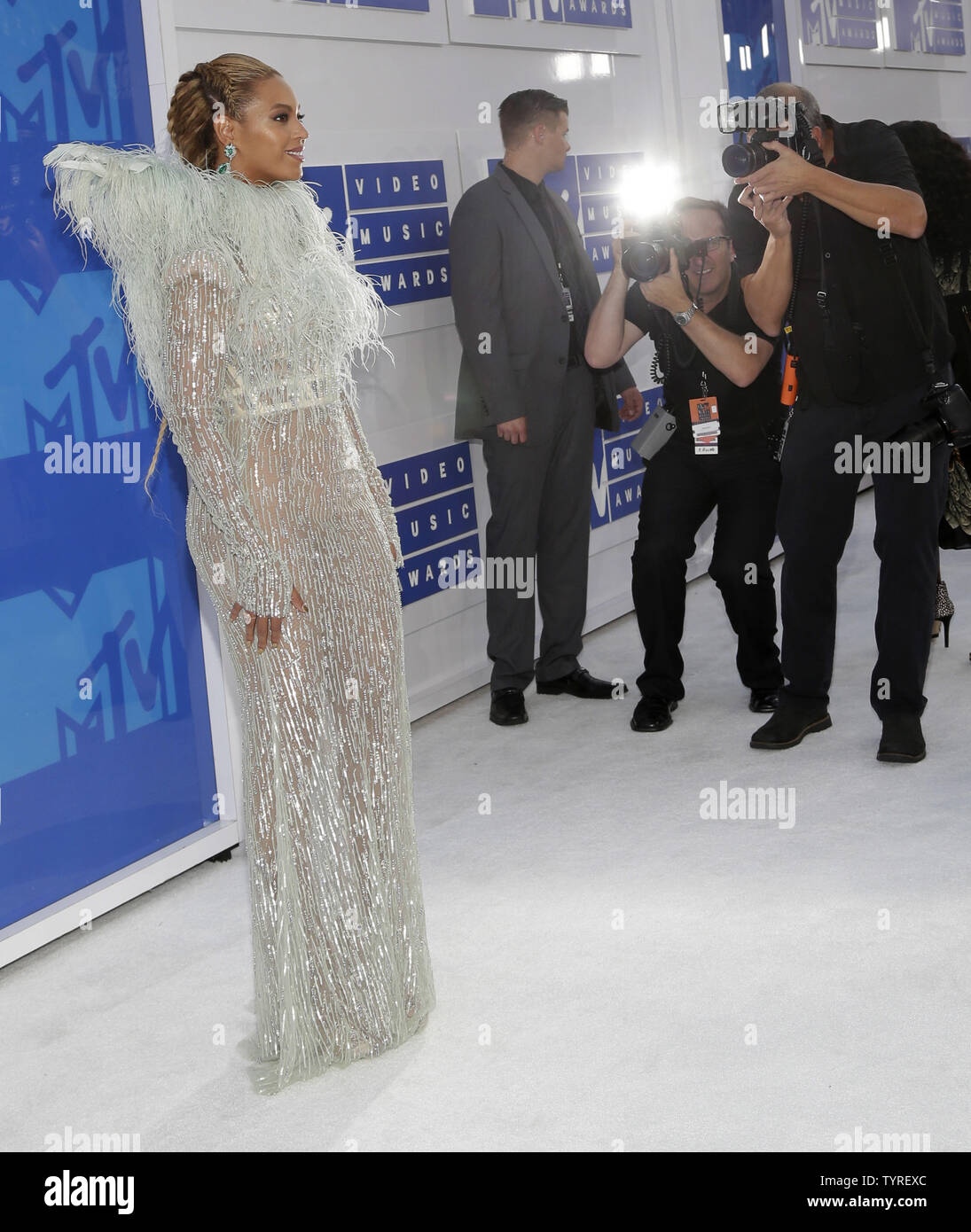
- Beyoncé in Francesco Scognamiglio: Her feathered, ethereal gown was a standout, further emphasized by Blue Ivy’s matching luxury ensemble.
- Rihanna’s Ensembles: Because she performed four times, Rihanna had multiple wardrobe changes, including a custom hooded bodysuit for her opening set and a regal silk gown for her award acceptance.
- Kim Kardashian and Kanye West: The couple opted for a more understated, "wet look" and casual streetwear aesthetic, reflecting the Yeezy-influenced fashion trends that were pervasive at the time.
Long-term Impact and Legacy
When we look back from the year 2026, the 2016 VMAs represent the final era of "Event Television." In the years that followed, viewership for traditional awards shows began to decline as fans migrated to social media clips and streaming platforms. However, the 2016 show proved that with the right level of artistry and production, a live broadcast could still capture the global cultural conversation.
The show also cemented the careers of several artists. Fifth Harmony’s win for Best Collaboration solidified their status as the premier girl group of the mid-2010s, while the Best New Artist win for DNCE (fronted by Joe Jonas) marked a successful rebranding for a former teen idol.
Frequently Asked Questions (FAQs)
Who won the most awards at the 2016 VMAs?
Beyoncé was the biggest winner of the night, taking home eight awards, including the prestigious Video of the Year for "Formation." This night was instrumental in her becoming the most decorated artist in the history of the VMAs.
Where were the 2016 VMAs held?
The ceremony took place at Madison Square Garden in New York City. This was the first time in the history of the awards that the show was hosted at this specific venue.
What was the most-watched performance of the 2016 VMAs?
Beyoncé’s 16-minute Lemonade medley is the most-watched and most-discussed performance from the 2016 show. Rihanna’s four separate Vanguard sets also garnered significant viewership and social media engagement.
Why was Rihanna’s Vanguard Award unique?
Typically, the Video Vanguard recipient performs one long medley of their hits. In 2016, Rihanna broke this tradition by performing four distinct sets throughout the night, each representing a different genre and era of her career.
Did Taylor Swift attend the 2016 VMAs?
No, Taylor Swift did not attend the 2016 VMAs. Her absence was notable given the ongoing public friction between her and Kanye West at the time, which West addressed during his "four minutes of freedom" on stage.
What video won Video of the Year in 2016?
"Formation" by Beyoncé won Video of the Year. The video was praised for its cinematography and its powerful commentary on Black identity and Southern culture.
Final Recommendations for Viewers and Historians
For those looking to revisit the 2016 VMAs in 2026, it is best experienced through the official high-definition performance archives. While the full three-hour broadcast provides context, the individual performance clips of Beyoncé and Rihanna offer the best insight into why this specific year is held in such high regard.
To understand the full impact, one should watch Beyoncé’s set in its entirety to appreciate the seamless transitions and technical choreography. Additionally, comparing the 2016 production to modern 2026 digital showcases reveals how much the industry has evolved from large-scale arena events to more intimate, augmented-reality-driven experiences. The 2016 VMAs remain a masterclass in how to combine star power, political messaging, and high-level production into a single, cohesive night of entertainment.