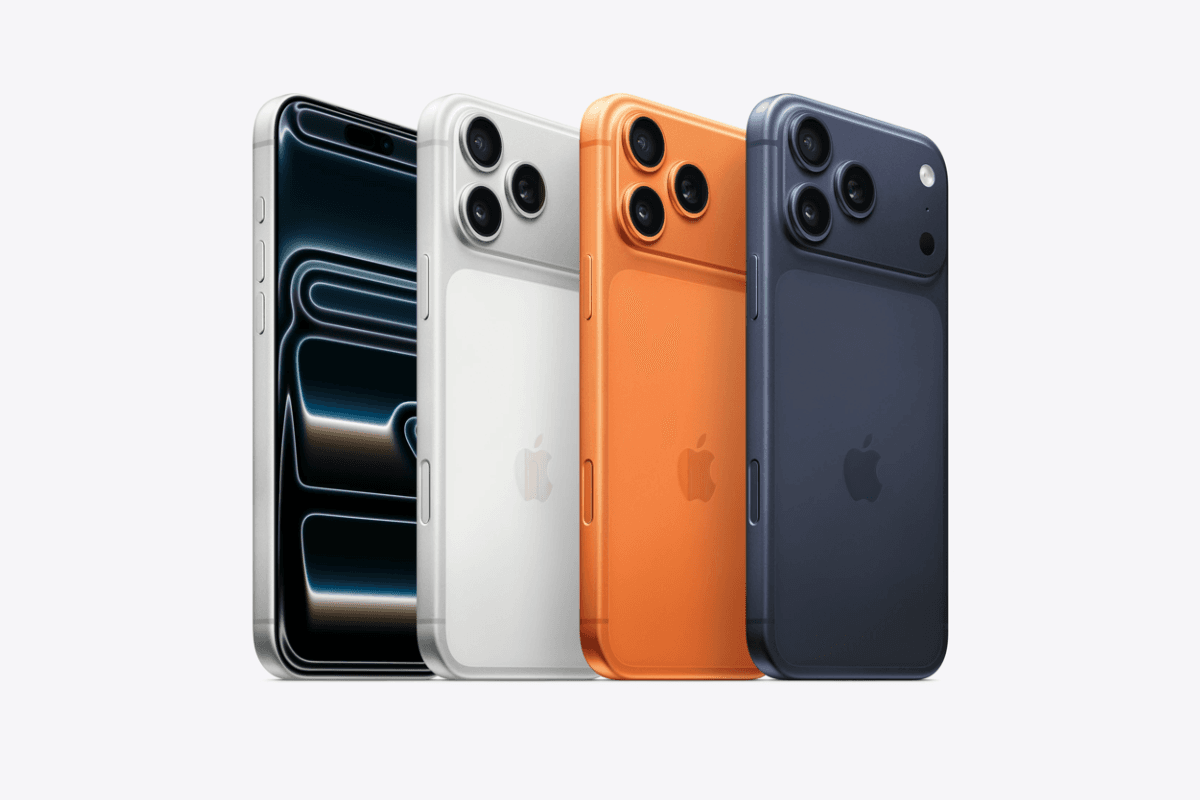
The 2018 iPhone lineup, consisting of the iPhone XS, iPhone XS Max, and iPhone XR, represented Apple’s first full transition into the "all-screen" design era. In 2026, these devices serve primarily as budget-friendly secondary phones or entry-level options for younger users, offering the A12 Bionic chip and Face ID at a fraction of their original launch prices.
The Evolution of the 2018 iPhone Lineup
The year 2018 was a pivotal moment for Apple’s smartphone strategy. Following the experimental release of the iPhone X in 2017, the 2018 lineup solidified the departure from the physical Home button. This generation introduced the "S" year refinement for the flagship tier while simultaneously launching the iPhone XR—a device that would go on to become one of the best-selling smartphones globally due to its balance of price and performance.
By 2026, the landscape of mobile technology has shifted toward Foldables and Generative AI-integrated hardware. However, the 2018 iPhones remain relevant for their build quality and the efficiency of the A12 Bionic processor. Understanding the nuances of each model requires looking at how they were positioned: the XS as the refined flagship, the XS Max as the first truly large-format bezel-less iPhone, and the XR as the accessible entry point.
Technical Specifications: The A12 Bionic Core
At the heart of every 2018 iPhone lies the A12 Bionic chip. This was the industry's first 7-nanometer chip, a significant leap from the 10-nanometer A11 Bionic. Even eight years later, the architecture holds up for standard daily tasks like web browsing, social media, and basic video streaming.
The Neural Engine and Performance
The A12 Bionic featured an 8-core Neural Engine capable of performing 5 trillion operations per second. While modern 2026 chips handle hundreds of trillions, the A12 was the foundation for Apple’s advancements in computational photography (Smart HDR) and augmented reality (AR). The chip includes:
- Two performance cores: Handle heavy computational loads.
- Four efficiency cores: Manage everyday tasks to preserve battery life.
- Four-core GPU: Provides hardware-accelerated graphics that, in 2026, still manage to run most non-AAA mobile games.
RAM and Storage Configurations
The XS and XS Max were equipped with 4GB of LPDDR4X RAM, while the XR featured 3GB. In 2026, this difference is noticeable. The flagship models handle background processes more gracefully, whereas the XR may occasionally refresh apps when multitasking heavily. Storage tiers ranged from 64GB to 512GB (for the XS series) and 64GB to 256GB (for the XR).
iPhone XS and XS Max: The OLED Flagships
The iPhone XS and XS Max were designed to be the pinnacle of Apple’s engineering in 2018. They featured Super Retina OLED displays that provided deep blacks and a 1,000,000:1 contrast ratio.
Display Characteristics
The XS utilized a 5.8-inch panel, making it one of the last "compact" flagship iPhones. The XS Max introduced the 6.5-inch form factor, providing a massive canvas that paved the way for today’s "Pro Max" models. Both screens supported HDR10 and Dolby Vision, which remain standard for high-quality video consumption in 2026.
Camera Systems
The dual-camera system on these models consists of a 12MP wide-angle lens and a 12MP telephoto lens.
- Smart HDR: This was the standout feature, using the A12’s Neural Engine to capture multiple frames and blend them for better highlight and shadow detail.
- Bokeh and Depth Control: For the first time, users could adjust the background blur after taking a photo, a feature that has since become a staple in mobile photography.
- Video: These were the first iPhones to record stereo sound and featured extended dynamic range for video up to 30 fps.
iPhone XR: The Liquid Retina Alternative
The iPhone XR was often misunderstood at launch but proved to be a masterclass in compromise. To reach a lower price point, Apple utilized a 6.1-inch Liquid Retina LCD instead of OLED.
Display and Build
While the resolution (1792 x 828) was lower than its siblings, Apple’s color calibration and 326 ppi (pixels per inch) meant that for most users, the difference was negligible in daily use. The XR also swapped the stainless steel frame of the XS for 7000-series aerospace-grade aluminum. It lacked 3D Touch, replacing it with Haptic Touch, which eventually became the standard across all iPhones.
Single Camera Capability
Despite having only one 12MP wide-angle lens, the XR used software "segmentation" to provide Portrait Mode. However, this was limited to human subjects only at launch—a restriction that third-party apps eventually bypassed. In 2026, the XR's camera is considered basic but reliable for daylight photography.
Comparison Table: 2018 iPhone Series
| Feature | iPhone XR | iPhone XS | iPhone XS Max |
|---|---|---|---|
| Display Type | 6.1" Liquid Retina LCD | 5.8" Super Retina OLED | 6.5" Super Retina OLED |
| Resolution | 1792 x 828 | 2436 x 1125 | 2688 x 1242 |
| RAM | 3GB | 4GB | 4GB |
| Rear Camera | 12MP Wide | 12MP Wide + 12MP Tele | 12MP Wide + 12MP Tele |
| Build Material | Aluminum & Glass | Stainless Steel & Glass | Stainless Steel & Glass |
| Battery (Approx) | 2,942 mAh | 2,658 mAh | 3,174 mAh |
| Water Resistance | IP67 (1m for 30m) | IP68 (2m for 30m) | IP68 (2m for 30m) |
| Max Storage | 256GB | 512GB | 512GB |
2026 Market Value and Deals
As of 2026, these devices are no longer sold by Apple or major carriers as new stock. They occupy the "Refurbished" and "Pre-owned" segments.
Current Pricing (Refurbished Grade A)
- iPhone XR: $85 – $115. It remains popular for school children or as a dedicated "work" phone for simple communication.
- iPhone XS: $120 – $150. Sought after by those who prefer the smaller form factor and premium stainless steel feel.
- iPhone XS Max: $170 – $210. Still holds value due to the large OLED screen, which is excellent for media consumption.
Where to Find Deals
When looking for 2018 models in 2026, prioritize reputable refurbishers that provide a minimum 90-day warranty. Avoid private sales where the Activation Lock might still be enabled or the battery health is below 80%. Sites specializing in "Renewed" tech often bundle these with a new third-party charging cable, though original boxes are rare.
Software Longevity and Support in 2026
A critical consideration for any device this old is software compatibility. The 2018 iPhones launched with iOS 12. In 2026, they are likely at the very end of their software lifecycle.
Depending on Apple’s support cycles, these models may no longer support the latest version of iOS. However, Apple traditionally provides security patches for several years after a device stops receiving major "feature" updates. Prospective buyers in 2026 should be aware that some modern apps—especially high-end games or banking apps with strict security requirements—may eventually drop support for the A12 Bionic architecture.
Battery Health and Performance Management
By 2026, the original chemical components of batteries in 2018 iPhones have likely degraded significantly. If you are purchasing one of these devices today, checking the Battery Health in Settings is the most important step.
- Capacity: Any device with a maximum capacity below 80% will likely experience "Performance Management," where the CPU is throttled to prevent unexpected shutdowns.
- Replacement Costs: In 2026, a battery replacement for these models is relatively affordable (typically $50-$80). Replacing the battery can breathe new life into the A12 Bionic, making the phone feel significantly faster.
- Wireless Charging: All three models support Qi wireless charging. This is a convenient way to charge if the Lightning port has become loose over years of use—a common hardware failure in older iPhones.
Common Issues and Maintenance
When maintaining or purchasing a 2018 iPhone in 2026, be aware of these model-specific tendencies:
- OLED Burn-in (XS/XS Max): Older OLED screens can develop ghost images if left on high brightness with static elements (like navigation apps) for too long.
- Face ID Failure: The TrueDepth camera system is sensitive to water ingress. Even with IP67/68 ratings, seals degrade over eight years. A non-functional Face ID is a common reason for steep discounts on the used market.
- Intel Modem Performance: The 2018 generation used Intel modems rather than Qualcomm. In areas with weak signal, these models may struggle to maintain LTE speeds compared to later models like the iPhone 12 or 13.
Frequently Asked Questions
Can I still use 5G on an iPhone from 2018?
No. The iPhone XR, XS, and XS Max are 4G LTE devices. They do not have the hardware antennas or modems required to connect to 5G networks. However, they still work perfectly on 4G LTE networks, which remain widely available in 2026.
Is the iPhone XS Max better than a budget 2026 Android?
This depends on your priorities. The XS Max offers a premium stainless steel build and excellent color accuracy. However, a budget 2026 Android phone will likely have a higher refresh rate screen (90Hz or 120Hz) and much longer battery life. The XS Max wins on software ecosystem and build quality, but loses on raw modern features.
Does the iPhone XR still take good photos?
In bright daylight, the iPhone XR still produces very respectable 12MP photos with natural colors. Its main weakness in 2026 is the lack of Night Mode and an Ultra-Wide lens. If you do a lot of photography in low-light settings, the XR will struggle significantly compared to newer models.
Is it safe to use these phones for banking in 2026?
As long as the device is still receiving security updates from Apple, it is generally safe. If the device has been stuck on an old iOS version for more than a year without a security patch, it is advisable to avoid using it for sensitive financial transactions.
How much storage do I really need in 2026?
The 64GB base model is very restrictive in 2026. With the size of modern apps and high-resolution media, 128GB is the recommended minimum. If you choose a 64GB model, you will likely need to rely heavily on iCloud for photo and document storage.
Final Recommendation: Should You Buy a 2018 iPhone in 2026?
The 2018 iPhone lineup remains a viable option for specific use cases in 2026. If you need a distraction-free device, a starter phone for a child, or a reliable backup, the iPhone XR offers the best value-to-utility ratio. For those who appreciate premium materials and a superior screen, the iPhone XS Max is still a beautiful piece of hardware, provided you can find one with a healthy battery.
However, for a primary daily driver, most users should look toward at least the iPhone 13 or newer to ensure 5G compatibility and several more years of guaranteed software support. The 2018 iPhones are classic examples of Apple's longevity, but in 2026, they are entering their twilight years of peak functionality.