The media landscape of 2011 represents a pivotal transition period where traditional print, television, and physical media sharply intersected with the accelerating rise of digital-first platforms, streaming services, and social media ecosystems. This era redefined how news, entertainment, and information were produced, distributed, and consumed globally.
The Shifting Paradigm of Print and Publishing in 2011
The year 2011 marked a profound reckoning for legacy print media. Newspapers and magazines faced accelerating declines in print circulation and advertising revenue, forcing publishers to fundamentally rethink their business models.
The Paywall Renaissance and Digital Subscriptions
In March 2011, The New York Times introduced its landmark metered paywall, a pivotal moment for digital journalism. Rather than keeping content entirely free or locked behind an absolute barrier, the model allowed readers a set number of free articles per month before requiring a paid subscription. This strategy provided a blueprint for other major metropolitan newspapers and international publications struggling to monetize online traffic as physical newspaper sales plummeted.
Magazine Closures and the Digital Pivot
Simultaneously, iconic print publications ceased physical operations or drastically reduced their print runs. For instance, Newsweek merged with The Daily Beast in late 2010, and throughout 2011, the combined entity navigated the turbulent waters of digital integration. Publishers recognized that tablet computers, led by the rapid adoption of the Apple iPad released in 2010, offered a new canvas for interactive storytelling, but ad revenues on digital platforms failed to immediately match the high margins of traditional print advertising.
Television Broadcasting: Cable Dominance Meets Early Streaming
Television in 2011 occupied a fascinating middle ground. Linear cable television was at or near its peak cultural influence, yet the infrastructure for on-demand streaming was rapidly establishing roots that would disrupt the medium entirely within a few years.
The Rise of Peak TV and Cable Dramas
The year 2011 was a banner period for scripted cable television. Premium networks and basic cable channels produced critically acclaimed series that captured global cultural conversations:
- AMC: Breaking Bad and Mad Men continued to define prestige television, drawing massive critical acclaim and dedicated audiences.
- HBO: Game of Thrones premiered on April 17, 2011, quickly evolving from a high-budget fantasy gamble into a global cultural phenomenon.
- Broadcast Networks: Traditional networks still commanded massive live audiences for procedural dramas and reality television, but appointment viewing was already beginning to erode due to digital video recorders (DVRs) and early streaming habits.
The Netflix Quibi-Sized Splitting Controversy
Netflix, still primarily known in 2011 as a DVD-by-mail provider with a burgeoning streaming catalog, attempted a disastrous corporate restructuring. CEO Reed Hastings announced plans to split the DVD rental service into a separate brand called "Qwikster," while keeping streaming under the Netflix banner. The move sparked immediate customer backlash, a sharp drop in subscriber numbers, and a severe fall in stock value, forcing the company to reverse course within weeks. Despite this stumble, Netflix's subscriber base was shifting decisively toward digital streaming, setting the stage for its transition into an original content powerhouse.
Social Media as a Primary News and Cultural Distribution Channel
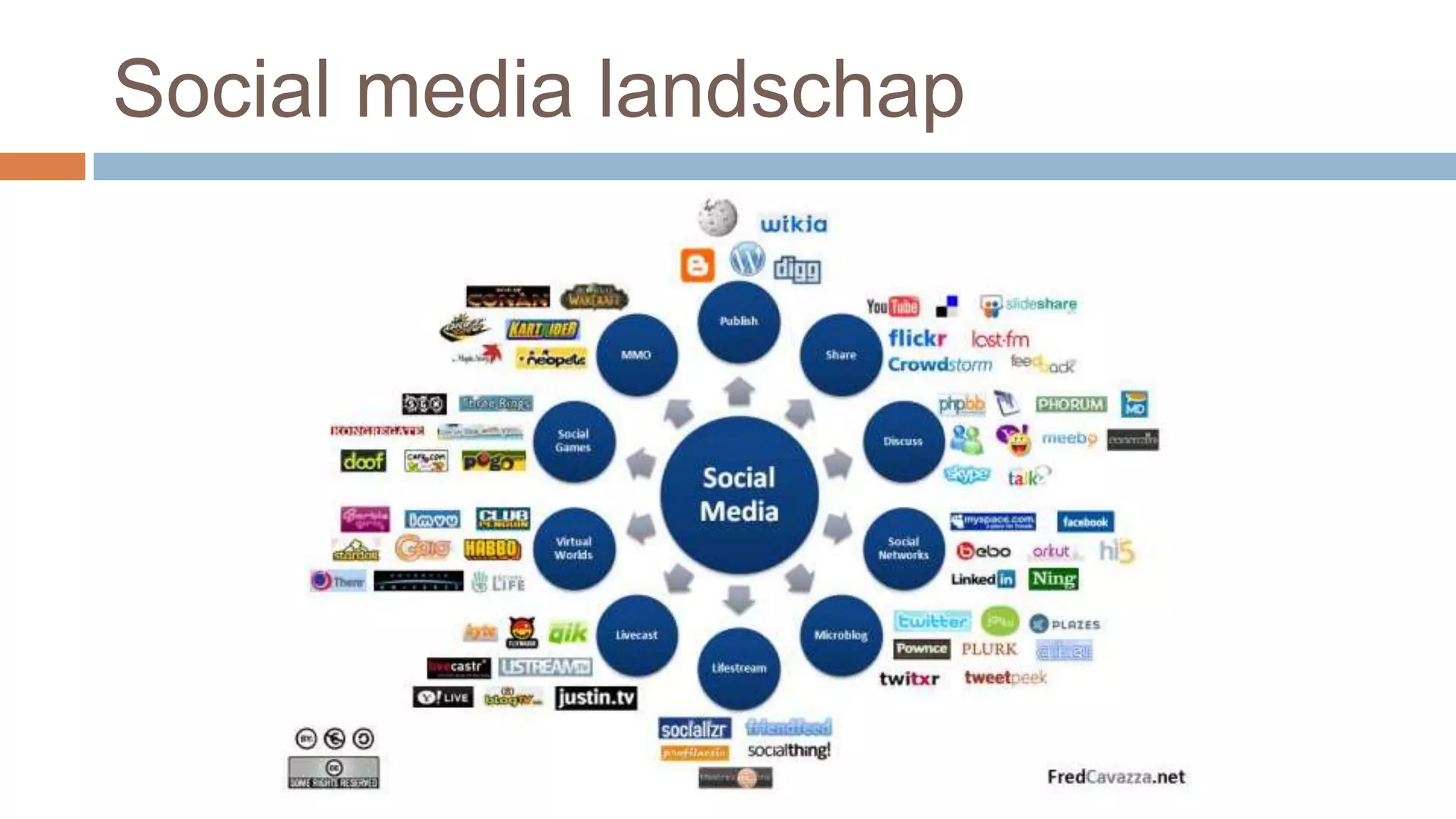
By 2011, social media platforms had graduated from niche college networks to dominant pillars of global media distribution, fundamentally altering how breaking news and public discourse occurred.
Twitter and Facebook in Major Global Events
The Arab Spring, which began in late 2010 and peaked in early 2011, showcased the unprecedented power of social media in organizing protests, bypassing state-controlled media filters, and broadcasting real-time updates to an international audience. Twitter and Facebook cemented their status as essential infrastructure for citizen journalism and real-time news reporting.
Algorithmic Feeds and Identity Shifts
During this period, Facebook introduced the "Timeline" profile layout and expanded its Open Graph platform, allowing users to seamlessly broadcast media consumption—such as the music they listened to on Spotify or articles they read in newspapers—directly to their friends' tickers. This deepened data collection and increased user engagement, laying the groundwork for the modern algorithmic newsfeed.
Music Industry Evolution: Digital Downloads and Streaming Adoption
The music industry in 2011 was locked in a bitter struggle against digital piracy while simultaneously adapting to legal digital marketplaces and the nascent streaming economy.
iTunes Dominance and Anti-Piracy Measures
Apple's iTunes Store remained the undisputed titan of music sales, having surpassed physical retailers in prior years. However, unauthorized peer-to-peer file sharing and torrent sites remained prevalent, prompting aggressive legal actions from industry bodies like the Recording Industry Association of America (RIAA). The legislative landscape also saw intense lobbying over bills like the Stop Online Piracy Act (SOPA) and the Protect IP Act (PIPA), which reached peak legislative contention around 2011 and 2012.
The Arrival of Spotify in the United States
A watershed moment for modern music consumption occurred in July 2011, when Spotify officially launched its on-demand streaming service in the United States. Having already operated in Europe since 2008, the platform introduced American consumers to legal, freemium, cloud-based music streaming, slowly turning the tide away from permanent digital downloads and physical CD sales.
Comparative Overview of Media Sectors in 2011
To understand the structural tensions of the era, the following table summarizes the state, primary monetization strategy, and major disruption factors across four core media sectors in 2011.
| Media Sector | Dominant Format in 2011 | Primary Monetization | Major Disruption Factor |
|---|---|---|---|
| Print Publishing | Physical newspapers and magazines | Print subscriptions and display ads | Metered paywalls, declining ad revenue, digital migration |
| Television | Linear cable and broadcast TV | Cable subscription fees and spot advertising | DVR adoption, early on-demand streaming, prestige cable |
| Music | Digital downloads (iTunes) and physical CDs | Album/track sales and physical retail | Launch of US streaming services (Spotify), digital piracy |
| News & Information | Portal websites and early social feeds | Banner advertising and display impressions | Real-time social curation via Twitter and Facebook |
Frequently Asked Questions About 2011 Media
How did the media industry change in 2011?
The media industry in 2011 underwent a structural migration from physical and analog distribution to digital ecosystems. Major newspapers instituted paywalls, social media platforms became primary news conduits, and legal music streaming established a foothold in the United States with Spotify's launch.
What major television shows premiered in 2011?
The most notable television premiere of 2011 was Game of Thrones on HBO, which debuted in April and reshaped fantasy television. Other critical darlings like Homeland (Showtime) and Suits (USA Network) also premiered during this year.
What was the status of Netflix in 2011?
In 2011, Netflix was transitioning from its core DVD-by-mail model to digital streaming. The company suffered a significant public relations and business crisis due to its botched attempt to spin off its DVD service into a separate company called Qwikster.
How did news consumption evolve in 2011?
News consumption shifted heavily toward digital platforms, accelerated by the use of Twitter and Facebook during global events like the Arab Spring. Readers increasingly accessed breaking news via mobile devices and social feeds rather than morning newspapers or evening broadcasts.
Final Recommendation for Media Historians and Researchers
When analyzing the media landscape of 2011, researchers should examine financial reports, regulatory filings, and digital archives from that specific year rather than viewing the era through a modern lens. Recognizing 2011 as a crucial bridge year helps explain how current digital subscription models, streaming dominance, and social media news habits were deliberately engineered in response to the economic pressures of that decade.