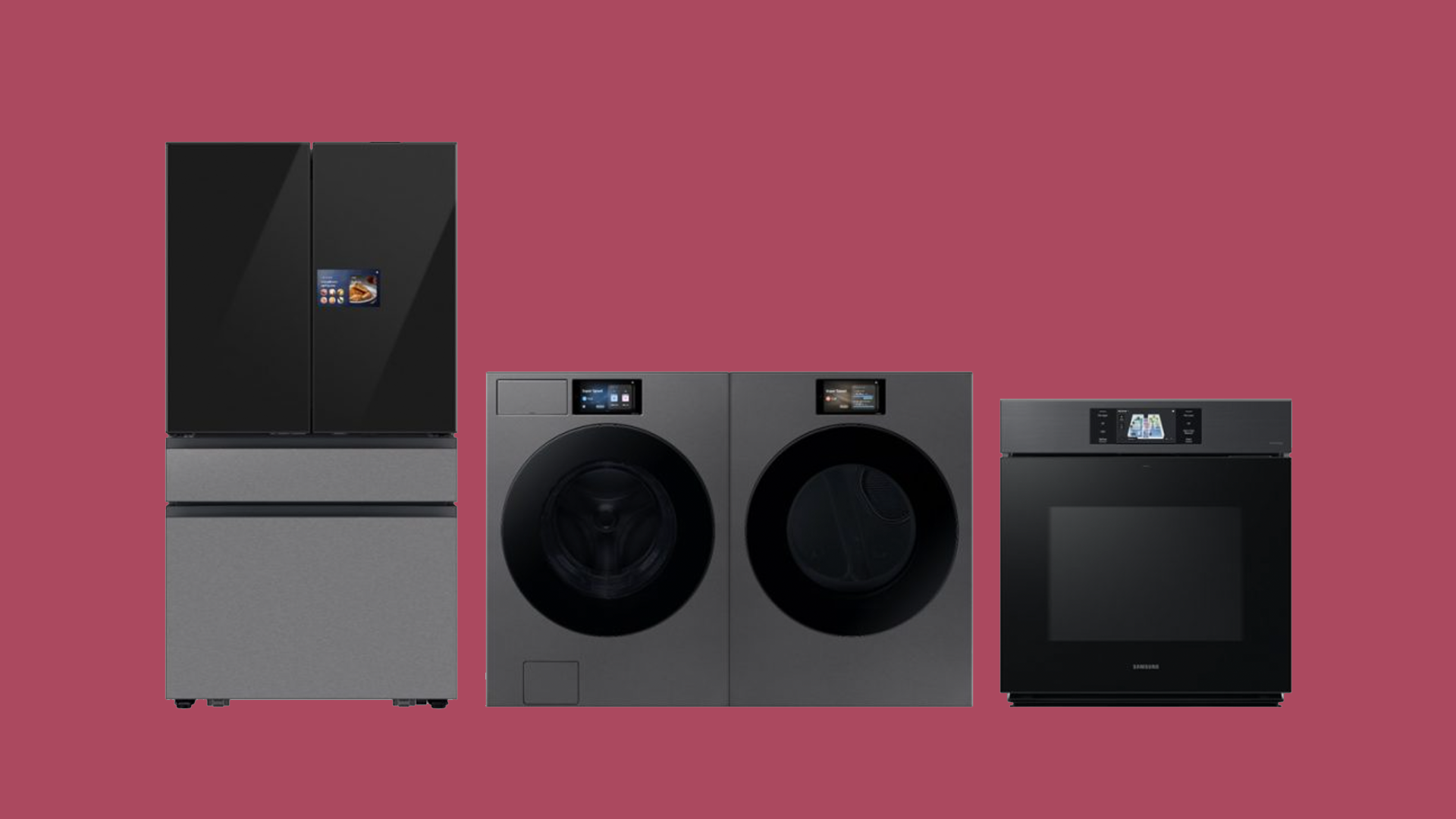
The year 2015 marked a transitional period for household appliances, bridging the gap between traditional electromechanical engineering and the early waves of smart home automation and stringent energy efficiency standards. Evaluating major home appliances manufactured around this era involves understanding their distinct technological capabilities, long-term reliability records, repairability metrics, and current utility in the secondary market.
The Technological Landscape of 2015 Major Appliances
The year 2015 represented a watershed moment for kitchen and laundry room hardware. Manufacturers were actively responding to federal energy regulations, evolving consumer demands for aesthetic integration, and the nascent integration of digital interfaces into heavy-duty machinery. Examining appliances from this era requires looking at how mechanical components began sharing space with early electronic sensor arrays and digital control boards.
During this period, regulatory pressures from bodies such as the U.S. Department of Energy (DOE) and the Environmental Protection Agency’s ENERGY STAR program pushed manufacturers to re-engineer motors, compressors, and heating elements. Refrigerators built in 2015, for instance, frequently adopted variable-speed inverter compressors, moving away from the traditional on-off cycle that characterized older models. This transition significantly improved electrical efficiency but introduced complex electronic control units (ECUs) that proved more sensitive to power surges than their mechanical predecessors.
Similarly, front-load and high-efficiency top-load washing machines manufactured in 2015 relied heavily on internal water-level sensors, automated load-balancing systems, and direct-drive or belt-driven inverter motors. While these innovations reduced water consumption and extracted more moisture during the spin cycle—thereby cutting down dryer run times—they also introduced specific maintenance vulnerabilities that technicians now monitor closely a decade later.
Key Product Categories and Structural Characteristics
To properly evaluate appliances from this vintage, it is necessary to examine how individual product categories performed, what features defined them, and how their core engineering holds up under prolonged usage.
Refrigerators: Linear Compressors and Electronic Integration
Refrigerators from 2015 frequently featured advanced multi-airflow systems, digital temperature controls, and exterior through-the-door ice and water dispensers. However, this era is also recognized in appliance repair history for the widespread adoption of linear compressors—particularly in French-door configurations—which yielded exceptional energy ratings but faced documented durability challenges over extended lifecycles.
Consumers shopping for or maintaining a 2015 refrigerator typically contend with sealed system issues or defrost timer failures. Conventional top-freezer refrigerators from the same year, by contrast, relied on simpler, more traditional static cooling designs that often exhibited superior longevity, albeit with higher energy consumption compared to their French-door counterparts.
Laundry Pairs: High-Efficiency Washers and Electronic Dryers
The 2015 laundry market was defined by the maturation of front-load washing machines and the rapid expansion of high-efficiency (HE) top-loaders that omitted the traditional center agitator in favor of low-profile wash plates or impellers.
- Front-Loaders: Known for superior cleaning performance and garment care, 2015 models required strict adherence to user maintenance schedules—specifically regarding door seals and mold prevention.
- HE Top-Loaders: These units provided larger capacities but occasionally struggled with off-balance loads due to early-generation suspension rods and algorithms.
- Dryers: Electronic moisture sensors became standard in 2015 dryers, replacing mechanical timed thermostats and improving fabric protection by ending cycles precisely when garments reached dryness.
Cooking Appliances: Convection and Induction Evolution
Ranges, wall ovens, and cooktops manufactured in 2015 saw an increased emphasis on true European convection (featuring a third heating element around the convection fan) and the steady, if gradual, market penetration of induction cooktops. Gas ranges from this era maintained traditional multi-ring burners, while electric radiant glass-top stoves incorporated dual- and triple-zone elements to accommodate varying cookware diameters. Electronic touch glass panels began replacing physical knobs on high-end slide-in and freestanding ranges, introducing potential points of failure related to moisture ingress and control board degradation.
Comparative Overview of 2015 Appliance Technologies
| Appliance Type | Primary Technological Shift in 2015 | Common Durability Factor / Failure Point | Expected Lifespan Range |
|---|---|---|---|
| French-Door Refrigerators | Widespread adoption of inverter/linear compressors | Sealed system refrigerant leaks, control board failures | 8–12 years |
| Front-Load Washers | Advanced digital load sensors and high-speed spin cycles | Spider arm corrosion, door boot seal mold, pump clogs | 10–14 years |
| HE Top-Load Washers | Agitator removal; transition to low-profile wash plates | Suspension rod wear, transmission seal leaks | 8–12 years |
| Dishwashers | Plastic-to-stainless steel tub transition, quiet-sound insulation | Circulation pump motor wear, turbidity sensor faults | 9–13 years |
| Ranges & Ovens | Electronic touch panels, introduction of baseline induction | Igniter burnout (gas), thermal fuse trips, relay board failure | 13–18 years |
Repairability, Parts Availability, and Maintenance Realities
When assessing appliances that have been in service for over a decade, parts availability becomes a central concern for homeowners and technicians alike. Under standard federal and industry guidelines, manufacturers are generally expected to supply replacement parts for major appliances for roughly 7 to 10 years after the discontinuation of a specific model line. For equipment originating in 2015, many original equipment manufacturer (OEM) electronic components are entering or have surpassed this window, forcing reliance on aftermarket parts, rebuilt circuit boards, or salvaged components.
Mechanical components—such as drive belts, pulleys, heating elements, water inlet valves, and door latches—remain widely available through third-party distributors. However, proprietary electronic control boards, user interface displays, and specific inverter modules for 2015 refrigerators and washers can occasionally face backorders or discontinuation. Homeowners undertaking DIY repairs on these units must verify part numbers meticulously, as mid-cycle engineering revisions by manufacturers frequently changed wiring harnesses and sensor placements within the same model year.
Preventive maintenance is the single most critical factor in determining whether a 2015 appliance will continue to operate reliably. For example, clearing lint accumulation from dryer exhaust ducts prevents thermal fuse failures and fire hazards, while descaling dishwashers and washing machines prevents mineral buildup that stresses circulation pumps and heating elements.
Evaluating Second-Hand 2015 Appliances: Worth Buying or Avoiding?
The secondary market frequently features 2015 appliances sourced from estate sales, kitchen renovations, or property flips. Purchasing or retaining equipment from this vintage requires a balanced assessment of financial trade-offs, installation overhead, and potential hidden costs.
Advantages of 2015 Equipment
- Build Quality: Many appliances from this era still utilized heavier-gauge steel outer panels and more robust drive motors than some ultra-budget modern alternatives.
- Cost-Effectiveness: Used units can often be acquired for a fraction of original retail pricing, providing functional utility for rental properties or secondary kitchens.
- Familiar Interfaces: Unlike modern smart appliances that require Wi-Fi pairing and app management, 2015 models typically rely on direct button-and-dial inputs.
Disadvantages and Risks
- Remaining Lifespan: Major appliances have finite operational lifespans; a unit built in 2015 is approaching or has exceeded the midpoint of its expected service life.
- Energy Efficiency Gaps: While 2015 models were efficient for their time, subsequent regulatory updates and compressor designs have yielded further reductions in standby and active power consumption.
- Lack of Warranty: Factory warranties have long since expired, meaning any mechanical or electrical failure must be funded entirely out of pocket.
Frequently Asked Questions
Are 2015 appliances considered reliable by modern standards?
Reliability varies significantly by category and brand. Simple appliances like traditional top-freezer refrigerators, electric coil ranges, and basic dishwashers from 2015 generally exhibit solid reliability if properly maintained. Conversely, high-end electronics-heavy appliances—particularly certain French-door refrigerators and front-load washers from that year—have higher incidence rates of complex component failures.
How can I find replacement parts for a 2015 appliance model?
Model numbers are typically located on a metal or paper data tag affixed to the appliance frame (inside the refrigerator door jamb, around the washer tub rim, or along the oven drawer frame). Using this exact model number, you can source components through authorized parts distributors, appliance manufacturer portals, or specialized aftermarket suppliers.
Is it worth repairing a major appliance from 2015?
As a general rule of thumb used by appliance technicians, if the cost of repair exceeds 50 percent of the replacement cost of a comparable new unit—and the appliance is past halfway through its expected lifespan—replacement is usually more economical. However, minor repairs such as replacing a water inlet valve, heating element, or door switch are frequently cost-effective.
How do 2015 washing machines compare to current models in water and energy use?
A 2015 high-efficiency washing machine or dishwasher will generally meet or closely approximate modern baseline utility standards, as federal efficiency mandates for residential laundry and dishwashing equipment were already stringent during that period. The most substantial operational differences lie in digital connectivity and automated detergent dispensing rather than baseline water consumption.
What should I check before purchasing a used 2015 refrigerator?
Inspect the interior for signs of coolant leaks, check the door gaskets for proper magnetic seal integrity, listen to the compressor for excessive humming or clicking, and verify that both the fresh food and freezer compartments reach and maintain target temperatures. Ask the seller if the unit has undergone any prior sealed-system repairs.
Next Steps for Homeowners and Buyers
When managing appliances manufactured in 2015, proactive assessment is essential. Homeowners currently utilizing these units should audit their performance, inspect hoses and electrical connections for wear, and maintain clean condenser coils and exhaust vents to maximize remaining service life. Those considering purchasing second-hand 2015 hardware should test all operational cycles thoroughly, verify part availability for critical systems, and factor potential near-term maintenance costs into their purchasing decisions.