The cinematic landscape of 2015 was defined by major franchise revivals, high-performing global blockbusters, acclaimed independent dramas, and significant shifts in box office records, marked by historical milestones such as crossing the multi-billion dollar threshold globally.
The Cinematic Landscape of 2015
The year 2015 remains one of the most commercially successful and critically discussed periods in modern cinema history. It was a watershed moment characterized by the resurrection of dormant mega-franchises, the dominance of Disney and Universal at the global box office, and a vibrant independent film circuit that yielded enduring critical darlings. From a macroeconomic perspective, 2015 marked the first time the global box office crossed the $38 billion threshold, driven heavily by international markets, particularly China, which experienced explosive theatrical infrastructure growth.
Understanding 2015 film releases requires looking beyond simple box office tallies. The year represented a unique transitional phase in distribution and production. Traditional studio models relied on established intellectual property (IP), leading to a heavy slate of sequels, reboots, and adaptations. Simultaneously, streaming platforms like Netflix and Amazon began their aggressive ascent into feature-film production and acquisition, signaling a structural disruption in how movies reached audiences. For film historians, analysts, and enthusiasts, examining the class of 2015 provides a clear window into the commercial and creative priorities of the mid-2010s entertainment industry.
Box Office Titans and Franchise Revivals
Commercial cinema in 2015 was dominated by tentpole releases that shattered historical financial records. Universal Pictures and The Walt Disney Studios engaged in a historic battle for market share, propelled by legacy franchises that had been absent from the silver screen for years or decades.
The Return of Legacy IP
The most anticipated cinematic event of the year was undoubtedly the return of a galaxy far, far away. Directed by J.J. Abrams, Star Wars: The Force Awakens debuted in December 2015 to massive fanfare, grossing over $2 billion globally and setting domestic opening weekend records. By blending nostalgic elements from the original 1977 trilogy with a new generation of characters, the film established a blueprint for modern legacy sequels.
Simultaneously, Universal Pictures revived two of its most valuable properties:
- Jurassic World: Directed by Colin Trevorrow, the fourth installment in the dinosaur franchise capitalized on nostalgic reverence for the original 1993 park, pulling in over $1.6 billion worldwide.
- Furious 7: Driven by both franchise momentum and the tragic, untimely passing of star Paul Walker, the action sequel grossed over $1.5 billion, becoming a global phenomenon.
Animated and Superhero Dominance
Disney’s Pixar made a triumphant return to form with Inside Out, an inventive exploration of human psychology that grossed over $850 million and won the Academy Award for Best Animated Feature. In the superhero space, Marvel Studios released Avengers: Age of Ultron, which crossed the $1.4 billion mark, while 20th Century Fox found massive, R-rated success outside the traditional mold with stylistic action features that paved the way for subsequent gritty adaptations.
Critical Darlings and Independent Cinema
While blockbusters captured the cultural conversation, 2015 was equally notable for daring auteur-driven projects, mid-budget dramas, and international masterpieces that dominated year-end critic lists and the subsequent awards season.
George Miller’s explosive action masterpiece Mad Max: Fury Road stunned audiences and critics alike. Operating largely as a continuous, high-octane vehicular chase, the film combined practical stunts with state-of-the-art digital effects, ultimately earning ten Academy Award nominations and winning six technical categories. It demonstrated that high-budget action could possess elite artistic merit.
In the independent and prestige drama sectors, several films left a lasting cultural footprint:
- Spotlight: Directed by Tom McCarthy, this methodical procedural following The Boston Globe's Pulitzer Prize-winning investigation into systemic institutional cover-ups won the Academy Award for Best Picture.
- Room: Directed by Lenny Abrahamson and adapted by Emma Donoghue from her novel, this harrowing yet tender drama earned Brie Larson the Academy Award for Best Actress.
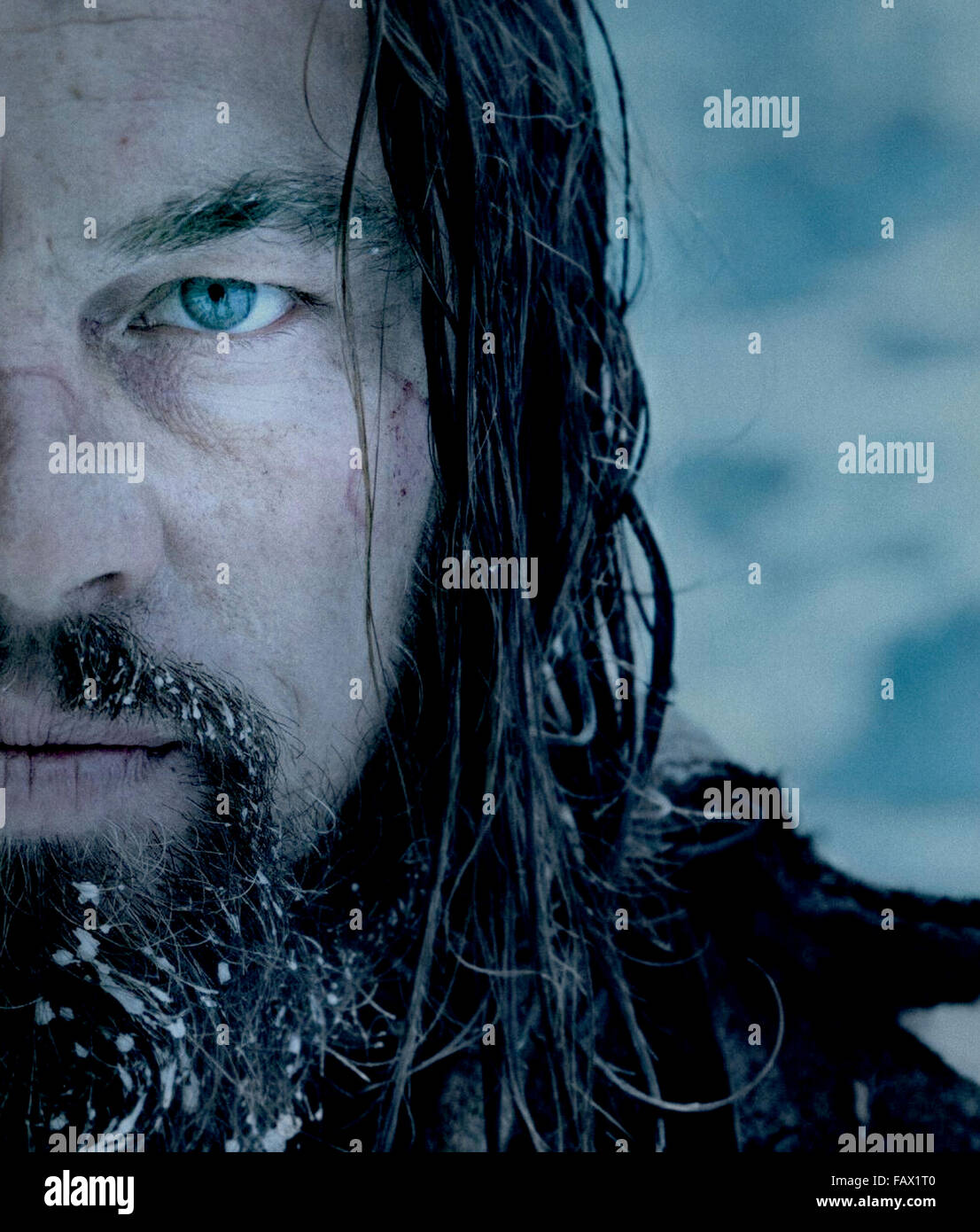
- The Revenant: Alejandro G. Iñárritu’s survival epic pushed technical and physical boundaries, famously securing Leonardo DiCaprio his long-awaited Academy Award for Best Actor.
- Ex Machina: Alex Garland’s cerebral science-fiction thriller explored artificial intelligence, consciousness, and manipulation with tight staging and minimalist design.
Major Milestones and Comparative Analysis
The structural distribution of the 2015 box office reveals clear trends in consumer spending and studio risk management. The top ten highest-grossing films globally accounted for a massive percentage of total theatrical revenue, highlighting the industry's increasing reliance on global tentpoles.
Top-Grossing Films of 2015
| Film Title | Distributor / Studio | Worldwide Box Office (USD) | Primary Genre |
|---|---|---|---|
| Star Wars: The Force Awakens | Walt Disney Studios | $2.068 Billion | Space Opera / Sci-Fi |
| Jurassic World | Universal Pictures | $1.671 Billion | Action / Sci-Fi |
| Furious 7 | Universal Pictures | $1.515 Billion | Action / Thriller |
| Avengers: Age of Ultron | Walt Disney Studios | $1.405 Billion | Superhero |
| Minions | Universal Pictures | $1.159 Billion | Animation / Comedy |
| Inside Out | Walt Disney Studios | $857 Million | Animation / Family |
| Furious 7 (Alternative metric) | Universal Pictures | $1.515 Billion | Action |
| Spectre | Sony / Metro-Goldwyn-Mayer | $880 Million | Spy / Action |
Note: Box office figures represent unadjusted lifetime global grosses reported at the close of their respective theatrical runs.
Technological Shifts and Distribution Evolution
The year 2015 also marked a pivotal transitional era in projection technology and viewing habits. Digital projection had fully supplanted 35mm film prints across the vast majority of mainstream commercial cinemas worldwide, standardizing 2K and 4K digital distribution pipelines. However, a dedicated faction of filmmakers—notably Quentin Tarantino with The Hateful Eight and Christopher Nolan—advocated fiercely for celluloid preservation, pushing limited 70mm roadshow engagements that proved traditional formats still held premium appeal for cinephiles.
Concurrently, home entertainment models were shifting away from physical media dominance. While Blu-ray and DVD sales still generated substantial revenue, subscription video-on-demand (SVOD) services began securing exclusive distribution rights for indie features and commissioning original content. This dual-track evolution permanently altered the lifecycle of feature films, shrinking theatrical-to-home-video windows and changing how audiences discovered niche or mid-budget projects.
Frequently Asked Questions
What was the highest-grossing film of 2015?
Star Wars: The Force Awakens was the highest-grossing film of 2015, earning over $2.06 billion worldwide. It became the third film in cinematic history to cross the $2 billion mark globally, propelled by immense holiday-season demand and multi-generational nostalgia.
Which film won the Academy Award for Best Picture for 2015 releases?
Spotlight, directed by Tom McCarthy and distributed by Open Road Films, won the Academy Award for Best Picture at the 88th Academy Awards held in early 2016. The film was widely praised for its grounded, ensemble-driven depiction of investigative journalism.
Were there any notable breakthrough independent films in 2015?
Yes. Alongside major studio releases, 2015 saw the breakout of critically acclaimed independent features such as Ex Machina (A24), Room (A24), Brooklyn (Fox Searchlight), and The Witch (which premiered at the 2015 Sundance Film Festival before its wide release).
How did the 2015 box office compare to previous years?
The 2015 global box office broke historical records, surpassing $38 billion for the first time. This growth was fueled by massive international expansion, particularly in the Asia-Pacific region, alongside an unprecedented slate of four separate films grossing over $1.0 billion individually within the same calendar year.
What technological trends influenced cinema in 2015?
The industry completed its near-total transition to digital projection, while premium large formats (PLF) such as IMAX and Dolby Cinema gained widespread consumer adoption. Additionally, the rise of streaming platforms began challenging traditional exclusive theatrical release windows.
Strategic Next Steps for Film Research
For researchers, students, or enthusiasts analyzing 2015 cinema, the recommended next step is to examine primary source documentation, such as original trade publications from Variety and The Hollywood Reporter, alongside the official Academy Awards archives for 2015. Reviewing unadjusted box office data via box office tracking databases provides granular insight into international market behaviors during a banner year for global entertainment.