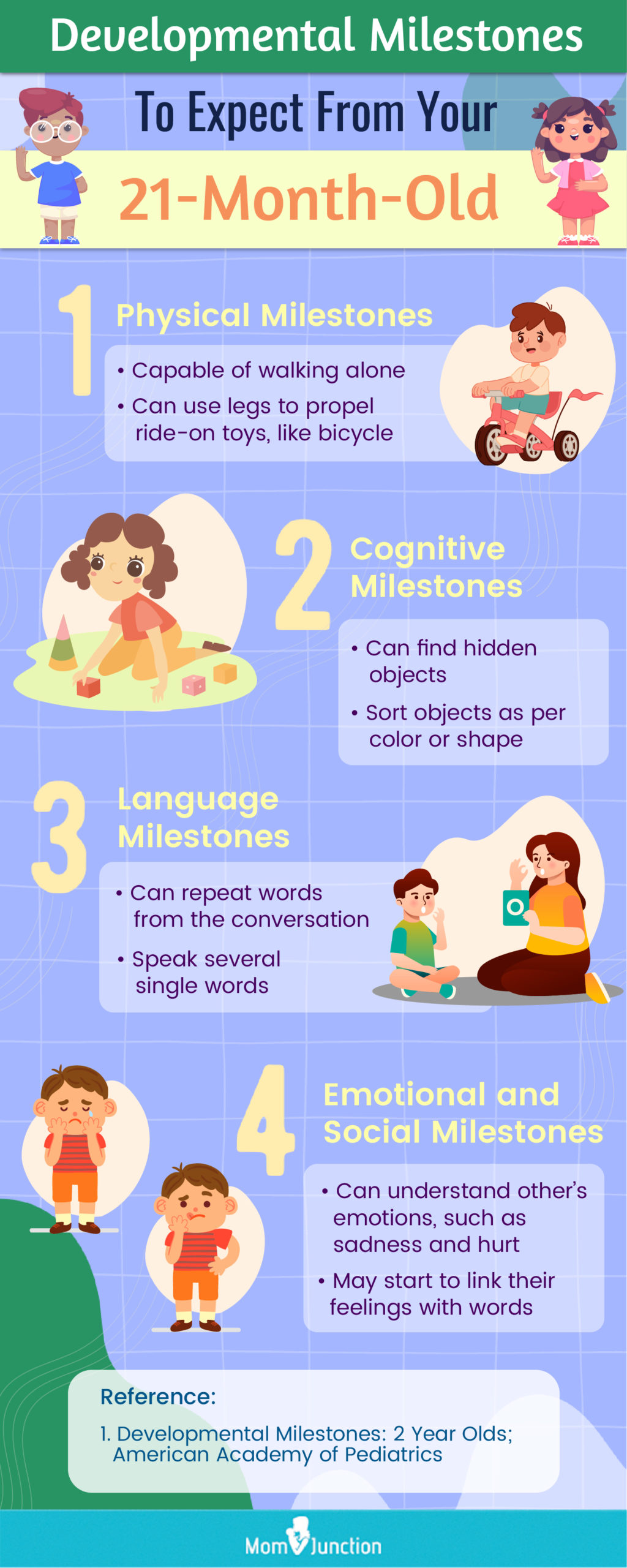
A two-year-old child development phase marks a period of profound transition, moving toddlers from infancy into early childhood characterized by rapid strides in physical coordination, expanding vocabulary, burgeoning independence, and complex emotional expression.
During the second year of life, toddlers undergo dramatic transformations that lay the foundational architecture for lifelong learning, behavior, and health. Understanding these developments allows parents, caregivers, and pediatric health professionals to support optimal growth while identifying potential developmental variances early. This comprehensive guide details the key milestones, developmental domains, common challenges, and practical support strategies associated with a two-year-old child's growth.
The Core Domains of Development at Age Two
Child development is conventionally evaluated across several interconnected domains: physical and motor skills, cognitive abilities, language and communication, and social-emotional growth. While every child follows a unique timeline dictated by genetics, environment, and temperament, established milestones provide a reliable framework for assessing progress.
Healthcare guidelines, such as those provided by the American Academy of Pediatrics (AAP) and the Centers for Disease Control and Prevention (CDC), emphasize that milestones serve as a general roadmap rather than a rigid grading scale.
Physical and Motor Development
By age two, gross motor skills undergo a massive leap. Children are generally steady on their feet, shifting from the wide-based, halting gait of a newly walking toddler to a more coordinated walk, run, and climb.
- Gross Motor Skills: Two-year-olds can typically kick a ball forward, begin to run with better coordination, walk up and down stairs holding onto a hand or railing, and throw a ball overhand. Many can also balance momentarily on one foot or jump with both feet off the ground.
- Fine Motor Skills: Hand-eye coordination and manual dexterity improve significantly. Children at this stage can build towers of four blocks or more, scribble spontaneously with crayons, turn pages of a book one at a time (often board books), and begin using a spoon with increasing proficiency.
Cognitive Development
Cognitive development reflects how a child processes information, thinks, explores, and solves problems. At age two, a child’s brain is forming millions of neural connections every second, driven by environmental interaction and sensory exploration.
- Problem Solving and Play: Two-year-olds find things even when hidden under two or three covers. They begin to sort shapes and colors, complete simple puzzles with large pieces, and play simple make-believe games (e.g., feeding a stuffed animal).
- Memory and Attention: Children can follow simple two-step instructions (e.g., "Pick up your toy and put it in the box") and show a longer attention span for preferred activities, such as listening to a story or stacking blocks.
Language and Communication
The two-year-old milestone window is often famous for an "explosion" in vocabulary, though individual variations are vast. Communication bridges the gap between internal desires and the external world.
- Expressive Language: By 24 months, children typically use at least 50 words, and many use significantly more. They begin combining two or three words into simple phrases (e.g., "more milk," "go outside," "daddy car").
- Receptive Language: Comprehension far outpaces speech production. A two-year-old can generally understand simple commands, point to objects or pictures when named in a book, and identify familiar people, objects, and body parts.
- Clarity: Familiar caregivers should understand at least half of the child's speech by age two, even if strangers find some words difficult to decipher.
Social and Emotional Development
Autonomy is the hallmark of the second year. Children realize they are separate individuals from their parents, which triggers both exciting independence and intense emotional friction.
- Emotions and Temperament: Tantrums are a normal developmental occurrence at this age, driven by a desire for independence coupled with limited verbal skills to express frustration. Children may show defiant behavior ("no!") and exhibit separation anxiety that eventually tapers off.
- Social Interactions: Two-year-olds frequently engage in "parallel play"—playing side-by-side with other children rather than cooperatively. They show affection for familiar playmates, imitate adult actions and chores, and display growing awareness of themselves as separate beings (often recognizing themselves in mirrors).
Comprehensive Milestone Comparison Matrix
To better understand what typical behaviors look like across different domains, the following matrix outlines expected milestones, potential warning signs, and supportive activities for a two-year-old child.
| Domain | Typical Milestones at Age 2 | Signs Warranting Evaluation | Supportive Activities |
|---|---|---|---|
| Gross Motor | Runs, climbs on furniture without help, kicks a ball, walks up/down stairs with support. | Cannot walk steadily, frequently falls without recovering balance, cannot run. | Obstacle courses with cushions, playground climbing, kicking balls in the yard. |
| Fine Motor | Stacks 4+ blocks, uses a spoon, draws simple strokes/scribbles, turns book pages. | Cannot hold a crayon, struggles to pick up small objects, drops food consistently. | Finger painting, block building, manipulating playdough, turning thick pages. |
| Language | Uses 50+ words, combines 2-3 words, points to named pictures, follows 2-step commands. | Uses fewer than 15-20 words, does not combine words, cannot follow simple directions. | Reading daily, narrating daily routines, singing songs, expanding on their words. |
| Social-Emotional | Imitates adults, copies chores, shows defiant behavior, plays alongside other kids (parallel play). | Shows no interest in other children, does not imitate actions, lacks eye contact. | Interactive pretend play, encouraging sharing, offering limited choices for autonomy. |
Fostering Development: Practical Strategies for Caregivers
Supporting a two-year-old child’s development requires a balance of structured routines, responsive communication, and safe environments for exploration. Because the brain relies heavily on environmental stimuli and secure attachments, everyday interactions serve as powerful developmental catalysts.
Encouraging Language Acquisition
Language skills flourish when adults talk with children rather than simply talking at them.
- Narrate the Day: Describe ongoing activities throughout the day using descriptive vocabulary. For example, instead of saying "Put on shoes," say, "Let's put on your warm blue sneakers before we walk outside."
- Expand and Correct: When a child says, "Doggy bark," respond with an expanded sentence: "Yes, that big brown doggy is barking loudly!" This models correct grammar without explicitly reprimanding the child.
- Read Interactively: Reading board books daily builds vocabulary and listening comprehension. Ask the child to point to specific pictures or ask questions about what might happen next.
Managing Autonomy and Behavioral Challenges
Behavioral outbursts are normal as toddlers navigate big emotions without fully developed self-regulation centers in the brain.
- Establish Predictable Routines: Consistency provides toddlers with a sense of security. Knowing what comes next—naptime, mealtime, playtime—reduces anxiety-driven resistance.
- Offer Controlled Choices: To satisfy the need for independence, offer two acceptable choices rather than open-ended questions. For instance, ask, "Do you want to wear the red shirt or the green shirt?" rather than "What do you want to wear?"
- Acknowledge Emotions: Help children label feelings. Stating, "I see you are frustrated because we have to leave the park," validates their experience while maintaining boundaries.
Red Flags and When to Seek Professional Guidance
While development occurs at varying paces, certain red flags warrant prompt consultation with a pediatrician or an early intervention specialist. Early identification of developmental delays significantly improves long-term outcomes.
According to guidance from the National Institutes of Health (NIH) and pediatric standards, consult a healthcare provider if a two-year-old child exhibits any of the following signs:
- Does not use two-word phrases spontaneously (excluding imitation or echolalia).
- Does not know what to do with common everyday objects, such as a brush, phone, or spoon.
- Does not imitate actions or words.
- Does not follow simple instructions.
- Loses skills they once possessed (regression in any domain).
- Does not walk steadily.
- Shows extreme difficulty with eye contact or social engagement.
Parents who harbor concerns about their child's development can often self-refer to state-sponsored early intervention programs or request a comprehensive developmental screening during routine well-child pediatrician visits.
Frequently Asked Questions
How many words should a two-year-old be able to say?
By age two, a child typically has a spoken vocabulary of at least 50 words, though many children use significantly more. More importantly, children at this age should begin combining two words into simple phrases, such as "more milk" or "big ball." If a child has fewer than 20 words or does not combine words by 24 months, a discussion with a pediatrician is recommended.
Why do two-year-olds have so many tantrums?
Tantrums are a normal part of toddler development driven by a clash between a strong desire for independence and limited communication skills. Toddlers experience intense emotions and desires but often lack the neurological maturity and vocabulary to articulate them. Establishing consistent routines, offering limited choices, and helping them label their emotions can help mitigate the frequency and intensity of tantrums.
Is parallel play normal for a two-year-old?
Yes, parallel play is completely normal and developmentally appropriate for two-year-olds. At this age, children enjoy playing side-by-side with peers, often engaged in similar activities, but they do not yet have the social and cognitive maturity required for true cooperative, interactive play. Cooperative play typically emerges closer to age three or four.
How can I encourage my two-year-old to eat a varied diet?
Toddler pickiness is common due to slowing growth rates and a natural wariness of new foods (neophobia). The best approach is the "division of responsibility" in feeding: parents decide what, when, and where food is served, while the child decides whether and how much to eat. Consistently offering a variety of healthy foods without forcing, bribing, or making separate meals helps children learn to regulate their own intake over time.
When should I transition my two-year-old from a crib to a toddler bed?
There is no fixed age requirement for transitioning to a toddler bed; the decision is usually driven by safety and physical milestones. If a child begins actively climbing out of the crib, presenting a fall hazard, it is time to transition. Otherwise, if the child is content and safe in the crib, there is no rush to move them before age three, as familiar confinement can sometimes help maintain predictable sleep patterns.
Next Steps and Professional Recommendation
Monitoring a two-year-old child's development is an active, ongoing partnership between caregivers and healthcare professionals. To ensure your child receives optimal support:
- Schedule Regular Check-ups: Attend all scheduled pediatric well-child visits, where standardized developmental screenings are routinely performed at the 24-month mark.
- Document Milestones: Keep a journal or use a reputable developmental tracking application to note new words, motor skills, and social behaviors.
- Trust Your Instincts: If you notice a persistent regression in skills or feel that your child is missing key milestones, do not adopt a "wait-and-see" approach. Contact your pediatrician or local early intervention services immediately to request an evaluation.