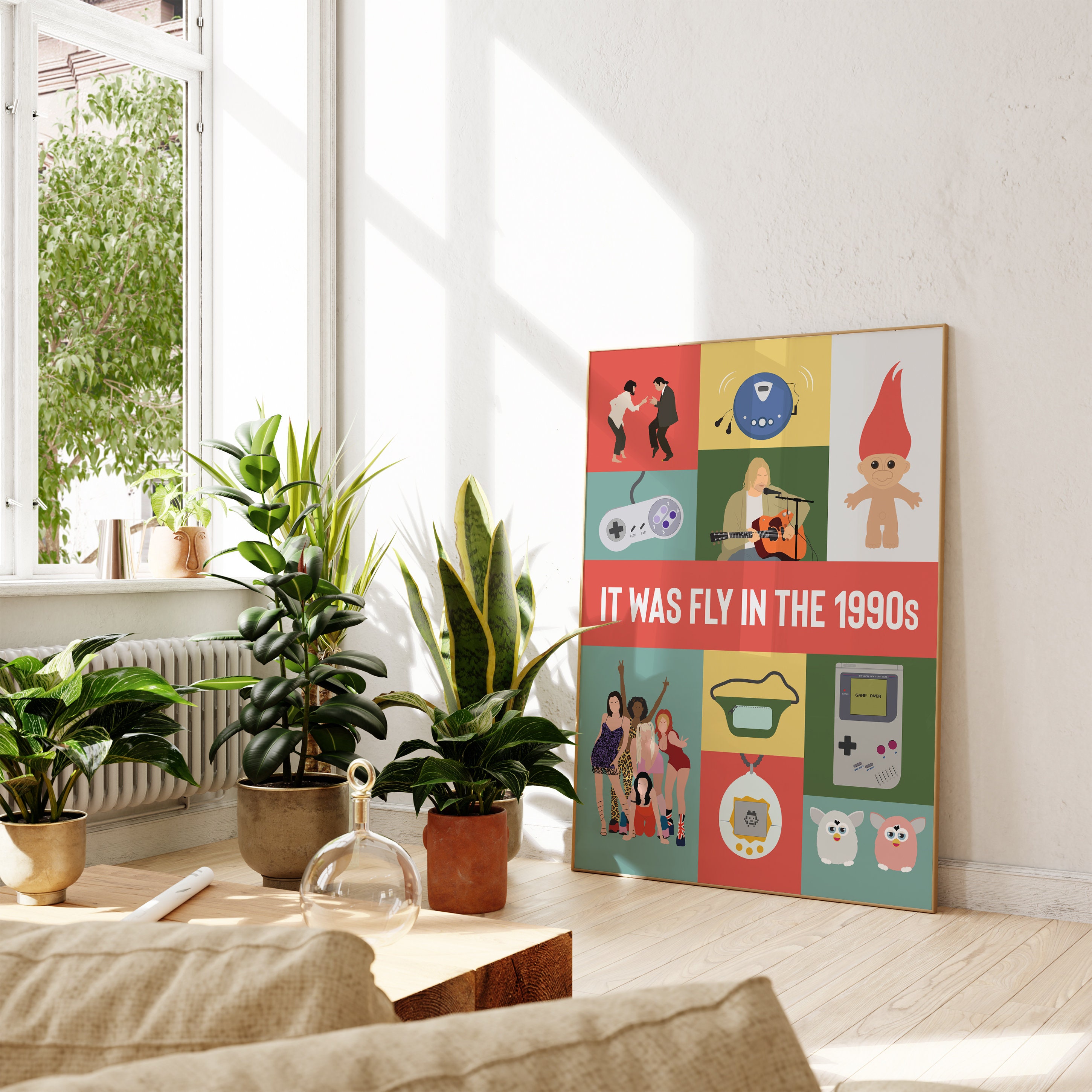
The 1990s pop music landscape was a vibrant, transitional era defined by the explosive commercial rise of teen pop, the global dominance of British and American vocal groups, and the seamless fusion of traditional melody with contemporary electronic and hip-hop production.
The decade of 1990s pop bands represents a golden age of synchronized choreography, charismatic boy bands, trailblazing girl groups, and diverse pop-rock ensembles that shaped youth culture, modern media marketing, and the global recording industry. This comprehensive guide examines the defining acts of that era, the stylistic shifts that drove their success, and their enduring legacy in modern music history.
The Historical and Cultural Landscape of 1990s Pop
To understand the trajectory of 1990s pop bands, one must look at how the musical ecosystem evolved from the synth-heavy pop of the 1980s and the early-90s dominance of grunge and alternative rock. The early years of the decade were dominated by adult contemporary balladeers and residual dance-pop acts. However, a structural shift occurred in the mid-to-late 1990s, catalyzed by independent music entrepreneurs, changing television formats like MTV's Total Request Live (TRL), and international talent scouts.
During this period, the definition of a pop band expanded. It encompassed manufactured vocal groups put together by visionary managers, self-contained indie-pop bands achieving mainstream charts success, and multi-platinum acts that bridged the gap between rhythm and blues (R&B), dance, and traditional pop hooks. The genre became a multi-billion-dollar enterprise characterized by massive global tours, high-concept music videos, and intense fan engagement that laid the groundwork for today's social media fandoms.
The British Invasion and the Phenomenon of Cool Britannia
While American pop experienced a steady evolution, the United Kingdom birthed a cultural movement that revitalized global pop music. This era coincided with the socio-political phenomenon known as "Cool Britannia," which celebrated British arts, fashion, and music.
Spice Girls and Girl Power
Formed in 1994, the Spice Girls (Melanie Brown, Melanie Chisholm, Emma Bunton, Geri Halliwell, and Victoria Beckham) disrupted a male-dominated industry by injecting an aggressive, joyful brand of feminism dubbed "Girl Power." Their debut single, "Wannabe" (1996), shot to number one in 37 countries, establishing them as a global powerhouse.
- Musical Style: Upbeat dance-pop with heavy hip-hop and R&B influences.
- Cultural Impact: Redefined modern girl groups, turning individual personalities into marketable archetypes (Scary, Sporty, Baby, Ginger, and Posh) and spearheading a merchandising empire.
Take That and the Modern Boy Band Blueprint
Before the Spice Girls conquered the globe, Take That (featuring Gary Barlow, Howard Donald, Jason Orange, Mark Owen, and Robbie Williams) revitalized the British boy band market in the early 1990s. They combined slick pop ballads with dance-pop choreography, establishing a template that future management teams would replicate globally. Their split in 1995 caused national headlines and prompted a phone helpline to be set up for distraught fans, demonstrating the unprecedented emotional investment fans placed in these acts.
The American Teen Pop Explosion
By the late 1990s, the epicenter of pop music shifted back to the United States, driven by a resurgence of vocal harmony groups and teen-centric pop acts. This wave was heavily engineered by producers and songwriters operating out of production hubs like Orlando, Florida, and Stockholm, Sweden.
Backstreet Boys and *NSYNC
Managed by Lou Pearlman, the Backstreet Boys and NSYNC dominated the late-90s charts. The Backstreet Boys, featuring Nick Carter, Howie Dorough, AJ McLean, Kevin Richardson, and Brian Littrell, became the best-selling boy band of all time, driven by global hits like "I Want It That Way" (1999). Meanwhile, NSYNC—featuring Justin Timberlake, JC Chasez, Chris Kirkpatrick, Joey Fatone, and Lance Bass—introduced intricate urban-pop production and hyper-athletic choreography, peaking with their landmark 2000 album No Strings Attached.
Destiny's Child
Emerging from Houston, Texas, Destiny's Child (ultimately featuring Beyoncé Knowles, Kelly Rowland, and Michelle Williams) became one of the most successful girl groups of all time. While their commercial peak extended into the early 2000s, their foundational success was cemented in the late 90s with hits like "No, No, No" (1997) and "Bills, Bills, Bills" (1999). They blended contemporary R&B vocal acrobatics with empowering pop anthems.
Comparative Analysis of Major 1990s Pop Acts
The following table summarizes the key characteristics, peak eras, and defining contributions of the decade's most prominent pop bands.
| Band Name | Country of Origin | Peak Years | Defining Musical Style | Key Commercial Milestone |
|---|---|---|---|---|
| Spice Girls | United Kingdom | 1996–2000 | Dance-pop, Bubblegum pop | "Wannabe" reached #1 in 37 countries; Spice sold over 23 million copies. |
| Backstreet Boys | United States | 1997–2001 | Pop, R&B, Adult contemporary | Millennium (1999) sold 1.13 million copies in its first week in the US. |
| NSYNC | United States | 1998–2002 | Teen pop, Dance-pop, R&B | Sold 2.4 million copies of No Strings Attached in its first week (2000). |
| TLC | United States | 1992–1999 | R&B, Hip hop, Pop | CrazySexyCool (1994) became the first diamond-certified album by a girl group. |
| Ace of Base | Sweden | 1993–1996 | Eurodance, Pop, Reggae fusion | Happy Nation / The Sign became one of the best-selling debut albums ever. |
Alternative Pop, Eurodance, and Electronic Fusion
Not all defining 1990s pop bands fit the traditional vocal group mold. The decade also welcomed electronic pop fusions and self-contained bands that brought alternative sensibilities into the mainstream pop charts.
Ace of Base and the Swedish Pop Miracle
Swedish quartet Ace of Base (Jonas Berggren, Ulf Ekberg, Malin "Linn" Berggren, and Jenny Berggren) introduced a smooth blend of Eurodance, reggae-fusion, and accessible pop melodies. Their debut album, Happy Nation (released as The Sign in the US), spawned massive global hits like "All That She Wants" and "The Sign," paving the way for Sweden's continued dominance in global pop songwriting.
TLC and Genre-Defying R&B-Pop
While often categorized as an R&B group, TLC (Tionne "T-Boz" Watkins, Lisa "Left Eye" Lopes, and Rozonda "Chilli" Thomas) crossed over into mainstream pop with massive cultural authority. Their music addressed social issues, safe sex, and female self-reliance while maintaining inescapable pop hooks on tracks like "Waterfalls" (1994) and "No Scrubs" (1999).
Production Technology and the 1990s Sound
The distinct auditory signature of 1990s pop bands was shaped by rapid advancements in recording technology.
- The Shift to Digital: The transition from analog recording to digital audio workstations (DAWs) allowed producers to polish vocal harmonies and layer tracks with unprecedented precision.
- The Cheiron Studios Effect: Located in Stockholm and led by Denniz Pop and Max Martin, producers at Cheiron Studios crafted a formulaic yet emotionally resonant approach to pop songwriting. They utilized tight rhythmic structures, soaring pre-choruses, and infectious melodic hooks that defined the sound of acts like the Backstreet Boys, Britney Spears, and later pop iterations.
- Vocal Production: The era predated heavy, synthetic pitch-correction software like Auto-Tune (which emerged late in the decade), meaning that vocal groups relied heavily on natural multi-part vocal stacking, harmonies, and call-and-response structures to achieve a rich, full-bodied sound.
Frequently Asked Questions
What distinguished 1990s pop bands from 1980s pop acts?
1990s pop bands moved away from the synthesizer-heavy, gated-reverb production of the 1980s, leaning instead toward rhythmic grooves influenced by hip-hop, contemporary R&B, and Eurodance. Furthermore, the 90s saw a massive resurgence in structured vocal groups and manufactured teen pop acts driven by visual media like MTV.
Were most 1990s pop bands self-contained or managed?
While some acts wrote and performed their own instruments, many of the era's biggest commercial pop bands—particularly boy bands and girl groups—were assembled by talent managers and supported by professional staff writers and producers. Acts like the Spice Girls and Destiny's Child evolved to have heavy creative control over their later output, but initial commercial entry was often professionally engineered.
How did MTV and TRL influence 1990s pop bands?
MTV's Total Request Live (TRL), launched in 1998, served as a daily battleground for pop music supremacy. Fans voted for music videos via phone and internet, allowing pop bands to build direct, hyper-engaged fanbases. Appearance on the show in New York's Times Square became a crucial milestone for any pop act seeking mainstream dominance.
What caused the decline of the late-90s teen pop boom?
By the early 2000s, pop fatigue set in among listeners and critics. The market became oversaturated with formulaic vocal groups. Simultaneously, a cultural shift toward grittier rock (post-grunge), aggressive hip-hop, and more mature, self-produced pop artists (such as Justin Timberlake's solo transition and Alicia Keys) caused audiences to pivot away from traditional boy and girl bands.
Conclusion and Legacy
The defining acts of the 1990s pop landscape permanently altered the architecture of the global music industry. By perfecting the intersection of catchy hooks, visual branding, and international marketing, 1990s pop bands created a blueprint that modern K-pop groups, contemporary solo artists, and vocal ensembles continue to utilize. Whether through the empowering message of the Spice Girls or the pristine vocal harmonies of the Backstreet Boys, the music of this decade endures as a masterclass in pop craftsmanship.