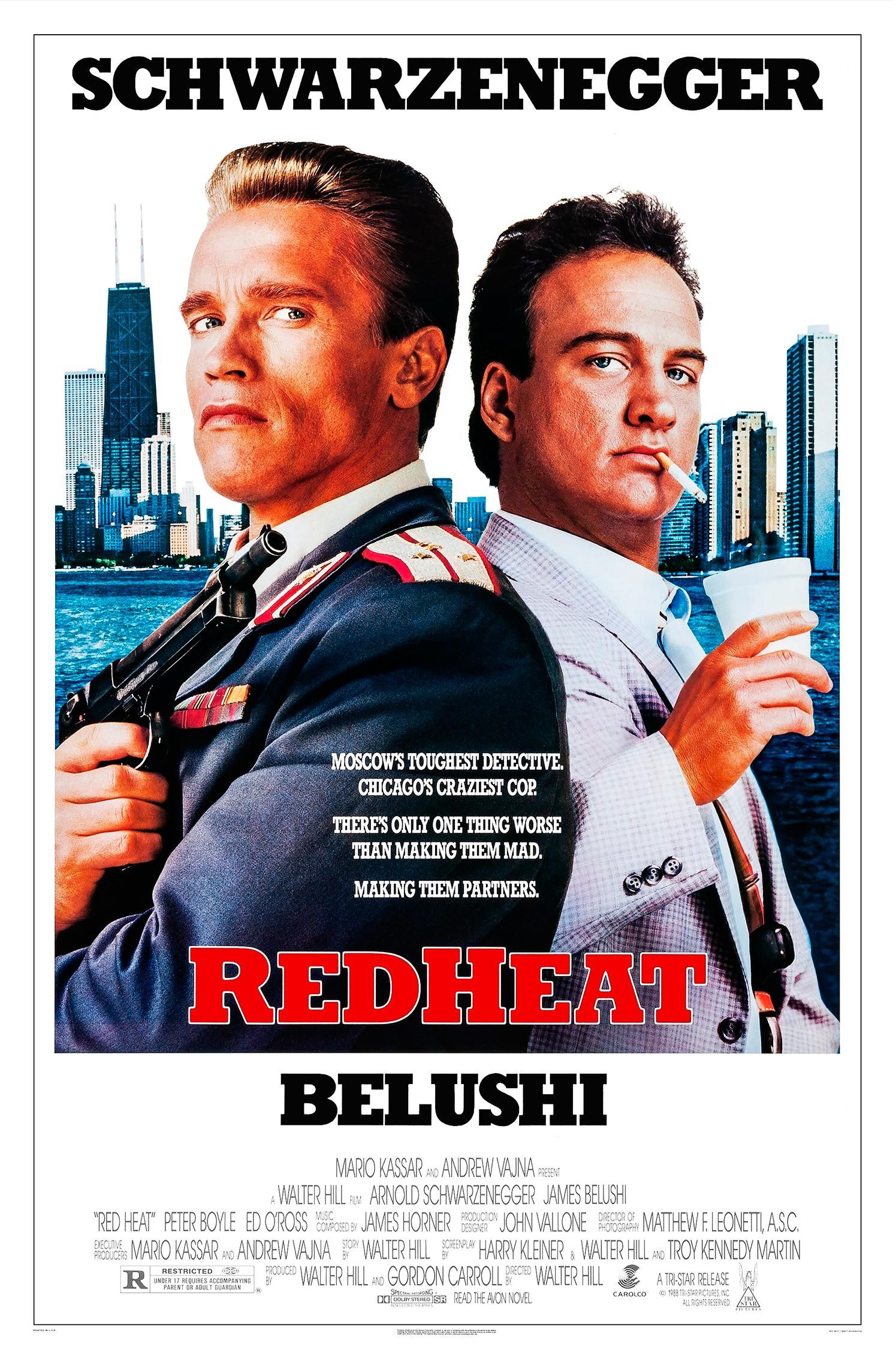
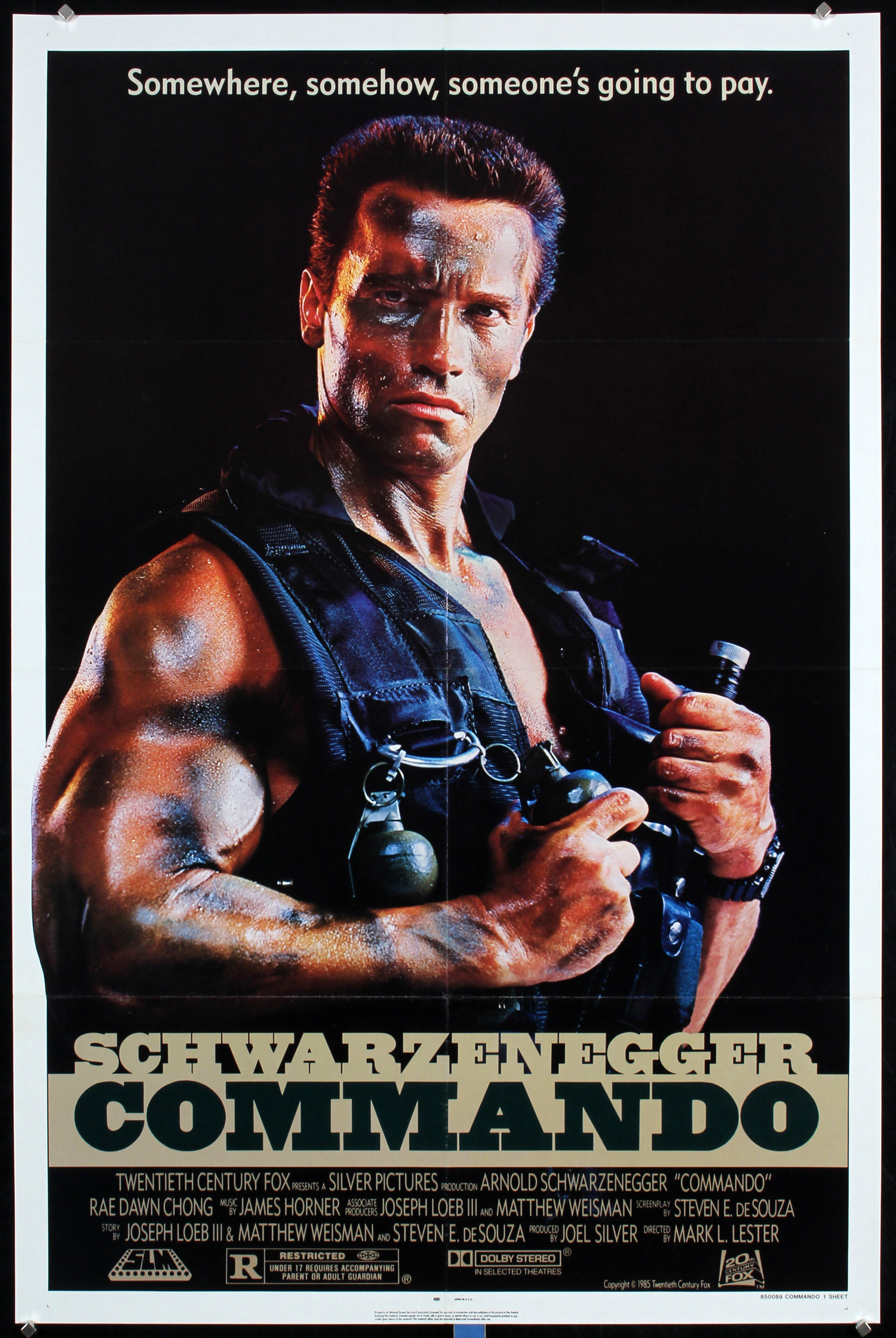
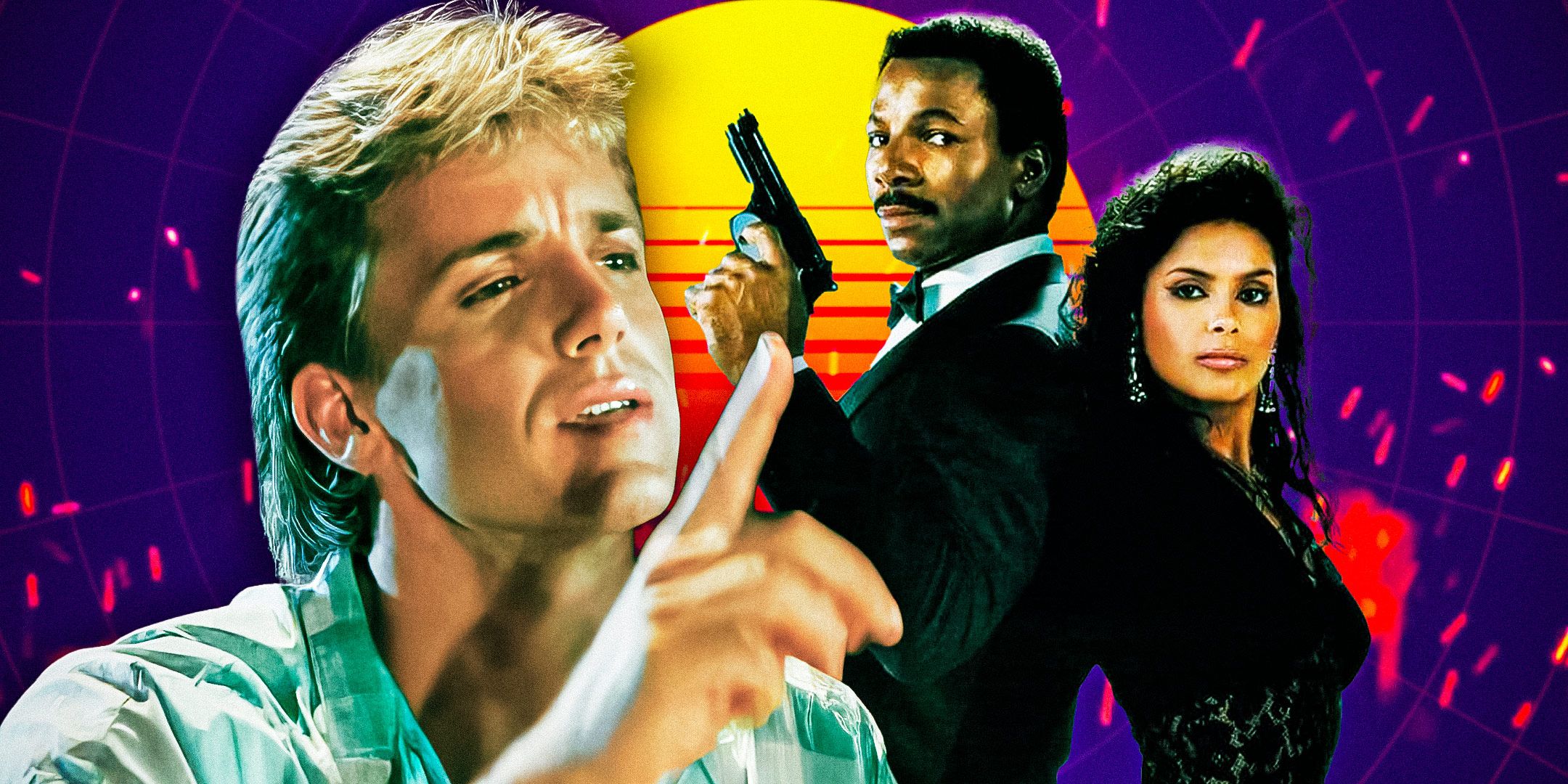
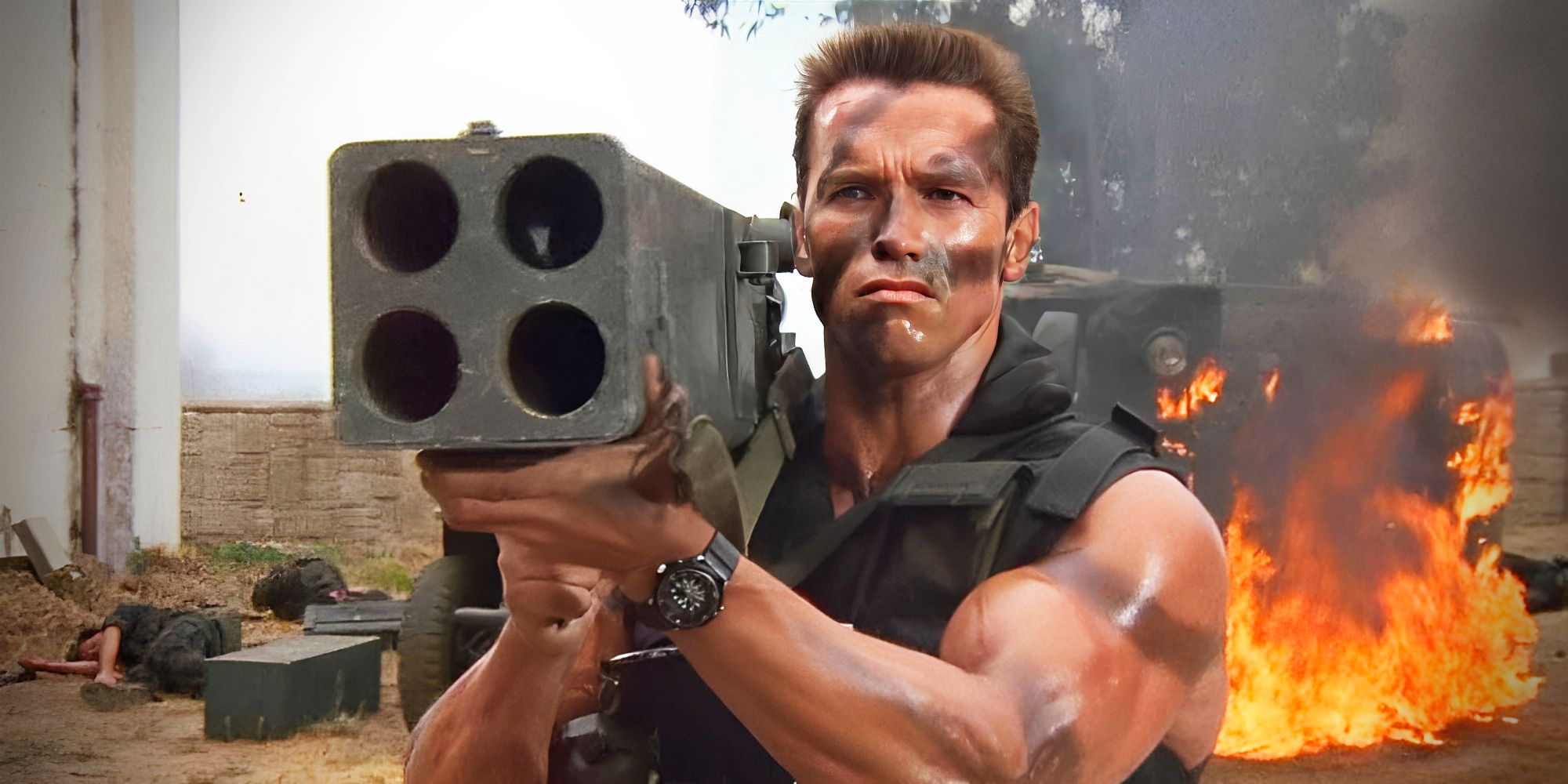
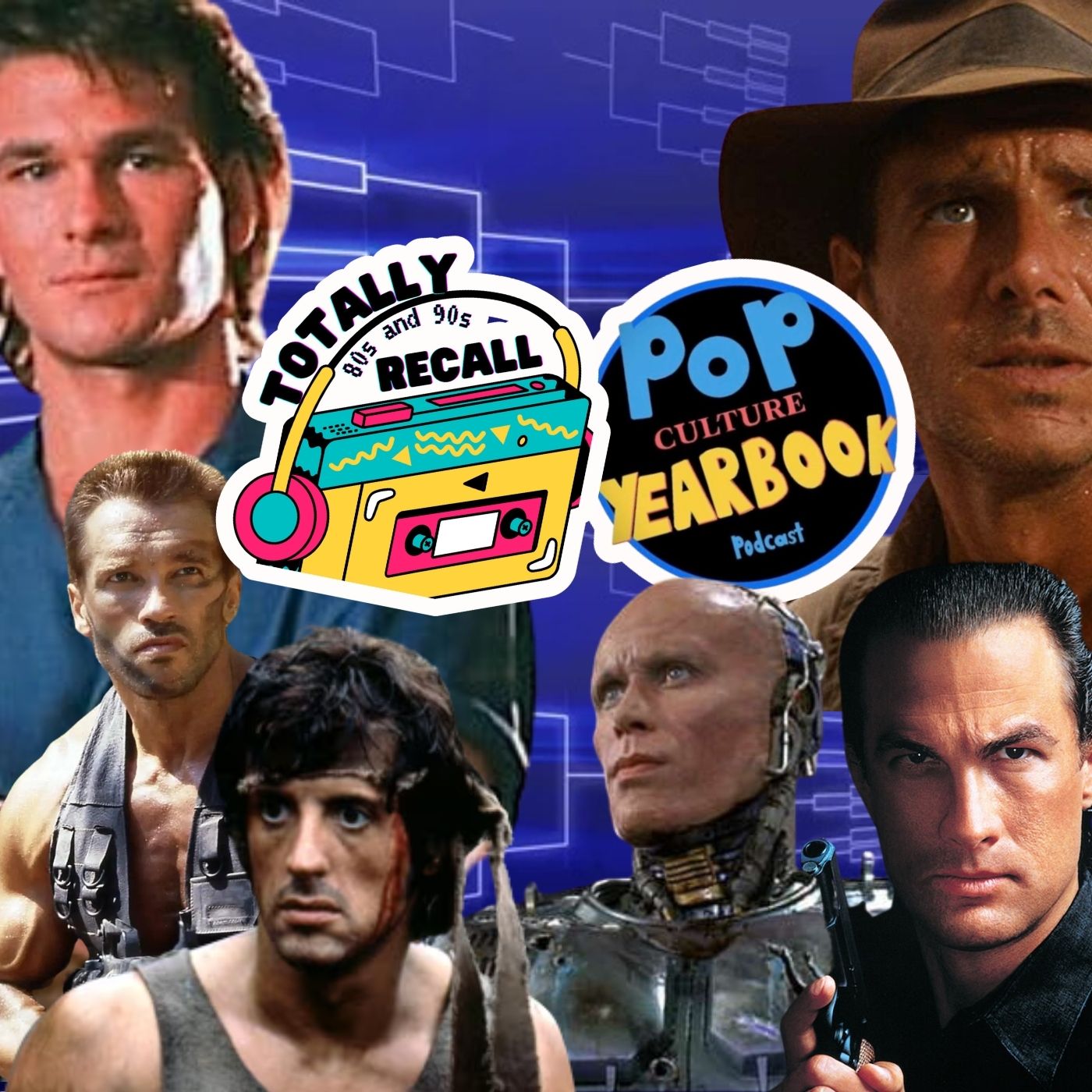
1980s action cinema was a defining era of high-octane filmmaking characterized by larger-than-life muscular heroes, groundbreaking practical special effects, simple moral binaries, and explosive set pieces that transformed global pop culture and the economics of Hollywood studio moviemaking.
Introduction to 1980s Action Cinema
The 1980s was a transformative decade for motion pictures, marked by the birth and codification of the modern high-concept blockbuster. Before this era, action films were often anchored by rugged traditionalists, gritty crime dramas, or martial arts imports. However, the socio-political climate of the Cold War, combined with rapid advancements in practical stunt work, pyrotechnics, and the rise of the global box office, birthed a hyper-masculine, visually aggressive subgenre.
Understanding 1980s action cinema requires examining how shifts in studio financing, marketing via high-concept trailers, and the ascension of bankable physical icons reshaped the cinematic landscape. This era established formulas that still dictate modern superhero and blockbuster franchises. By analyzing its narrative archetypes, technical innovations, and socioeconomic context, viewers and scholars can appreciate why this decade remains the undisputed golden age of physical, adrenaline-fueled filmmaking.
Historical Context and Industry Evolution
The cinematic landscape of the late 1970s was dominated by gritty, introspective New Hollywood dramas. However, the massive commercial success of films like Star Wars (1977) and Jaws (1975) proved that audiences craved spectacle, escapism, and repeatable theatrical viewing. As Hollywood transitioned into a corporate-owned studio model under conglomerates, executives sought properties that could transcend language barriers and appeal to international markets. Action cinema, relying on visual storytelling, explosions, and physical conflict over complex dialogue, fit this economic imperative perfectly.
Simultaneously, the geopolitical climate of the Reagan era—marked by a resurgent American nationalism, Cold War anxieties, and a cultural obsession with physical fitness and self-reliance—provided rich thematic fodder. Action heroes of the 1980s often served as mythic figures restoring order to a chaotic world. Studios realized that a movie with minimal dialogue could be easily dubbed or subtitled, opening up lucrative European and Asian markets that accelerated global distribution and merchandising revenues.
Core Archetypes and Iconic Figures
The defining characteristic of 1980s action cinema was the hyper-muscular protagonist. Sylvester Stallone and Arnold Schwarzenegger dominated the box office, transitioning from bodybuilders and indie actors to international superstars. Their physique-driven personas symbolized untamed American strength and invulnerability.
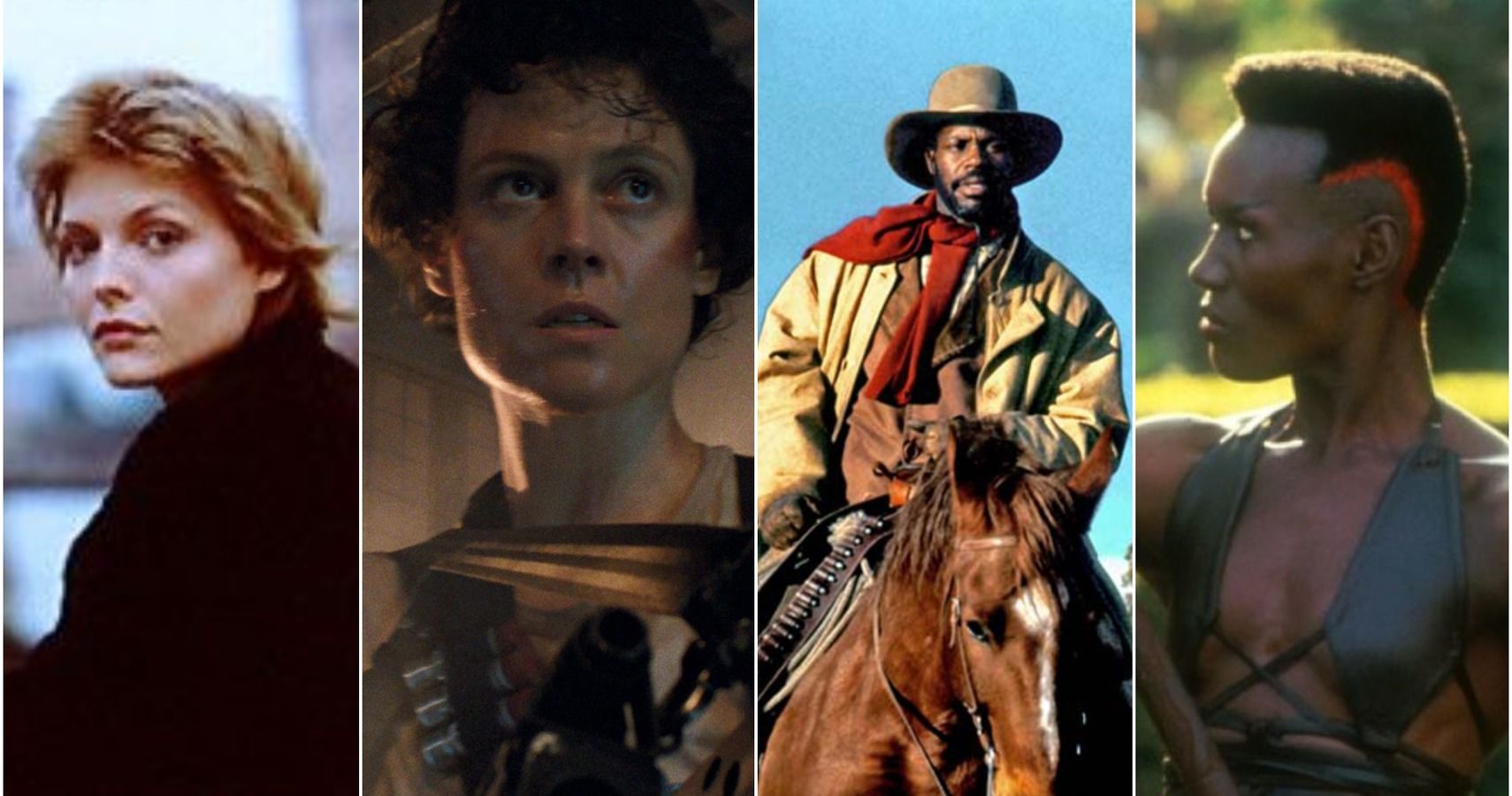
However, the decade also popularized the "everyman" hero archetype, most notably embodied by Bruce Willis in Die Hard (1988). John McClane bled, suffered, wore a dirty undershirt, and relied on wit alongside firepower, creating a relatable counterweight to the invincible commandos. Alongside these male leads, action cinema slowly began integrating formidable female characters, paving the way for Sigourney Weaver’s iconic portrayal of Ellen Ripley in Aliens (1986), which blended emotional depth with tactical competence.
Comparison of Primary Action Hero Archetypes of the 1980s
| Archetype | Defining Characteristics | Key Figures / Actors | Representative Films |
|---|---|---|---|
| The Unstoppable Commando | Imposing physical stature, heavy weaponry, unflappable stoicism, single-handedly defeats armies. | Arnold Schwarzenegger, Sylvester Stallone, Dolph Lundgren | Commando (1985), Rambo: First Blood Part II (1985) |
| The Vulnerable Everyman | Reluctant hero, sustains physical injuries, relies on improvisation, sharp wit under pressure. | Bruce Willis, Mel Gibson | Die Hard (1988), Lethal Weapon (1987) |
| The Martial Arts Specialist | Specialized hand-to-hand combat, honor codes, acrobatic or gritty street fighting choreography. | Jackie Chan, Jean-Claude Van Damme, Sho Kosugi | Police Story (1985), Bloodsport (1988) |
Technical Innovation and Practical Effects
Long before the ubiquitous digital green screens of the 21st century, 1980s action cinema was built entirely on physical reality and tangible danger. The artistry of the decade relied heavily on stunt coordinators, practical pyrotechnics, mechanical creature effects, and daring physical performances.
Stunts and Pyrotechnics
Stunt work in the 1980s was an intensely high-risk profession. Cascades of high falls, high-speed vehicle rollovers, and massive controlled explosions were executed on real city streets and practical sets. Special effects supervisors meticulously engineered squibs—small explosive charges hidden beneath clothing and set pieces—to simulate bullet impacts in real-time alongside live-fire weapon discharges loaded with blanks.
The Rise of Practical Creature and Prop Design
Master craftsmen like Stan Winston and Rob Bottin revolutionized visual monsters and cybernetic organisms using animatronics, latex, foam rubber, and stop-motion animation. Films such as The Terminator (1984) and Predator (1987) integrated physical costume design and robotic puppetry with optical compositing, creating a tactile weight and realism that CGI occasionally struggles to replicate.
Subgenres and Global Expansion
While Hollywood dominated global distribution, 1980s action cinema was a truly international phenomenon, characterized by distinct regional subgenres.
- Hong Kong Martial Arts and Gun Fu: Under the leadership of performers like Jackie Chan, Hong Kong cinema pushed physical comedy and martial arts choreography to dangerous, bone-breaking extremes. Simultaneously, director John Woo and actor Chow Yun-fat pioneered the "Heroic Bloodshed" subgenre with A Better Tomorrow (1986), blending stylish slow-motion gunfights with melodramatic themes of brotherhood and redemption.
- The Cannon Group Era: Independent producers Menahem Golan and Yoram Globus flooded the market with low-to-mid-budget action vehicles starring Jean-Claude Van Damme, Chuck Norris, and Charles Bronson. These films relied on straightforward plots, martial arts tournaments, and vigilante justice, defining the video-rental store boom.
- The Buddy Cop Dynamic: The pairing of mismatched law enforcement partners—often crossing racial or cultural lines—became a box office staple, popularized by 48 Hrs. (1982) and perfected by Lethal Weapon (1987). This formula injected comedic banter and psychological friction into traditional crime-fighting narratives.
Common Tropes, Narrative Structures, and Tropes
Despite variations in setting, 1980s action films generally followed predictable structural blueprints designed for maximum audience engagement.
- The Inciting Injustice: An innocent person is killed, a partner is murdered, or a government asset is stolen, giving the protagonist absolute moral justification for violent retaliation.
- The Montage of Preparation: Characters gear up, load weapons, sharpen blades, and train intensely, accompanied by driving synthesizer or electric guitar scores.
- The Climax Showdown: A final, isolated confrontation between the hero and the primary antagonist, usually transitioning from heavy artillery combat to an intimate, bare-knuckle fistfight.
While entertaining, this formula drew criticism for repetitive storytelling, superficial character development, and glorifying excessive vigilantism. However, these very elements created a shared cultural lexicon that transcended language barriers worldwide.
Cultural Impact and Legacy in Modern Media
The shockwaves of 1980s action cinema continue to reverberate through contemporary pop culture. Modern franchises such as the John Wick series explicitly draw inspiration from the gun-play styling of 1980s Hong Kong cinema and the physical commitment of practical stunt work. The retro-aesthetic, marked by neon lighting, synthesizer soundtracks, and practical effects, has experienced a massive resurgence in modern independent and studio filmmaking.
Furthermore, the iconic one-liners, bombastic sound designs, and larger-than-life character archetypes established during this decade formed the foundational building blocks of modern video game design, comic book adaptations, and streaming action thrillers.
Frequently Asked Questions
What defined the visual style of 1980s action movies?
The visual style relied heavily on anamorphic lenses, high-contrast lighting with neon hues, extensive practical pyrotechnics, and gritty on-location shooting. Directors favored wide shots for stunts to prove the physical reality of the danger, complemented by driving electronic or orchestral scores composed by artists like Harold Faltermeyer and Alan Silvestri.
How did home video impact the success of 1980s action films?
The widespread adoption of the VHS format in the 1980s created an entirely new revenue stream for action studios. Action films thrived on home video because their high-energy pacing, visual spectacle, and memorable fight scenes made them ideal for repeated casual viewing and rental-store discovery, rescuing many mid-budget films that underperformed theatrically.
Who were the definitive directors of 1980s action cinema?
Key visionary directors included James Cameron (The Terminator, Aliens), John Carpenter (Escape from New York), John McTiernan (Predator, Die Hard), Paul Verhoeven (RoboCop), and George Miller (Mad Max 2: The Road Warrior). These filmmakers combined technical mastery with sharp pacing to elevate exploitation-style premises into enduring cinematic art.
Why are practical effects in 1980s action films still praised today?
Practical effects possess physical weight, real interaction with lighting, and spatial presence that actors can physically react to. Because stunts, explosions, and monster suits existed in front of the camera, they captured genuine environmental physics that traditional early digital effects often lacked.
Next Actions and Exploration
To further appreciate 1980s action cinema, consider organizing a chronological viewing marathon starting with foundational transitional films like Mad Max 2 (1981) and moving through studio milestones like Terminator 2: Judgment Day (1991), which bridged the practical era with the dawn of CGI. Researching behind-the-scenes documentaries on stunt coordination and practical creature creation will also offer a deeper technical respect for the physical dangers endured by filmmakers of this era.