The year 1980 marked a dramatic turning point in cinematic history, bridging the gritty, auteur-driven filmmaking of the 1970s with the high-concept, blockbuster-dominated studio era of the 1980s. This transitional twelve-month period delivered landmark science fiction, foundational horror masterpieces, gritty crime dramas, and massive commercial hits that redefined how Hollywood produced, marketed, and consumed motion pictures.
The Industrial Shift: Blockbusters, Indies, and Studio Economics
To understand the films released in 1980, one must examine the shifting financial and creative landscape of Hollywood at the dawn of the decade. The late 1970s had rewritten the rules of box office economics. Films like Jaws (1975) and Star Wars (1977) proved that studios could secure immense profits through wide releases, saturation marketing, and high-margin merchandising.
By 1980, major studios were heavily restructuring to replicate this blockbuster formula, yet many of the projects greenlit during the more permissive, director-driven era of the 1970s were still making their way to the screen. This created a fascinating tension. On one side stood expensive studio productions burdened by massive expectations; on the other stood independent features, low-budget genre experiments, and uncompromising personal visions from directors who still held significant creative control.
Furthermore, the industry was grappling with rising production costs, inflation, and the lingering economic stagnation of the late 1970s. Studios began relying more heavily on pre-sold audience segments, recognizable intellectual property, and high-concept premises that could be easily explained in a thirty-second television commercial. The way films were distributed also underwent a quiet revolution, as the home video market—fueled by Betamax and the emerging VHS format—began to hint at an entirely new secondary revenue stream that would permanently alter studio balance sheets.
Defining Masterpieces and Genre Milestones of 1980
The films of 1980 did not merely entertain audiences; they established enduring tropes, pushed technical boundaries, and tested the limits of censorship and audience endurance. Several key releases from this year continue to dominate film criticism, academic study, and pop culture.
Science Fiction and Fantasy Expansion
Following the cosmic gold rush ignited by Star Wars, science fiction in 1980 matured both in narrative scope and technical execution.
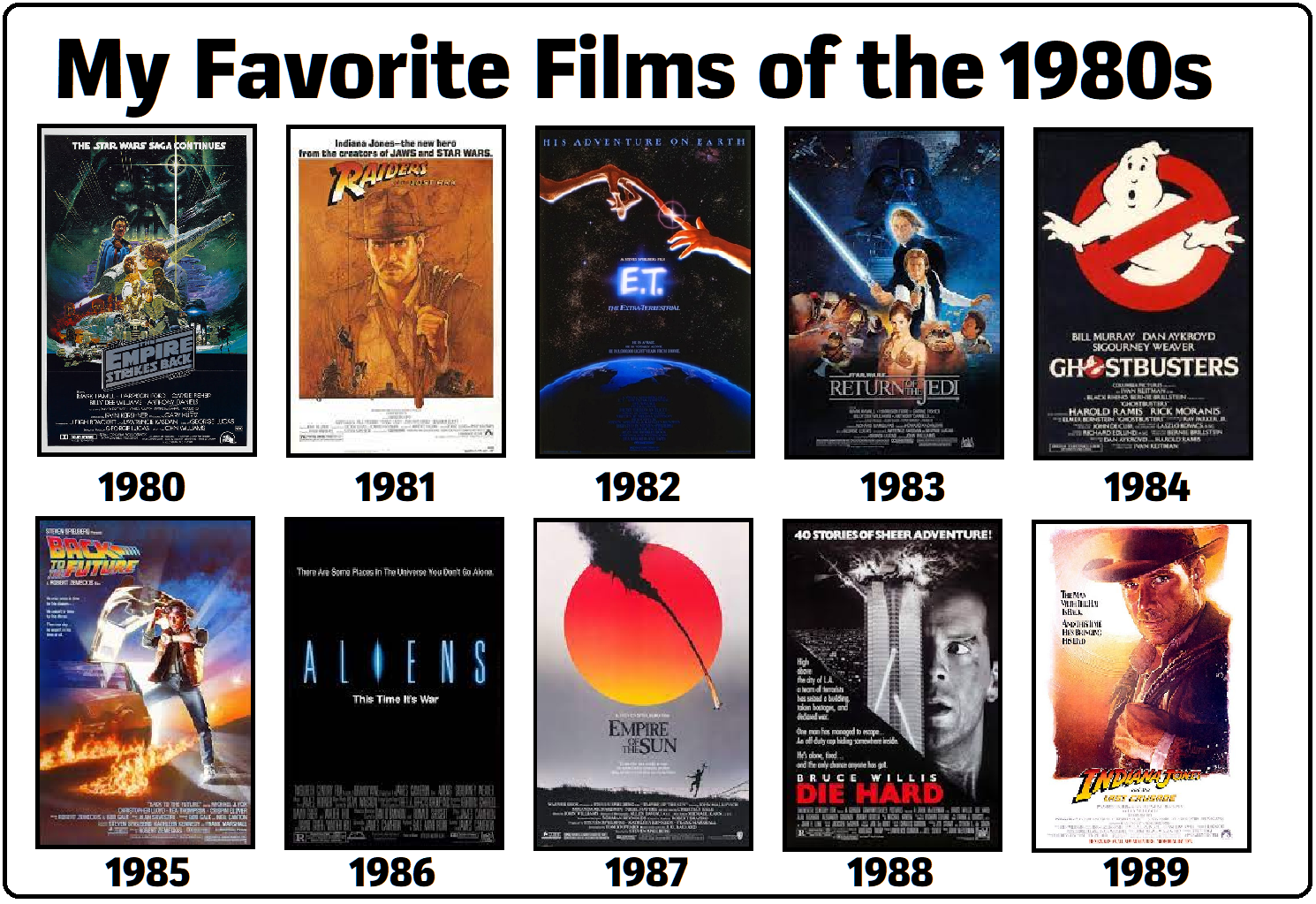
- The Empire Strikes Back: Released in May 1980 and directed by Irvin Kershner, this middle chapter of the original Star Wars trilogy subverted expectations by embracing a darker, more ambiguous tone. Eschewing a neat, triumphant conclusion, it introduced profound character conflict, expanded the mythos of the Force, and established a benchmark for modern blockbuster sequels.
- Flash Gordon: Serving as a colorful, camp counterweight to gritty space operas, this Dino De Laurentiis production embraced high-camp art direction, a legendary rock score by Queen, and vibrant comic-book aesthetics that celebrated pure cinematic escapism.
The Evolution of Modern Horror
Horror cinema in 1980 broke away from traditional Gothic tropes and supernatural conventions, opting instead for psychological terror, visceral body horror, and stark realism.
- The Shining: Stanley Kubrick’s adaptation of Stephen King’s novel arrived in the summer of 1980. Utilizing the revolutionary Steadicam rig to glide through the labyrinthine corridors of the Overlook Hotel, Kubrick crafted a glacial, deeply unsettling study of isolation, domestic abuse, and madness. Though initially polarizing to audiences expecting conventional jump scares, it stands as one of the most rigorously analyzed horror films ever made.
- The Changeling: Directed by Peter Medak and starring George C. Scott, this supernatural thriller relied on atmospheric dread, grief, and historical mystery rather than graphic violence, setting a high standard for ghost stories.
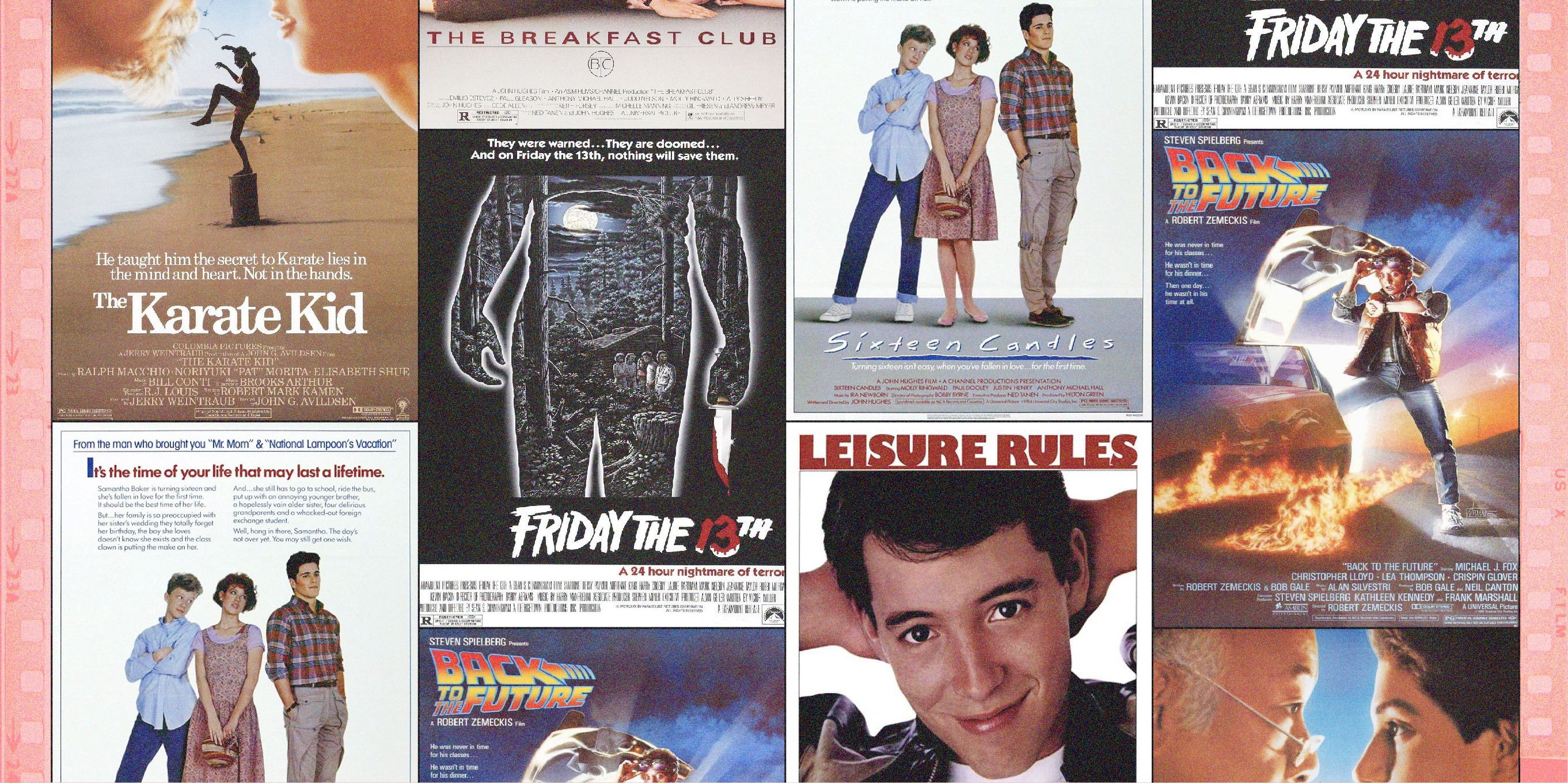
- Friday the 13th: On the opposite end of the stylistic spectrum, Sean S. Cunningham’s low-budget slasher film capitalized on the formula established by Halloween (1978). Driven by Tom Savini’s groundbreaking prosthetic gore effects and a relentless suspense structure, it spawned an enduring pop-culture franchise and cemented the commercial viability of independent horror.
Drama, Auteur Visions, and Prestige Cinema
Mainstream dramatic cinema in 1980 demonstrated that Hollywood could still deliver deeply empathetic, socially critical, and artistically daring narratives.
- Raging Bull: Martin Scorsese’s black-and-white biographical drama chronicling the self-destruction of middleweight boxing champion Jake LaMotta (portrayed in an intensely physical, Oscar-winning performance by Robert De Niro) remains a pinnacle of American art cinema. Its expressionistic fight choreography and harrowing depiction of domestic toxicity defined gritty 1980s drama.
- The Elephant Man: Directed by David Lynch, this biographical drama proved that avant-garde sensibilities could find a home within major studio infrastructure (produced via Mel Brooks's Brooksfilms). Shot in striking monochrome, it balanced Victorian melodrama with profound humanism, earning critical acclaim and widespread commercial success.
- Ordinary People: Robert Redford’s directorial debut explored the quiet devastation of an upper-middle-class suburban family recovering from a boating tragedy. Winning the Academy Award for Best Picture, the film bypassed cinematic melodrama in favor of raw, naturalistic performances by Donald Sutherland, Mary Tyler Moore, and Timothy Hutton.
Comparative Overview of Major 1980 Releases
To understand the sheer diversity of the cinematic marketplace in 1980, the following table compares several defining films across genre, box office performance, and historical legacy:
| Film Title | Primary Genre | Key Director | Box Office Status | Historical & Cultural Legacy |
|---|---|---|---|---|
| The Empire Strikes Back | Science Fiction | Irvin Kershner | Massive Global Blockbuster | Widely considered one of the greatest sequels ever made; defined modern franchise storytelling. |
| The Shining | Psychological Horror | Stanley Kubrick | Strong Commercial Return | Masterclass in atmospheric dread and cinematic framing; heavily influential on subsequent horror directors. |
| Raging Bull | Biographical Drama | Martin Scorsese | Modest Box Office | Universally acclaimed by critics; frequently cited as one of the finest films of the 20th century. |
| Airplane! | Comedy | Zucker, Abrets, Zucker | Major Box Office Hit | Revitalized the parody genre, establishing a rapid-fire gag style that influenced comedy for decades. |
| The Blue Lagoon | Romantic Drama | Randal Kleiser | Major Commercial Success | Sparked widespread cultural debate regarding youth, sexuality, and censorship upon release. |
The Commercial Hitmakers and Comedy Revolutions
While prestige dramas and dark psychological thrillers captured critical attention, 1980 was equally defined by films designed to make mass audiences laugh and cheer. The commercial sector proved that lighthearted entertainment could dominate the box office just as effectively as high-minded auteur projects.
- Airplane!: Co-directed by Jim Abrahams, David Zucker, and Jerry Zucker, this disaster-movie spoof relied on rapid-fire visual gags, deadpan delivery, and relentless punning. It proved that low-budget comedies could out-earn expensive epics while entirely revitalizing a moribund genre.
- The Blues Brothers: Directed by John Landis and starring John Belushi and Dan Aykroyd, this action-comedy hybrid combined rhythm and blues royalty (such as Aretha Franklin and James Brown) with catastrophic car chases and sprawling set pieces. It stands as an early indicator of how Saturday Night Live cast members could transition into bankable cinematic stars.
- 9 to 5: A workplace comedy starring Jane Fonda, Lily Tomlin, and Dolly Parton, this film cleverly blended broad humor with sharp social commentary regarding corporate sexism and workplace inequality, resonating powerfully with contemporary working audiences and ranking as one of the year's highest-grossing films.
Critical Reception and Cultural Impact
The critical ecosystem of 1980 was populated by influential voices such as Pauline Kael, Roger Ebert, and Vincent Canby. Their reviews in publications like The New Yorker, the Chicago Sun-Times, and The New York Times held immense sway over whether ambitious films found an immediate audience or suffered at the box office.
Interestingly, many films that are now regarded as timeless masterpieces received mixed or outright hostile reviews upon their initial 1980 theatrical runs. The Shining was criticized by some contemporary reviewers for its coldness and distance from Stephen King's source material, while Michael Cimino's infamous western epic Heaven's Gate was savaged by critics and audiences alike.
Heaven’s Gate represents a crucial historical pivot point for the industry. Its staggering financial failure and troubled production history effectively brought an end to the "New Hollywood" era of unchecked auteur control, signaling to major studio executives that directors would no longer be given absolute autonomy over massive budgets. This shift paved the way for the studio-controlled, high-concept blockbuster ecosystem that dominated the remainder of the decade.
Frequently Asked Questions
What was the highest-grossing film of 1980?
The Empire Strikes Back was the highest-grossing film released in 1980, earning over $500 million globally during its initial theatrical run and subsequent re-releases. Its massive financial success solidified the commercial viability of franchise filmmaking and complex sequel narratives.
Which film won the Academy Award for Best Picture for 1980 releases?
Ordinary People, directed by Robert Redford, won the Academy Award for Best Picture at the 53rd Academy Awards held in early 1981. It competed against notable nominees including Raging Bull, The Elephant Man, Tess, and Coal Miner's Daughter.
How did the box office failure of Heaven's Gate change Hollywood?
Directed by Michael Cimino, Heaven's Gate suffered from massive cost overruns and poor box office returns. Its failure caused United Artists to suffer catastrophic financial losses, leading to the studio's acquisition by MGM. This event curtailed the artistic freedom granted to young directors during the 1970s and ushered in tighter studio oversight.
Were there any notable horror films released in 1980 besides The Shining?
Yes, 1980 was a remarkably strong year for horror. Beyond Stanley Kubrick's masterwork, the year saw the release of Sean S. Cunningham’s Friday the 13th, Peter Medak’s The Changeling, William Lustig’s Maniac, and John Carpenter’s The Fog. These films collectively demonstrated the growing commercial appetite for genre-specific thrills.
Practical Perspectives for Film Historians and Collectors
For modern researchers, cinephiles, and media collectors, studying the cinema of 1980 requires navigating a mix of original theatrical cuts, home video restorations, and archival literature. When exploring films from this era, keep the following approaches in mind:
- Examine Original Formats: Many films from 1980 were composed for specific theatrical aspect ratios (such as 1.85:1 or 2.35:1). When viewing these works on home media, ensure you are watching properly framed transfers rather than archaic "pan-and-scan" television cuts.
- Consult Contemporary Reviews: To fully appreciate the cultural context, read reviews written at the moment of release alongside modern reassessments. This highlights how critical standards and audience expectations have evolved over the decades.
- Investigate Production Histories: Documentaries and books detailing the troubled productions of films like The Shining or Heaven's Gate offer invaluable lessons in studio economics, executive interference, and the realities of film financing.
By examining the tension between artistic ambition and commercial imperatives, the cinema of 1980 remains an essential study in how art and industry continually reshape one another.