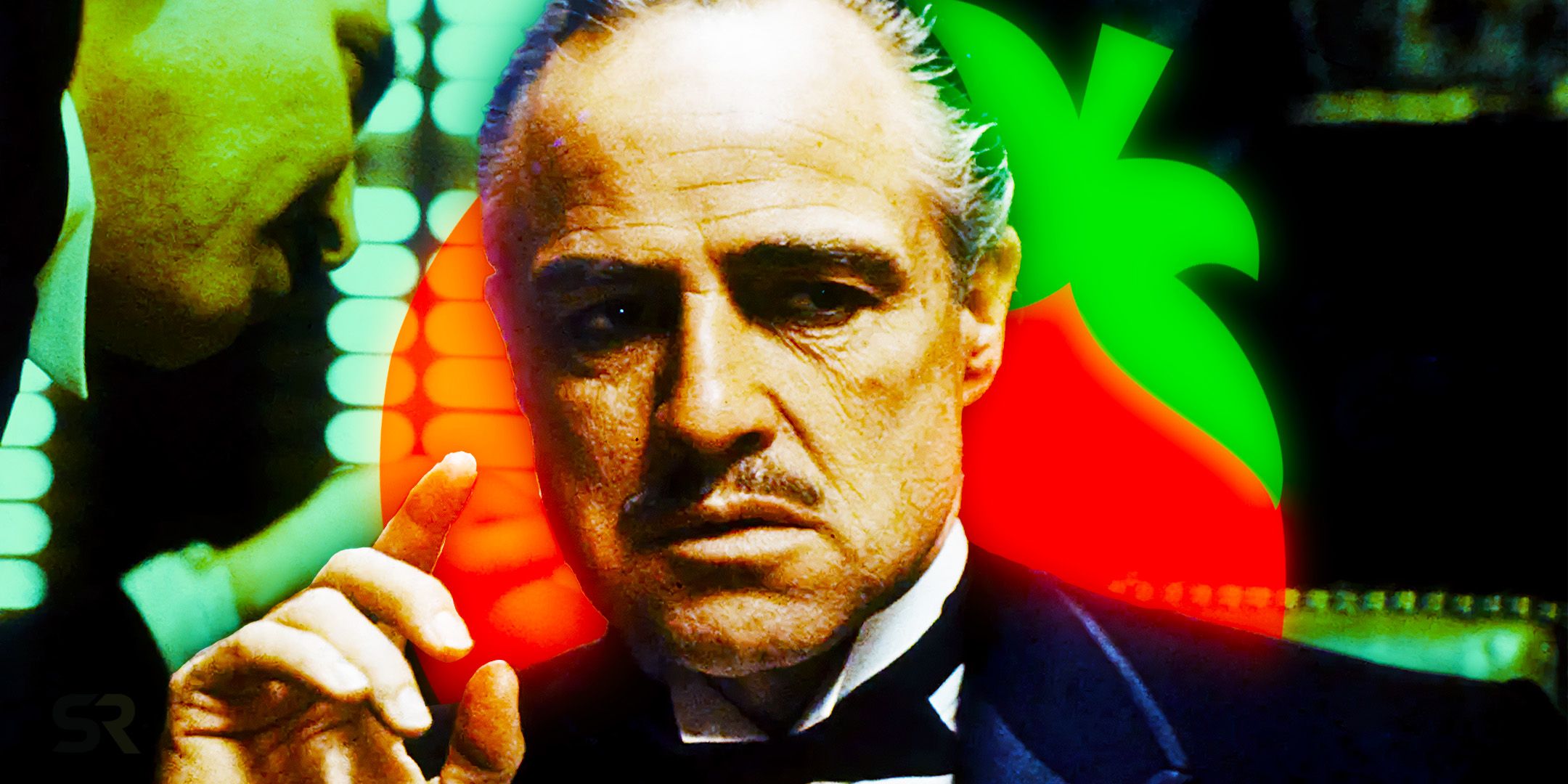
Marlon Brando died from respiratory failure on July 1, 2004, at the age of 80, while being treated at the UCLA Medical Center in Los Angeles. His passing was the culmination of a long decline brought on by a combination of severe medical conditions, including pulmonary fibrosis, congestive heart failure, and diabetes-related complications.
The Passing of a Cinematic Titan
When Marlon Brando passed away in the summer of 2004, the cinematic landscape lost one of its most transformative and influential actors. Known for reinventing screen acting through his raw, naturalistic style in films like A Streetcar Named Desire, On the Waterfront, and The Godfather, Brando spent his final decades largely away from the public eye.
As he aged, his health deteriorated significantly. Public curiosity and media reports often focused on his dramatic weight fluctuations and eccentric lifestyle, but behind closed doors, a cascade of chronic, debilitating illnesses was taking a heavy toll on his body. Understanding what Marlon Brando died from requires examining not just the immediate cause of his death—respiratory failure—but also the complex medical history that led to it.
Immediate Cause of Death: Respiratory Failure
The direct cause of Marlon Brando's death was respiratory failure. In medical terms, respiratory failure occurs when the respiratory system fails to properly oxygenate the blood or remove carbon dioxide from the body. This can happen suddenly, but in Brando's case, it was the terminal stage of chronic lung damage that had severely compromised his breathing capacity over a period of years.
By the time he was admitted to the UCLA Medical Center in Los Angeles shortly before his death, his lungs could no longer sustain adequate gas exchange. Despite the intervention of medical professionals and the use of life-support equipment, his body was too frail to recover. Respiratory failure in elderly patients with advanced pulmonary disease is frequently the final pathway when multiple organ systems begin to fail under the strain of oxygen deprivation.
Underlying Chronic Health Conditions
Brando’s fatal respiratory event did not happen in a vacuum. It was the result of decades of cumulative health struggles, aggravated by lifestyle factors, aging, and chronic diseases that severely weakened his constitution.
Pulmonary Fibrosis
The primary driver of Brando's respiratory decline was pulmonary fibrosis, a progressive and irreversible lung disease characterized by the scarring of lung tissue. As the lung tissue becomes thick and stiff, it makes breathing increasingly difficult and prevents oxygen from efficiently passing into the bloodstream.
While pulmonary fibrosis can sometimes be linked to occupational hazards, autoimmune disorders, or specific medications, in many cases, the exact cause remains unknown. For Brando, the disease progressively robbed him of his stamina and breath, turning everyday activities into monumental physical challenges and eventually requiring supplemental oxygen administration at home.
Congestive Heart Failure
Compounding his respiratory issues, Brando suffered from congestive heart failure (CHF). This chronic condition occurs when the heart muscle is unable to pump blood efficiently enough to meet the body's needs. When the heart fails to pump effectively, blood can back up into the lungs, causing pulmonary edema—an accumulation of fluid in the air sacs that worsens breathing difficulties.
The interplay between pulmonary fibrosis and congestive heart failure created a dangerous feedback loop: his failing lungs forced his heart to work harder to supply oxygenated blood, while his weakened heart exacerbated the fluid accumulation and respiratory distress in his lungs.
Type 2 Diabetes and Obesity
Brando’s health was further complicated by long-standing Type 2 diabetes and significant obesity. Diabetes impacts nearly every organ system in the body, increasing the risk of cardiovascular disease, kidney damage, and nerve complications. His weight struggles, famously documented by the media throughout his later years, placed an immense burden on both his cardiovascular and respiratory systems. Excess body weight restricts the expansion of the chest cavity, making the work of breathing even harder for someone already suffering from pulmonary fibrosis.
Overview of Brando’s Final Medical Profile
| Medical Condition | Primary Impact on Brando's Health | Relationship to Cause of Death |
|---|---|---|
| Respiratory Failure | Inability to maintain adequate oxygen and carbon dioxide exchange | Immediate cause of death |
| Pulmonary Fibrosis | Progressive scarring and stiffening of lung tissue | Primary underlying cause of respiratory decline |
| Congestive Heart Failure | Inefficient heart pumping leading to fluid buildup | Worsened systemic fatigue and pulmonary distress |
| Type 2 Diabetes & Obesity | Systemic metabolic strain and restricted chest wall expansion | Contributed to overall physical decline and organ stress |
The Final Years: Isolation and Medical Management
During the last decade of his life, Brando lived in relative seclusion in a modest home in Los Angeles, estranged from many of his Hollywood peers and dealing with profound personal tragedies, including the turbulent lives and deaths of his children.
As his medical needs grew, his home resembled a mini-hospital. He was cared for by a rotating staff of nurses and medical assistants who monitored his vital signs, managed his complex medication schedules, and administered oxygen therapy. Despite the privacy he sought, reports frequently leaked about his declining health, noting that he was tethered to oxygen tanks and rarely left his residence.
By June 2004, his condition reached a critical threshold. When his breathing became severely labored and his vital signs destabilized, emergency personnel transported him to UCLA Medical Center. He remained hospitalized until his death on July 1, 2004, surrounded by close friends and legal representatives who honored his wishes for a private, understated departure from the world.
Frequently Asked Questions
What was the official cause of Marlon Brando's death?
Marlon Brando officially died from respiratory failure. This was precipitated by advanced pulmonary fibrosis, congestive heart failure, and complications related to diabetes and obesity.
How old was Marlon Brando when he died?
Marlon Brando was 80 years old when he passed away on July 1, 2004. He was born on April 3, 1924.
Where did Marlon Brando pass away?
Brando died at the UCLA Medical Center in Los Angeles, California, after being admitted following a sharp decline in his respiratory health at home.
Did Marlon Brando have lung cancer?
No, public records and official statements from his representatives did not indicate that Brando had lung cancer. His primary respiratory disease was pulmonary fibrosis, a chronic scarring condition distinct from malignancy.
What happened to Marlon Brando’s estate after his death?
Brando left behind a complex estate and a detailed will that named a board of trustees to manage his assets, intellectual property, and image rights, providing for his surviving children and designating provisions for his privacy.
Next Steps and Further Exploration
For those interested in exploring the life and legacy of Marlon Brando beyond his final days, examining his transition from a groundbreaking stage actor to a reluctant cinematic icon provides valuable context. Biographies such as Brando: Songs My Mother Taught Me (his autobiography) and Gary Carey’s The Real Life Can Be Fatal offer deeper dives into the personal triumphs and tragedies that shaped one of the 20th century's most complex artists.