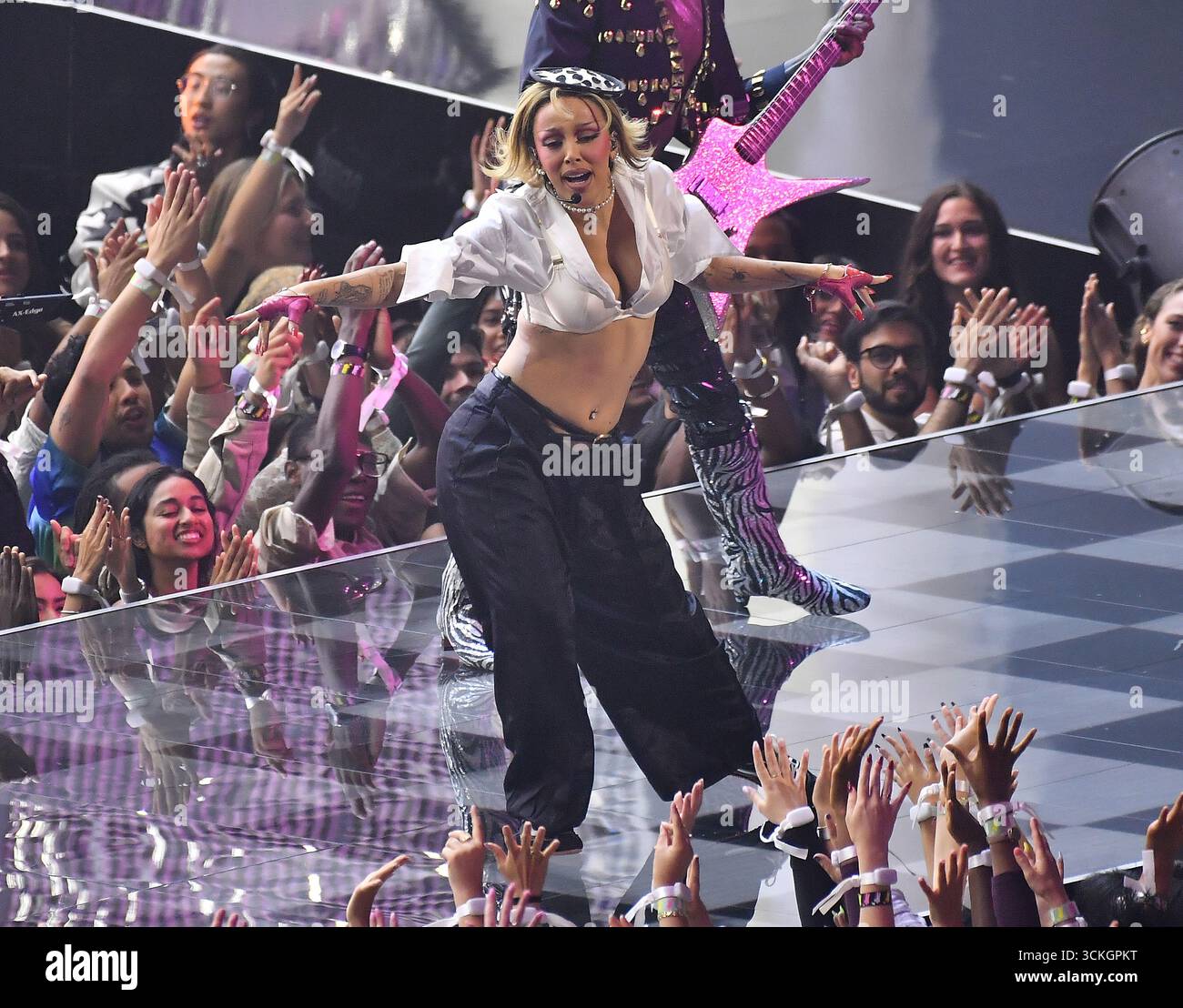
Doja Cat is primarily known for her seamless blending of rap and pop genres, viral TikTok dance challenges, boundary-pushing fashion statements, and her critically acclaimed pivot away from traditional pop-rap toward experimental hip-hop and R&B.
Introduction to Doja Cat’s Artistic Identity
Amala Ratna Zandile Dlamini, globally recognized as Doja Cat, has established herself as one of the most unpredictable and versatile figures in contemporary popular culture. Navigating the delicate balance between commercial pop success and raw, unfiltered hip-hop artistry, she has redefined what it means to be a modern superstar. Over her career, she has transitioned from a quirky internet-born sensation into a dominant force in the global music industry.
Understanding her distinct cultural footprint requires examining the multifaceted elements of her career: her genre-defying musical evolution, her mastery of viral digital culture, her provocative visual storytelling, and her high-profile fashion transformations. This analysis explores the core pillars of her enduring impact and the specific attributes that define her public profile.
Musical Versatility and Genre Fluidity
At the center of Doja Cat’s widespread recognition is her remarkable ability to shift between musical styles. Unlike many artists who remain confined to a single genre, she moves fluidly between melodic pop hooks, rapid-fire rap verses, psychedelic soul, and heavy 1990s-style boom-bap beats.
From Pop-Rap Stardom to Experimental Hip-Hop
Her early breakout success relied heavily on infectious, pop-infused rap tracks that dominated mainstream radio and streaming playlists. Songs like "Say So" and "Juicy" showcased her gift for crafting catchy, radio-friendly hooks paired with playful, witty verses. However, her artistic direction shifted significantly with subsequent album cycles, most notably on her critically praised release Scarlet.
On Scarlet, she leaned heavily into traditional hip-hop production, sharp lyricism, and confrontational themes. This pivot demonstrated her technical proficiency as an MC, silencing critics who previously categorized her strictly as a pop novelty. Her willingness to alienate casual pop listeners in pursuit of authentic rap credibility became a defining characteristic of her career progression.
| Album / Era | Primary Genre Focus | Notable Tracks | Key Cultural Impact |
|---|---|---|---|
| Amala (2018) | R&B, Neo-Soul, Pop-Rap | "Go To Town", "Mooo!" | Established her quirky internet presence and underground appeal. |
| Hot Pink (2019) | Pop, Funk, Disco-Rap | "Say So", "Streets" | Propelled her to global superstardom and spawned viral TikTok trends. |
| Planet Her (2021) | Afrobeats-infused Pop, R&B | "Kiss Me More", "Need to Know" | Solidified her as a streaming powerhouse with multi-platinum hits. |
| Scarlet (2023) | Hardcore Hip-Hop, Trap | "Paint the Town Red", "Agora Hills" | Proved her lyrical capabilities and marked a deliberate departure from pure pop. |
Digital Savvy and Viral Cultural Moments
Doja Cat's rise to fame is inextricably linked to the rise of modern social media platforms, particularly TikTok and X (formerly Twitter). Long before her mainstream chart dominance, she demonstrated an innate understanding of internet culture. Her viral novelty track "Mooo!" in 2018 proved her ability to turn absurdist humor into viral gold, utilizing homemade green-screen effects and catchy, self-deprecating lyrics.
The TikTok Effect on Music Consumption
Her music is engineered for—or organically adopted by—short-form video platforms. Choreographed dances by users on TikTok turned tracks like "Say So" into global phenomenons, driving them to the top of the Billboard Hot 100. Rather than fighting the memeification of her art, Doja Cat embraced it, interacting directly with fans, addressing online trolls with biting humor, and frequently updating her followers through unvarnished social media livestreams. This accessibility built a fiercely loyal fan base that closely follows her every move.
Boundary-Pushing Fashion and Visual Artistry
Beyond her audio output, Doja Cat is globally celebrated for her high-concept visual identity and avant-garde fashion choices. She treats red carpets and public appearances as performance art, frequently challenging traditional standards of celebrity beauty and red-carpet glamour.
Iconic Red Carpet Moments
Her stylistic choices often spark intense online debate and media analysis. Notable instances include:
- The Schiaparelli Cat Prosthetic Look: At Paris Fashion Week, she covered her body in 30,000 hand-applied Swarovski crystals alongside intricate facial prosthetics to resemble a feline creature.
- Deconstructed and Grunge Aesthetics: Moving away from standard glamorous gowns, she has embraced dramatic bleached eyebrows, faux tattoos, prosthetics, and gothic-punk ensembles that align with her musical shift toward darker, more aggressive hip-hop themes.
This commitment to visual storytelling extends into her music videos, where she frequently collaborates with visionary directors to create cinematic, surreal, and occasionally horror-inspired imagery.
Controversies and Direct Public Persona
A significant portion of Doja Cat's public notoriety stems from her unfiltered, often combative relationship with the internet and her fanbase. Unlike traditional pop stars who maintain a carefully curated, agreeable public image, Doja Cat frequently leans into confrontation.
She has engaged in public disputes with followers over parasocial fan culture, famously critiquing fans who used parasocial nicknames for themselves and encouraging them to step away from social media. While these interactions occasionally draw criticism for perceived hostility, they also reinforce her brand as an autonomous artist who refuses to pander to standard industry expectations. This authenticity—whether abrasive or endearing—keeps her constantly in the cultural conversation.
Frequently Asked Questions
What was Doja Cat's first major viral hit?
Her first major viral moment came with the self-released track "Mooo!" in 2018, which gained massive traction through humorous imagery and social media sharing. However, her first global chart-topping hit was "Say So" from her 2019 album Hot Pink, which achieved widespread mainstream success following a viral TikTok dance challenge.
Why did Doja Cat shift from pop music to rap?
Doja Cat has frequently expressed a lifelong passion for hip-hop and a desire to challenge herself artistically. While her early pop albums achieved immense commercial success, she sought to prove her technical skills as a rapper and distance herself from the constraints of being labeled exclusively as a commercial pop act, culminating in her rap-focused album Scarlet.
How does Doja Cat use social media differently than other artists?
Unlike many mainstream celebrities who rely on public relations teams to manage their online presence, Doja Cat frequently posts candid, unedited thoughts, interacts directly and sarcastically with trolls, and occasionally deletes her accounts entirely. This unpredictable engagement style creates a sense of direct, unfiltered access for her audience.
Is Doja Cat trained in classical music or dance?
While she has not emphasized formal classical training, she has a background in dance, having studied modern dance and ballet during her childhood in California. This early physical training heavily influences the intricate choreography featured in her live performances and music videos.
Practical Next Actions and Further Exploration
For those looking to understand Doja Cat's artistic evolution comprehensively, the most effective approach is chronological listening paired with visual analysis.
- Start with her visual catalog: Watch the music videos for "Say So," "Planet Her" singles, and "Paint the Town Red" back-to-back to observe her stylistic transformation.
- Examine the lyrical shift: Compare the melodic, vocal-heavy production of Hot Pink with the sharp, rhythmic cadence of Scarlet.
- Follow primary sources: Keep up with her verified official social media channels to witness how she directly manages her public narrative in real-time, bypassing traditional media filters.