Eating moldy rice can lead to food poisoning, gastrointestinal distress, and in severe cases, acute mycotoxin poisoning or long-term health complications due to toxins like Bacillus cereus spores and fungal metabolites. While swallowing a single bite might only cause mild nausea for some individuals, consuming large amounts of heavily contaminated rice or ingesting it as an immune-compromised person can require urgent medical intervention.
Understanding the Risks of Moldy Rice
Rice is a staple food around the world, prized for its versatility, affordability, and nutritional value. However, its chemical composition—high in moisture, starch, and carbohydrates—makes it an ideal breeding ground for microorganisms once it has been cooked and left at room temperature. When rice sits in the "danger zone" (temperatures between 40°F and 140°F or 4°C and 60°C), bacteria and fungal spores multiply rapidly.
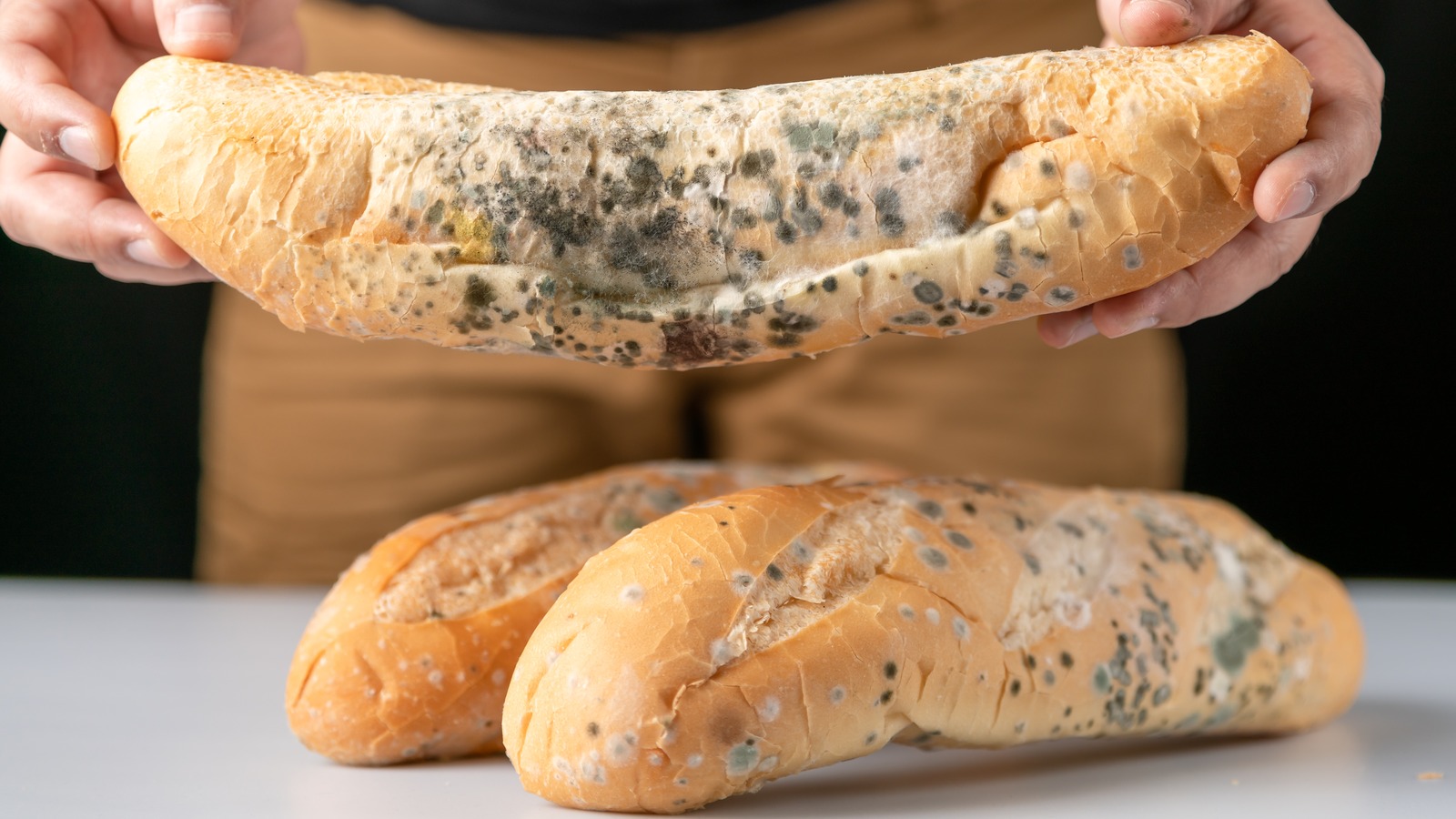
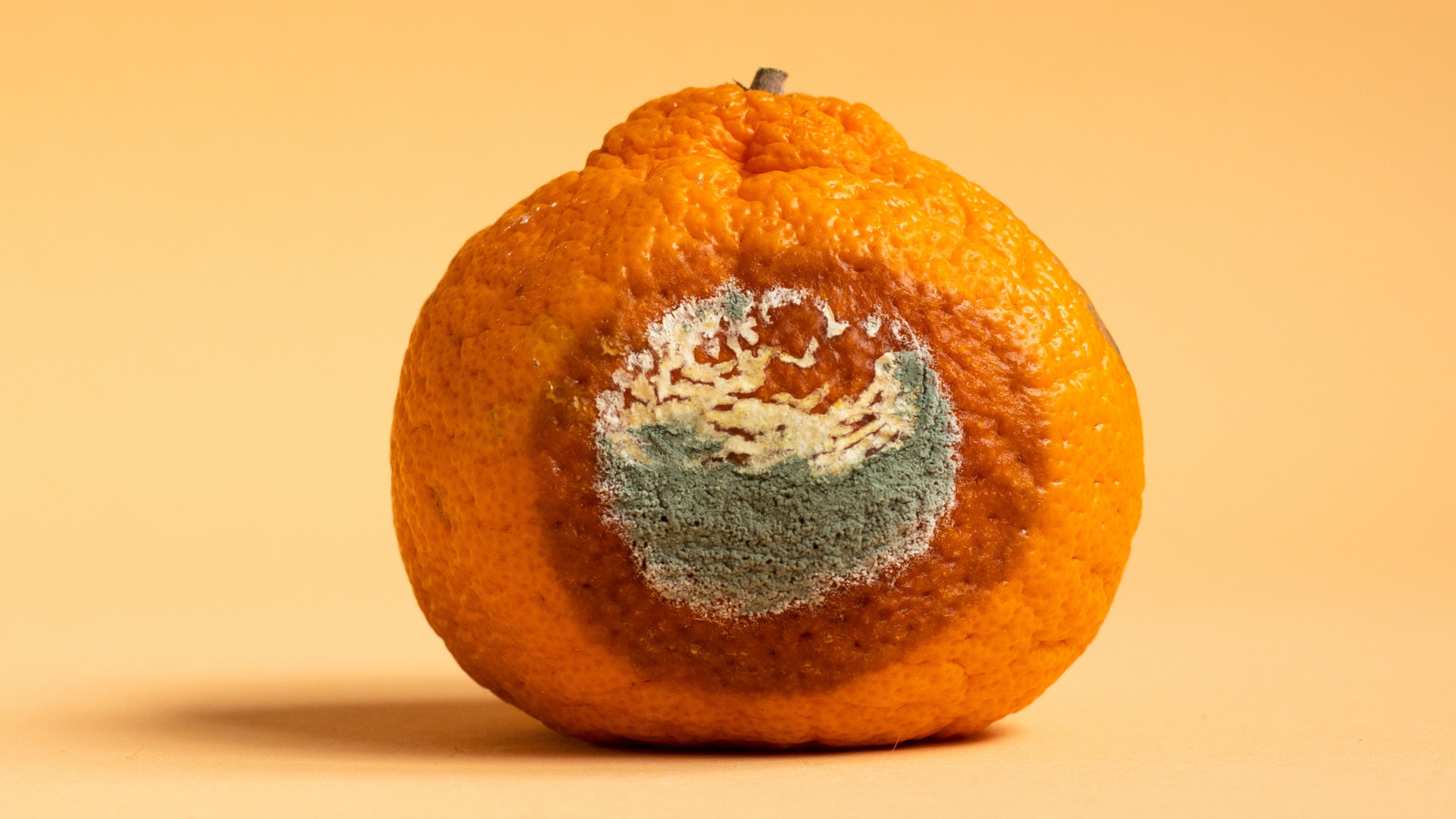
When you discover mold on your rice, the visible fuzz or discoloration is only part of the problem. Fungi send out microscopic root-like structures called hyphae deep into the food matrix, meaning the entire portion is usually compromised, even if you only scrape off the top layer. Furthermore, mold growth often coincides with dangerous bacterial proliferation that cannot be seen with the naked eye. Evaluating what happens when you ingest contaminated rice requires looking at both bacterial pathogens and fungal mycotoxins.
The Culprits: Bacteria vs. Fungi in Spoiled Rice
When people notice spoilage, they often focus exclusively on the fuzzy mold spots. However, the most immediate danger in leftover rice frequently comes from bacteria, specifically Bacillus cereus.
Bacillus cereus and Rice Syndrome
Bacillus cereus is a spore-forming bacterium commonly found in raw rice grains. While cooking kills active bacteria, it often leaves behind hardy spores. If the cooked rice is cooled slowly or left out on a counter, these spores germinate and multiply. As they grow, they produce toxins that cause two distinct types of illness:
- The Emetic (Vomiting) Syndrome: Caused by cereulide, a heat-stable toxin produced while the bacteria grow in the food. Reheating the rice will kill the bacteria, but it will not destroy this toxin, meaning microwaving spoiled rice does not make it safe. This syndrome causes rapid-onset nausea and vomiting, usually within 1 to 5 hours of consumption.
- The Diarrheal Syndrome: Caused by different enterotoxins produced in the small intestine after eating contaminated food. This results in abdominal cramps and watery diarrhea starting 8 to 16 hours after ingestion.
Fungal Molds and Mycotoxins
Various molds belonging to the Aspergillus, Penicillium, and Fusarium genera can colonize stored dry grains or cooked rice. When these molds thrive, they can produce toxic secondary metabolites known as mycotoxins.
- Aflatoxins: Produced primarily by Aspergillus species, these are potent carcinogens that can cause acute liver damage with heavy exposure and increase the risk of liver cancer over time.
- Ochratoxin A: Another common grain mold metabolite that can affect kidney function.
Unlike bacteria, which cause foodborne illness through infection or intoxication over hours or days, mycotoxins can present both acute toxicity and chronic accumulation risks depending on the dose and frequency of exposure.
Immediate Symptoms of Eating Moldy Rice
If you have accidentally consumed moldy rice, your body will typically react within a few hours to a day. The severity of symptoms depends on the amount ingested, the specific type of mold or accompanying bacteria, and your individual immune status.
- Nausea and Vomiting: Often the earliest signs of both Bacillus cereus toxin ingestion and acute fungal irritation.
- Abdominal Cramping and Pain: Spasms in the gut as the digestive tract attempts to expel the irritants.
- Diarrhea: Frequent, watery stools as the body flushes out pathogens.
- Headache and General Malaise: Systemic reactions to toxins circulating in the bloodstream.
- Allergic Reactions: Individuals with mold allergies may experience respiratory symptoms, wheezing, watery eyes, or skin rashes even from minor ingestion or inhalation of mold spores.
| Symptom Type | Typical Onset Time | Primary Cause | Common Manifestations |
|---|---|---|---|
| Emetic (Vomiting) | 1 to 5 hours | Bacillus cereus cereulide toxin | Sudden nausea, violent vomiting, cramps |
| Diarrheal | 8 to 16 hours | Bacillus cereus enterotoxins | Abdominal pain, watery diarrhea |
| Allergic/Respiratory | Minutes to hours | Mold spores / Mycotoxins | Sneezing, throat irritation, hives |
| Severe Mycotoxicosis | Varies (Hours to Days) | High concentrations of aflatoxins | Severe gastrointestinal distress, jaundice, fever |
High-Risk Populations
While a healthy adult with a robust immune system might recover from mild food poisoning within 24 to 48 hours without medical intervention, certain populations face significantly higher risks when consuming spoiled or moldy foods:
- Pregnant Individuals: Foodborne illnesses can lead to severe dehydration and, in some cases, cross the placenta to harm the developing fetus.
- Young Children and Infants: Their immune systems and digestive tracts are still developing, and smaller body weights mean dehydration from vomiting and diarrhea occurs much faster.
- Elderly Adults: Declining immune function and underlying chronic health conditions make it harder to fight off toxins and recover from fluid loss.
- Immunocompromised Individuals: People undergoing chemotherapy, living with HIV, or taking immunosuppressive medications are highly susceptible to invasive fungal infections and severe bacterial complications.
What to Do If You Ate Moldy Rice
If you realize you have eaten moldy rice, do not panic, but take immediate, systematic steps to monitor your health and mitigate potential illness.
- Stop Eating Immediately: Spit out any remaining food and discard the rest of the dish. Do not attempt to salvage the untainted portions.
- Assess the Quantity: Try to determine how much you consumed. A single accidental mouthful is rarely life-threatening for a healthy adult, whereas eating an entire bowl of heavily spoiled rice warrants closer monitoring.
- Stay Hydrated: Sip small amounts of water, clear broths, or electrolyte solutions to replace fluids lost through vomiting or diarrhea. Avoid gulping large amounts of liquid at once, which can trigger further vomiting.
- Monitor Your Symptoms: Keep track of when you ate the rice and when symptoms begin. Note the frequency and severity of vomiting or diarrhea.
- Rest: Allow your digestive system time to recover without overloading it with heavy, greasy, or spicy foods.
When to Seek Emergency Medical Attention
Most cases of mild food poisoning resolve on their own with rest and hydration. However, certain "red flag" symptoms require immediate medical evaluation by a healthcare professional or a visit to an emergency room:
- Inability to Keep Fluids Down: Persistent vomiting that prevents you from maintaining hydration for more than 12 to 24 hours.
- Signs of Severe Dehydration: Excessive thirst, dry mouth, little to no urination, severe dizziness, or confusion.
- High Fever: A temperature exceeding 101.5°F (38.6°C).
- Blood in Stool or Vomit: Gastrointestinal bleeding indicating severe mucosal irritation or infection.
- Neurological Symptoms: Double vision, muscle weakness, or difficulty swallowing, which can indicate more severe neurotoxins or bacterial complications.
- Symptoms Lasting Beyond 48 Hours: Diarrhea or vomiting that shows no sign of improvement after two days.
Preventing Rice Spoilage: Best Food Safety Practices
The best defense against moldy rice and food poisoning is proper handling, cooking, and storage. Following established food safety guidelines minimizes the window for bacterial and fungal growth.
Proper Cooking and Cooling
- Do Not Leave Rice Out: Never leave cooked rice sitting at room temperature for more than one hour (or two hours in climate-controlled environments under 90°F / 32°C).
- Cool Rapidly: If you have a large batch of cooked rice, spread it out in a shallow container to help it cool down quickly before placing it in the refrigerator.
- Refrigerate Promptly: Store cooked rice in airtight containers in the refrigerator at or below 40°F (4°C). Consume stored rice within 3 to 4 days.
Safe Reheating Guidelines
- Heat Thoroughly: When reheating rice, ensure it reaches an internal temperature of 165°F (74°C) throughout.
- Heat Only Once: Reheat only the portion you plan to eat immediately. Repeatedly cooling and reheating rice increases the risk of bacterial multiplication.
- When in Doubt, Throw It Out: If rice smells off, looks slimy, or shows any signs of discoloration or fuzz, discard it immediately. Never taste suspicious food to test its safety.
Frequently Asked Questions
Can you make moldy rice safe by microwaving or boiling it?
No. While high heat kills active mold and living bacteria, it does not destroy mycotoxins or bacterial toxins like the Bacillus cereus emetic toxin (cereulide). These toxins remain heat-stable and can still cause severe food poisoning even after the food has been thoroughly reheated.
What does spoiled rice look and smell like?
Spoiled rice often develops a slimy or sticky texture, distinct from the normal fluffy grains. It may also emit a sour, yeasty, or musty odor. Visible green, black, or white fuzz indicates advanced fungal mold growth, though invisible bacterial contamination can occur without visible mold.
How long can cooked rice safely sit in a rice cooker?
Most rice cookers have a "keep warm" setting designed to maintain food safety for a few hours. However, keeping rice warm for extended periods (beyond 4 to 6 hours) can allow thermotolerant or spore-forming bacteria to multiply. It is always safest to refrigerate leftover rice promptly.
Is eating dry, uncooked moldy rice dangerous?
Yes. Uncooked rice stored in damp conditions can also grow molds that produce mycotoxins. If you notice mold, clumping, or musty odors in your raw rice bag, discard the entire contents rather than trying to wash or sift the grains.
Conclusion
Eating moldy rice carries real health risks ranging from acute gastrointestinal distress caused by Bacillus cereus bacteria to potential mycotoxin exposure from fungal growth. Because reheating does not neutralize pre-formed toxins, prevention and strict food storage protocols remain your best line of defense. Always store cooked rice in the refrigerator, consume it within three to four days, and discard any food showing signs of spoilage. If you experience severe dehydration, high fever, or prolonged vomiting after accidental ingestion, seek professional medical care promptly.