In 2017, the world experienced profound geopolitical shifts, the formalization of major economic transitions, and a cultural reckoning that continues to shape social dynamics in 2026. From the inauguration of a new American presidency to the meteoric rise of cryptocurrency and the end of legendary space missions, 2017 remains a cornerstone year for modern historical analysis.
Geopolitical Realignments: The Trump Administration and the European Response
The political landscape of 2017 was dominated by the inauguration of Donald Trump as the 45th President of the United States on January 20. This event signaled a significant departure from previous American foreign and domestic policies. Under the "America First" banner, the administration took immediate steps to withdraw from the Trans-Pacific Partnership (TPP) and later announced its intent to withdraw from the Paris Agreement on climate change, a move that sent shockwaves through the international diplomatic community.
In Europe, the political atmosphere was equally transformative. On March 29, 2017, the United Kingdom formally triggered Article 50 of the Lisbon Treaty, officially beginning the multi-year process of withdrawing from the European Union. This followed the 2016 referendum and set the stage for years of complex negotiations regarding trade, borders, and sovereignty. Simultaneously, France faced a pivotal election where Emmanuel Macron defeated Marine Le Pen, a result that was widely interpreted as a defense of the European project against the rising tide of nationalism that had characterized 2016.
Germany also held federal elections in September 2017. While Angela Merkel secured a fourth term as Chancellor, the election saw the entry of the far-right Alternative for Germany (AfD) into the Bundestag, reflecting a fragmented political consensus. These events collectively redefined the Western alliance, moving it toward a more transactional and polarized framework that analysts in 2026 still study as the beginning of the "post-globalist" era.
The Technological Frontier: From iPhone X to the Crypto Explosion
From a technological standpoint, 2017 was a year of both celebration and disruption. Apple marked the tenth anniversary of its flagship product by releasing the iPhone X. This device introduced several features that became industry standards over the following decade, including the removal of the physical home button, the introduction of a "notch" for the camera array, and the debut of FaceID facial recognition technology. This transition moved the mobile industry toward an all-screen aesthetic and biometric security as a primary user interface.
Perhaps more significant in the long term was the explosive growth of decentralized finance. While Bitcoin had existed since 2009, 2017 was the year it entered the mainstream consciousness. Starting the year at less than $1,000, the price of Bitcoin surged to nearly $20,000 by December. This "crypto-mania" was fueled by the rise of Initial Coin Offerings (ICOs), which allowed startups to raise billions of dollars outside of traditional venture capital channels. Although the subsequent market correction was severe, the infrastructure and interest generated in 2017 laid the groundwork for the institutional adoption of blockchain technology seen today in 2026.
Cybersecurity also faced a major test in 2017 with the WannaCry ransomware attack in May. Affecting over 200,000 computers in 150 countries, the attack targeted the UK’s National Health Service (NHS), global shipping giants, and telecommunications companies. It highlighted the vulnerability of legacy systems and the increasing threat of state-sponsored or high-level criminal cyber warfare.
Societal Transformations: The Rise of #MeToo and Global Awareness
Socially, 2017 was defined by a massive cultural shift regarding workplace conduct and gender equality. In October, investigative reports by The New York Times and The New Yorker detailed decades of sexual harassment and assault allegations against film mogul Harvey Weinstein. This sparked the #MeToo movement, which had originally been coined by activist Tarana Burke years earlier but now became a global phenomenon.
The movement transcended Hollywood, affecting the media, politics, and corporate sectors. High-profile figures across various industries were held accountable for past actions, leading to a fundamental rethinking of power dynamics in the workplace. In 2026, we recognize 2017 as the year that shifted the burden of proof and the standard of professional behavior, establishing new norms for institutional accountability.
Tragedy also played a role in the social landscape. On October 1, 2017, a mass shooting in Las Vegas at the Route 91 Harvest music festival became the deadliest mass shooting by an individual in United States history. This event reignited intense debates over firearm regulation and public safety measures at large-scale events, leading to shifts in security protocols for stadiums and concert venues globally.
Environmental Challenges: A Year of Historic Climatic Events
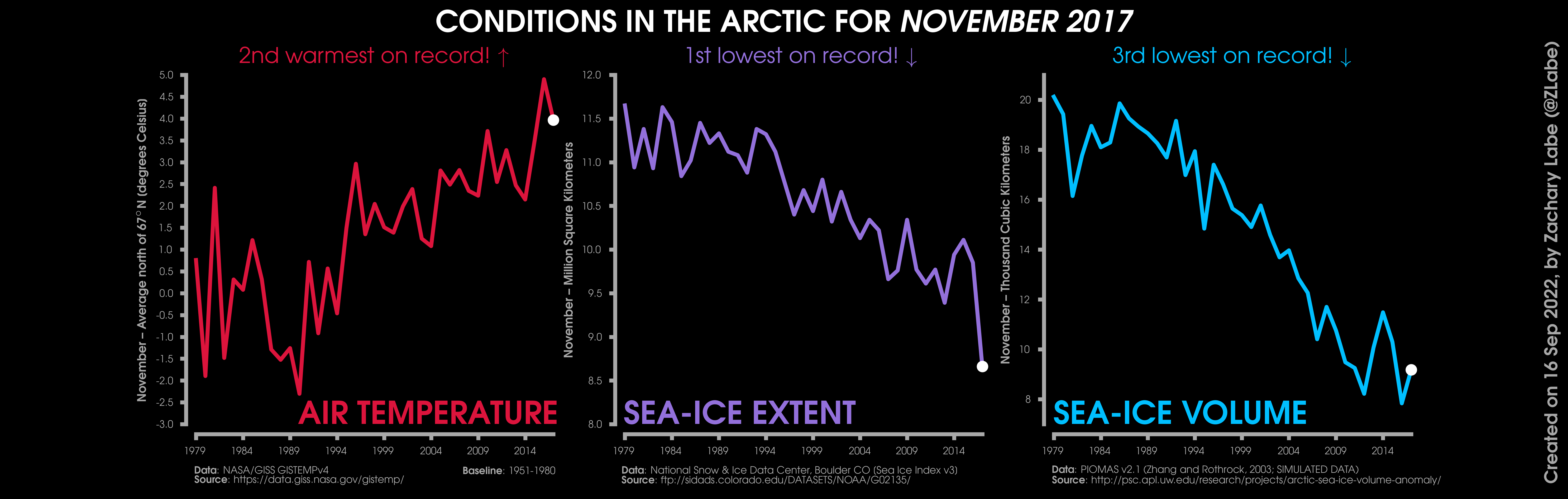
The environmental 2017 overview is dominated by a devastating hurricane season in the Atlantic. Three major storms—Harvey, Irma, and Maria—caused unprecedented destruction. Hurricane Harvey struck Texas in August, dropping record-breaking rainfall that led to catastrophic flooding in Houston. Hurricane Irma followed in September, devastating the Caribbean islands and Florida.
Hurricane Maria, also in September, was perhaps the most impactful from a humanitarian perspective, causing a total collapse of the power grid in Puerto Rico and leading to a prolonged recovery effort that lasted years. The official death toll from Maria remained a subject of intense scientific and political debate for years, eventually being revised upward to nearly 3,000 people. These events served as a stark reminder of the increasing volatility of weather patterns and the need for resilient infrastructure in the face of climate change.
In California, 2017 was also a record-setting year for wildfires. The Tubbs Fire in October and the Thomas Fire in December destroyed thousands of structures and claimed dozens of lives. These fires illustrated the dangerous intersection of prolonged drought, urban sprawl, and high-wind events, prompting a re-evaluation of forest management and fire-prevention strategies.
Scientific Frontiers: Astronomy and the End of the Cassini Mission
On September 15, 2017, NASA’s Cassini spacecraft concluded its 13-year mission orbiting Saturn by intentionally plunging into the planet’s atmosphere. This "Grand Finale" was designed to protect Saturn’s moons, particularly Enceladus and Titan, from potential contamination by Earth-borne microbes, as these moons are considered potential sites for extraterrestrial life. Cassini provided scientists with an unprecedented look at Saturn’s rings and the complex dynamics of its satellite system, discoveries that continue to inform planetary science in 2026.
Another monumental scientific achievement occurred on August 17, 2017, when researchers detected both gravitational waves and light from the collision of two neutron stars (a kilonova). This was the first time an astronomical event had been observed in both gravitational and electromagnetic spectra, marking the beginning of "multi-messenger" astronomy. This discovery confirmed that such collisions are the primary source of heavy elements in the universe, such as gold and platinum.
| Event Category | Major Milestone | Date/Period | Impact Summary |
|---|---|---|---|
| Politics | US Presidential Inauguration | Jan 20, 2017 | Shifted global trade and climate policy. |
| Space | Cassini Mission Grand Finale | Sept 15, 2017 | Provided definitive data on Saturn's moons. |
| Tech | Release of iPhone X | Nov 3, 2017 | Standardized FaceID and edge-to-edge displays. |
| Environment | Hurricane Maria | Sept 20, 2017 | Catastrophic damage to Puerto Rico's grid. |
| Economics | Bitcoin reaches $19,000+ | Dec 2017 | Mainstream entry of cryptocurrency. |
| Society | #MeToo Movement Expansion | Oct 2017 | Fundamental change in workplace social norms. |
| Science | Kilonova Observation | Aug 17, 2017 | Birth of multi-messenger astronomy. |
Economic Performance: Global Growth Amidst Structural Shifts
Economically, 2017 was a year of synchronized global growth. Most major economies experienced an uptick in GDP, and stock markets reached record highs. The S&P 500 in the United States grew by nearly 20% over the year, driven by strong corporate earnings and the anticipation (and eventual passage) of the Tax Cuts and Jobs Act in December. This legislation represented the largest overhaul of the US tax code in decades, significantly lowering the corporate tax rate and moving toward a territorial tax system.
However, 2017 also saw the deepening of the "Retail Apocalypse." Large brick-and-mortar retailers struggled to compete with the dominance of e-commerce giants like Amazon. This led to thousands of store closures and several high-profile bankruptcies, such as Toys "R" Us. The economic narrative of 2017 was one of a digital transition, where legacy industries were forced to adapt or perish in a landscape increasingly defined by data and logistics.
Cultural Milestones and Entertainment
In the realm of entertainment, the 89th Academy Awards in February 2017 provided one of the most memorable moments in television history when La La Land was mistakenly announced as Best Picture instead of the actual winner, Moonlight. Beyond the mistake, the victory for Moonlight was a significant cultural moment, representing a win for independent, diverse storytelling.
In music, streaming continued its dominance over physical sales and downloads. Luis Fonsi’s "Despacito" became a global phenomenon, breaking records for YouTube views and emphasizing the increasing globalization of music tastes. Meanwhile, the film industry saw the massive success of Wonder Woman, proving the commercial viability of female-led superhero films, and Get Out, which used the horror genre to provide a searing critique of modern racial dynamics.
Frequently Asked Questions
What was the most significant geopolitical event of 2017? The inauguration of Donald Trump as the US President is widely considered the most significant because it triggered a series of withdrawals from international agreements, such as the Paris Agreement and the TPP. These actions fundamentally altered US-global relations and encouraged other nations to seek alternative alliances, many of which are still being navigated today in 2026.
How did the Bitcoin surge of 2017 change the financial landscape? The 2017 surge took cryptocurrency from a niche interest for technologists to a legitimate asset class discussed by major financial institutions. While the 2018 crash was severe, the 2017 "bull run" funded the development of Ethereum's ecosystem and the concept of smart contracts, which are now foundational to modern decentralized finance (DeFi) and digital identity protocols.
What was the scientific importance of the 2017 Solar Eclipse? The "Great American Eclipse" on August 21, 2017, was the first total solar eclipse to cross the entire contiguous United States since 1918. It provided a unique opportunity for scientific data collection regarding the Sun's corona and its effects on Earth’s ionosphere. It was also one of the most-watched and photographed astronomical events in human history.
Why is 2017 seen as a turning point for workplace culture? The explosion of the #MeToo movement in late 2017 forced a global conversation about sexual harassment and the abuse of power. It led to the passage of new laws regarding non-disclosure agreements (NDAs) and mandated workplace training, creating a permanent shift in how organizations handle allegations of misconduct.
What happened to the Cassini mission in 2017? On September 15, 2017, NASA's Cassini spacecraft ended its 20-year journey (13 years in Saturn's orbit) by burning up in Saturn's atmosphere. This was a deliberate "Grand Finale" to ensure that the spacecraft would not crash into and contaminate Saturn's moons, particularly those that might harbor life.
Recommendation for Further Research
To fully understand the impact of 2017, students of history and policy should examine the official reports from the National Hurricane Center regarding the 2017 season and the United Nations Framework Convention on Climate Change (UNFCCC) regarding the diplomatic responses to the US withdrawal from the Paris Agreement. Reviewing these primary documents provides the technical depth necessary to see how the events of 2017 evolved into the global standards and challenges we face in 2026.