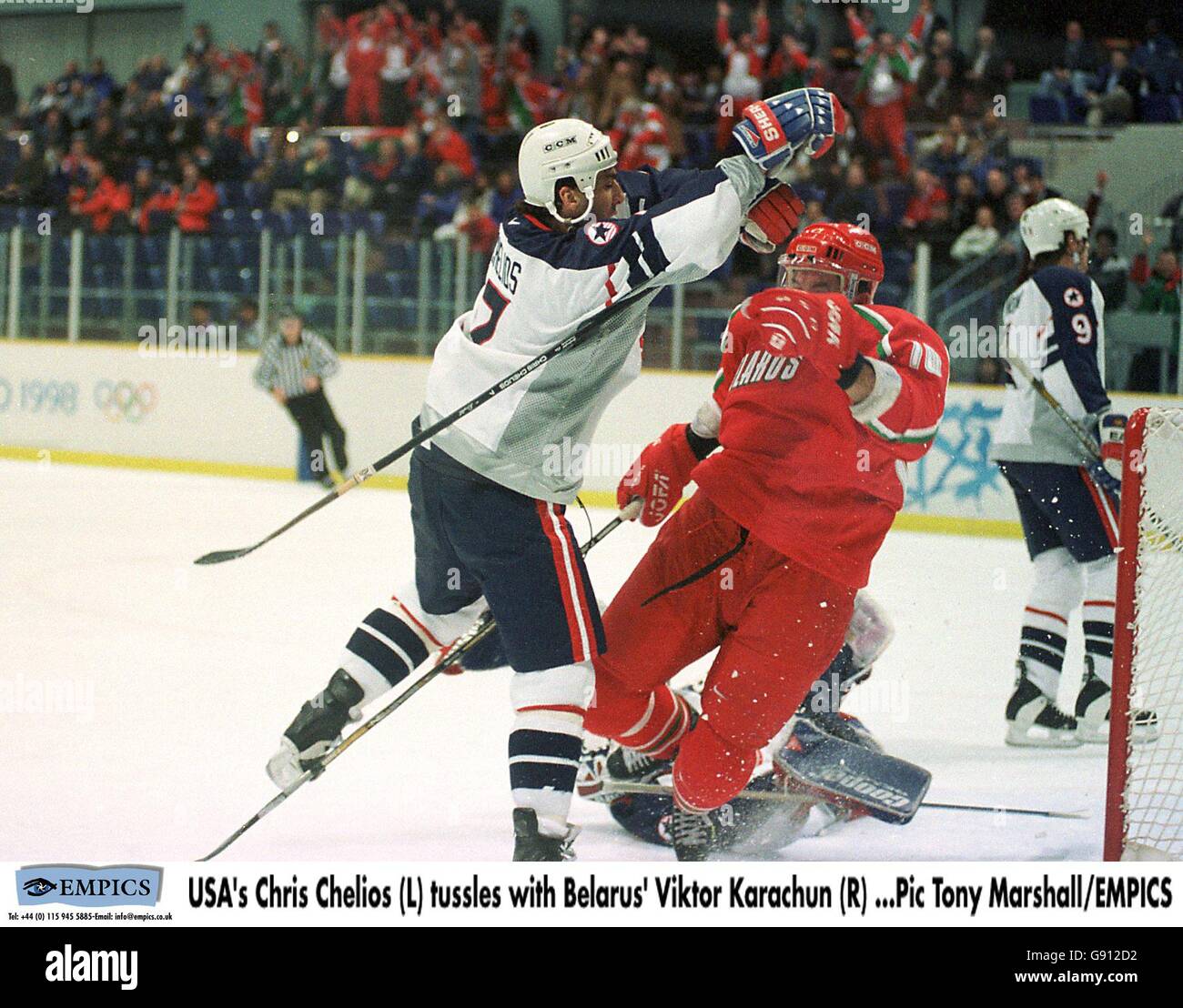
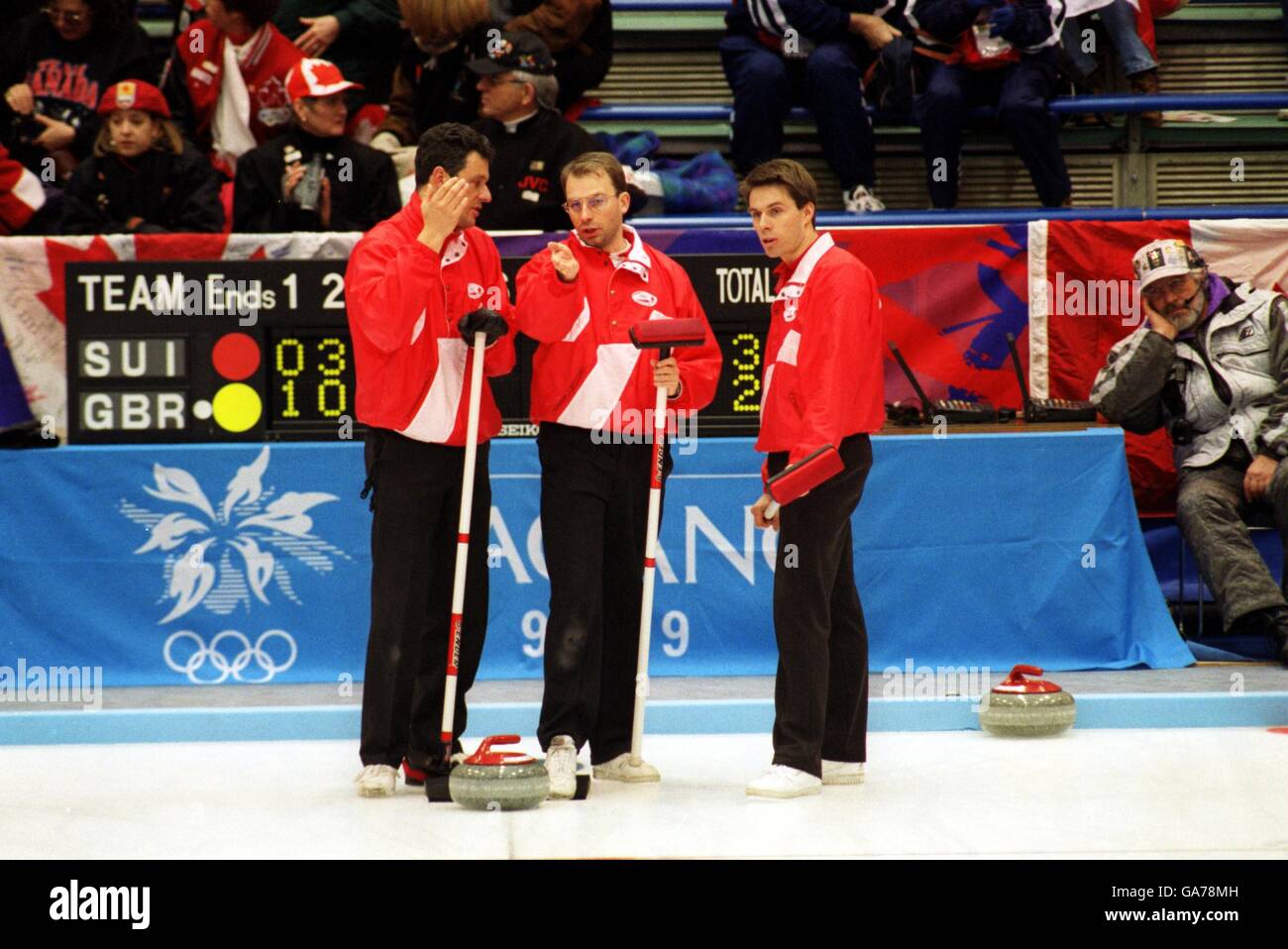
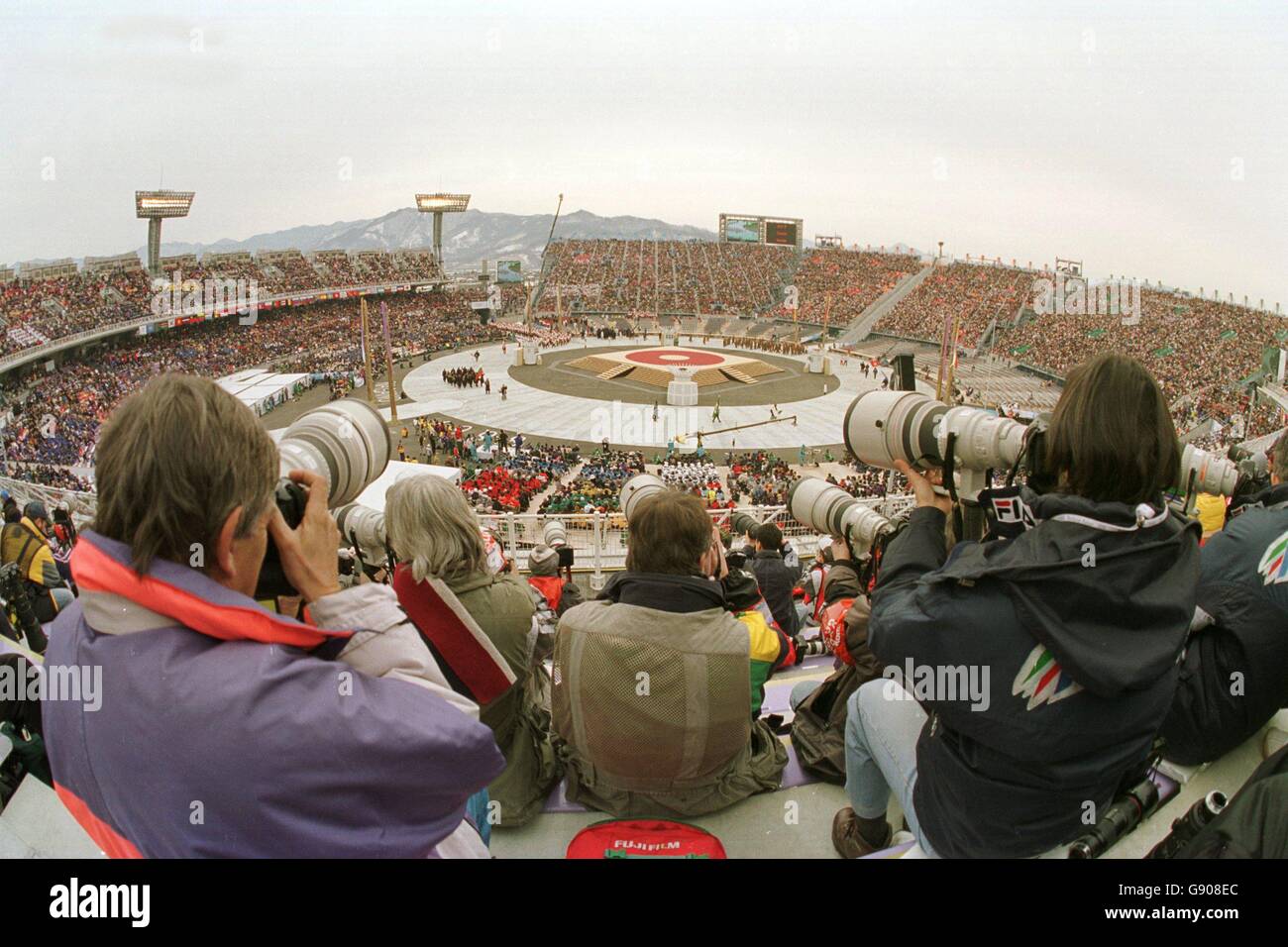
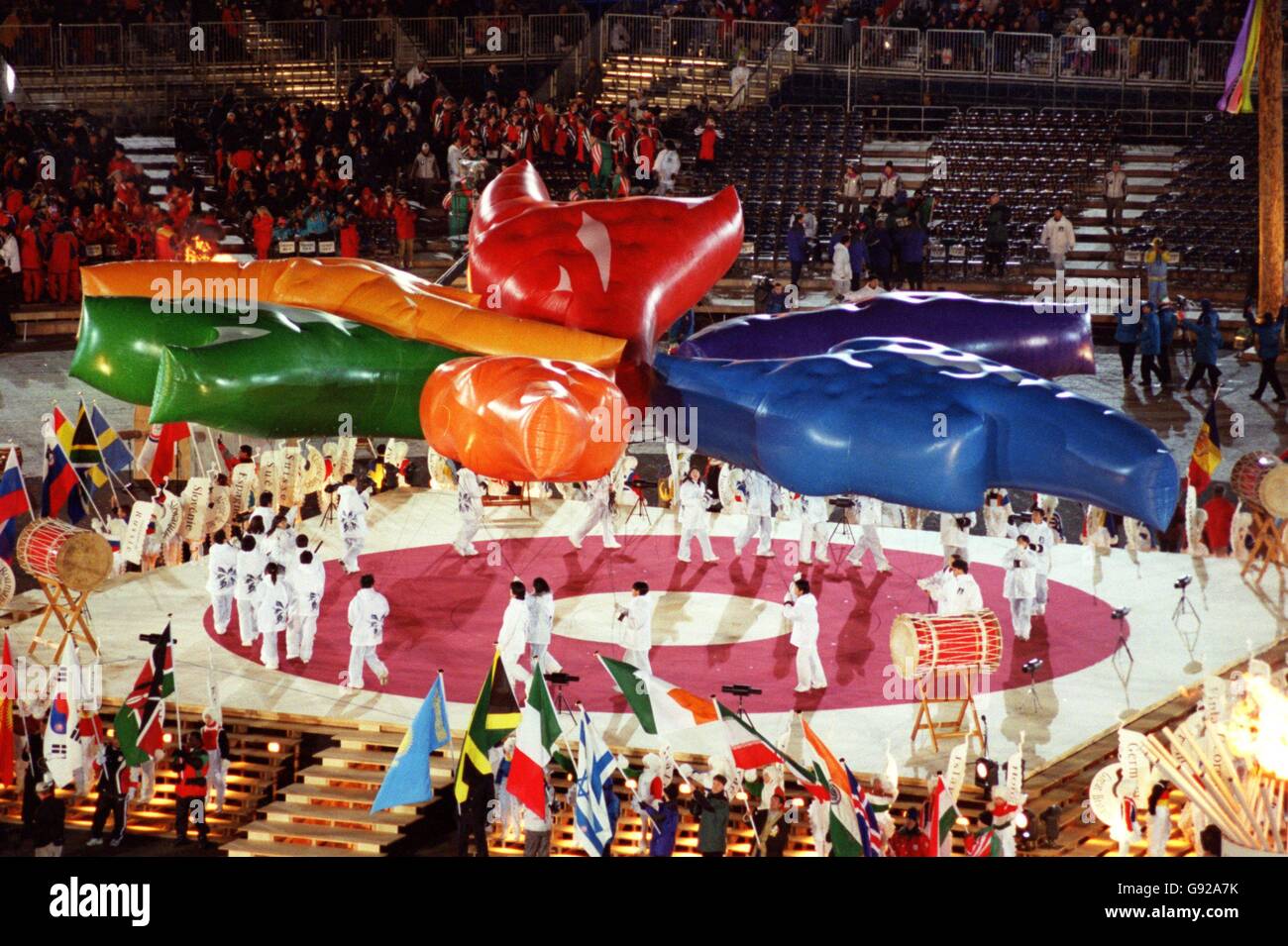
The 1998 Winter Olympics, officially known as the XVIII Olympic Winter Games, were held in Nagano, Japan, from February 7 to February 22, 1998. These Games marked a pivotal turning point in modern sports history, defined by the introduction of new disciplines like snowboarding and women's ice hockey, unprecedented international broadcast reach, and a profound shift toward environmental awareness in event organization.
Historical Context and Selection of Nagano
The path to the 1998 Winter Olympics began long before the opening ceremony. The International Olympic Committee (IOC) selected Nagano during its 97th Session in Birmingham, United Kingdom, on June 15, 1991. Nagano narrowly defeated Salt Lake City, United States, and Östersund, Sweden, in the final rounds of voting. Japanese organizers positioned Nagano as an eco-friendly alternative to past industrial games, emphasizing harmony with nature and traditional Japanese culture.
The selection carried immense national pride for Japan, which had previously hosted the Summer Olympics in Tokyo (1964) and the Winter Olympics in Sapporo (1972). Planning for the Nagano Games required extensive infrastructure development, including the construction of high-speed rail lines (the Nagano Shinkansen) and state-of-the-art athletic venues nestled in the mountainous terrain of the Nagano Prefecture. Organizers faced the complex challenge of balancing the logistical demands of a global sporting event with stringent environmental protections mandated for the surrounding national parks.
Expansion of Sports and Program Evolution
The 1998 Winter Games introduced significant changes to the Olympic program, reflecting the changing tastes of a younger demographic and the growing push for gender parity in international sports. The integration of snowboarding and women's ice hockey permanently altered the landscape of winter athletics.
Snowboarding Debuts on the Olympic Stage
Snowboarding made its official Olympic debut in Nagano, featuring two disciplines: giant slalom and halfpipe. While traditionalists viewed the inclusion with skepticism, the events captured massive global television audiences and injected a vibrant, counter-cultural energy into the Games. Canadian Ross Rebagliati won the inaugural men's giant slalom gold medal, though he was briefly disqualified after testing positive for marijuana, a decision later overturned by the Court of Arbitration for Sport because the substance was not yet on the IOC's banned list at the time of the event. Nicola Thost of Germany claimed gold in the women's halfpipe, establishing snowboarding as a cornerstone of the modern Winter Olympics.
Women's Ice Hockey
Women's ice hockey entered the Olympic program in Nagano, providing female athletes with a long-overdue platform at the highest level of international competition. The tournament featured six teams, culminating in a fiercely contested gold medal game between Canada and the United States. The United States team emerged victorious with a 3–1 win, securing a historic milestone for women's ice sports and sparking rapid growth in participation rates across North America and Europe.
Key Events, Athletes, and Dramatic Moments
The 1998 Nagano Olympics produced unforgettable athletic performances that remain etched in sports history. From figure skating drama to Alpine skiing heroics, the Games provided high theater across all venues.
Figure Skating Brilliance
The figure skating events drew intense global scrutiny. In the men's singles event, Russian skater Alexei Yagudin and American rival Todd Eldredge competed at the highest level, but it was 19-year-old Ilia Kulik who captured the gold medal with a technically flawless routine featuring a quadruple toe loop.
The women's singles competition featured a dramatic showdown between defending champion Tara Lipinski and fellow American Michelle Kwan. Lipinski, just 15 years old, executed a series of difficult triple jumps with astonishing speed and precision, narrowly edging out Kwan to become the youngest individual gold medalist in Winter Olympic history.
Alpine Skiing and Nordic Dominance
In Alpine skiing, Austrian star Hermann Maier provided one of the most remarkable comebacks in Olympic history. Just days after suffering a horrific, high-speed crash during the downhill event that sent him flying through safety fences, Maier returned to the slopes to win gold medals in both the super-G and giant slalom events, earning the nickname "The Hermannator."
In cross-country skiing and biathlon, Norwegian legend Bjørn Dæhlie cemented his status as one of the greatest Winter Olympians of all time. Dæhlie captured three gold medals in Nagano, bringing his career total to eight Olympic gold medals and twelve overall medals, a record that stood for over a decade.
Facilities and Venue Distribution
The Nagano Olympics utilized a combination of newly constructed venues and existing facilities spread across several municipalities within the Nagano Prefecture. Organizers deliberately designed venues to serve local communities after the Games concluded, anticipating post-Olympic utilization to avoid the financial waste seen in later host cities.
| Venue Name | Primary Sport | Capacity | Post-Olympic Use |
|---|---|---|---|
| M-Wave | Speed Skating | 10,000 | Multi-purpose arena, exhibition hall |
| Aqua Wing Arena | Ice Hockey | 6,000 | Public indoor swimming pool |
| Hakuba Ski Jumping Stadium | Ski Jumping, Nordic Combined | 45,000 | Concert venue and tourist observation deck |
| Big Hat | Ice Hockey (Finals) | 10,104 | Concerts, trade shows, and community sports |
| Nozawa Onsen | Biathlon | 20,000 | Ski resort facilities |
Technological and Broadcast Milestones
The 1998 Winter Olympics coincided with a transformative era in media technology and telecommunications. Nagano was the first Olympic Games covered extensively via the nascent internet, with official websites providing real-time results, athlete biographies, and daily summaries to a global audience still transitioning to dial-up connectivity.
Television broadcasting reached new heights through partnerships with international networks like CBS in the United States and the European Broadcasting Union. Advanced camera angles, including miniature cameras mounted on bobsleds and helmet cams for ski jumpers, provided viewers with immersive perspectives previously impossible to achieve. Furthermore, the timing and scoring systems utilized digital laser measurement and computerized transponders, drastically reducing human error in sports where margins of victory were measured in milliseconds.
Environmental Initiatives and the "Green Games"
Recognized by the IOC as the first "Green Games," the 1998 Nagano Olympics set a precedent for environmental stewardship in mega-sporting events. Organizers implemented strict guidelines to minimize ecological disruption during venue construction, particularly regarding the protection of local wildlife habitats and endangered tree species around the ski courses.
- Energy Efficiency: Venues incorporated solar panels, energy-saving lighting systems, and natural cooling technologies to reduce carbon emissions.
- Waste Reduction: A comprehensive recycling program was enforced across all Olympic villages, dining halls, and competition sites, achieving unprecedented recycling rates for the era.
- Forest Preservation: For every tree removed to build the downhill skiing course at Happo-one, organizers planted replacement saplings and rehabilitated degraded forest land nearby.
Despite these efforts, environmental groups raised concerns about the long-term ecological impact of artificial snowmaking and habitat fragmentation caused by road construction in mountainous regions. These debates laid the groundwork for the modern environmental impact assessments required of all future Olympic host cities.
Medal Table and National Performances
Germany dominated the medal standings at the 1998 Nagano Olympics, showcasing depth across sliding sports, biathlon, and Nordic events. Norway and Russia followed closely, maintaining their traditional strength in cold-weather endurance sports. Host nation Japan achieved its most successful Winter Olympics to date, capturing five gold, one silver, and four national bronze medals, fueled by emotional victories in ski jumping and speed skating.
Below is a summary of the top-performing delegations at the 1998 Winter Olympics:
| Rank | Nation | Gold | Silver | Bronze | Total |
|---|---|---|---|---|---|
| 1 | Germany | 12 | 9 | 8 | 29 |
| 2 | Norway | 10 | 10 | 5 | 25 |
| 3 | Russia | 9 | 6 | 3 | 18 |
| 4 | Canada | 6 | 5 | 4 | 15 |
| 5 | United States | 6 | 3 | 4 | 13 |
| 6 | Netherlands | 5 | 4 | 2 | 11 |
| 7 | Japan | 5 | 1 | 4 | 10 |
Frequently Asked Questions
When and where did the 1998 Winter Olympics take place?
The 1998 Winter Olympics took place from February 7 to February 22, 1998, in Nagano, Japan. Events were held across multiple venues in the Nagano Prefecture, utilizing the mountainous terrain for skiing and sliding events and the city center for indoor ice sports.
Which new sports made their debut at the Nagano Olympics?
Snowboard and women's ice hockey made their official Olympic debuts at the 1998 Nagano Games. Snowboarding included giant slalom and halfpipe events, while women's ice hockey featured a six-team tournament won by the United States.
Who was the most successful athlete at the 1998 Winter Olympics?
Norwegian cross-country skier Bjørn Dæhlie was the most successful athlete of the Games, winning three gold medals. This performance brought his career total to eight Olympic gold medals, making him one of the most decorated winter Olympians in history.
How did the Nagano Olympics impact environmental policies for future Games?
Nagano was branded as the first "Green Games," integrating solar energy, strict recycling mandates, and habitat protection measures. Although some environmental concerns persisted, the event established a framework for mandatory sustainability reporting and ecological impact assessments for subsequent Olympic bids.
How many countries participated in the 1998 Winter Olympics?
A total of 72 nations sent delegations to the 1998 Nagano Olympics, setting a new record for participation in the history of the Winter Games at that time. This included several nations making their debut or returning after geopolitical shifts in Eastern Europe and Central Asia.
Conclusion and Legacy
The 1998 Nagano Winter Olympics successfully bridged traditional winter sports heritage with modern athletic innovation. By embracing youth culture through snowboarding, expanding competitive opportunities for female athletes, and prioritizing environmental consciousness, the Nagano Games redefined what a winter sports festival could achieve. Analyzing the outcomes, infrastructure adaptation, and cultural impact of the 1998 Games provides essential insight into the evolution of the modern Olympic movement.