The year 1999 marked a significant transition point for The Walt Disney Company, bridging the classic era of hand-drawn animation with the dawn of computer-generated imagery, while expanding aggressively into cable television, internet ventures, and global theme park development.
Introduction to Disney in 1999
The year 1999 stands as a fascinating bridge in the history of The Walt Disney Company. As the final year of the 20th century, it caught the entertainment giant at a crossroads. Traditional animation, long the bedrock of the studio's identity, was facing shifting audience preferences even as masterpieces were still being produced. Simultaneously, the company was rapidly diversifying its portfolio, heavily investing in digital media, expanding its cruise line operations, and cementing its footprint in global tourism.
For analysts, historians, and fans, examining Disney in 1999 offers a window into a massive corporate machine navigating technological disruption, shifting consumer demographics, and fierce competition in the media landscape. This era laid the groundwork for modern transmedia storytelling, even as some of its contemporary experiments struggled to find their footing in a pre-broadband internet environment. Understanding this period requires looking closely at its box office performance, theme park expansions, corporate restructurings, and the broader cultural footprint left behind at the turn of the millennium.
Animation Milestones and Cinematic Releases
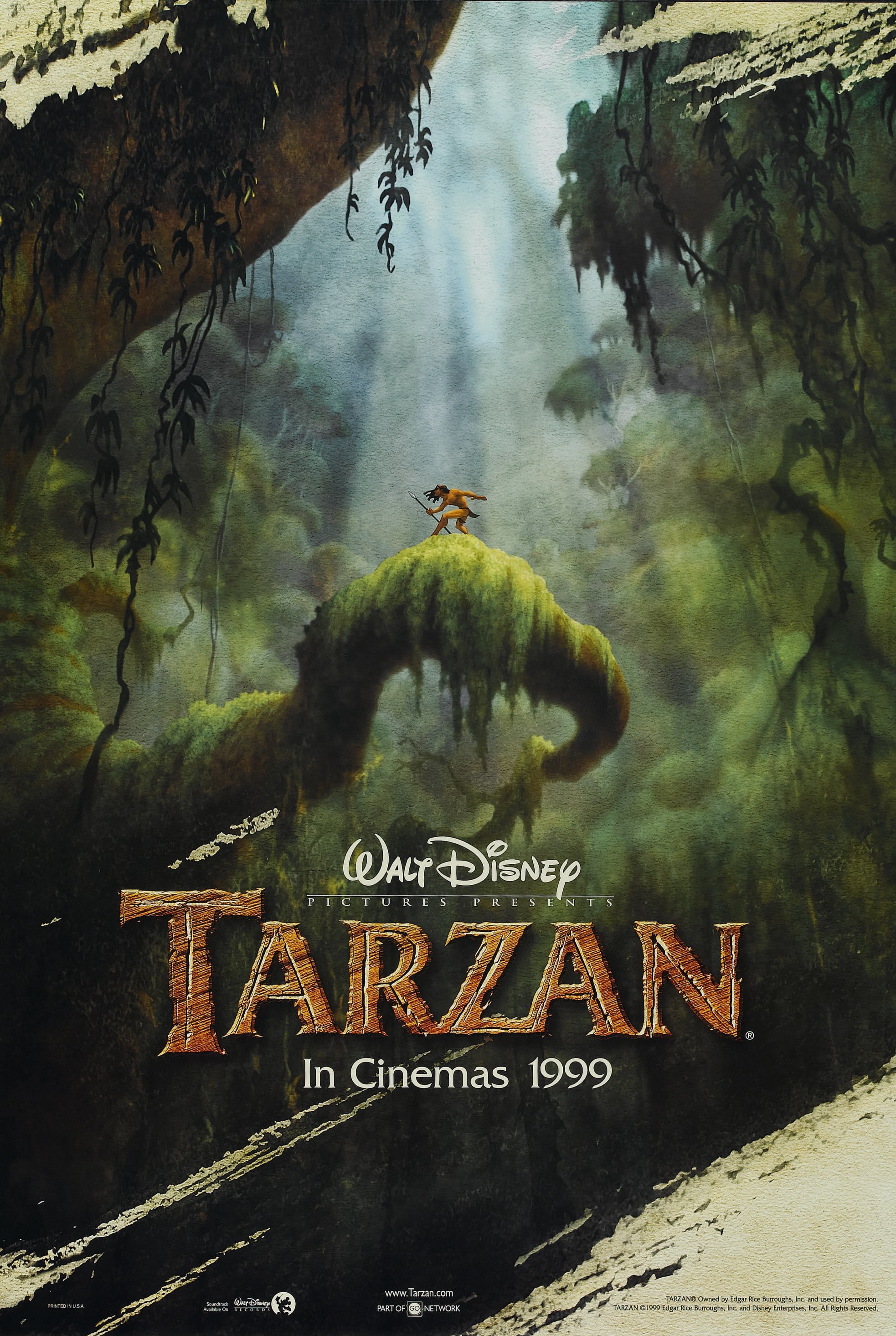
In 1999, Walt Disney Feature Animation released Tarzan, the final film of the legendary Disney Renaissance period that had begun a decade earlier with The Little Mermaid. Tarzan was both a critical and commercial success, grossing over $448 million worldwide and showcasing a technical leap forward for the studio. The production utilized "Deep Canvas," a proprietary software tool developed by Disney artists that allowed traditional hand-drawn characters to move fluidly through three-dimensional computer-generated environments. This technique solved a long-standing limitation in animation, blending 2D characters with complex, sweeping camera movements in three dimensions.
However, 1999 also highlighted the growing dominance of computer-generated imagery (CGI). Pixar Animation Studios, then in a distribution partnership with Disney, was preparing for the monumental release of Toy Story 2 later that year. Originally slated as a direct-to-video sequel, the quality of the project convinced Disney executives to upgrade it to a theatrical release. Toy Story 2 shattered box office expectations and became a cultural phenomenon, signaling to the industry that CGI was no longer just a novelty, but the future of mainstream feature animation.
Alongside traditional and computer animation, Disney's live-action divisions maintained a steady output through Touchstone Pictures, Hollywood Pictures, and Walt Disney Pictures. While the studio did not produce a runaway live-action blockbuster on the scale of its animated hits that year, it continued to supply family entertainment and adult-oriented dramas, establishing a diversified cinematic pipeline that cushioned the company against the cyclical nature of animated feature production.
Theme Parks and Resort Expansion
The late 1990s was a period of aggressive capital expenditure for Walt Disney Parks and Resorts. In 1999, preparations were well underway for the grand millennium celebration at the Walt Disney World Resort in Florida, anchored by the opening of Epcot’s massive Millennium Village and the iconic "Tapestry of Nations" parade. This initiative was designed to drive tourism to Orlando at the turn of the century, showcasing global cultures and technological optimism.
Concurrently, international and domestic resort footprints were expanding:
- Disney Cruise Line: Having launched in 1998 with the Disney Magic, the company expanded its fleet with the introduction of the Disney Wonder in August 1999, solidifying Disney's entry into the multi-day vacation cruise market.
- Disneyland Resort (California): The property was undergoing its most radical transformation since 1955. Construction crews were actively grading land and erecting structures for what would become Disney California Adventure, Downtown Disney, and Disney's Grand Californian Hotel, turning a single-day theme park into a multi-day resort destination.
- International Parks: Tokyo DisneySea was deep in construction ahead of its 2001 opening, while Disneyland Paris continued to refine its operations and guest offerings following its challenging financial launch earlier in the decade.
| Project / Initiative | Launch / Active Window | Strategic Purpose |
|---|---|---|
| Tarzan (Feature Film) | Summer 1999 | Conclude the Disney Renaissance and debut "Deep Canvas" technology. |
| Toy Story 2 (Feature Film) | November 1999 | Establish Pixar's dominance in CGI and expand the sequel model. |
| Disney Wonder (Cruise Ship) | August 1999 | Expand the nascent Disney Cruise Line fleet and capture family vacation spend. |
| Millennium Celebration | 1999–2001 | Drive domestic and international tourism to Walt Disney World. |
| Disneyland Resort Expansion | 1998–2001 | Convert Anaheim from a day-trip park into a multi-day resort destination. |
Television and the Evolution of the Disney Channel
The television landscape for Disney in 1999 was defined by the ongoing evolution of the Disney Channel and the dominance of ABC, which Disney had acquired through its landmark purchase of Capital Cities/ABC in 1996.
By 1999, the Disney Channel had fully completed its transition from a premium, subscription-based movie channel to a basic cable network relying on original programming. This era birthed the "Disney Channel Original Movie" (DCOM) franchise, a reliable ratings engine that targeted pre-teens and teenagers with modest-budget, high-concept television films. Titles released around this period established a formula of accessible, wholesome entertainment that later nurtured major pop-culture stars.
On broadcast television, ABC remained a major network player, though it was navigating a competitive landscape defined by the rise of reality television and syndicated dramas. The network provided Disney with a massive advertising and promotional platform to cross-pollinate its theme park attractions, movie releases, and consumer products, creating an integrated corporate synergy that few competitors could replicate.
Digital Ventures and the Early Internet
As the dot-com boom accelerated toward its peak in 1999, The Walt Disney Company made aggressive investments in digital media. The crown jewel of this strategy was GO.com (Go Network), a web portal created by Infoseek and Disney to aggregate content from ABC, ESPN, Disney.com, and other corporate holdings.
Disney attempted to position GO.com as a major competitor to Yahoo! and AOL, integrating search engine capabilities with entertainment news, e-commerce, and community forums. However, the portal struggled to achieve long-term profitability amidst fierce competition and technological limitations. The high-profile dot-com experiment ultimately resulted in significant financial write-downs when the broader bubble burst in the early 2000s, serving as a cautionary tale for traditional media companies attempting to pivot into pure-play internet services too early.
Despite the struggles of GO.com, properties like Disney.com successfully engaged younger demographics with interactive games, movie trailers, and early forms of digital marketing, setting the foundation for the modern digital ecosystem used by the company today.
Consumer Products and Corporate Governance
The Disney Consumer Products division was a massive financial engine in 1999, though it was beginning to face headwinds from market saturation and shifting retail trends. Character merchandise—ranging from classic Mickey Mouse items to movie tie-ins for Tarzan and Toy Story 2—dominated department store shelves and Disney Store locations worldwide. The synergy between theatrical releases and retail merchandise remained a primary driver of corporate profitability.
Corporate governance during this period, however, was marked by internal tension. Michael Eisner, who had served as CEO since 1984, was facing increasing scrutiny from shareholders, board members, and the creative community following the departures of several key executives, including Jeffrey Katzenberg and Michael Ovitz. While the company remained financially robust, questions regarding succession planning, studio autonomy, and creative direction began to surface publicly, foreshadowing the boardroom battles that would define the first half of the next decade.
Cultural Legacy and Historical Significance
Looking back from a modern vantage point, 1999 was a vital crucible for The Walt Disney Company. It captured the company at the pinnacle of its traditional physical and cinematic output while forcing it to grapple with the digital future. The challenges faced by its internet division contrasted sharply with the massive triumphs of its animation studios and theme park expansions.
The decisions made in 1999 regarding digital infrastructure, franchise management, and resort development dictated how the company would weather the digital revolution of the 21st century. By balancing the preservation of its foundational storytelling heritage with aggressive physical and corporate expansion, Disney maintained its status as a global entertainment titan at the turning of the millennium.
Frequently Asked Questions
What was the highest-grossing Disney animated movie released in 1999?
Tarzan was Disney's primary animated feature release of 1999, grossing over $448 million globally. While Pixar's Toy Story 2 (distributed by Disney) earned even more at the box office later that year, Tarzan represented the peak financial and artistic achievement of Disney's traditional hand-drawn animation department at the close of the decade.
What major theme park expansion was Disney building in 1999?
In 1999, Disney was heavily constructing Disney California Adventure in Anaheim, California. This multi-year project transformed the original Disneyland from a single-day theme park into a comprehensive multi-day resort destination that also included the Downtown Disney district and Disney's Grand Californian Hotel.
What was GO.com and why was it significant for Disney in 1999?
GO.com was a major internet web portal launched by Disney in partnership with Infoseek to aggregate content from ABC, ESPN, and Disney properties. It represented Disney's aggressive push into the dot-com boom of the late 1990s, though it ultimately struggled against competitors and faced financial restructuring after the bubble burst.
How did Disney animate Tarzan in 1999?
Disney used a proprietary software program called "Deep Canvas" for Tarzan. This technology allowed artists to paint in three-dimensional space, enabling traditional 2D hand-drawn characters to move naturally through complex, digitally rendered environments with sweeping camera angles.
What cruise ship did Disney launch in 1999?
Disney launched the Disney Wonder in August 1999. It was the second ship added to the newly formed Disney Cruise Line fleet, following the launch of its sister ship, the Disney Magic, in 1998.