To understand the 1920 Yellowstone journey, one must look at a transformative era for the National Park Service. This year marked a critical transition from military administration to civilian management, the normalization of automobile travel over rail, and the solidification of the park’s mission to balance public recreation with ecological preservation.
The Changing Landscape of National Park Management
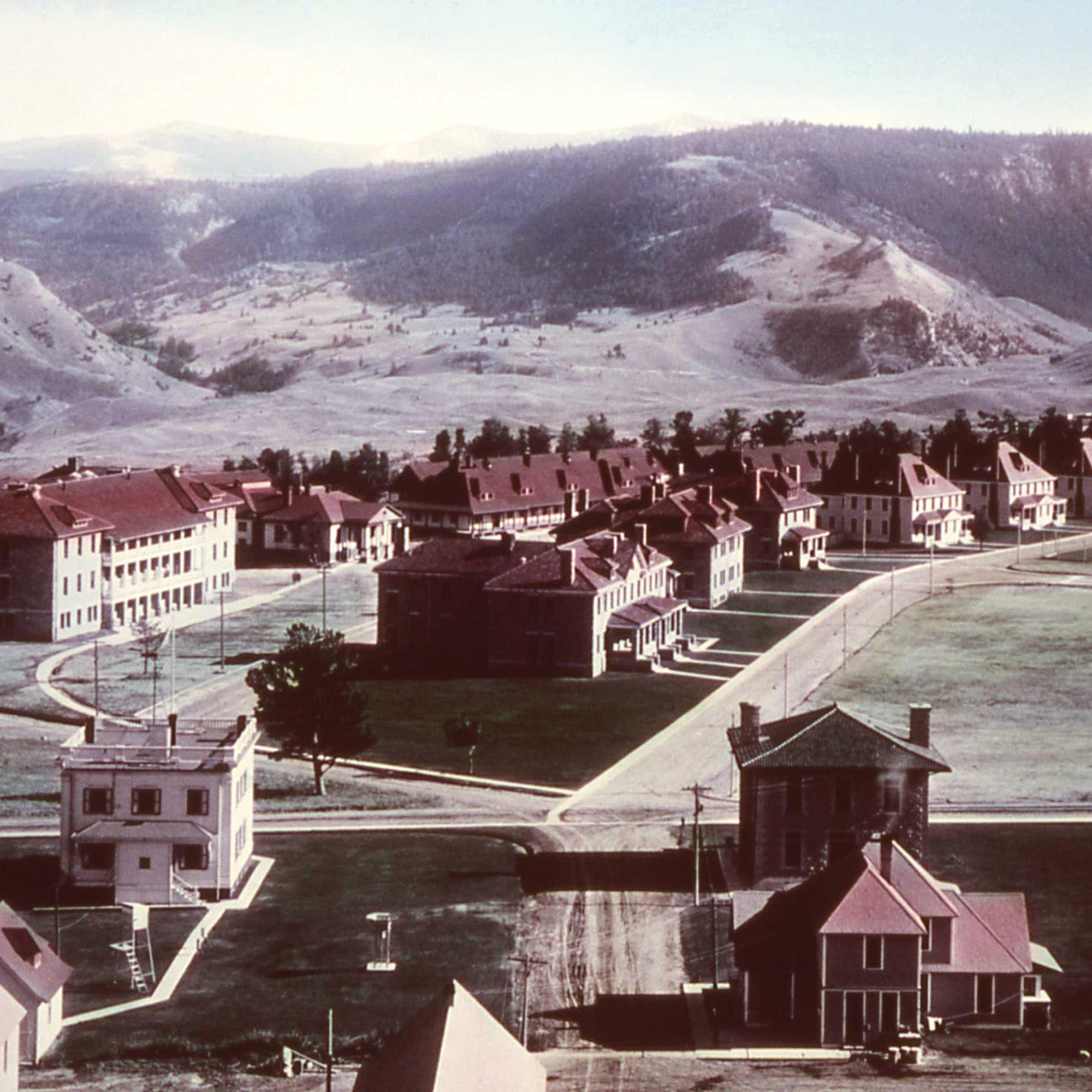
By 1920, Yellowstone National Park was in the midst of a profound institutional shift. For decades, the United States Army had acted as the de facto steward of the park, enforcing regulations and maintaining order. However, the creation of the National Park Service (NPS) in 1916 began a slow transfer of authority. By 1920, civilian park rangers were increasingly taking the helm, moving away from the militaristic style of governance toward a model focused on conservation, public education, and visitor experience.
This shift was not merely administrative; it changed the very philosophy of the journey through the park. In 1920, the goal shifted from "policing" the park to "interpreting" it. Visitors were no longer just observers; they were meant to be participants in an educational experience. This period established the framework for the visitor centers and interpretive programs that continue to guide the millions who visit the park in 2026.
The Great Transition: From Rails to Roads
The most significant practical change for any visitor in 1920 was the shift in transportation. Before the mid-1910s, rail travel was the standard; visitors would arrive at the northern entrance via the Northern Pacific Railroad and transfer to stagecoaches. By 1920, the internal combustion engine had revolutionized the park visit. Private automobiles were granted full access to the park’s interior, effectively ending the era of the horse-drawn coach.
This transition created significant logistical hurdles. The existing infrastructure—designed for slow-moving wagons—was largely unsuitable for the rising number of automobiles. In 1920, park officials prioritized the "Grand Loop Road," widening paths and improving surfaces to accommodate the "auto-tourist." For a traveler in 1920, this meant the journey was faster but significantly more unpredictable, requiring improved navigation skills and increased reliance on newly published park maps and roadside guidance.
The 1920 Visitor Experience: Costs and Logistics
Planning a trip to Yellowstone in 1920 required careful financial and logistical coordination. Unlike the streamlined digital booking systems available in 2026, a trip in 1920 involved complex arrangements with private concessionaires for lodging and supplies.
Comparative Logistics: 1920 vs. 2026
The following table outlines the foundational differences in how the park was accessed during the height of the transition period compared to current standards.
| Feature | 1920 Approach | 2026 Approach |
|---|---|---|
| Primary Transit | Ford Model T / Touring Cars | Personal Vehicles / Electric Charging |
| Accommodation | Hotel or "Auto-Camp" Tents | Lodges, Hotels, Designated Campgrounds |
| Navigation | Paper Road Guides / Signposts | GPS / NPS Mobile App |
| Reservations | Letters / Telegraph / In-person | Online Booking Systems |
| Visitor Rule | Minimal; mostly unregulated | Strictly defined; permits required |
The 1920 visitor often spent weeks planning their itinerary. While modern travelers have instant access to real-time road status and weather alerts, the 1920 traveler was entirely dependent on localized intelligence provided at park entrance stations or by fellow travelers.
Environmental Stewardship and Early Conservation Challenges
In 1920, the ecological management of Yellowstone was in its infancy. Science-based wildlife management had not yet been fully realized. The park faced intense pressure from external stakeholders, including hunting advocacy groups and ranchers who viewed the park’s resources as underutilized.
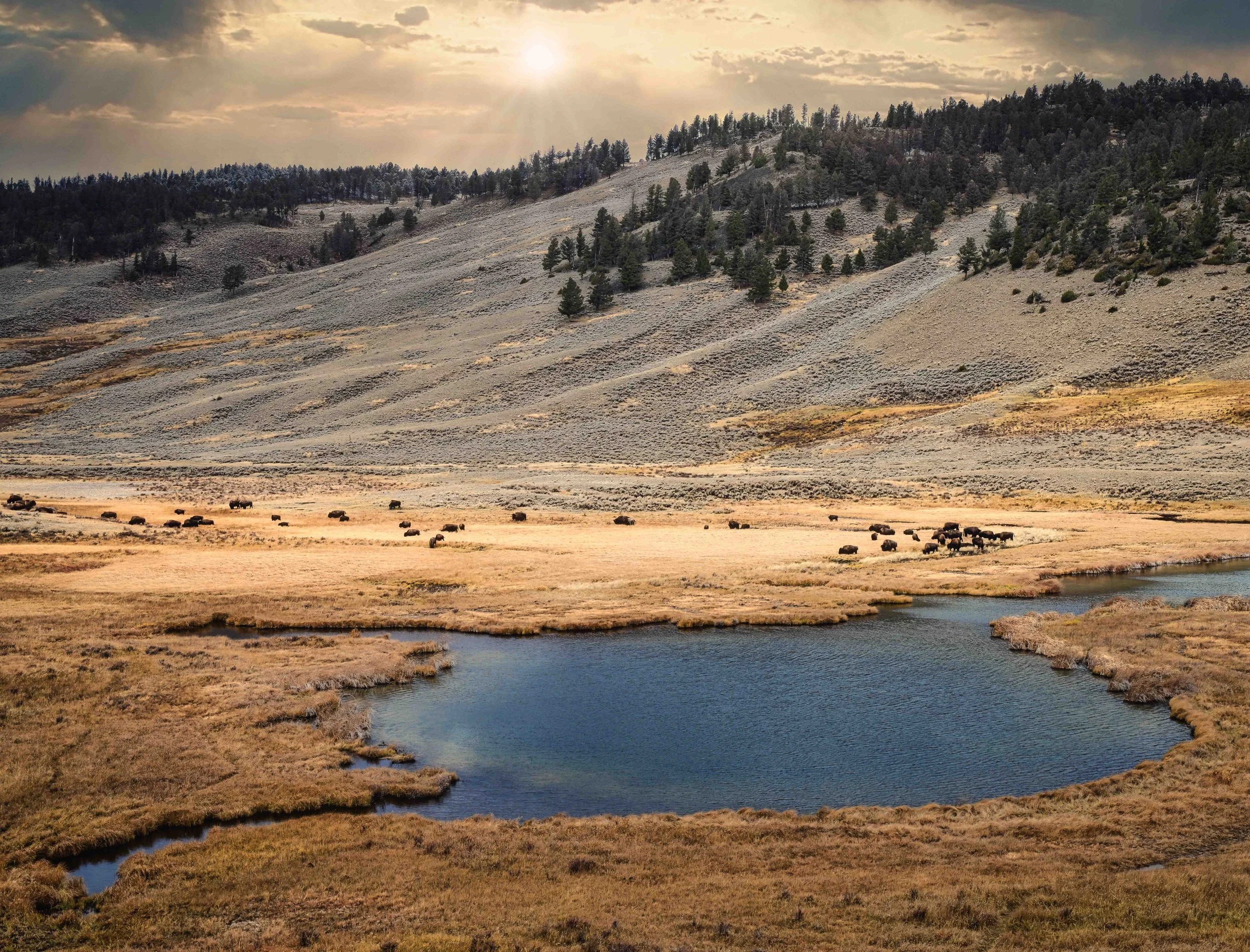
One of the defining "journeys" for park administrators in 1920 was the struggle to manage the elk population and protect the integrity of the wilderness against poaching. The 1920 season was marked by a growing public awareness of the need to keep Yellowstone "natural," even as the park opened its gates wider to tourism. This tension between accessibility and preservation defined the 1920 experience. It was the year that the concept of the park as a "living museum" began to take deep root, setting a precedent that remains the core mandate for the National Park Service in 2026.
Architectural Legacy: The Park Aesthetic
The visual character of the park was also being defined in 1920. This era saw the continued development of "Parkitecture," or the National Park Service Rustic style. Structures built or planned during this time were designed to blend into the landscape, using native stone and logs. For a traveler in 1920, the journey was not just through nature, but through a curated architectural environment.
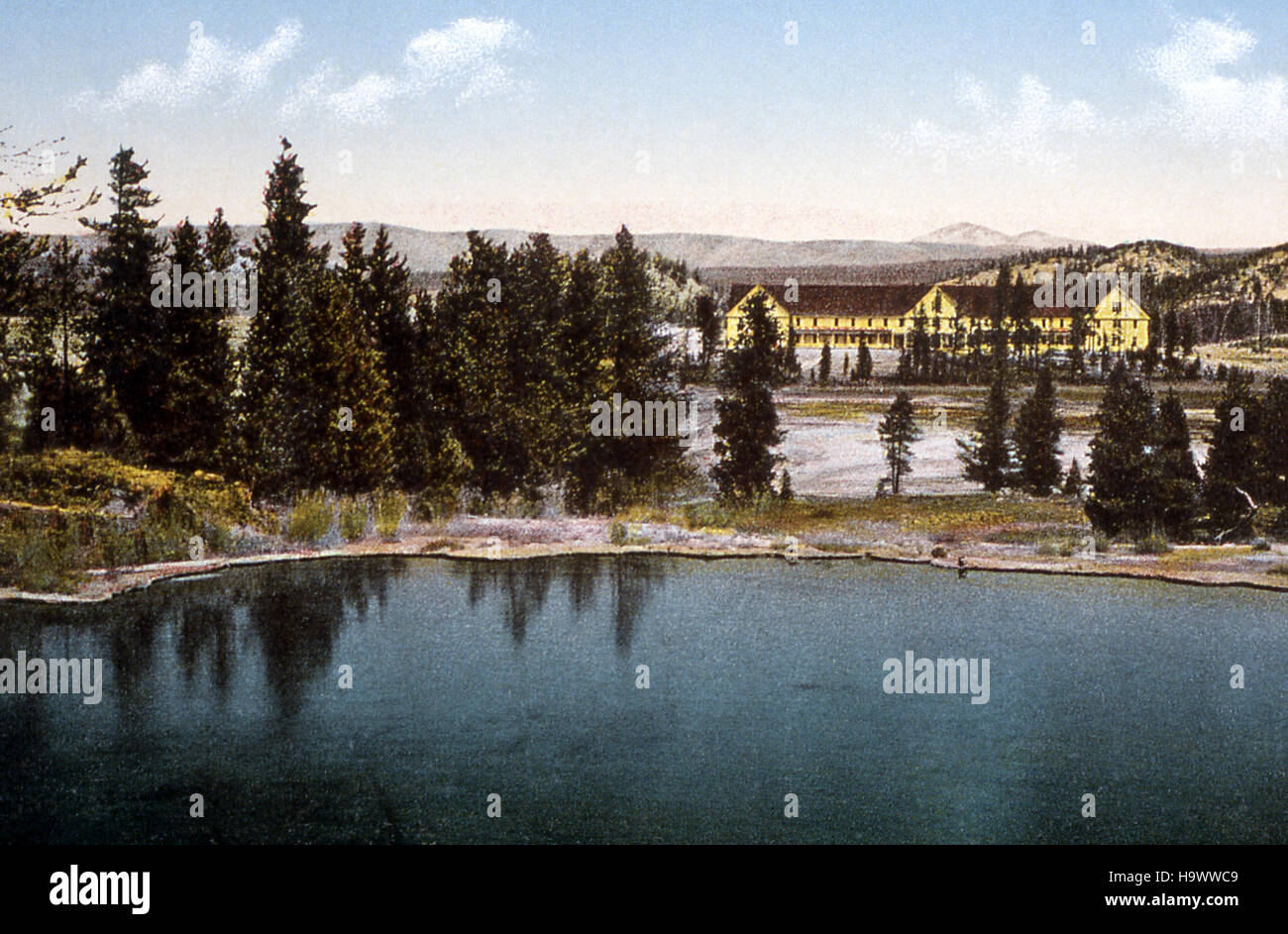
Many of the buildings that current visitors admire in 2026, including additions to the Old Faithful area and various ranger stations, were either being perfected or newly constructed during the post-WWI era. The intentional design choices made in 1920 ensured that the buildings did not compete with the geysers or the canyons, but rather complemented them, creating a harmonious experience that has withstood the test of time.
Navigating the Challenges of the Era
A trip to Yellowstone in 1920 was not for the faint of heart. Mechanical failures were common, and the rugged terrain often tested the limits of 1920s automotive engineering. Roadside service stations were rudimentary, and breakdowns often required self-sufficiency or assistance from other travelers.
- Prerequisite Planning: Travelers were required to study the "Rules and Regulations" published by the Department of the Interior. Failure to adhere to these resulted in expulsion from the park.
- Operational Constraints: Speed limits were strictly enforced—typically at 12 to 20 miles per hour—to protect both the fragile ecosystem and the safety of vehicles on unpaved switchbacks.
- Supply Chains: Food, fuel, and medical supplies had to be managed with precision. The concept of "leaving no trace" was not yet a formal policy, but the importance of maintaining the park’s cleanliness was beginning to be emphasized through early public information campaigns.
The Sociological Impact of the 1920 Visit
The 1920 journey was an act of national identity construction. Following the end of the First World War, the American public sought to reconnect with the landscape. Visiting Yellowstone became a badge of honor for the middle class. The "auto-tourist" demographic—families piling into their vehicles for cross-country journeys—democratized the park experience, making it accessible to those who could not afford luxury rail travel.
This sociological shift forced the National Park Service to innovate rapidly. It necessitated the creation of the first organized campgrounds, which solved the "problem" of where to house the middle-class visitor. These early campgrounds are the direct ancestors of the modern systems used today.
Frequently Asked Questions
What was the primary method of travel in Yellowstone in 1920? By 1920, the transition to the private automobile was largely complete. Most visitors accessed the park via touring cars, replacing the traditional horse-drawn stagecoaches that had dominated the late 19th century.
How did visitors find their way around the park in 1920? Navigation relied on published road guidebooks, handwritten notes from rangers at entrance stations, and basic physical signage. GPS and digital navigation did not exist, making map-reading a fundamental skill for any traveler.
Were there hotels in Yellowstone in 1920? Yes, several historic hotels, including those managed by the Yellowstone Park Hotel Company, were operational. However, 1920 saw the rise of the "auto-camp," a precursor to modern campgrounds, which catered to those who could not afford or chose not to stay in full-service hotels.
How long did a typical trip last in 1920? Due to slower transit speeds and the time required for mechanical maintenance, visitors typically spent a week or more in the park to cover the Grand Loop Road. This stands in contrast to the rapid-transit tours common in 2026.
What was the most significant environmental challenge in 1920? The most pressing issue was balancing the influx of motorized traffic with the protection of wildlife and the preservation of geyser basins, which were frequently damaged by careless visitors.
Final Recommendation for Enthusiasts
For those interested in the 1920 era, the best next step is to consult the digitized records of the National Park Service’s archival reports from 1920. These documents provide unfiltered access to the correspondence between park superintendents and Washington, D.C., offering a clear view of the logistical struggles and conservation milestones that defined the year. When visiting the park in 2026, look for the "Rustic" style architecture that dates back to this transformative period to gain a tactile sense of the park's early administrative intent.