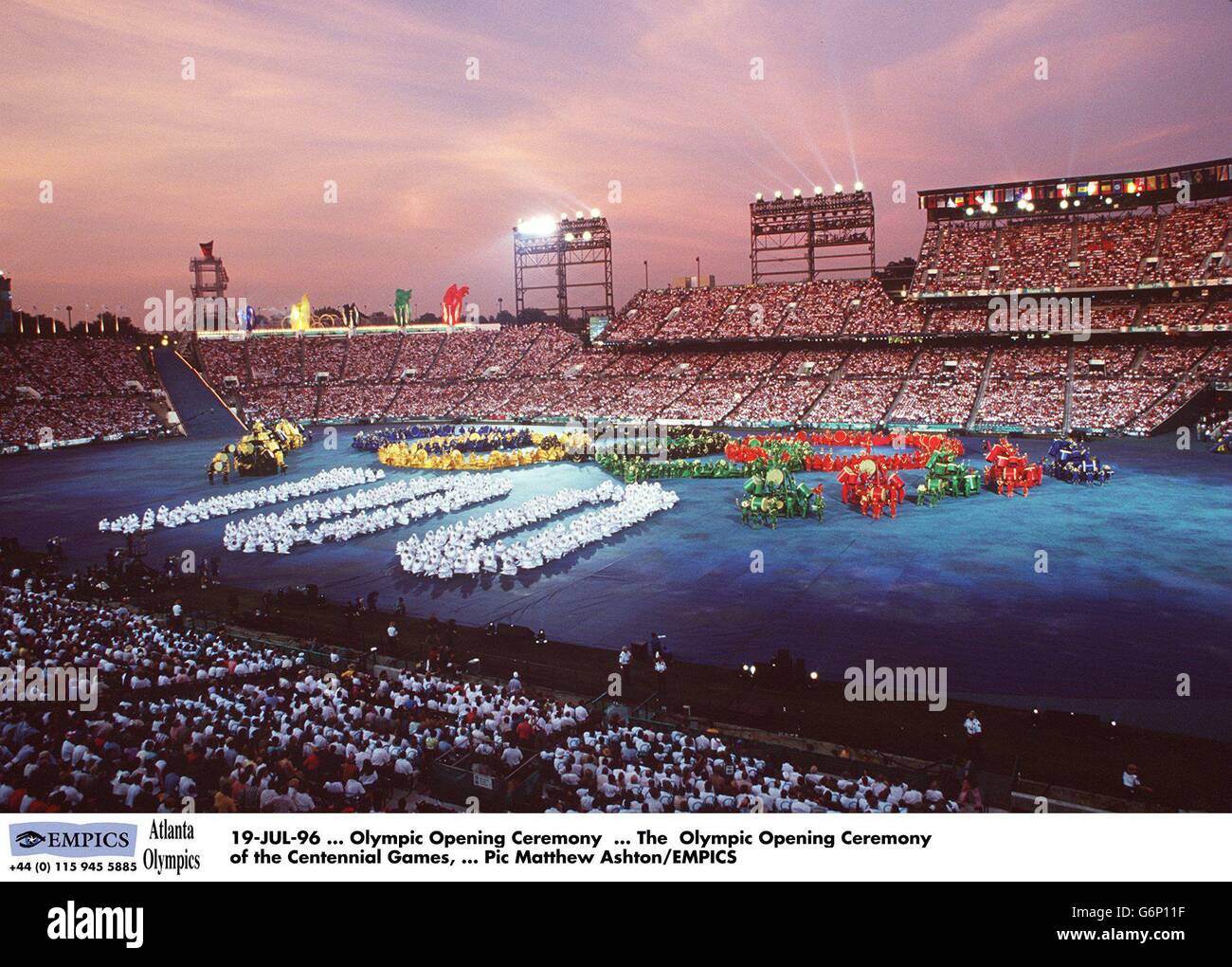
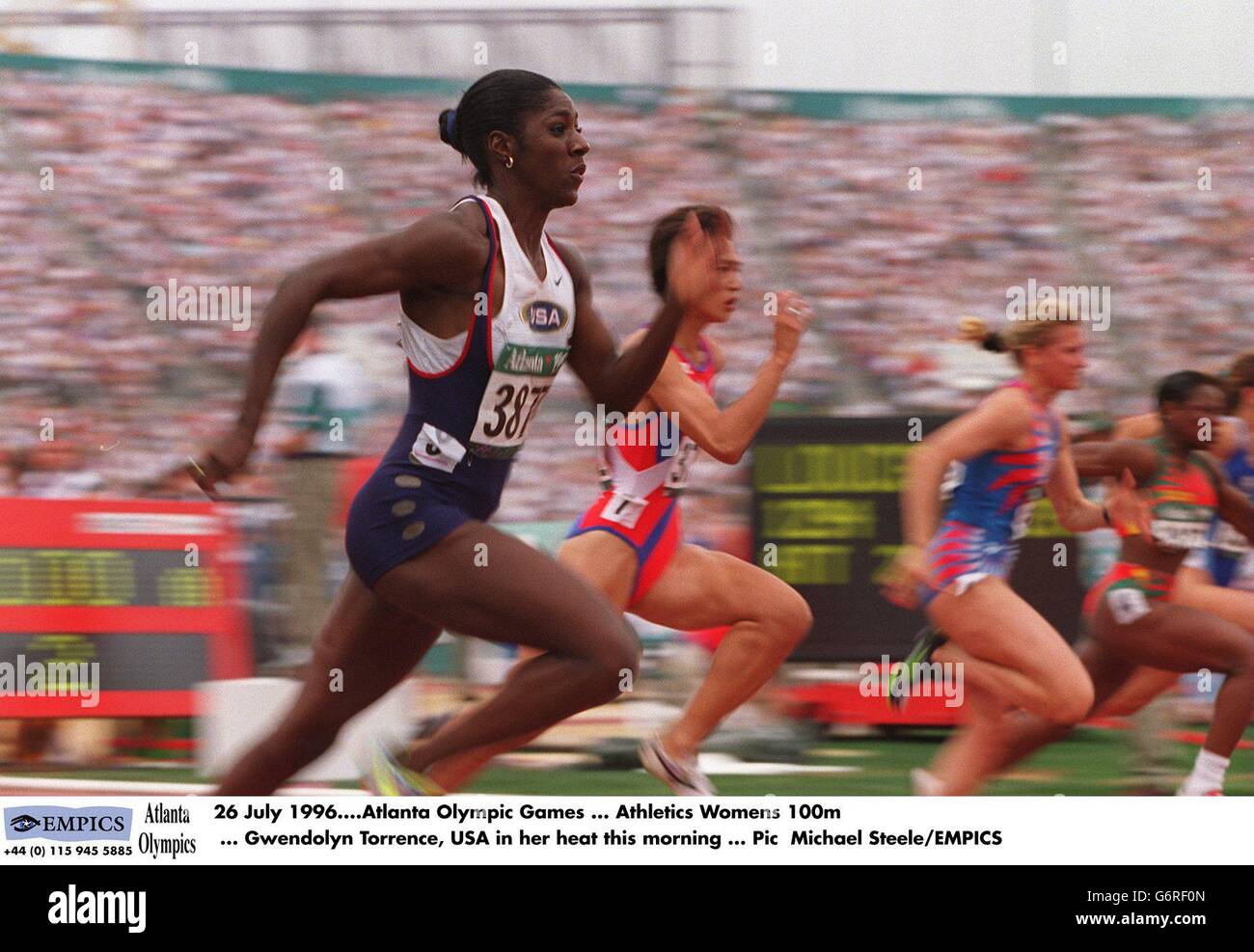
The 1996 Atlanta Summer Olympic Games, officially known as the Games of the XXVI Olympiad, marked a monumental chapter in modern sports history, bringing the world to Georgia for a celebration of athletic excellence, commercialization, and urban transformation, despite logistical hurdles, security challenges, and the tragic Centennial Olympic Park bombing.
Historical Background and the Bid for the Games
The journey to the 1996 Summer Olympics began years before the opening ceremony, driven by visionary local leadership and a calculated strategy to showcase the American South on a global stage. In 1987, former Atlanta legal counsel and businessman Billy Payne conceived the idea of bringing the Olympic Games to Atlanta, Georgia. Payne formed a non-profit organization, the Atlanta Organizing Committee (AOC), and enlisted the help of civic leaders, including former Atlanta Mayor Andrew Young, to pitch the city to the International Olympic Committee (IOC).
Atlanta faced formidable international competition for the right to host the Centennial Olympic Games. Rival cities included Athens, Greece—the sentimental favorite given the 100th anniversary of the modern Olympic movement—along with Toronto, Melbourne, Manchester, and Belgrade. Despite Athens launching a strong historical campaign, the IOC voted in Tokyo on September 18, 1990, awarding the 1996 Games to Atlanta. The decision surprised many observers who expected the birthplace of the Olympics to secure the milestone anniversary, but Atlanta's bid benefited from robust corporate backing, existing infrastructure plans, and a unified political front.
Unlike many previous host cities that relied heavily on government funding and state-backed budgets, the Atlanta bid was built on a private-enterprise model. Organizers promised a financially self-sufficient event funded through corporate sponsorships, television broadcast rights, ticket sales, and merchandise. This approach aligned with the commercial playbook established during the 1984 Los Angeles Summer Olympics, setting a new precedent for how mega-sporting events would be financed and managed moving forward.
Venue Construction and Infrastructure Development
Preparing a major metropolitan area for millions of global visitors required a massive mobilization of resources, architectural planning, and civil engineering. The Atlanta Committee for the Olympic Games (ACOG), led by Billy Payne as president and CEO, oversaw the construction of world-class sporting venues and the revitalization of urban spaces.
A core principle of the Atlanta plan was fiscal and environmental sustainability regarding venue legacy. Organizers utilized a mix of newly built permanent structures, temporary venues, and existing facilities across Georgia and neighboring states.
| Venue Name | Primary Sport / Event | Permanent or Temporary Status | Post-Games Legacy |
|---|---|---|---|
| Centennial Olympic Stadium | Track and Field, Opening/Closing Ceremonies | Converted Structure | Converted into Turner Field (Baseball) / Center Parc Stadium (Football) |
| Georgia Dome | Basketball, Artistic Gymnastics, Handball | Permanent | Operated as a major multi-purpose stadium until demolition in 2017 |
| Georgia Tech Alexander Memorial Coliseum | Boxing | Permanent | Continued use for collegiate athletics |
| Georgia World Congress Center | Fencing, Handball, Judo, Fencing, Table Tennis, Weightlifting | Permanent | Continued use as a major convention center |
| Stegeman Coliseum (Athens, GA) | Rhythmic Gymnastics, Volleyball | Permanent | Maintained by the University of Georgia for athletics |
| Ocoee River (Ducktown, TN) | Whitewater Slalom | Permanent / Modified Natural | Handled recreational whitewater tourism and training facility |
The centerpiece of the construction effort was Centennial Olympic Stadium. Designed to hold 85,000 spectators for the track and field events and ceremonies, the venue was engineered with a unique structural secret: the southern tier of the stadium was built as a temporary seating bowl. Following the conclusion of the Paralympic Games, that section was removed, and the facility was reconfigured into a baseball-specific stadium for the Atlanta Braves (Turner Field), before later becoming a football stadium for Georgia State University.
Beyond the sports venues, Atlanta invested heavily in urban revitalization. The most visible public project was the creation of Centennial Olympic Park, a 21-acre public gathering space in the heart of downtown Atlanta designed to serve as the town square for visitors and residents during the Games. Transportation infrastructure also received a significant upgrade, with expansions to the Hartsfield-Jackson Atlanta International Airport and enhancements to public transit systems to manage the anticipated influx of millions of spectators.
The Centennial Olympic Park Bombing and Security Challenges
Despite meticulous planning, the 1996 Atlanta Olympics faced severe security crises that tested the resolve of organizers, law enforcement, and the international community. The most devastating incident occurred in the early morning hours of July 27, 1996, midway through the Games.
A pipe bomb packed with shrapnel, planted by domestic terrorist Eric Rudolph, detonated in Centennial Olympic Park at approximately 1:20 AM. At the time, thousands of spectators were gathered in the park to watch a late-night concert by the band Jack Mack and the Heart Attack. The blast killed Alice Hawthorne, a visitor from Albany, Georgia, and injured 111 others. Melvyn Wheeler, a Turkish cameraman covering the Games, suffered a fatal heart attack while running to the scene with his equipment.
Security personnel played a critical role in preventing an even greater loss of life. Security guard Richard Jewell discovered a suspicious backpack underneath a bench near a sound tower. Recognizing the potential danger, Jewell alerted Georgia Bureau of Investigation (GBI) agents and local police, helping to evacuate the immediate area before the explosive device detonated. Initially hailed as a hero, Jewell was later subjected to an intense, premature FBI leak investigation that cast suspicion on him, before he was completely exonerated years later when Rudolph was identified as the true perpetrator through subsequent bombings.
The bombing shocked the world and cast a pall of grief and anxiety over the remainder of the event. However, IOC officials, athletes, and organizers insisted that the Games must go on as a testament to defiance against terrorism. Security across all Olympic venues, the Olympic Village, and public spaces was immediately tightened, transforming the atmosphere of the event but failing to derail the athletic competitions.
Athletic Highlights and Memorable Moments
The sports arenas of the 1996 Atlanta Olympics witnessed extraordinary athletic achievements, legendary performances, and cultural milestones that cemented the event's place in sports history. Over 10,000 athletes representing 197 National Olympic Committees competed across 271 events in 26 sports.
The "Magnificent Seven" and American Gymnastics Glory
One of the defining narratives of the Atlanta Games centered on the United States women's gymnastics team. Competing against traditional powerhouses like Russia and Romania, the American squad—affectionately dubbed the "Magnificent Seven"—delivered a historic performance in the team all-around competition.
The climax of the team competition featured a moment of sheer grit from gymnast Kerri Strug. Needing a strong score on her final vault to secure the gold medal for the United States, Strug landed awkwardly on her first attempt, severely tearing ligaments in her ankle. Despite the acute injury, she limped back up the runway, performed a one-legged landing on her second vault, secured the gold, and had to be carried to the medal podium by coach Béla Károlyi. Later in the Games, powerhouse gymnast Shannon Miller won gold on the balance beam, marking the first time an American gymnast won an individual Olympic gold medal in a non-boycotted overseas Olympic Games.
Track and Field Dominance
The track and field events at Centennial Olympic Stadium provided unforgettable moments of speed and endurance. French-Canadian sprinter Donovan Bailey set a new world record in the men's 100-meter dash, clocking 9.84 seconds to claim the title of the world's fastest man.
Meanwhile, American sprinter Michael Johnson achieved an unprecedented feat by winning gold medals in both the 200-meter and 400-meter events. Running in custom gold-colored spikes manufactured by Nike, Johnson broke the 200-meter world record with a stunning time of 19.32 seconds, a mark that stood for over a decade. In the women's events, American sprinter Marie-José Pérec of France and track legend Jackie Joyner-Kersee added to their storied careers, while local favorite and multi-event star Dan O'Brien captured gold in the decathlon, recovering from his heartbreak of failing to make the 1992 Olympic team.
The Dream Team II and Basketball Supremacy
Basketball commanded immense global attention in Atlanta. The United States men's national basketball team, commonly referred to as Dream Team III (following the original 1992 Dream Team), featured NBA superstars such as Charles Barkley, Shaquille O'Neal, Scottie Pippen, and Hakeem Olajuwon. The team dominated the tournament, capturing the gold medal by defeating Yugoslavia in the final game. In the women's tournament, the USA basketball team embarked on a dominant run that would launch a historic multi-decade international winning streak, capturing gold and galvanizing the popularity of women's basketball in the United States ahead of the launch of the WNBA.
Economic and Urban Legacy
Decades after the closing ceremony on August 4, 1996, analysts, urban planners, and economists continue to debate the long-term impact of the Atlanta Summer Olympics. Unlike subsequent Games that accumulated billions of dollars in sovereign debt, Atlanta's privately funded model generated a modest financial surplus, avoiding the severe municipal bankruptcies seen in later Olympic cycles.
From an urban development perspective, the Games acted as a catalyst for infrastructure renewal and downtown revitalization. The creation of Centennial Olympic Park spurred billions of dollars in subsequent private investment, transforming downtown Atlanta into a vibrant cultural, tourism, and residential hub. Neighboring cultural institutions, such as the Georgia Aquarium, the World of Coca-Cola, and the Center for Civil and Human Rights, eventually clustered around the park, creating a permanent tourism district.
However, the legacy is not without its criticisms. Critics and housing advocates pointed out that preparations for the Olympics led to the displacement of low-income residents, the demolition of public housing complexes, and increased policing in marginalized neighborhoods near the downtown core. The city's efforts to clean up public spaces often resulted in the marginalization of homeless populations, highlighting the socioeconomic tensions inherent in hosting mega-events.
Conclusion and Historical Significance
The 1996 Atlanta Summer Olympic Games remain a complex, fascinating study in sports history, corporate enterprise, and urban evolution. They showcased the pinnacle of human athletic achievement against the backdrop of international unity, while simultaneously enduring the stark realities of security vulnerabilities and political friction. By relying on private funding and leaving behind adaptable infrastructure, Atlanta redefined the operational blueprint for modern mega-events, ensuring that the Centennial Olympiad would be remembered as a transformative chapter for the city of Atlanta and the global Olympic movement.