Navigating the workforce for the first time as a fifteen-year-old can feel like an overwhelming puzzle of legal restrictions, limited work history, and competitive entry-level markets. As labor regulations shift and digital hiring platforms evolve, landing your first job in 2026 requires understanding not just what employers want, but the strict legal parameters governing minor employment. This comprehensive guide details the exact steps, legal requirements, and strategic approaches needed to secure your first paycheck safely and successfully.
Understanding Youth Employment Laws and Legal Limits
Before submitting a single application, every fifteen-year-old must understand the Fair Labor Standards Act (FLSA) guidelines and state-specific Department of Labor regulations. These laws are designed to protect education and safety, placing strict limits on when, how long, and where a minor can work.
Federal and state regulations stipulate distinct boundaries for fourteen and fifteen-year-olds compared to older teens. Understanding these constraints prevents illegal hiring practices and protects you from burnout.
- Maximum Work Hours: During school weeks, fifteen-year-olds are typically restricted to working a maximum of 3 hours on a school day and 18 hours per week. During non-school weeks, this expands to 8 hours per day and 40 hours per week.
- Permitted Hours: Work is generally restricted to the hours between 7:00 AM and 7:00 PM, though summer regulations (June 1 through Labor Day) often extend evening hours until 9:00 PM.
- Mandatory Documentation: Most states require minors to obtain a work permit or employment certificate through their school district or state labor department once an employment offer is accepted.
Navigating Employment Opportunities for 15-Year-Olds
Finding the right employer is crucial because many major corporate chains have strict minimum hiring ages of 16 or 18 due to liability and hazardous equipment policies. Focusing your job search on industries and businesses legally permitted and structurally inclined to hire fifteen-year-olds yields the highest success rate.
Local, family-owned businesses, community hubs, and specific recreational facilities offer the most viable entry points. These employers often value reliability, enthusiasm, and a strong community connection far more than prior professional experience.
Top Industries Open to 15-Year-Old Employees
- Food Service and Hospitality: Quick-service restaurants, local ice cream parlors, and bakeries frequently hire fifteen-year-olds for front-of-house hosting, cashiering, or packaging duties, provided they do not operate dangerous machinery like commercial slicers or deep fryers.
- Recreation and Leisure: Public pools, community parks, municipal youth sports leagues, and country clubs hire young teens for concession stand operation, equipment management, and groundskeeping assistance.
- Retail and Grocery: Local grocery stores, neighborhood markets, and independent boutique shops utilize fifteen-year-olds as courtesy clerks, baggers, stockers, and cart retrievers.
- Agriculture and Farming: Family farms and local orchards often employ youth for seasonal harvesting and fruit picking under specialized agricultural labor exemptions.
Comparing Entry-Level Work Settings for Teens
Evaluating different types of potential employers helps target the right environment for your schedule, transportation needs, and skill set. The table below outlines key factors for common teenage job sectors.
| Industry Sector | Typical Hourly Pay Range (2026) | Flexibility with School Schedule | Physical Demands | Common Job Titles |
|---|---|---|---|---|
| Quick-Service Food | Minimum Wage to $16.00 | High (Shift-based) | Moderate to High | Cashier, Host, Runner |
| Local Retail & Grocery | Minimum Wage to $15.50 | Moderate | Moderate | Bagger, Stocker, Clerk |
| Parks & Recreation | $15.00 to $18.00 | Low (Fixed seasonal hours) | Low to Moderate | Concession Attendant, Field Assistant |
| Neighborhood Services | $14.00 to $20.00 (or flat fee) | Very High (Self-determined) | High | Pet Sitter, Yard Care Assistant, Tutor |
Building a Professional Resume Without Prior Work Experience
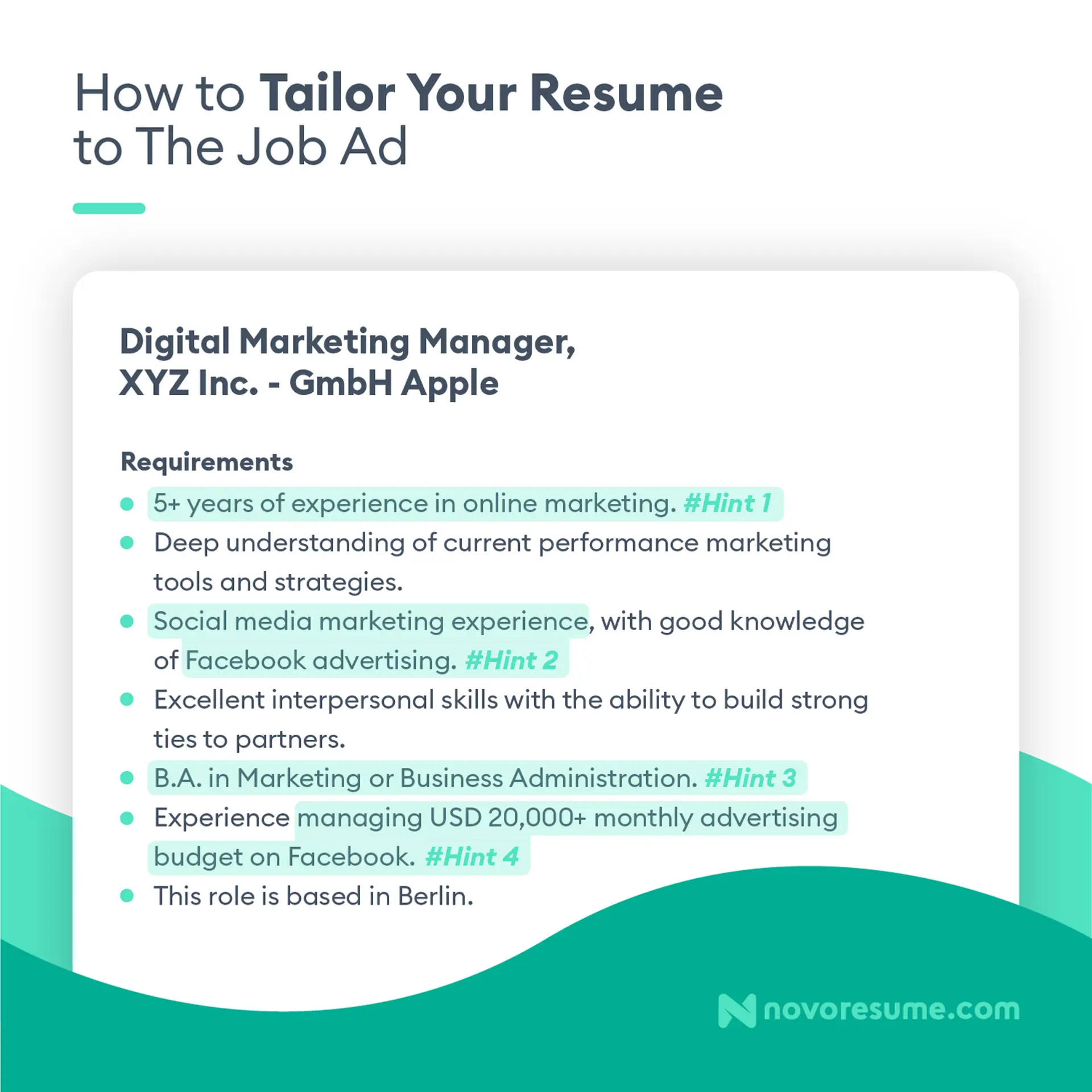
A common misconception is that a resume requires a history of traditional jobs. At age fifteen, employers expect a blank work history section. Instead of past employment, your resume must highlight your academic achievements, extracurricular involvement, volunteer work, and soft skills.
Focusing on transferable skills demonstrates your value to an employer. If you have captained a sports team, managed a school club treasury, or volunteered at a local animal shelter, you possess leadership, organization, and dedication.
- Education Section: Include your current high school, expected graduation year, and a highlighted Grade Point Average (GPA) if it is 3.0 or higher.
- Extracurricular Activities: List sports teams, debate clubs, theater productions, or student government positions, noting any leadership roles.
- Volunteer and Community Service: Detail hours spent at local food banks, religious organizations, or community clean-up events.
- Hard and Soft Skills: Enumerate proficiencies such as basic computer software use (Google Workspace, Microsoft Office), bilingual abilities, punctuality, active listening, and conflict resolution.
Crafting the Application and Securing the Interview
Once you have identified target businesses and prepared your resume, the application process requires attention to detail and professional presentation. Whether applying online or in person, your approach dictates your chances of landing an interview.
For local businesses, walking in during non-peak hours (such as mid-afternoon between the lunch and dinner rushes) and asking to speak directly with the hiring manager demonstrates initiative and confidence.
- The In-Person Approach: Dress in clean, neat clothing (business casual), bring a printed copy of your resume, and politely ask the front staff if the hiring manager is available to introduce yourself briefly.
- Online Applications: Fill out digital forms completely and accurately. Double-check all contact information and spelling before submission.
- Following Up: Wait approximately 4 to 7 days after submitting an application before making a polite phone call or in-person visit to express continued interest in the position.
Acing Your First Job Interview
The interview is your opportunity to convert a piece of paper into a personal connection. Because employers know you are fifteen and likely entering your first interview, they are not looking for corporate polish; they are evaluating your attitude, communication skills, and dependability.
Preparation is the antidote to interview anxiety. Practicing standard questions with a parent, teacher, or mentor ensures you can articulate your strengths smoothly.
Preparation Strategy for First-Time Interviews
Punctuality and Presentation: Arrive 10 minutes early. Wear clean, professional clothes. Greet the interviewer with a smile, a clear voice, and a firm handshake if appropriate.
Answering Behavioral Questions: When asked about weaknesses or challenges, frame them honestly around wanting to learn new skills, and highlight how you overcome obstacles through organization and persistence.
Asking Smart Questions: Always prepare two or three questions to ask the interviewer at the end, such as "What does a typical shift look like for someone in this role?" or "What qualities make someone successful at this company?"
Balancing Work, School, and Personal Well-Being
Securing a job is a major milestone, but maintaining balance is critical for long-term success. Your primary responsibility at fifteen remains your education and personal development.
Time management tools, open communication with your employer regarding exam schedules, and prioritizing rest ensure that earning a paycheck does not negatively impact your grades or mental health.
- Scheduling Boundaries: Provide your manager with your exact school availability well in advance and block off adequate time for homework and extracurricular commitments.
- Financial Literacy: Open a minor savings and checking account with a parent or guardian to begin managing your earnings, setting aside a percentage for savings, taxes, and personal spending.
- Burnout Prevention: If you notice your grades slipping or persistent exhaustion, communicate immediately with your employer to reduce your weekly shift hours.
Frequently Asked Questions About Getting a Job at 15
What are the easiest jobs to get when you are 15 years old?
The easiest jobs for a fifteen-year-old include bagging groceries, working as a camp counselor, busing tables at local restaurants, or offering independent neighborhood services like pet-sitting and lawn care. These roles typically have lower barriers to entry and value enthusiasm over extensive work history.
Do I need a work permit at age 15?
Yes, the vast majority of U.S. states and many international jurisdictions legally require minors to obtain a work permit or employment certificate signed by a school official and a parent before beginning employment. Check your specific state's Department of Labor guidelines for exact paperwork procedures.
Can I work during the school year as a 15-year-old?
Yes, you can work during the school year, but federal and state laws strictly limit your hours to protect your education, usually capping work at 3 hours per school day and 18 hours per week, with mandatory evening curfews like 7:00 PM.
How should I write a resume if I have never had a job?
Focus your resume on your education, school clubs, sports teams, volunteer work, and personal projects. Highlight transferable soft skills such as reliability, teamwork, communication, and punctuality rather than professional work experience.
What should I wear to a job interview for my first job?
Wear clean, professional, business-casual attire, such as a collared shirt or blouse with neat slacks or a modest skirt, avoiding overly casual items like athletic wear, graphic t-shirts, ripped jeans, or sandals.
Conclusion and Next Steps
Landing your first job at fifteen is an empowering step toward financial independence and professional growth. By understanding labor laws, targeting appropriate industries, preparing a skills-based resume, and approaching interviews with confidence, you set yourself up for long-term career success. Begin by mapping out local businesses that hire minors, drafting your resume, and visiting your school guidance office to understand local work permit requirements today.