When evaluating horror cinema, few adaptations command as much cultural and box office dominance as Stephen King's epic tale of terror, brought to the screen across multiple generations. Whether you are revisiting the classic 1990 miniseries or analyzing the modern cinematic duology, understanding the official IT movie age rating is essential for determining viewing appropriateness for younger audiences. This comprehensive guide details the Motion Picture Association (MPA) ratings, global classification standards, content triggers, and parental advisory frameworks relevant for 2026 audiences.
Decoding the MPA Ratings for the Modern IT Cinematic Universe
The contemporary cinematic adaptation of Stephen King's novel is split into two distinct chapters directed by Andy Muschietti: IT (released in 2017) and IT Chapter Two (released in 2019). Both feature high-intensity psychological horror, intense violence, and mature themes that heavily influenced their classification.
To help parents and viewers understand why these films received their specific designations, the table below breaks down the rating metrics, release timelines, and core content justifications for both theatrical releases.
| Film Title | Release Year | Official MPA Rating | Primary Justification for Rating | Runtime |
|---|---|---|---|---|
| IT | 2017 | R | Rated R for violence, terror, disturbing images, and some language including sexual references. | 135 Minutes |
| IT Chapter Two | 2019 | R | Rated R for disturbed violence and bloody images, pervasive language, and some crude sexual material. | 169 Minutes |
An R rating means that under-17 requires accompanying parent or adult guardian. This classification is strictly enforced across theatrical chains, digital streaming platforms, and physical media rentals, reflecting the intense and graphic nature of the narrative.
Content Breakdown: Why IT Earns Its R Rating
Understanding the numerical rating requires looking closely at the specific elements that push these films into mature territory. Unlike PG-13 supernatural thrillers that rely on jump scares and atmospheric dread, the IT franchise incorporates visceral physical horror and psychological trauma.
Violence and Gore
The physical threat manifested by Pennywise the Dancing Clown involves severe bodily harm, traumatic injuries to children and adults, and bloody creature effects. The opening sequence of the 2017 film, involving a young boy named Georgie Denbrough, sets a brutally uncompromising tone for the rest of the narrative. Limbs are severed, blood splatters are frequent, and practical effects combined with CGI create deeply disturbing imagery.
Psychological Terror and Themes
Beyond physical violence, the films explore heavy thematic elements including childhood bullying, grief, domestic abuse, isolation, and post-traumatic stress. The manifestation of fear as a shapeshifting entity preys directly on the psychological vulnerabilities of both children and adults. For sensitive viewers, these themes can induce acute anxiety and lingering distress long after the credits roll.
Language and Dialogue
Pervasive adult language runs throughout both films. The characters—both the young members of the Losers' Club and their adult counterparts—frequently use strong profanity, crude jokes, and insults typical of realistic peer interactions under extreme duress, as well as period-appropriate slang from the respective settings of 1989 and 2016.
Comparing the 1990 Miniseries Versus the 2017-2019 Films
Many viewers confuse the modern theatrical films with the 1990 television miniseries starring Tim Curry as Pennywise. Navigating the age rating differences between these two adaptations is critical for families selecting a viewing option.
- 1990 Television Miniseries: Rated TV-14 or unrated for broadcast television standards of its era. While it contains genuinely terrifying concepts and Tim Curry's iconic performance, the visual effects and violence are heavily constrained by broadcast censorship guidelines. It lacks the graphic gore, profanity, and explicit trauma of the modern films.
- 2017-2019 Theatrical Duology: Unrestricted by network television censors, these modern iterations are explicit, R-rated theatrical features designed for adult and mature teenage audiences. They lean heavily into modern horror filmmaking techniques, resulting in a much more intense and visceral experience.
Parental Advisory Note
Age Appropriateness Assessment Even mature teenagers who enjoy mainstream horror may find the psychological and physical violence in the modern IT films overwhelming. Parents should review user-generated content advisories or watch spoiler-free video essays detailing specific triggers before granting permission to view.
Global Classification Standards for the IT Franchise
International rating boards mirror the MPA's strict stance on the modern IT adaptations. Across global territories, classification authorities uniformly restrict access to older audiences due to the intense horror elements.
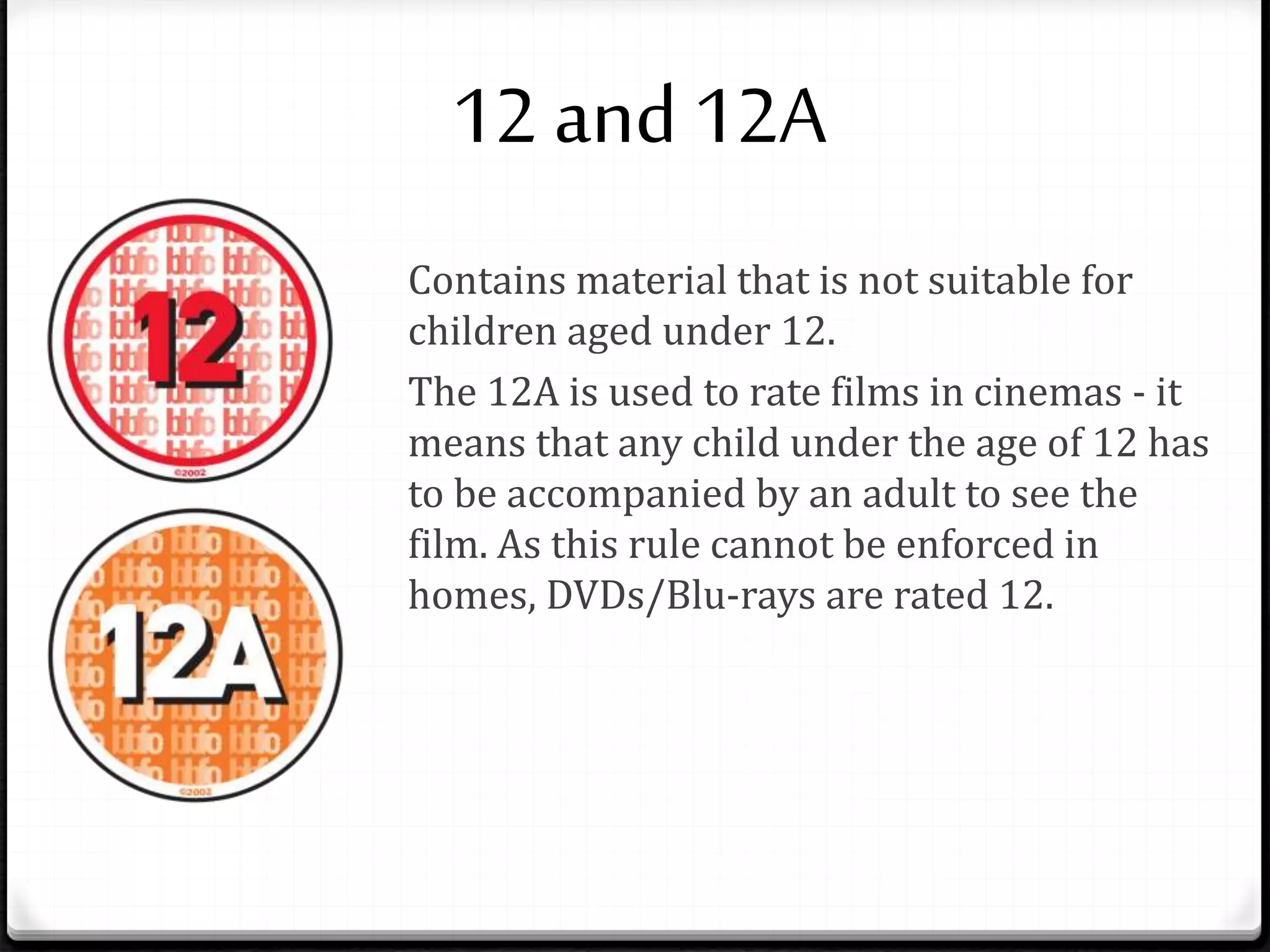
- United Kingdom (BBFC): Classified as 15 for strong horror, violence, and threat. No one younger than 15 is legally permitted to view the films in a cinema or purchase the media.
- Australia (ACB): Classified as MA 15+ (Mature Accompanied), restricting viewing to persons aged 15 or older unless accompanied by a parent or adult guardian.
- Canada (Provincial Boards): Generally rated 14A or 18A depending on the specific province, requiring parental guidance or an adult accompaniment for younger teens.
Frequently Asked Questions About IT Movie Age Ratings
Can a 13-year-old watch the IT movies?
Officially, no. Because both films are rated R, a 13-year-old cannot legally purchase a ticket or view the films in a theater without a parent or adult guardian present. Parents choosing to stream the film at home should evaluate their child's emotional maturity and tolerance for graphic horror.
Is there any sexual content in the IT films?
While the films do not contain explicit sexual intercourse, they do feature crude sexual humor, dialogue containing sexual references, and brief thematic elements involving uncomfortable adolescent dynamics and abuse, particularly concerning the character of Beverly Marsh.
Which IT movie is scarier or more violent?
IT Chapter Two (2019) is generally considered more visually disturbing and longer in runtime, featuring heightened body horror and intense psychological breakdowns among the adult characters. However, the original 2017 film contains several deeply unsettling sequences involving child peril that many viewers find more emotionally distressing.
Are the IT movies based on a true story?
No. The films are adaptations of Stephen King's 1986 bestselling horror novel It. While the fictional town of Derry, Maine, draws atmospheric inspiration from King's real-life experiences in Bangor, Maine, the shape-shifting cosmic entity and supernatural events are entirely fictional.
Where can I stream the IT films in 2026?
Streaming availability varies by region and shifting licensing agreements across major subscription video-on-demand (SVOD) platforms like Max, Netflix, or digital storefronts such as Amazon Prime Video and Apple TV. Always check your local platform's integrated parental control settings to lock R-rated content behind a PIN if necessary.
Conclusion and Final Recommendation
Navigating the age ratings for horror media requires balancing entertainment value with emotional and psychological preparedness. The modern IT cinematic universe delivers masterclass creature design and compelling storytelling, but its official R rating is well-earned. For younger viewers or those sensitive to graphic violence and psychological terror, exploring lighter supernatural media or reviewing the tamer 1990 television version remains a prudent alternative before tackling Muschietti's modern masterpieces.