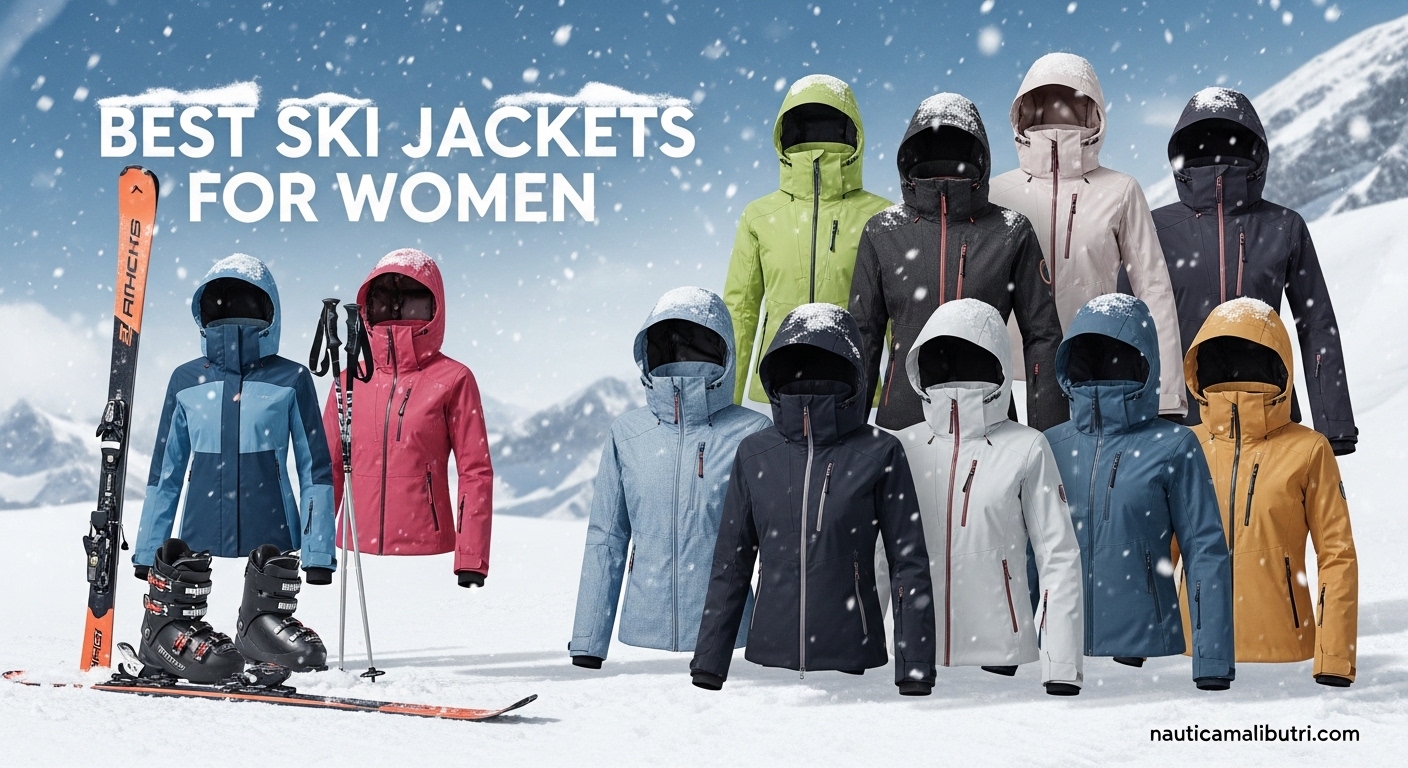
In 2018, the pinnacle of winter warmth for skiers was defined by jackets like the Arc’teryx Macai for premium down insulation and the Helly Hansen Alpha 3.0 for synthetic performance. These models revolutionized thermal regulation using hybrid insulation and advanced waterproof membranes, remaining benchmarks for durability even as we look back from 2026.
The Landscape of Ski Jacket Technology in 2018
The year 2018 marked a significant turning point in the outdoor apparel industry. Manufacturers shifted away from "bulk for the sake of warmth" and moved toward highly engineered, body-mapped insulation. This approach allowed for maximum thermal retention in the core while maintaining mobility and breathability in the arms and underarms.
At this time, the competition between natural down and synthetic alternatives reached a fever pitch. Down remained the undisputed king of warmth-to-weight ratios, but the vulnerability of down to moisture—which causes it to clump and lose its insulating properties—led to the rise of hydrophobic down treatments and sophisticated synthetic blends like PrimaLoft Gold. For the resort skier in 2018, the goal was clear: find a jacket that could withstand a -10°F morning on a chairlift without causing overheating during a vigorous mogul run.
The Rise of Hybrid Construction
One of the most notable trends in 2018 was Down Composite Mapping. This technical approach, pioneered by brands like Arc’teryx, involved placing synthetic insulation in areas prone to moisture (like the hem, collar, and cuffs) while utilizing high-loft down in the core and sleeves where warmth is most critical. This mitigated the primary weakness of down jackets in snowy environments, ensuring that even if a skier took a spill or encountered heavy sleet, the jacket would retain its structure and warmth.
Furthermore, the integration of 4-way stretch fabrics became more common in 2018. Before this era, high-warmth jackets often felt stiff or restrictive, like wearing a sleeping bag. The 2018 crop of top-tier jackets utilized mechanical stretch in the outer shells, allowing for a slimmer, more aerodynamic fit that didn't compromise the skier's range of motion.
Top Picks for Winter Warmth: 2018 Model Reviews
When evaluating the best jackets of 2018, three criteria stood above the rest: thermal efficiency, weather protection (hydrostatic head rating), and functional features like powder skirts and specialized pockets.
Arc’teryx Macai: The Gold Standard for Frigid Days
The Arc’teryx Macai was widely considered the most expensive and most capable insulated ski jacket on the market in 2018. It was designed specifically for those who spend their days in the coldest climates, such as the Canadian Rockies or the interior of Japan.
Technical Specifications:
- Insulation: 750-fill European goose down combined with Coreloft™ synthetic insulation.
- Shell: GORE-TEX 3L (three-layer) fabric.
- Weight: Approximately 1000 grams.
The Macai stood out because of its Down Contour Construction™. This was not just a fancy marketing term; it represented a structural shift in how baffles were sewn. By creating smaller, more precise chambers, Arc’teryx eliminated the "cold spots" often found in traditional quilted jackets. From a 2026 perspective, the Macai remains a sought-after item on the secondary market because its GORE-TEX 3L shell is incredibly robust, often lasting a decade if properly maintained with DWR (Durable Water Repellent) treatments.
Helly Hansen Alpha 3.0: The Versatile Resort King
While the Macai focused on raw warmth, the Helly Hansen Alpha 3.0 focused on the "active skier." This jacket was a staple in 2018 for its balanced approach to temperature regulation. It utilized PrimaLoft Gold insulation, which is widely regarded as the highest-performing synthetic insulation available.
The Alpha 3.0 featured Helly Hansen’s proprietary H2Flow system. This was a mechanical venting system that allowed skiers to dump heat almost instantly. In 2018, this was a game-changer for people who transitioned frequently between high-intensity skiing and long, cold chairlift rides. Another standout feature was the Life Pocket, an insulated pocket designed to keep smartphone batteries from dying in sub-zero temperatures—a problem that was particularly prevalent with the hardware of that era.
Patagonia Powder Bowl: Sustainability Meets Heat
Patagonia has long been a leader in environmental responsibility, and the 2018 Powder Bowl jacket was a testament to that mission. It used a 100% recycled polyester GORE-TEX face fabric. While it was slightly heavier and stiffer than the Macai or the Alpha 3.0, it offered a "bombproof" feel that many backcountry and off-piste skiers preferred.
The insulation in the 2018 Powder Bowl was Thermogreen, a 60-gram synthetic fill. While 60 grams might sound light compared to a down parka, the Powder Bowl was designed to be part of a layering system. Its warmth came from its ability to block 100% of the wind and trap a layer of heated air between the jacket and the wearer's mid-layer.
Columbia Whirlibird IV: The Value-Driven 3-in-1
For skiers on a budget in 2018, the Columbia Whirlibird IV Interchange was the definitive choice. Columbia’s primary technology at the time was Omni-Heat Reflective, characterized by the silver "space blanket" dots on the interior lining. These dots were designed to reflect body heat back toward the wearer while allowing moisture to escape through the gaps.
As a 3-in-1 jacket, the Whirlibird offered a removable insulated liner and a waterproof shell. While it lacked the refined breathability of GORE-TEX, it provided immense warmth for its price point. In the 2026 resale market, these jackets are still highly functional for casual resort skiing, though the Omni-Heat dots can sometimes wear off after years of heavy washing.
2018 Ski Jacket Comparison Table
This table compares the primary "warmth" factors of the top 2018 models to help visualize the differences in their construction.
| Model | Insulation Type | Warmth Rating (1-10) | Waterproofing | Best For |
|---|---|---|---|---|
| Arc'teryx Macai | 750-Fill Down / Coreloft | 10 | GORE-TEX 3L | Extreme Cold / Luxury |
| Helly Hansen Alpha 3.0 | PrimaLoft Gold | 8 | HELLY TECH Pro | Resort Performance |
| Patagonia Powder Bowl | Thermogreen Synthetic | 7 | GORE-TEX 2L | Durability / All-Mountain |
| Columbia Whirlibird IV | Microtemp XF II | 9 (Combined) | Omni-Tech | Budget / Versatility |
| Outdoor Research Hemispheres | None (Shell) | 3 | GORE-TEX Stretch | Backcountry Touring |
Understanding Warmth: Fill Power vs. Insulation Weight
A common point of confusion in 2018—and one that persists in 2026—is the difference between fill power and insulation weight.
Fill Power (Down)
Fill power (e.g., 750-fill, 800-fill) is a measure of the "loft" or fluffiness of the down. It indicates how many cubic inches one ounce of down can displace. Higher fill power means the down can trap more air for its weight. The Arc’teryx Macai’s 750-fill down was a premium choice that allowed the jacket to be incredibly warm without looking bulky.
Insulation Weight (Synthetic)
Synthetic insulation is measured in grams per square meter (gsm). A jacket with 100g insulation is significantly warmer (and heavier) than one with 60g insulation. The Helly Hansen Alpha 3.0 typically utilized 80g in the body and 60g in the sleeves to balance core warmth with arm mobility.
The Role of Waterproofing in Warmth
It is impossible to stay warm if you are wet. In 2018, the hydrostatic head was the standard measurement for waterproofing. A jacket like the Patagonia Powder Bowl with a 20,000mm rating could withstand heavy, wet snow for hours without the moisture "wetting through" to the insulation. Once insulation gets wet, its thermal resistance (R-value) drops dramatically.
Looking Back from 2026: Why 2018 Gear Still Holds Up
As of 2026, many of these 2018 jackets are still in active use. This is a testament to the build quality of that era. Unlike fast-fashion winter coats, technical ski jackets from 2018 were built with high-denier face fabrics (often 70D to 150D) designed to resist abrasions from ski edges and tree branches.
If you are currently evaluating a 2018 model on a used gear site, there are several factors to consider:
- DWR Degradation: The chemical coating that makes water bead off the shell usually lasts 2–5 years depending on use. By 2026, any 2018 jacket will likely need a "re-waterproofing" treatment using products from brands like Nikwax or Grangers.
- Seam Tape Integrity: Over time, the adhesive that holds the waterproof seam tape can dry out and flake off. Check the interior of the jacket for any peeling tape around the shoulders and hood.
- Down Clumping: If a down jacket like the Macai was stored compressed in a stuff sack for years, the down may have lost some of its loft. A low-heat tumble dry with clean tennis balls can often restore its 2018 warmth levels.
Maintenance Strategies for Older Technical Jackets
To ensure a 2018-era jacket continues to provide "top pick" warmth in 2026, proper maintenance is essential. Many users mistakenly believe that washing a technical jacket ruins it; in reality, dirt and body oils clog the pores of the GORE-TEX membrane and degrade the insulation.
- Washing: Use a technical wash (not standard laundry detergent). Standard detergents contain surfactants that attract water, which is the opposite of what you want for a ski jacket.
- Drying: Heat is actually beneficial for GORE-TEX. After washing, a 20-minute tumble dry on medium heat "reactivates" the DWR coating on the face fabric.
- Storage: Never store an insulated jacket compressed. Hang it in a cool, dry place to maintain the loft of the down or synthetic fibers.
Common Mistakes When Buying for Warmth
In 2018, many consumers made the mistake of buying the "warmest" jacket available, only to find they were miserable on the slopes. This is known as the "Over-Insulation Trap."
If you ski in a region with high humidity or if you are a high-output skier (someone who moves fast and sweats a lot), the warmest jacket (like the Macai) might actually make you colder. Sweat trapped inside the jacket will eventually cool down, leading to a chill that is difficult to shake. For these individuals, a 2018 shell like the Outdoor Research Hemispheres paired with a breathable mid-layer was actually a warmer solution because it managed moisture more effectively.
Another mistake was ignoring the neck and hood interface. A significant amount of heat is lost through the chimney effect—warm air escaping through the neck opening. The top picks of 2018 all featured "tall collars" and helmet-compatible hoods with multi-point adjustment systems to seal in that heat.
Frequently Asked Questions
Which 2018 ski jacket was the absolute warmest?
The Arc’teryx Macai was widely regarded as the warmest technical ski jacket of 2018. Its combination of 750-fill goose down and a GORE-TEX shell provided a level of windproofing and thermal retention that was unmatched by synthetic competitors. It was designed specifically for "stationary warmth" on chairlifts in sub-zero temperatures.
Is synthetic insulation better than down for skiing?
It depends on the conditions. In 2018, synthetic insulation (like PrimaLoft) was recommended for skiers in wet climates like the Pacific Northwest or the East Coast of the US, where snow is often heavy and damp. Down is superior for "dry cold" climates like Colorado, Utah, or Western Canada, where the humidity is low and the risk of the insulation getting wet from the outside is minimal.
How do I know if a 2018 jacket is still waterproof in 2026?
The easiest way to test this is the "bead test." Pour a small amount of water onto the shoulder of the jacket. If the water beads up and rolls off, the DWR is still functional. If the water soaks into the fabric and the fabric turns a darker color (known as "wetting out"), the jacket needs a fresh DWR treatment. This does not necessarily mean the waterproof membrane is broken, but the jacket's breathability will be severely compromised.
What is the "Life Pocket" in Helly Hansen jackets?
The Life Pocket, introduced prominently in the 2018 Alpha 3.0, is a pocket lined with PrimaLoft Aerogel. Aerogel is an incredibly light and insulating material originally developed by NASA. By lining the pocket with this material, Helly Hansen was able to keep smartphone batteries significantly warmer than the ambient outside temperature, extending battery life by up to two or three times in extreme cold.
Why was the Outdoor Research Hemispheres jacket popular if it wasn't insulated?
The Hemispheres jacket was a "top pick" because it solved the problem of mobility. It featured GORE-TEX Fabric with Stretch Technology in key areas like the hood and back. While it provided no insulation of its own, it allowed skiers to wear thick, high-loft mid-layers underneath without feeling restricted. For many, the "warmest" setup was a combination of a down vest and the Hemispheres shell.
Practical Recommendation for Skiers
If you are looking for the best performance from the 2018 vintage in the year 2026, the Helly Hansen Alpha 3.0 remains the most balanced recommendation for the average resort skier. Its synthetic insulation is more resilient than down over many years of use, and its feature set—including the Life Pocket and H2Flow venting—has aged remarkably well. For those skiing in the absolute coldest conditions where price is no object, the Arc'teryx Macai continues to be the gold standard for thermal luxury and protection. Always remember to pair these jackets with a high-quality moisture-wicking base layer to ensure your body's natural heat is managed effectively.