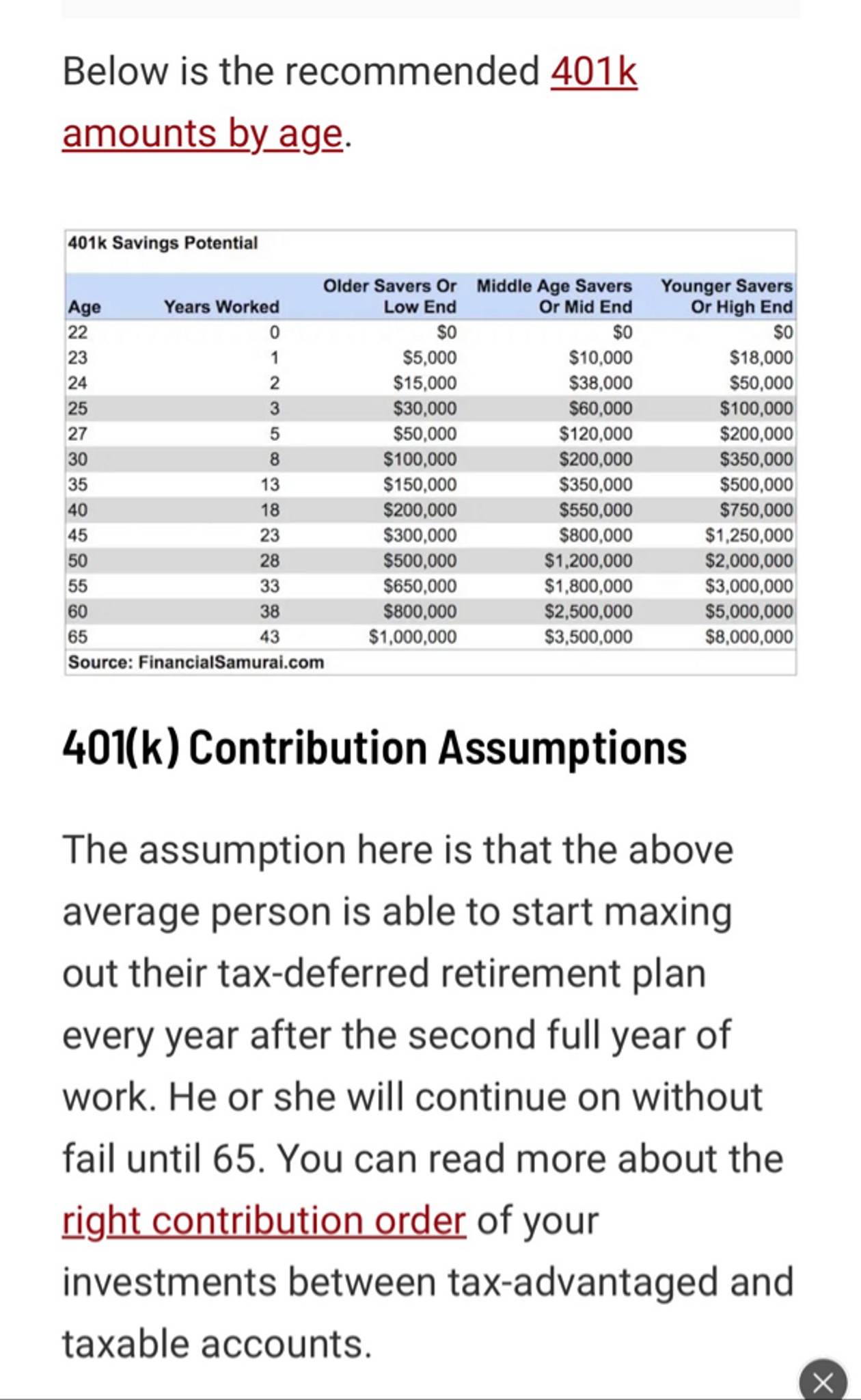
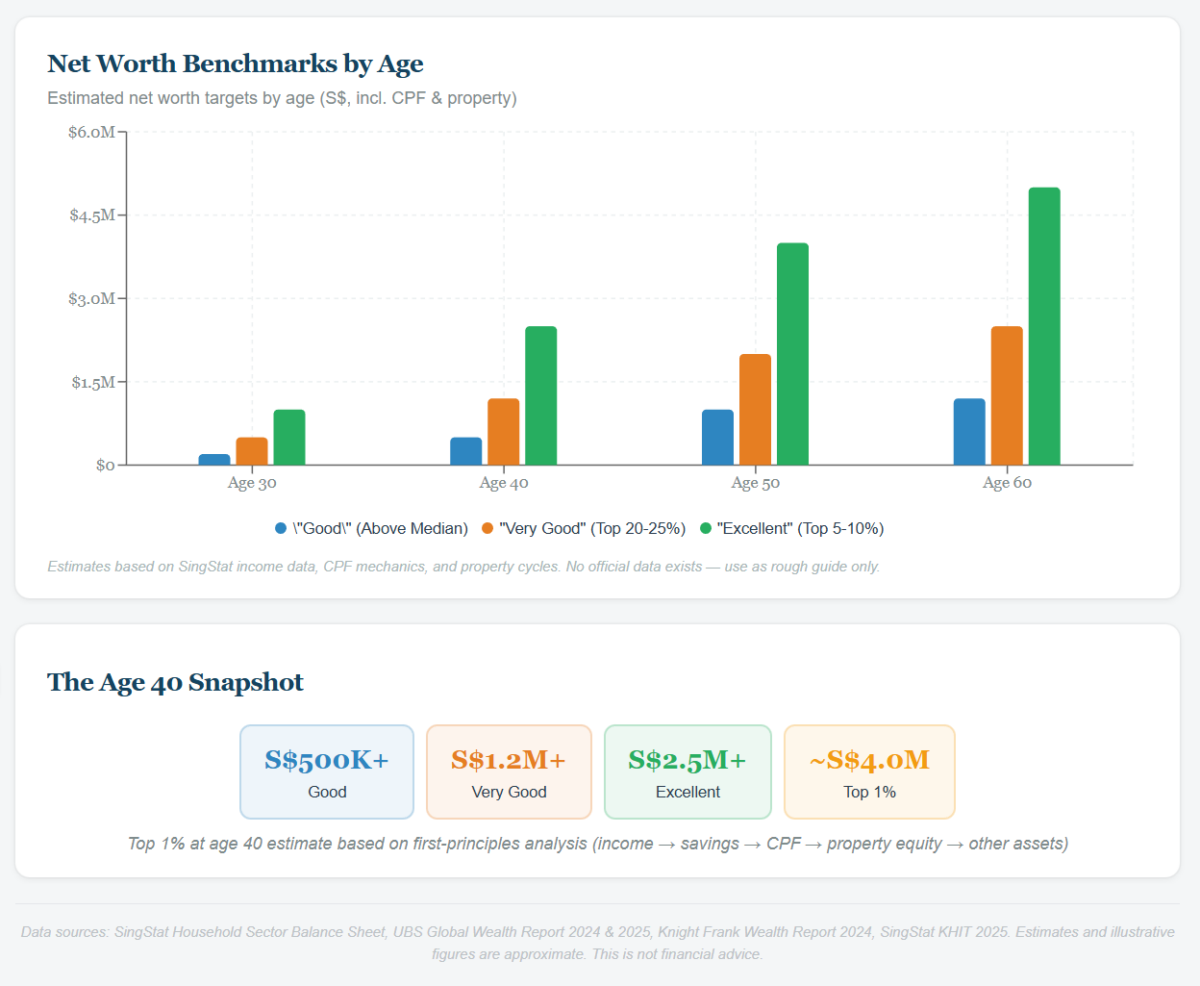
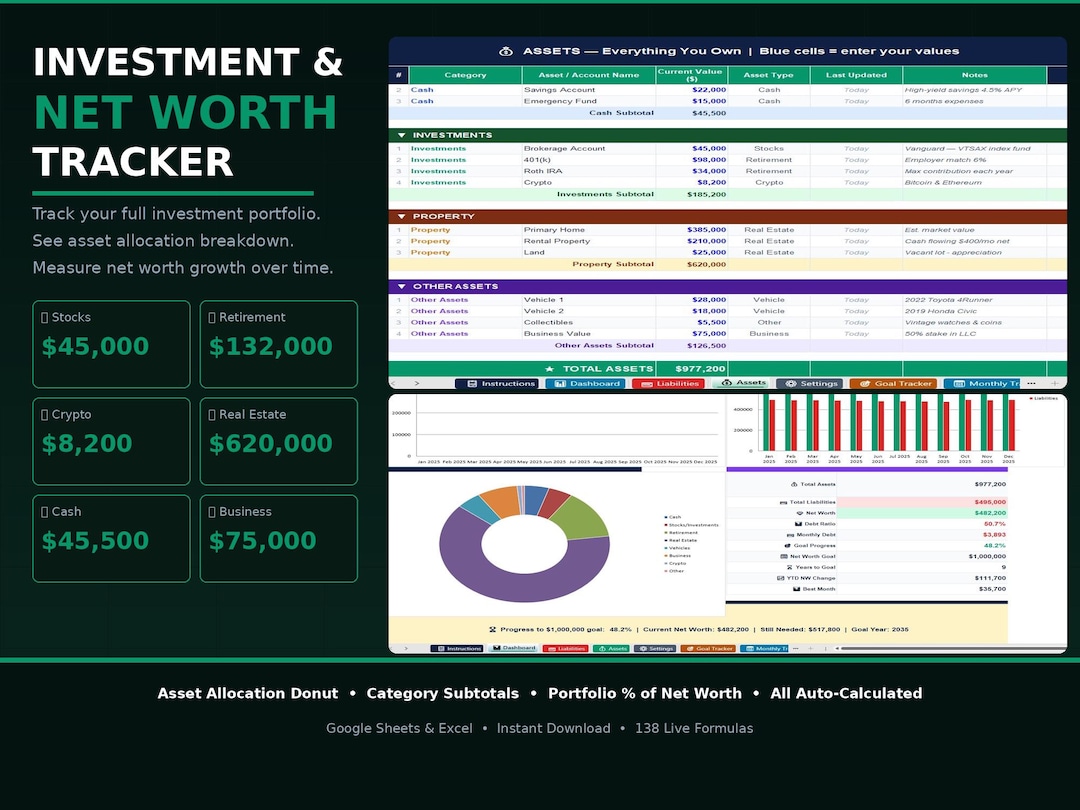
Yes, a 401(k) should be included in your personal net worth calculation because it represents a significant asset with tangible monetary value. While it is a tax-advantaged retirement account with specific withdrawal rules, it constitutes a core component of your total wealth, reflecting the actual equity you have accumulated that can be liquidated or converted into income during your retirement years.
Understanding the Concept of Net Worth
Net worth is the fundamental metric of financial health, defined simply as the difference between your total assets and your total liabilities. An asset is anything you own that has monetary value, while a liability is anything you owe to another party. By subtracting what you owe from what you own, you arrive at a snapshot of your financial standing at a specific point in time.
The debate regarding whether to include a 401(k) in this calculation often stems from a misunderstanding of its purpose versus its accounting status. Because a 401(k) is "locked" until age 59½ (absent specific exceptions or penalties), some individuals view it as distinct from "liquid" assets like a savings account. However, from an accounting perspective, the restriction on access does not negate the ownership of the asset. The balance reported by your plan administrator is your property, and it contributes directly to your total economic resources.
Why Your 401(k) Is a Critical Asset
To build an accurate financial picture, you must recognize that retirement accounts are deferred assets rather than non-existent ones. Excluding them leads to an underestimation of your true financial position.
1. Future Economic Value
A 401(k) represents future purchasing power. If you were to pass away, these funds generally pass to your beneficiaries. If you were to encounter a severe financial crisis, many plans offer loan provisions or, in extreme circumstances, hardship withdrawals. Even if you do not plan to touch the money for decades, the growth within that account is a direct result of your historical contributions and market performance, both of which are central to your wealth-building trajectory.
2. Asset Allocation Balance
When you calculate your net worth, you gain insight into your asset allocation. If you ignore your 401(k), you might perceive your portfolio as heavily skewed toward real estate or cash, leading to poor decision-making regarding risk. By including your 401(k), you see the full scale of your investments, allowing for a more accurate assessment of whether your risk tolerance is appropriate for your total net worth.
3. Tracking Financial Progress
Net worth serves as a scorecard. If your primary goal is long-term wealth accumulation, measuring net worth without retirement accounts would render your progress invisible during your prime working years. Including your 401(k) allows you to track the compounding effect of your contributions and investment returns over time, which is essential for determining if you are on track to meet your long-term life objectives.
Accounting for Taxes and Penalties
While including the gross balance of your 401(k) is the standard method for calculating net worth, sophisticated investors often distinguish between "nominal" net worth and "after-tax" net worth.
If you have a traditional 401(k), the funds within it are pre-tax. This means that a portion of that balance technically belongs to the government in the form of future income taxes. Some individuals choose to estimate the after-tax value of their 401(k) by subtracting their estimated future tax rate from the total balance. While this provides a more "conservative" view of what you might actually spend in retirement, it is not the standard accounting practice for calculating net worth. Most financial institutions and net worth trackers use the gross balance to ensure consistency and simplicity.
| Asset Type | Inclusion in Net Worth | Reasoning |
|---|---|---|
| Cash/Savings | Yes | Immediate liquidity and current value. |
| Real Estate (Equity) | Yes | Market value minus outstanding mortgage. |
| Traditional 401(k) | Yes | Asset value held in your name for future use. |
| Roth 401(k) | Yes | Asset value, generally tax-free upon withdrawal. |
| Social Security | No | A government benefit, not an owned asset. |
| Pension (Defined Benefit) | Optional | Usually excluded until vested/payable as an asset. |
Differentiating Between Assets and Future Benefits
A common point of confusion involves Social Security and traditional pension plans. Unlike a 401(k), where you hold an individual account balance, Social Security is a promise of future income based on government policy. Because you cannot sell, transfer, or borrow against your future Social Security benefits, these should not be included in your current net worth.
Pensions operate in a middle ground. While they have value, you generally cannot access the lump-sum equivalent of a pension in the same way you can view the daily balance of a 401(k). Therefore, while a pension is a valuable piece of your retirement strategy, it is best categorized as "future income" rather than "current net worth." The 401(k) remains firmly in the "asset" column because the balance is a verified, quantifiable sum that you own.
Common Pitfalls in Calculating Net Worth
When determining your net worth, consistency is more important than the specific items you choose to include or exclude. However, several mistakes can lead to an inaccurate perception of your wealth.
- Valuing Assets Based on Cost: Always use the current market value (Fair Market Value) for your 401(k) and other investments. Do not use the amount you originally contributed; use the balance as of your most recent statement.
- Forgetting Liabilities: If you have taken a loan against your 401(k), this must be accounted for. Usually, you would subtract the remaining balance of the loan from the total account value or list the loan as a liability. Failing to track 401(k) loans can artificially inflate your net worth.
- Infrequency: Net worth is a dynamic figure. If you only calculate it once every five years, you will miss the trends that inform your financial decisions. Quarterly or bi-annual check-ins are generally sufficient for most individuals.
- Ignoring Inflation: While your nominal net worth may increase, ensure you are tracking your purchasing power. A 401(k) balance that grows 3% while inflation is 4% means your "real" wealth is actually declining.
How to Properly Track Your 401(k) Value
To include your 401(k) in your net worth accurately, log into your plan administrator's portal to retrieve the most recent "Current Balance." This figure is the baseline for your asset calculation.
If you are using a spreadsheet or a financial tracking application, update this figure during every review cycle. Ensure that you are looking at the total value of the account, inclusive of all mutual funds, target-date funds, or company stocks held within it. If you have multiple retirement accounts—such as an old 401(k) from a previous employer—ensure they are all aggregated into your total asset figure.
Frequently Asked Questions
Does a 401(k) count as a liquid asset? No, a 401(k) is generally considered an "illiquid" or "long-term" asset. While it has value, accessing it before retirement age usually triggers taxes and a 10% penalty. It should be included in your total net worth but excluded from your "emergency fund" or "liquid net worth" calculations.
Should I subtract the 10% penalty when calculating my net worth? No. Unless you are actively planning to withdraw the funds today, you should use the full current balance. The penalty is a hypothetical cost that only applies if you break the rules of the account. For net worth tracking, use the actual market value of the assets.
How do I handle a 401(k) loan in my net worth statement? A 401(k) loan is a debt owed to yourself. If you borrow money from your account, your account balance will reflect the lower amount. If you do not adjust your liabilities to include the loan, you are effectively ignoring debt. It is best to list the 401(k) loan as a liability to accurately reflect your debt-to-asset ratio.
Should I count the employer match portion of my 401(k)? Yes. Once the employer match is vested, it is your money. Regardless of who contributed the funds—you or your employer—the entire balance is your property and is fully includable in your net worth calculation.
What is the difference between net worth and "investable assets"? Net worth is a broad measure of everything you own minus everything you owe, including your home, car, and retirement accounts. Investable assets (or liquid net worth) focus only on accounts you could access relatively quickly, such as brokerage accounts, savings, and CDs. The 401(k) is part of your total net worth, but usually excluded from "investable assets" until you reach retirement age.
Final Recommendation
To gain the most accurate picture of your financial life, include your 401(k) in your net worth statement using the current gross market balance. Create a separate category for "Retirement Assets" within your personal finance tracker to distinguish them from your liquid savings. By separating your retirement wealth from your accessible cash, you maintain a clear view of both your long-term stability and your short-term financial flexibility. Review these numbers semi-annually to ensure that your asset growth aligns with your long-term retirement goals.