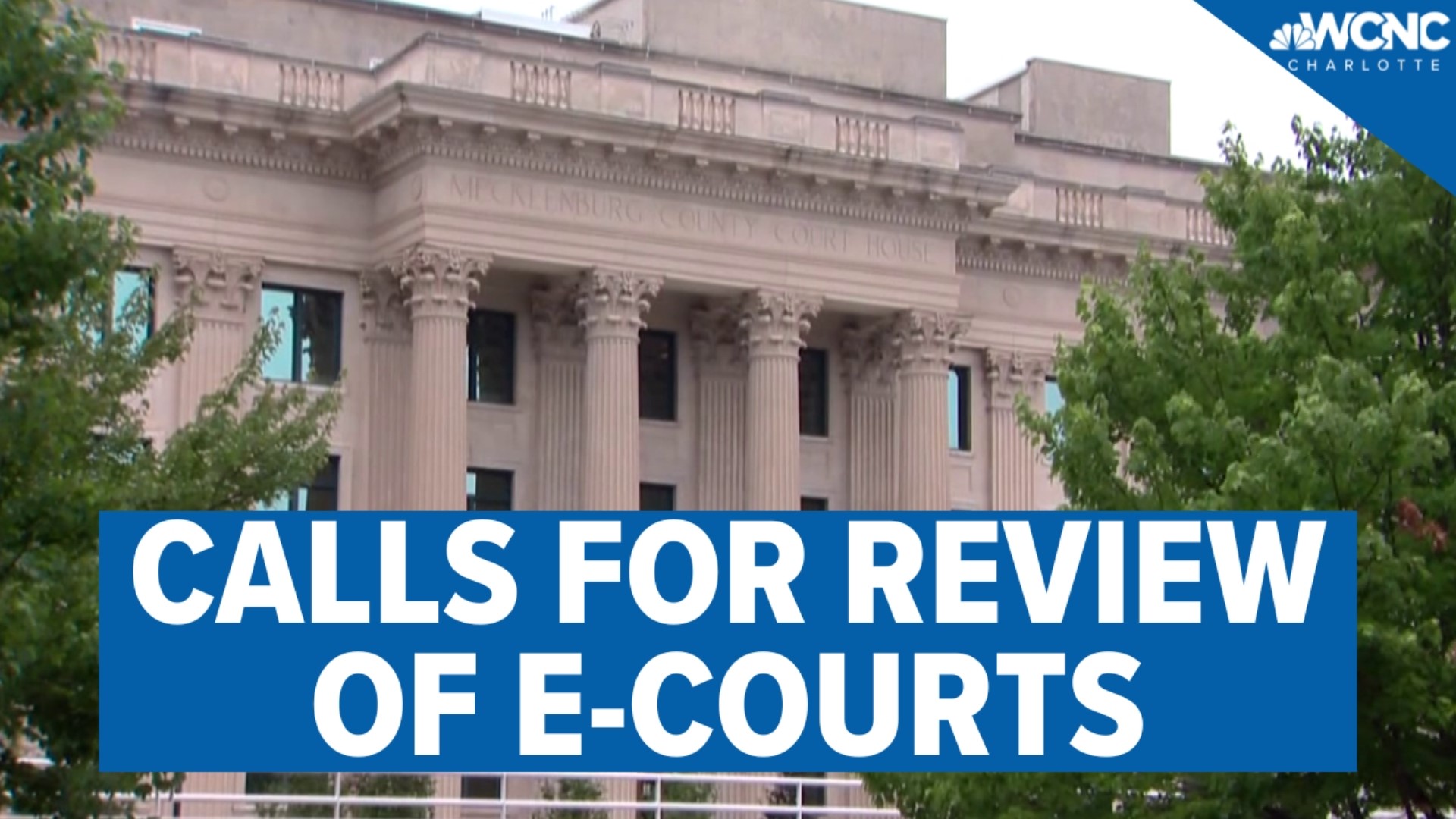
Navigating the North Carolina court system requires precise timing, accurate location data, and a clear understanding of the state's judicial scheduling infrastructure. Whether you are a legal professional, a litigant, a journalist, or an interested citizen, knowing how to efficiently access and interpret North Carolina court calendars is vital for compliance and preparation. The North Carolina Judicial Branch operates under the centralized administration of the North Carolina Administrative Office of the Courts (NCAOC), providing public online tools to track daily, weekly, and monthly trial dockets across all 100 counties.
Understanding the North Carolina Court System Structure
The North Carolina General Court of Justice is a unified, statewide judicial system divided into two primary trial divisions and two appellate divisions. Understanding where your case is heard directly impacts which court calendar you need to consult. The structure is unified to ensure statewide consistency in administrative procedures, yet localized by county to manage individual dockets effectively.
- Appellate Division: Comprises the North Carolina Supreme Court and the North Carolina Court of Appeals, which review legal errors from lower courts rather than conducting new trials.
- Superior Court Division: Handles civil cases involving claims exceeding $25,000, felony criminal cases, and misdemeanor appeals from District Court.
- District Court Division: Handles civil cases involving $25,000 or less, domestic relations and family law matters, juvenile proceedings, mental health hospitalizations, and misdemeanor and infraction criminal cases.
- Magistrate Courts: Operating as an arm of the District Court, magistrates handle small claims, minor misdemeanor trials, guilty pleas for minor traffic infractions, and the issuance of search and arrest warrants.
How to Access Official North Carolina Court Calendars Online
The transition to modern digital infrastructure has streamlined how the public views trial dockets. The official online portal managed by the NCAOC allows users to search court calendars by county, courtroom, presiding judge, attorney name, or specific defendant/party name.
To execute an accurate search on the official portal, follow this operational workflow:
- Navigate to the official North Carolina Judicial Branch online court calendar portal.
- Select the specific county where the legal proceeding is taking place from the dropdown menu of all 100 North Carolina counties.
- Choose the appropriate court division: District Court, Superior Court, or Appellate Court.
- Select the specific courtroom, calendar type (e.g., criminal, civil, traffic, domestic), or enter the name of the attorney or party.
- Choose the target date or date range to populate the active docket.
Important Operational Note: While online calendars provide up-to-date tracking for the vast majority of cases, docket modifications can occur rapidly due to last-minute continuances, plea agreements, or judge reassignments. Always verify critical hearing times directly with the local Clerk of Superior Court office in the presiding county.
Comparing Traditional In-Person Docket Inspection Versus Online Portals
Choosing how to access court calendars depends on your specific objective, technical requirements, and the urgency of the matter. The following comparison highlights the operational differences between digital self-service tools and traditional courthouse methods.
| Feature / Metric | NCAOC Online Court Calendars | In-Person Clerk of Superior Court Office |
|---|---|---|
| Accessibility | 24/7 availability via internet-connected devices | Restricted to standard county courthouse operating hours |
| Search Speed | Instantaneous query results across multiple parameters | Manual review of physical docket books or public terminals |
| Data Granularity | High-level summary of case events, charges, and times | Comprehensive physical case files, signed orders, and exhibits |
| Update Frequency | Real-time synchronization with local court management systems | Updated continuously as paper and electronic filings are processed |
| Cost | Free public access | Free to view; fees apply for printed or certified copies |
Key Data Points Found on North Carolina Court Dockets
When you open a North Carolina court calendar, the layout presents specific data fields designed to identify the case and its procedural status. Familiarity with these identifiers ensures you locate the correct courtroom without confusion.
- File Number: A unique alphanumeric identifier assigned to every case (e.g., matching formats like standard criminal or civil file structures used across the state).
- Defendant or Party Names: The primary litigants involved in the action. In criminal calendars, this lists the defendant; in civil calendars, it lists the plaintiff and defendant.
- Charge or Cause of Action: The specific statute violated in criminal matters or the legal nature of the dispute in civil matters.
- Time and Courtroom: The exact hour the case is docketed and the physical room number within the county courthouse facility.
- Presiding Judge and Prosecutor: The judicial official assigned to oversee the session and, in criminal cases, the designated Assistant District Attorney.
Troubleshooting Common Search Failures on Court Dockets
Users frequently encounter obstacles when querying North Carolina court calendars. Implementing proper search syntax and understanding systemic limitations will resolve most access issues.
- Spelling Discrepancies: Ensure names are spelled correctly. If a name has hyphenations, suffixes (Jr., III), or multiple spellings, execute searches using wildcards or partial name strings if supported by the search interface.
- Sealed or Expunged Records: Cases involving juveniles, involuntary commitments, or records that have been formally expunged or sealed by judicial order will not appear on public electronic calendars.
- System Maintenance Windows: The NCAOC occasionally performs scheduled system maintenance over weekends or late evenings, which may temporarily interrupt real-time docket availability.
- Incorrect County Selection: Because North Carolina has 100 distinct judicial districts, searching in the wrong county will yield zero results even if the case is active elsewhere in the state. Always confirm the venue before executing your query.
Frequently Asked Questions
How do I find my court date online in North Carolina?
You can find your court date by visiting the official North Carolina Judicial Branch website and accessing the online court calendars tool, where you can search by your name, county, and case type. Alternatively, you can contact the Clerk of Superior Court in the county where the charge or lawsuit was filed.
Are all North Carolina court calendars available to the public online?
Most public criminal, civil, traffic, and domestic dockets are accessible online through the state's digital portal. However, confidential matters such as juvenile cases, adoption proceedings, and legally sealed or expunged files are strictly restricted from public view.
What should I do if my name does not appear on the court calendar?
If your name or case does not appear on the electronic calendar, immediately contact the Clerk of Superior Court in the presiding county to verify your docket status, ensure your address of record is current, and prevent potential failures to appear.
Can I rely entirely on the online calendar for schedule changes?
While online calendars are updated regularly, last-minute continuances or emergency courtroom reassignments can happen on the day of the hearing. It is always recommended to double-check with court personnel or your legal counsel to confirm your exact reporting time.
How far in advance are North Carolina court calendars published?
Calendars are typically generated and published weeks in advance based on the scheduling orders set by the senior resident superior court judge and chief district court judge for each judicial district.
Take the Next Step
To search active dockets, review upcoming trial schedules, or access localized administrative rules for your specific jurisdiction, navigate directly to the official North Carolina Judicial Branch online portal or contact your local county Clerk of Superior Court office today.