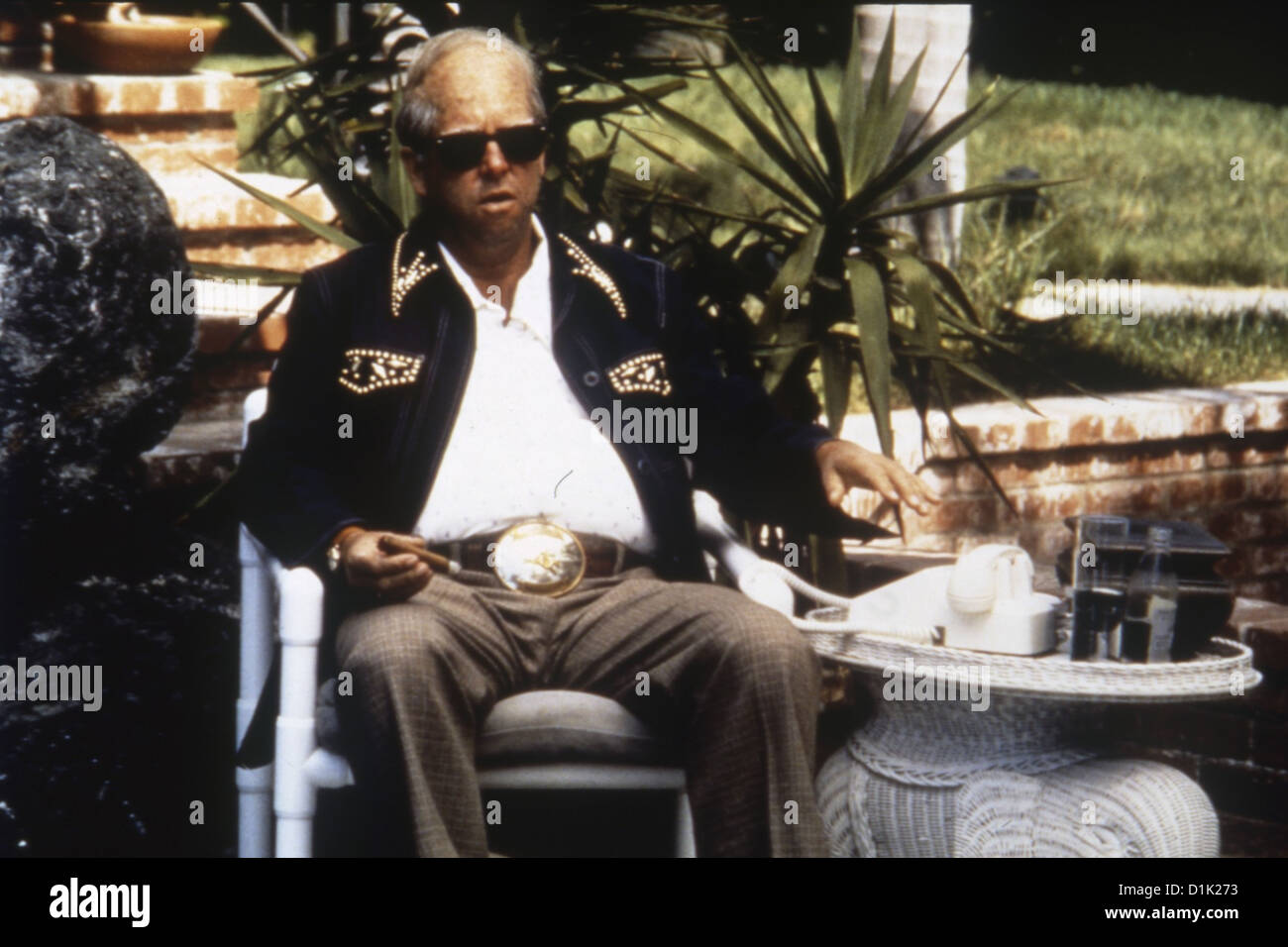
The professional partnership between Elvis Presley and Colonel Tom Parker was defined by an unorthodox, highly centralized business structure that prioritized immediate liquidity and centralized management over long-term intellectual property rights. This arrangement fundamentally shaped the trajectory of the Presley estate, the subsequent valuation of his musical assets, and the complex mechanisms of royalty control that continue to influence how his catalog is monetized in 2026.
The Foundations of the Presley-Parker Business Model
At the core of the Elvis Presley enterprise was a management philosophy that treated the artist as a singular brand entity. Colonel Tom Parker, acting as Presley’s exclusive manager, utilized a structure often described as monolithic. Unlike contemporary artists who often employed layers of attorneys, accountants, and agents with fiduciary duties separate from management, Presley’s business affairs were deeply intertwined with Parker’s personal interests.
The business structure relied on the "exclusive management agreement," which granted Parker unprecedented control over Presley’s career. Parker’s strategy was predicated on high-volume output—constant recording, frequent motion picture releases, and intensive touring—to maximize short-term revenue. This model effectively siloed the financial operations within the management entity, which often took a significant commission, sometimes reportedly reaching 50% on certain ventures, far exceeding the industry standard of 10% to 15% for talent managers.
The Dynamics of Royalty Control
During the peak of Presley’s career, the music industry operated under traditional licensing models where the artist’s royalty percentage was relatively low compared to the earnings generated by the record label. Parker’s negotiation strategy with RCA Victor often prioritized upfront payments and performance bonuses rather than residual ownership of the master recordings.
Consequently, while Presley generated massive gross revenue, he did not retain the intellectual property rights to his own recorded performances. This meant that the "royalty control" of the catalog remained firmly in the hands of the corporate entities, primarily RCA and later BMG (and its subsequent successors). This lack of ownership was a critical factor in the financial history of the estate, as the right to collect ongoing royalties—the cornerstone of long-term estate value—was often diluted or surrendered in early deals that favored label control.
Evaluating the Impact on Estate Value
The transition of the Elvis Presley estate from a personal fortune to a corporate asset following his death in 1977 necessitated a radical restructuring. The estate, initially managed by the Memphis-based organization, faced significant liquidity crises in the early 1980s. This period of instability exposed the vulnerabilities created by the previous management’s focus on cash flow rather than capital preservation.
To stabilize the estate, Priscilla Presley took a central role in transforming Graceland from a private residence into a public-facing entity. This pivot toward brand licensing and tourism served as a hedge against the volatility of music industry royalty streams. By diversifying the income sources, the estate’s value became anchored in tangible assets—real estate, likeness rights, and a vast archive of personal history—rather than relying solely on the increasingly fragmented music catalog.
Comparison of Revenue Streams and Control Structures
| Revenue Source | Control Mechanism | Impact on Long-term Value |
|---|---|---|
| Music Royalties | Label-controlled, contract-limited | Diminishing returns over time |
| Merchandising/Licensing | Estate-controlled, trademark-reliant | High, scalable, and perpetual |
| Graceland Tourism | Asset-controlled, operational focus | Stable, high-margin, growth-oriented |
| Motion Picture Income | Legacy contracts, studio ownership | Static, limited by aging rights |
The table above illustrates the fundamental shift required to maintain the estate's viability. While music royalties provide a baseline, they are governed by historical contracts that Parker negotiated for immediate cash. In contrast, the estate's modern value is driven by "brand equity," which allows for the licensing of the Elvis likeness, image, and associated intellectual property in ways that were largely ignored during the 1950s and 60s.
The Evolution of Management and Legacy Control
By the 1990s and into the 2000s, the management of the Presley estate evolved into a highly professionalized corporate governance model. The establishment of Elvis Presley Enterprises (EPE) marked the shift away from the informal, singular control exercised by Parker. This structure allowed for the systematic auditing of royalty streams and the enforcement of intellectual property rights, which had been previously under-managed.
The Role of Intellectual Property
The control of the Presley catalog in the mid-2020s involves complex negotiations with major labels and global distributors. Because the initial contracts were designed for an era of physical media sales, they often lacked clear provisions for digital streaming, synchronization rights for film, and virtual reality or AI-driven recreations of likeness. The current estate management must navigate these "legacy gaps" by utilizing modern copyright law to reclaim or renegotiate terms that were once considered settled.
Furthermore, the "right of publicity" has become a critical tool. Unlike a contract that might be limited by geography or time, the right of publicity allows the estate to control the commercial use of Presley’s name and image across virtually every medium. This serves as the primary mechanism of royalty control in the 2026 market, as it allows for the monetization of the image even when the underlying sound recording rights are held by a third party.
Operational Challenges and Legal Hurdles
The history of the Elvis Presley estate serves as a case study in the risks of centralized authority without robust legal checks and balances. The "Parker era" demonstrates that even high-earning entities can face insolvency if the management structure lacks a long-term fiscal strategy.
One of the most significant challenges the estate faced was the "buy-out" of rights. Because many rights had been sold off or heavily leveraged to provide for Parker’s commission and the artist’s lifestyle, the estate spent decades attempting to claw back control over its own narrative and assets. This highlights a recurring theme in the history of music business: the artist-manager relationship often prioritizes the manager's interest in the short term, leaving the heirs to manage the fallout of surrendered assets.
Expert Guidance for Legacy Management
For those looking to understand how such structures function in contemporary business, several lessons are applicable:
- Asset Diversification: Never rely solely on royalties from intellectual property that you do not own.
- Professional Oversight: Ensure there is a clear separation between management and the ownership of assets.
- Trademark Protection: Your likeness and name are as valuable as your creative output; treat them as corporate assets.
- Contract Auditing: Regularly review old agreements for potential re-interpretation in light of new technologies.
Frequently Asked Questions
Did Colonel Parker own the music recordings?
Colonel Parker did not own the recordings personally, but he brokered deals that ensured RCA Victor held the master recordings in exchange for large cash advances. This structure effectively stripped Presley of ownership, leaving the estate with limited control over how those recordings were utilized after his death.
How did the estate stabilize its finances after 1977?
The estate stabilized by shifting its focus from music royalties to brand licensing and tourism. By opening Graceland to the public in 1982 and aggressively protecting the Elvis trademark, the estate created a new, sustainable revenue model that was not dependent on the whims of the music industry.
What is the primary source of Presley’s income in 2026?
In 2026, the estate’s income is primarily derived from a combination of licensing, merchandise, media usage (biopics, documentaries, and soundtrack inclusions), and the tourism operations at Graceland. Music royalties remain a component but are secondary to the overall brand value.
Can the estate prevent the use of Presley’s likeness in AI media?
Yes. Through the development of the "right of publicity" and modern digital rights management, the estate has a strong legal basis to challenge the unauthorized use of Presley’s image or voice in AI-generated content. These protections are central to the current control strategy.
Why was the partnership between Presley and Parker considered unique?
The partnership was unique for its lack of traditional safeguards. Parker was not merely a manager; he was the sole gatekeeper for all of Presley’s career activities, which allowed him to dictate the terms of almost every business deal without the friction typically provided by a legal or financial team working strictly on behalf of the artist.
Next Steps for Legacy Preservation
To ensure the longevity of any intellectual property portfolio, current estate holders should prioritize the active management of trademarks and the regular updating of licensing agreements. As seen in the case of Elvis Presley, the ability to control how one's image is used in emerging technologies is just as critical as the ownership of historical recordings. Whether managing a celebrity legacy or a business enterprise, the move toward professionalized oversight and diversified asset control remains the most reliable pathway to sustained value.