Daft Punk, the Parisian duo of Thomas Bangalter and Guy-Manuel de Homem-Christo, remains the most influential force in contemporary electronic music. From their 1993 inception to their 2021 dissolution, they redefined house music, revolutionized live performance technology, and successfully bridged the gap between underground club culture and global pop superstardom through their iconic robot personas.
The Genesis of the French Touch: From Darlin’ to Daft
The story of Daft Punk began not with synthesizers, but with guitars. In the early 1990s, Bangalter and de Homem-Christo formed a rock trio called Darlin’ with Laurent Brancowitz (who would later join the band Phoenix). A negative review in the British magazine Melody Maker described their music as "a daft punky thrash," a critique the duo embraced as their new moniker.
By 1993, the duo pivoted toward electronic music, influenced by the burgeoning rave scene in Paris and the seminal techno sounds emerging from Detroit and Chicago. Their debut single, "The New Wave," released on the Scottish label Soma Quality Recordings in 1994, signaled a departure from traditional rock structures. However, it was "Da Funk," released the following year, that established their signature sound: a heavy, distorted bassline coupled with infectious, funk-inspired rhythms.
The Impact of Homework (1997)
Their debut studio album, Homework, is widely credited with bringing "French House" (or "French Touch") to the global forefront. Recorded in Bangalter’s home studio with relatively modest gear, the album prioritized raw energy and rhythmic precision. Tracks like "Around the World" demonstrated their ability to create "earworms" using minimal lyrical content and sophisticated repetition.
The success of Homework proved that electronic music could be both commercially viable and artistically experimental. It moved the genre away from anonymous 12-inch white labels and into the realm of the auteur, setting the stage for the massive "EDM" boom of the following decades.
The Robot Metamorphosis and the Discovery Era
As the new millennium approached, Daft Punk underwent a fundamental aesthetic shift. On September 9, 1999 (9/9/99), the duo famously claimed that a "sampler explosion" in their studio transformed them into robots. This narrative choice allowed Bangalter and de Homem-Christo to maintain anonymity while creating a powerful, marketable brand.
The release of Discovery in 2001 marked a transition from the gritty house of Homework to a polished, synth-pop sound heavily influenced by 1970s disco and 80s pop. This era produced some of their most enduring hits, including:
- "One More Time": Featuring vocals by Romanthony, this track utilized heavy Auto-Tune as a creative instrument, a move that was polarizing at the time but later became a staple of modern pop and hip-hop.
- "Harder, Better, Faster, Stronger": A masterclass in vocoder usage and sampling, later famously sampled by Kanye West for his hit "Stronger."
- "Digital Love": A track that blended soft rock sensibilities with electronic production, showcasing the duo's versatility.
To accompany the album, Daft Punk collaborated with legendary manga artist Leiji Matsumoto to create Interstella 5555: The 5tory of the 5ecret 5tar 5ystem, a feature-length anime film that serves as a visual realization of the entire Discovery album. This project solidified their reputation as multimedia visionaries who viewed music and visual art as inseparable.
Alive 2007: The Pyramid That Changed Everything
If Discovery made them pop stars, the Alive 2007 tour made them legends. Before this tour, electronic music performances often consisted of a DJ behind a booth with minimal visual accompaniment. Daft Punk shattered this convention by performing inside a massive, LED-covered pyramid.
The tour debuted at the 2006 Coachella Valley Music and Arts Festival and is often cited as the singular event that ignited the North American "EDM" explosion. The technical sophistication of the pyramid, which utilized custom-coded software to sync the music with thousands of LED lights, provided a sensory experience that was unprecedented at the time.
The live album Alive 2007 captured the duo's ability to remix and mash up their own discography in real-time, proving that electronic live sets could be dynamic, improvisational, and emotionally resonant.
Technical Specifications: The Sound of the Machines
Daft Punk’s production style evolved significantly over three decades. While they began with analog hardware and "crunchy" sampling, they eventually transitioned to high-fidelity studio recordings with live session musicians. Understanding their gear provides insight into how they achieved their distinctive "warm" electronic sound.
| Era | Key Hardware/Instruments | Primary Production Style |
|---|---|---|
| Homework (1993-1998) | Roland TR-909, TB-303, Juno-106, Boss RS-10 Distortion | Raw, distorted house; analog sequencing. |
| Discovery (1999-2002) | AKAI MPC3000, Roland S-760, Sennheiser VSM201 Vocoder | Sampling-heavy; synth-pop and disco influence. |
| Human After All (2005) | Alesis MMT-8, Digitech Bad Monkey Pedal | Minimalist, repetitive, and guitar-focused. |
| RAM (2013) | Custom Neve consoles, Modular synths, Live Orchestras | Analog studio recording; live session musicians. |
The duo's use of side-chain compression became a hallmark of their sound, particularly the "pumping" effect found in "One More Time." This technique, where the volume of one instrument (like a synth) is lowered whenever another (like a kick drum) hits, creates a sense of rhythmic movement that became foundational to modern dance music production.
Random Access Memories and the Return to Analog
In 2013, Daft Punk released their final studio album, Random Access Memories (RAM). In a sharp pivot away from the digital production trends of the time, the duo spent years recording in legendary studios like Electric Lady in New York and Capitol Studios in Los Angeles.
The goal of RAM was to capture the "human touch" of 1970s and 80s soul and disco. They collaborated with a diverse array of artists, including Nile Rodgers, Pharrell Williams, Giorgio Moroder, and Julian Casablancas. The lead single, "Get Lucky," became a global phenomenon, winning the Grammy Award for Record of the Year in 2014.
The album's technical depth is immense. For example, on the track "Touch," featuring Paul Williams, the duo utilized over 250 elements, including a full choir and orchestra. This dedication to craft earned them five Grammy Awards, including Album of the Year, cementing their status as masters of the recording arts.
The Soundtrack Legacy: TRON: Legacy
In 2010, Daft Punk composed the score for Disney's TRON: Legacy. This project allowed them to blend their electronic roots with a 100-piece symphony orchestra. The result was a cinematic experience that felt both futuristic and timeless. The soundtrack is frequently cited by film critics and fans alike as one of the most cohesive and atmospheric scores of the 21st century.
Their work on TRON demonstrated a maturity in composition that transcended the dance floor, proving they could handle complex arrangements and thematic storytelling through sound alone. You can find more information about their discography on their official Discogs page.
The End of an Era: 2021-2026
On February 22, 2021, Daft Punk released an eight-minute video titled "Epilogue," featuring a scene from their 2006 film Electroma. The video concluded with the dates "1993-2021," signaling the official end of the duo.
In the years following the breakup, the members have pursued individual paths:
- Thomas Bangalter: Transitioned toward orchestral and experimental composition. In 2023, he released Mythologies, a ballet score that featured no electronic elements. In 2024, he provided the soundtrack for the film Daaaaaalí!.
- Guy-Manuel de Homem-Christo: Has remained more reclusive, though he has continued to produce for high-profile artists, including contributions to Travis Scott’s Utopia in 2023.
As of 2026, the legacy of Daft Punk is preserved through meticulously curated reissues. The 10th-anniversary edition of Random Access Memories, released in 2023, offered fans a glimpse into their creative process with previously unreleased demos and a "Drumless Edition" of the album. These releases serve as a testament to the enduring demand for their work, even in their absence.
Frequently Asked Questions
Why did Daft Punk wear helmets?
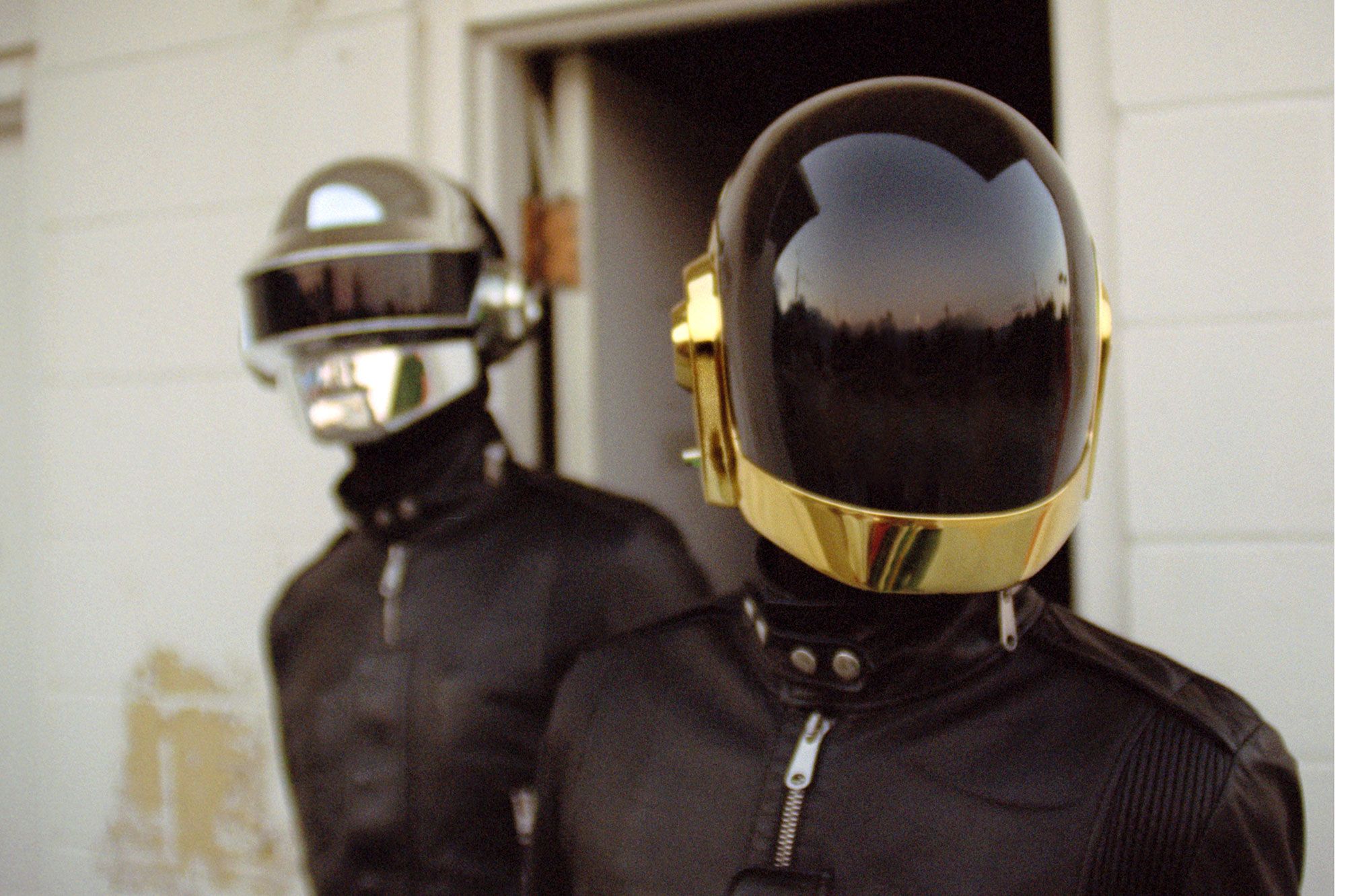
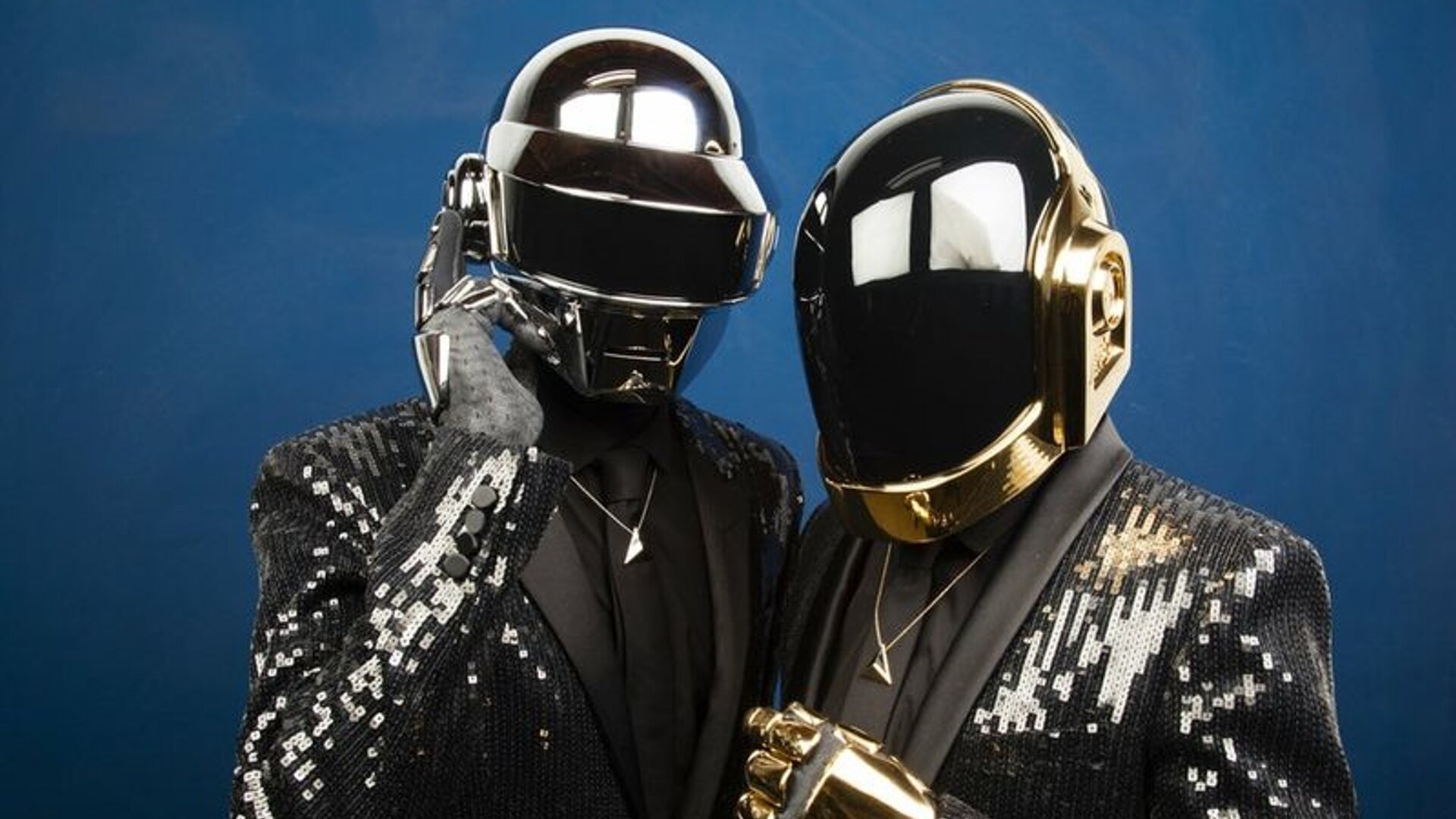
The helmets were initially a way to combat the duo’s shyness and maintain anonymity, allowing them to lead normal lives outside of the spotlight. Over time, the robot personas became a central part of their artistic identity, symbolizing the intersection of humanity and technology—a recurring theme in their music. The helmets were designed by Tony Gardner and featured complex LED displays that were controlled remotely during performances.
Did Daft Punk ever tour after 2007?
No. Despite persistent rumors for over a decade, Daft Punk never embarked on another full-scale tour after the Alive 2007 run. They made sporadic live appearances, most notably at the 2014 Grammy Awards and the 2017 Grammys with The Weeknd, but they never returned to the road. This scarcity contributed significantly to the "mythic" status of their live performances.
What is their most successful song?
"Get Lucky," featuring Pharrell Williams and Nile Rodgers, is their most commercially successful single. It topped the charts in over 30 countries and has sold millions of copies worldwide. Other major hits include "One More Time," "Around the World," and "Starboy" (their collaboration with The Weeknd).
Will Daft Punk ever reunite?
As of 2026, there is no official indication of a reunion. Both Bangalter and de Homem-Christo have emphasized that Daft Punk was a specific project with a defined beginning and end. While they remain on good terms, their current artistic interests have diverged, with Bangalter focusing on acoustic and orchestral works and Guy-Manuel continuing in the realm of hip-hop and R&B production.
How did they influence modern EDM?
Daft Punk’s influence is twofold: sonic and visual. Sonically, they popularized the use of side-chain compression and vocoders in pop music. Visually, their Alive 2007 tour set the standard for high-concept stage production, prompting DJs to invest in massive LED screens and synchronized light shows, which are now standard at electronic music festivals.
Final Recommendation for New Listeners
For those looking to explore the world of Daft Punk for the first time, the best entry point is the live album Alive 2007. It provides a comprehensive overview of their first three albums, presented in a high-energy format that highlights their technical prowess. Following that, a deep dive into Random Access Memories offers a contrasting look at their growth as composers and their dedication to the history of recorded music. Their official website, daftpunk.com, remains a valuable archive for their visual projects and official announcements.