Building a successful career in the culinary arts requires a combination of formal education or rigorous apprenticeship, physical endurance, and the cultivation of specific technical skills. Professionals in this sector manage high-pressure environments while mastering food science, safety protocols, and operational management, eventually progressing from entry-level kitchen roles to specialized culinary or management positions.
Defining the Culinary Career Landscape
The term "culinary careers" encompasses a vast array of roles within the food service and hospitality industries. While the public image of a chef is often centered on the restaurant kitchen, the professional reality extends into research and development, food styling, institutional catering, hotel management, and beverage direction. As of 2026, the industry continues to place a high premium on culinary professionals who can bridge the gap between creative excellence and operational efficiency.
The professional path is generally non-linear. Entry-level roles, such as commis chef or prep cook, serve as the foundation for learning the mechanics of a professional kitchen. From there, individuals often specialize based on their strengths, whether in pastry and baking, garde manger, or high-volume line production.
Educational Pathways and Skill Development
There are two primary methods for entering the culinary profession: formal education through culinary institutes and vocational programs, or the "school of hard knocks" method of working one's way up through on-the-job training.
Culinary Arts Programs
Formal degree or diploma programs, often ranging from one to four years, provide structured exposure to food science, sanitation, nutrition, and kitchen management. Institutions such as the Culinary Institute of America (CIA) or regional community college programs often integrate externships into their curricula. These programs offer an advantage in networking and rapid assimilation of fundamental techniques—such as knife skills, mother sauces, and flavor profiles—that might take longer to learn in a chaotic, fast-paced commercial environment.
Apprenticeships and On-the-Job Training
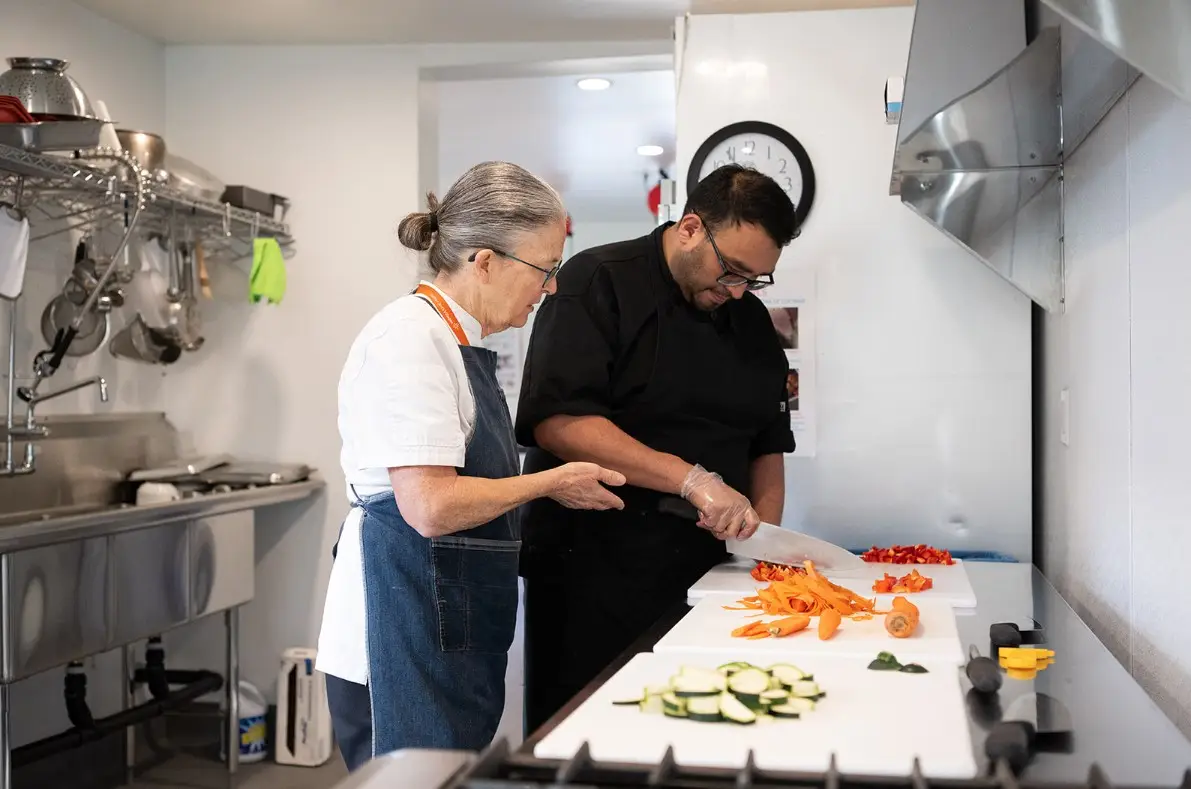
Apprenticeship models, particularly those recognized by national culinary federations, allow individuals to earn while they learn. This path is often favored for those who thrive in high-pressure, real-world environments. The primary requirement here is an ability to learn quickly, follow instructions precisely, and maintain consistent quality under stress. Many master chefs advocate for this path because it ensures that the student is exposed to the specific rigors and equipment maintenance standards of a functioning kitchen from day one.
Core Competencies for Culinary Professionals
Regardless of the educational path chosen, certain technical and soft skills are mandatory for long-term career viability.
- Food Safety and Sanitation: Mastery of local and federal food safety standards—often verified through certifications like ServSafe—is non-negotiable. This is not merely about hygiene; it is a legal requirement for any professional kitchen operating in 2026.
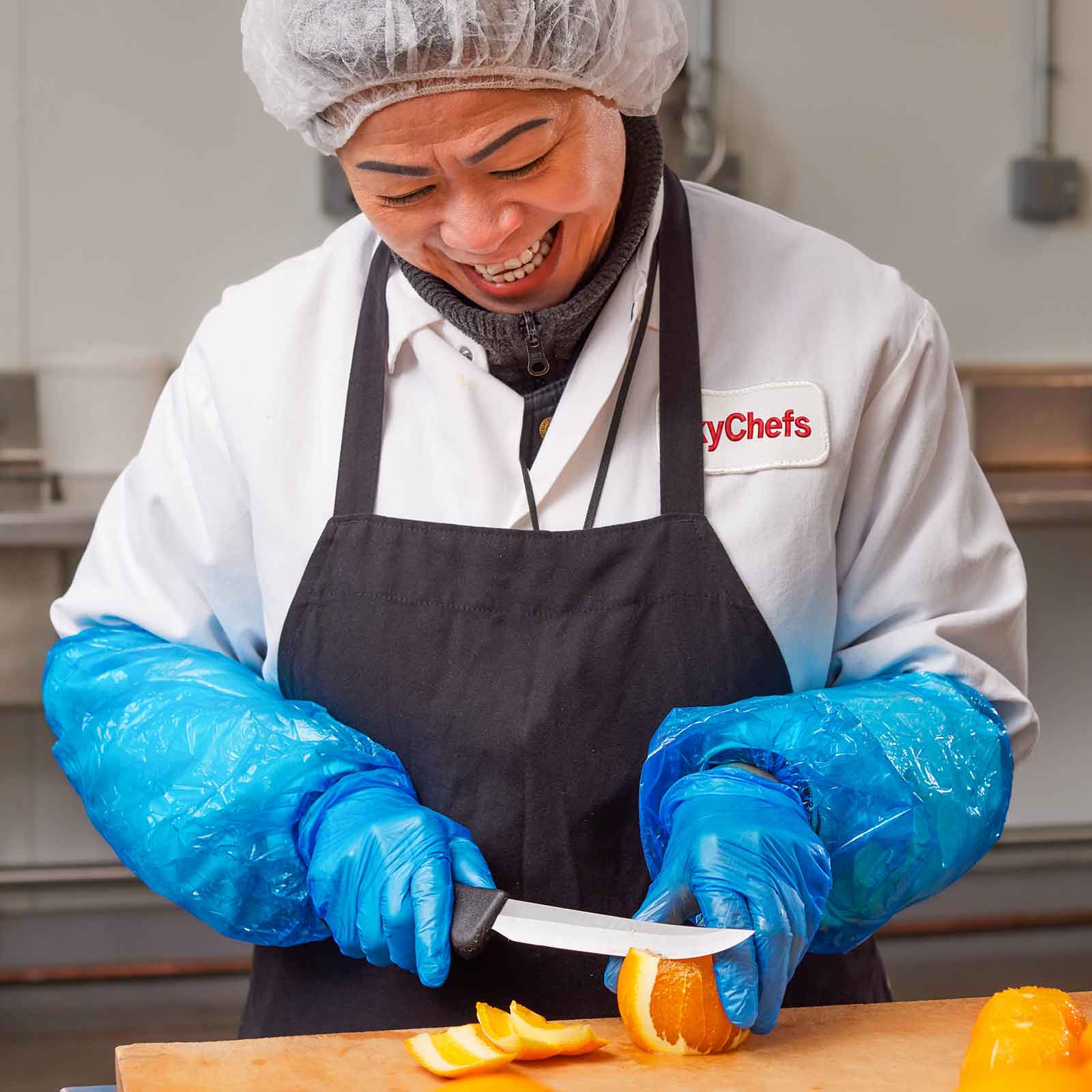
- Knife Proficiency: Speed and precision are essential. A professional must be able to perform repetitive, uniform cuts to ensure that proteins and vegetables cook evenly.
- Palate Development: A chef must understand the balance of acidity, salinity, sweetness, and bitterness, as well as the chemistry of ingredients.
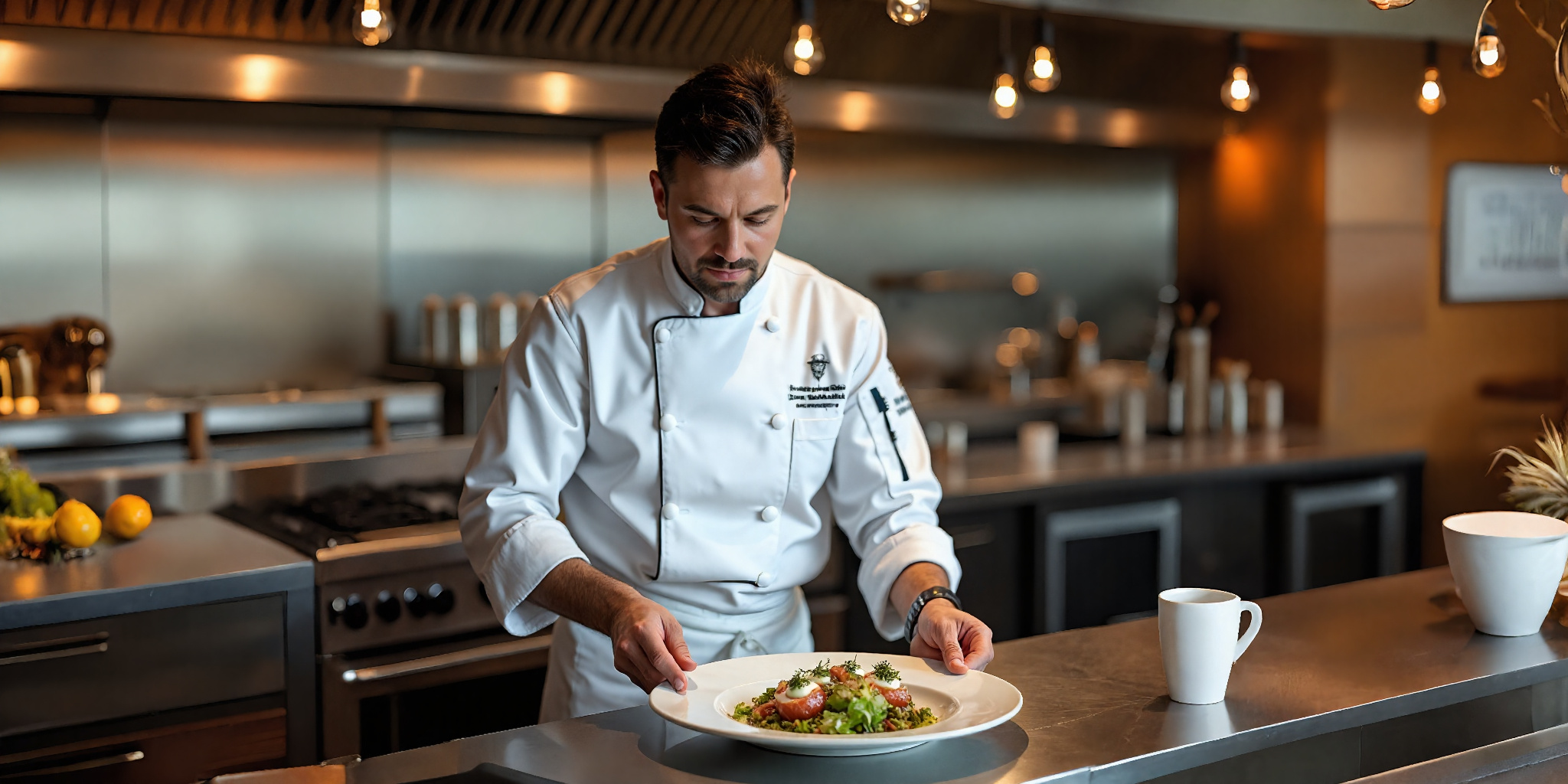
- Time Management (Mise en Place): The concept of mise en place—everything in its place—governs the professional kitchen. Being organized enough to prepare every component of a dish before the dinner rush starts is the mark of a skilled professional.
- Leadership and Communication: In a "brigade de cuisine" system, clear communication is essential to prevent errors. As one moves into roles like Sous Chef or Executive Chef, the ability to motivate a team and maintain morale becomes more critical than the actual cooking.
Career Progression Table: A Comparative Overview
| Role | Primary Responsibilities | Typical Requirements |
|---|---|---|
| Commis Chef | Assisting stations, prep work, cleaning | High school diploma or entry-level training |
| Line Cook | Preparing orders during service, station management | 1–3 years experience, speed, stamina |
| Sous Chef | Second-in-command, inventory, staff supervision | 3–5 years experience, management skills |
| Executive Chef | Menu development, food cost control, hiring | 7+ years, culinary degree or equivalent |
| Pastry Chef | Designing desserts, baking, specialty pastry | Certification/specialized training |
| Food Scientist | Product development, quality testing | Bachelor’s degree in Food Science |
Essential Industry Certifications and Compliance
In 2026, professional advancement is increasingly tied to verified credentials. While a degree is a strong start, professional certifications from organizations like the American Culinary Federation (ACF) or international equivalents provide a standard of excellence that employers look for.
Food safety certification is typically the first step. Depending on the jurisdiction, you may be required to maintain a Food Handler’s Card or a Food Protection Manager Certification. These are usually valid for three to five years and require periodic renewal. Furthermore, specialized certifications in wine (such as those offered by the Court of Master Sommeliers) or specific culinary techniques can significantly increase earning potential.
Managing the Realities of the Kitchen
It is vital to acknowledge the challenges inherent in culinary careers. The industry is characterized by long hours, including nights, weekends, and holidays. Physical demands include standing for 8 to 12 hours at a time, lifting heavy inventory, and working in extreme temperatures.
Burnout is a documented risk within the industry. Successful professionals mitigate this by focusing on work-life balance through career pivots into areas like private cheffing, corporate dining management, or culinary education. These roles often offer more stability and better hours compared to the traditional high-end restaurant service industry.
Financial Considerations and Compensation
Earnings in the culinary arts vary significantly based on location, sector, and seniority. Working in a luxury hotel or a Michelin-starred restaurant often carries prestige but may offer different financial benefits compared to working in high-volume, corporate-contract food service.
Many professionals find that their earnings grow faster by moving between companies every two to three years to gain diverse experience, rather than remaining in one establishment. However, for those seeking long-term growth, the management track (Executive Chef, Kitchen Manager, or Food and Beverage Director) generally provides the most stable career trajectory.
Frequently Asked Questions
Do I need to attend culinary school to have a successful career?
No. While culinary school provides a structured foundation, many industry leaders began as dishwashers or prep cooks. The key is persistence, a willingness to learn, and securing roles in kitchens where the leadership is committed to training their staff.
What is the most important skill for a young cook?
Reliability is paramount. Kitchens operate on tight margins and strict schedules. Showing up on time, being prepared, and maintaining a positive attitude under stress will often gain you more opportunities than raw talent alone.
How do I transition from the line to management?
Transitioning into management requires you to demonstrate an understanding of the business side of the kitchen. This includes learning how to calculate food costs, manage inventory, minimize waste, and supervise other staff members.
Is it possible to have a sustainable work-life balance in this field?
It is difficult in traditional restaurant roles, but possible. Many professionals pivot to sectors like catering, private household cheffing, food styling for media, or institutional management to find more predictable schedules.
What is the outlook for culinary careers in 2026?
The industry continues to evolve toward sustainability and technological integration. Chefs who understand food waste reduction, seasonal sourcing, and the use of modern kitchen automation tools are in high demand.
Next Steps for Aspiring Culinary Professionals
To begin your career, identify the sector of interest that aligns with your lifestyle goals—whether that is fine dining, high-volume catering, or food product development. Research local kitchens that have a reputation for training and mentorship. If you choose the education route, attend open houses at accredited institutions and look for programs that offer robust externship opportunities. If you choose the apprenticeship route, prepare a professional resume that highlights your reliability and physical fitness, then approach chefs directly at reputable local establishments to ask for a "stage" or trial shift. Success in this field is earned shift by shift, through consistent performance and continuous learning.