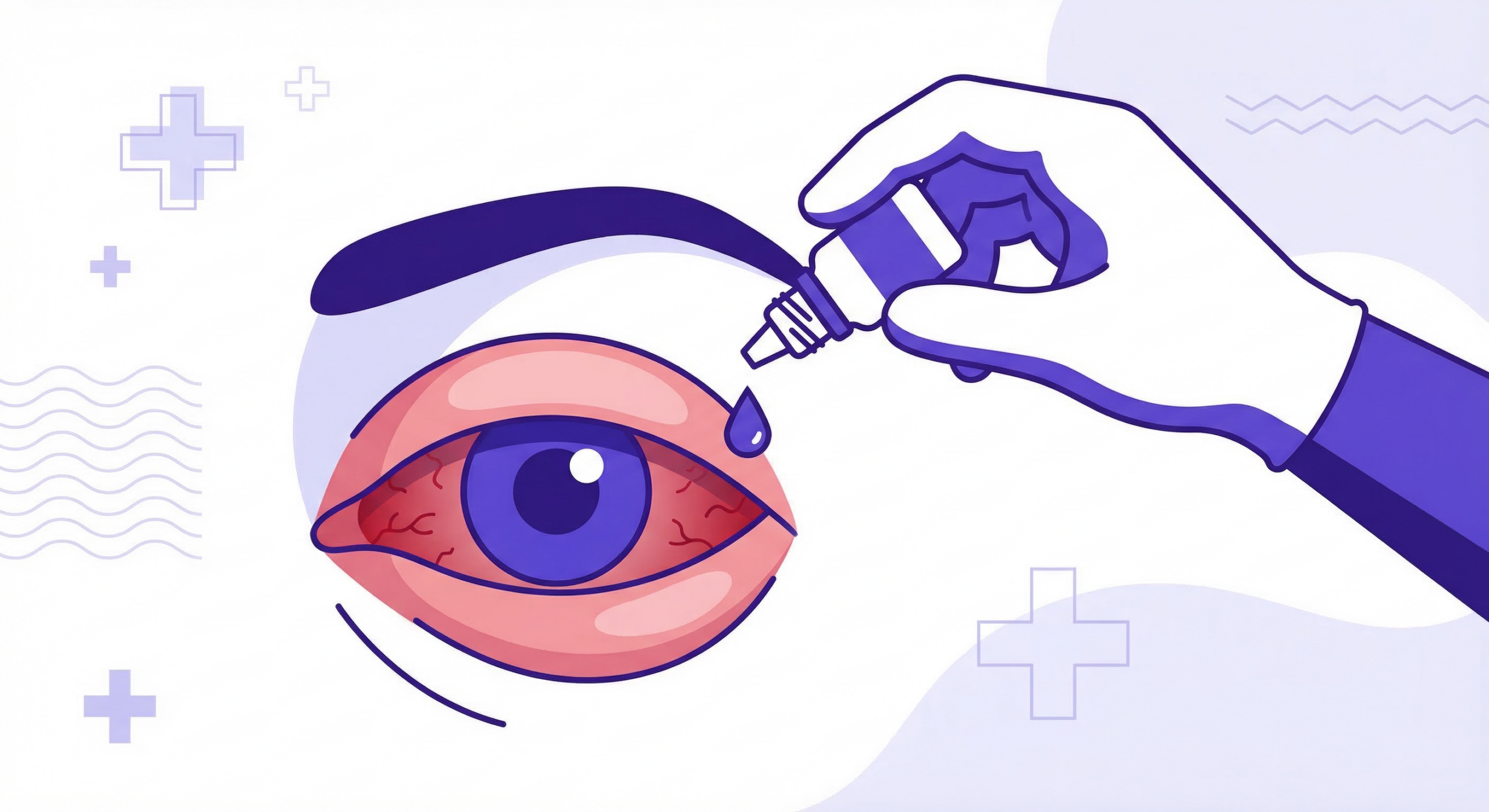
Conjunctivitis, commonly known as pink eye, is a documented symptom of COVID-19 caused by the SARS-CoV-2 virus infecting the ocular surface. While less frequent than respiratory issues, it can occur as an early warning sign or alongside traditional symptoms like fever and cough. Management typically involves supportive care and strict hygiene to prevent further viral transmission through tears.
The Relationship Between SARS-CoV-2 and the Ocular Surface
Medical understanding as of 2026 confirms that the eyes are not merely a passive gateway for the virus but a site where the infection can actively manifest. The primary mechanism involves the angiotensin-converting enzyme 2 (ACE2) receptors. These receptors, which the SARS-CoV-2 virus uses to enter human cells, are present in the conjunctival epithelium—the thin, clear membrane covering the white part of the eye and lining the inside of the eyelids.
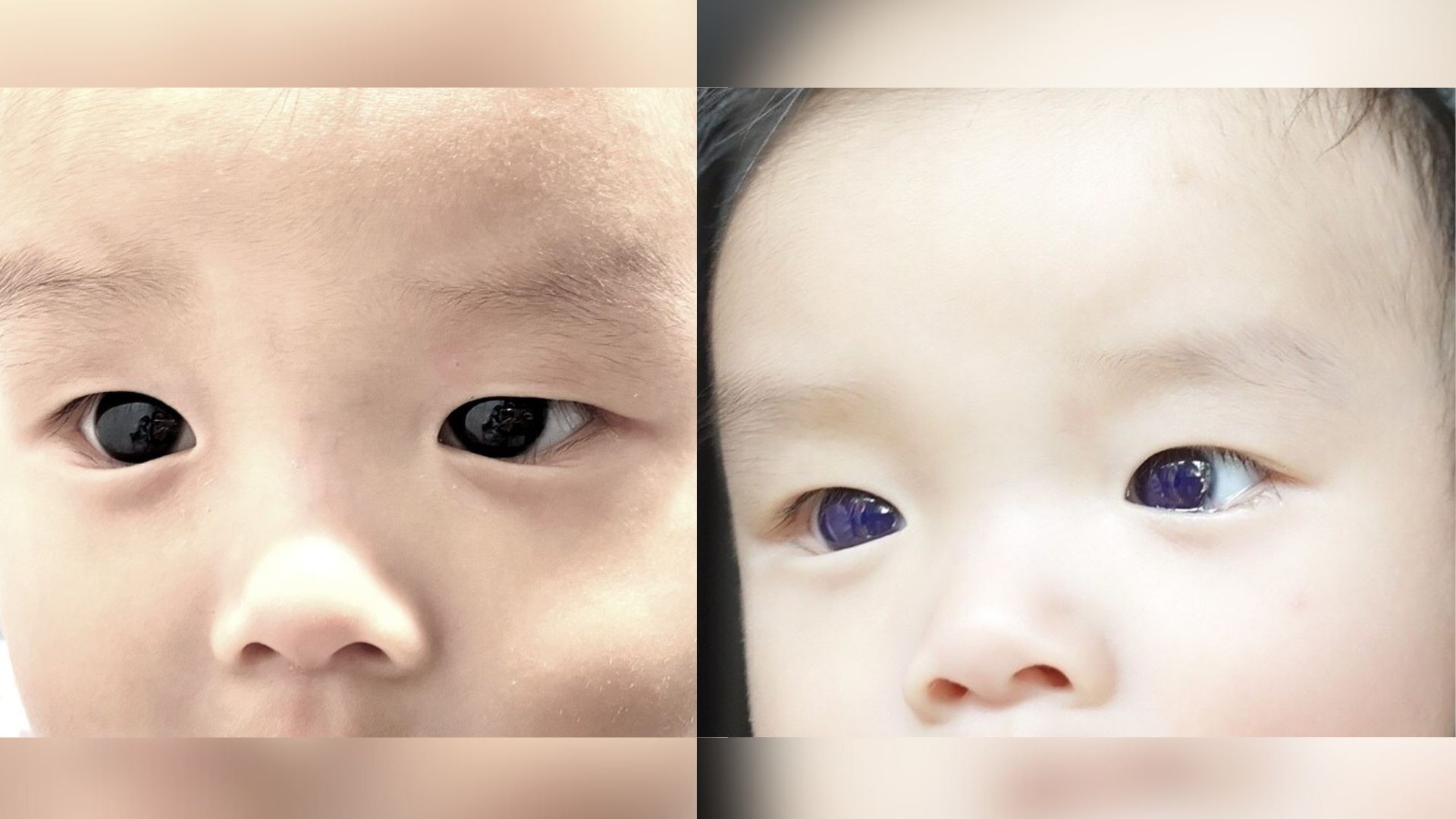
When the virus makes contact with the eye, either through respiratory droplets or by touching the eyes with contaminated hands, it can bind to these receptors. This triggers an inflammatory response known as viral conjunctivitis. While the incidence of "COVID pink eye" has varied across different waves of the pandemic, clinical data suggests that approximately 1% to 3% of infected individuals develop ocular symptoms. However, certain variants, most notably the XBB.1.16 strain (first identified in 2023), showed a significantly higher predisposition for causing itchy, red eyes, particularly in pediatric patients.
The ocular involvement is often a localized manifestation of the systemic infection. In some cases, the virus may be detected in tears and conjunctival secretions even when nasal swabs show a declining viral load. This highlights the importance of regarding ocular discharge as potentially infectious material.
Identifying Symptoms of COVID-Related Conjunctivitis
Recognizing COVID pink eye requires distinguishing it from other forms of eye irritation. Because the symptoms overlap with common allergies and bacterial infections, patients must look for a specific cluster of signs that suggest a viral origin linked to COVID-19.
Common Ocular Signs
- Conjunctival Hyperemia: This is the medical term for the characteristic redness or "pinkness" of the eye. It is caused by the dilation of blood vessels in the conjunctiva.
- Chemosis: This refers to the swelling of the conjunctiva. In severe cases, the membrane may look like a clear blister on the white of the eye.
- Epiphora (Tearing): Unlike bacterial pink eye, which produces thick pus, COVID-related conjunctivitis usually results in watery or thin, clear discharge.
- Follicular Reaction: Clinicians may observe small, pale bumps on the inner lining of the eyelids, which are typical of a viral immune response.
- Photophobia: Some patients report a sensitivity to light, often accompanied by a "gritty" sensation as if sand is in the eye.
Systemic Context
The most vital factor in identifying COVID pink eye is the presence of concurrent systemic symptoms. If the eye redness is accompanied by a dry cough, fatigue, loss of taste or smell, or a low-grade fever, the likelihood of COVID-19 is high. In many instances, the pink eye appears several days after the onset of respiratory symptoms, though it can occasionally be the very first sign of infection.
Differentiating COVID Pink Eye from Other Conditions
Distinguishing between viral, bacterial, and allergic conjunctivitis is essential for determining the correct course of action. Since COVID-19 requires isolation and specific public health protocols, misidentifying it as a simple allergy can lead to further community spread.
| Feature | COVID Pink Eye (Viral) | Bacterial Pink Eye | Allergic Pink Eye |
|---|---|---|---|
| Primary Discharge | Watery, thin, or clear | Thick, yellow, or green (pus) | Stringy, clear, or mucoid |
| Itchiness | Mild to moderate | Rare | Intense and persistent |
| Eyelid Matting | Occasional (usually morning) | Very common (eyes "stuck shut") | Rare |
| Involvement | Often starts in one eye, moves to both | Usually one eye, can spread | Almost always both eyes |
| Fever/Body Aches | Common | Rare | Absent |
| Response to Antihistamines | None | None | Significant relief |
Bacterial conjunctivitis is often characterized by a heavy discharge that causes the eyelids to stick together upon waking. In contrast, allergic conjunctivitis is almost always accompanied by intense itching and other allergy symptoms like sneezing and a runny nose. COVID pink eye typically presents as a "follicular" conjunctivitis, meaning the eye looks irritated and watery but lacks the heavy crusting seen in bacterial cases.
Transmission Risks and Ocular Safety
The eyes serve as both a portal of entry and a source of exit for the SARS-CoV-2 virus. Research published in the American Academy of Ophthalmology journals has demonstrated that while the risk of transmission through tears is lower than through respiratory droplets, it is not zero.
How the Eye Becomes a Portal
The nasolacrimal system provides a direct pathway from the eyes to the upper respiratory tract. When the virus enters the eye, it can be washed by tears through the tear ducts (lacrimal canaliculi) into the nasal cavity. From there, it can infect the respiratory epithelium. This is why eye protection—such as goggles or face shields—is a standard requirement for healthcare workers in high-risk environments.
The Role of Hand-to-Eye Contact
One of the most common ways COVID pink eye develops is through "fomite" transmission. This occurs when an individual touches a contaminated surface and then rubs their eyes. The virus can survive on certain surfaces for hours, making hand hygiene the first line of defense. For contact lens wearers, the risk is slightly elevated due to the frequent necessity of touching the ocular surface. During an active infection, patients are strongly advised to switch to glasses to reduce irritation and prevent further viral inoculation.
Diagnostic Procedures and Testing
If you suspect your pink eye is related to COVID-19, the diagnostic priority is confirming the presence of the virus in the body. While it is technically possible to perform a PCR test on a tear sample, this is rarely done in standard clinical practice.
- Systemic Testing: The gold standard remains the SARS-CoV-2 PCR or rapid antigen test via nasal or oropharyngeal swab. If the systemic test is positive and conjunctivitis is present, the eye condition is treated as a symptom of the virus.
- Ophthalmic Examination: An optometrist or ophthalmologist can use a slit-lamp microscope to look for specific signs of viral infection, such as follicles on the palpebral conjunctiva or subepithelial infiltrates in the cornea.
- Ruling Out Secondary Infections: In some cases, a patient with COVID-19 may develop a secondary bacterial infection because their immune system is compromised. A doctor may swab the eye discharge if they suspect bacteria are also present.
It is important to notify the eye clinic in advance if you have COVID-19 symptoms. Many providers in 2026 utilize telehealth screenings to determine if an in-person visit is necessary, helping to protect other patients in the waiting room.
Management and Relief Strategies
There is no specific antiviral eye drop approved for COVID pink eye. Treatment is almost entirely supportive, focusing on managing discomfort while the body's immune system clears the virus.
Home Care and Symptom Management
- Cold Compresses: Applying a clean, cold washcloth to the closed eyelids several times a day can significantly reduce swelling and soothe the "burning" sensation.
- Artificial Tears: Preservative-free lubricating eye drops can help flush out irritants and provide a protective moisture barrier. Avoid "redness-relief" drops (vasoconstrictors), as these can cause rebound redness and further irritation.
- Hygiene Protocols: Use a fresh towel and washcloth for every face wash. Do not share towels, pillows, or makeup with others in the household.
- Discontinuing Contact Lenses: Stop wearing contact lenses immediately upon the onset of symptoms. Do not resume wear until at least 24 hours after all ocular symptoms have resolved and you have completed your isolation period.
Medical Interventions
In rare cases where the inflammation is severe or involves the cornea (keratitis), a physician may prescribe a short course of topical steroid drops. However, these must be used with extreme caution. Steroids can sometimes prolong viral shedding or lead to secondary complications if the diagnosis is incorrect. They should only be used under the strict supervision of an eye care professional. Antibiotic drops are ineffective against the virus and are only prescribed if a secondary bacterial infection is confirmed.
Long-Term Considerations and "Long COVID" Ocular Effects
As we move through 2026, clinicians are increasingly focused on the lingering effects of the virus, often categorized under "Long COVID." While most cases of COVID pink eye resolve within 7 to 14 days without permanent damage, some patients report ongoing ocular issues.
Dry Eye Syndrome (DES): Some individuals experience persistent dryness and irritation long after the acute infection has passed. This may be due to the virus affecting the lacrimal glands or causing chronic low-grade inflammation of the ocular surface.
Retinal Changes: Although rare, some studies have noted vascular changes in the retina following severe COVID-19 infections. While these are usually asymptomatic and found only during specialized imaging, they highlight the virus's ability to affect the vascular system throughout the body.
The World Health Organization (WHO) continues to monitor these long-term outcomes to provide updated clinical guidelines. Regular comprehensive eye exams are recommended for those who experienced severe ocular symptoms during their infection.
Frequently Asked Questions
Can I get pink eye from the COVID-19 vaccine?
There have been rare reports of mild conjunctivitis or episcleritis following vaccination, likely as a result of the body's transient inflammatory response. However, this is significantly less common than pink eye caused by the virus itself. The benefits of vaccination in preventing severe systemic disease and its associated complications far outweigh the minimal risk of temporary eye irritation.
Is COVID pink eye more common in children?
Yes, certain variants like the XBB.1.16 strain showed a higher incidence of conjunctivitis in children and adolescents compared to adults. In pediatric cases, pink eye may present with high fever and "sticky" eyes, sometimes leading to confusion with common "school-yard" bacterial pink eye. Parents should monitor for other COVID-19 symptoms if their child develops red eyes.
How long is COVID pink eye contagious?
The eye remains potentially contagious as long as there is active discharge and the person is still shedding the virus systemically. Typically, this aligns with the standard 5-to-10-day isolation window recommended by the Centers for Disease Control and Prevention (CDC). However, because the virus can persist in tears, extra care should be taken with hand hygiene even as respiratory symptoms fade.
Should I see an eye doctor for COVID pink eye?
Most cases are mild and resolve on their own. However, you should seek immediate care if you experience a significant decrease in vision, intense eye pain, extreme sensitivity to light, or if the redness is concentrated around the iris (the colored part of the eye). These signs may indicate more serious complications like uveitis or keratitis.
Can wearing glasses protect me from COVID pink eye?
Glasses provide a physical barrier that can reduce the likelihood of large respiratory droplets hitting the eyes directly. They also serve as a reminder not to touch or rub your eyes. While not as effective as sealed goggles, glasses offer a degree of protection that contact lenses do not.
Summary of Next Actions
If you develop symptoms of pink eye and suspect it may be COVID-11, your first step should be to perform a viral test and follow current isolation protocols. Focus on supportive care using cold compresses and preservative-free artificial tears. Avoid the temptation to use leftover antibiotic drops, as these will not help a viral infection. If your symptoms include vision loss or severe pain, contact an eye care professional immediately, ensuring you disclose your COVID status before arrival. Maintaining rigorous hand hygiene and avoiding eye contact is essential to prevent spreading the virus to others in your household.