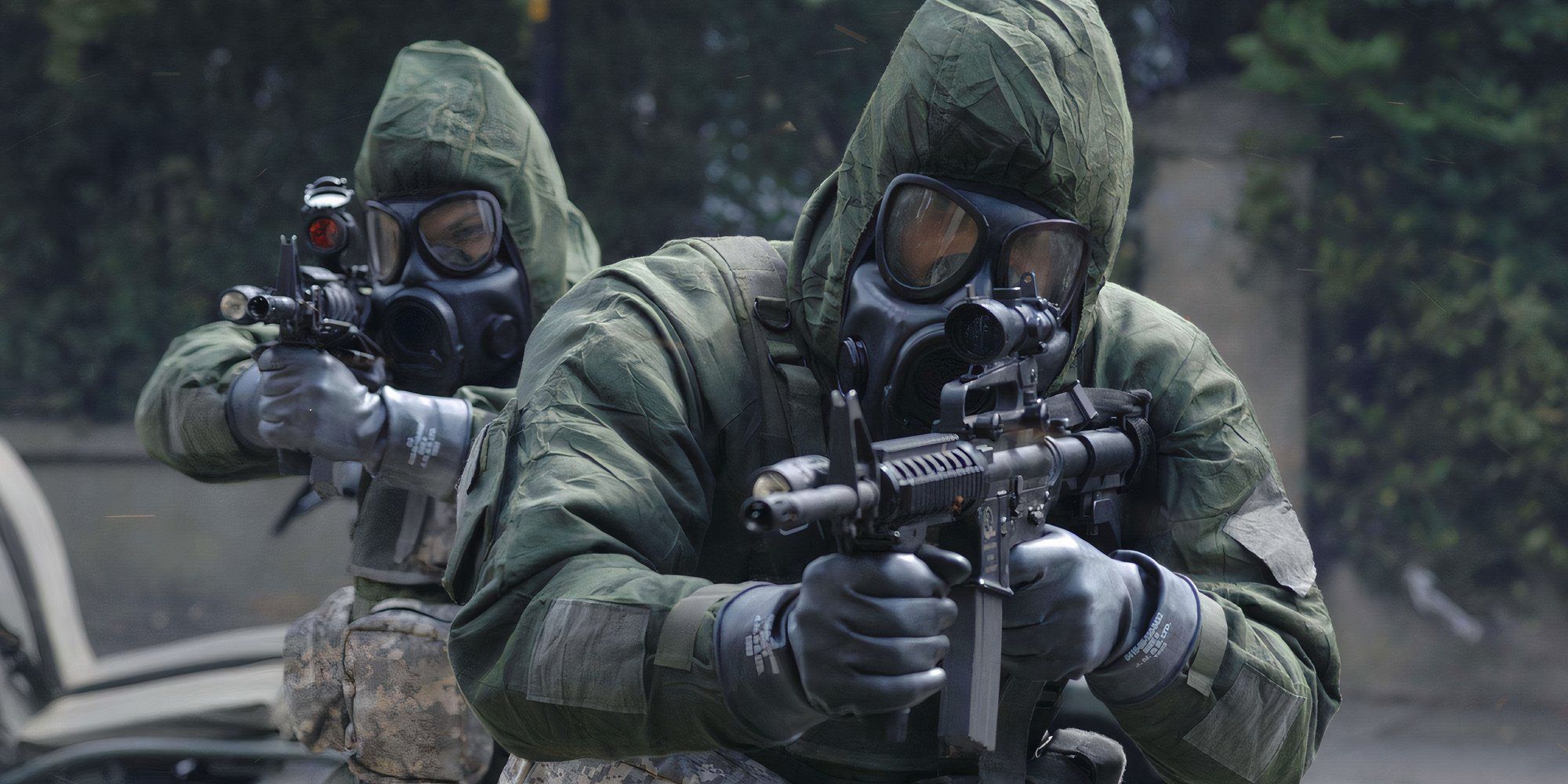
In the 2007 cult-classic horror sequel 28 Weeks Later, Flynn, portrayed by actor Harold Perrineau, serves as a cynical yet loyal American Special Operations helicopter pilot. His primary role is providing aerial reconnaissance and extraction for the military, eventually becoming the sole hope for the protagonists' survival and the unintentional catalyst for the virus's global spread.
The Architectural Role of Flynn in the 28 Weeks Narrative
To understand Flynn’s profile, one must first understand the landscape of 28 Weeks Later. Set six months after the initial Rage Virus outbreak in Great Britain, the film depicts the United States military overseeing the repopulation of London. Within this rigid hierarchy, Flynn is not a frontline "grunt" but a specialized asset. His role as a pilot places him physically above the carnage, giving him a literal and metaphorical perspective that other characters lack.
Flynn serves as the "Deus ex Machina" and the emotional anchor for Sergeant Doyle (Jeremy Renner). While the film is often remembered for its relentless pace and gore, the relationship between Flynn and Doyle provides the narrative’s human core. Flynn is the pilot who refuses to abandon his friend, even when the "Code Red" protocol mandates the firebombing of the entire civilian population.
Defining the Profile: Who is Flynn?
Flynn is characterized by a blend of military pragmatism and a hidden vein of compassion. Unlike the bureaucratic or overly aggressive commanders seen in the District 1 headquarters, Flynn operates with a degree of autonomy. He is a survivor who understands the technical limitations of his aircraft and the tactical reality of the ground situation.
His profile is that of a man who has seen the world fall apart once and is prepared to do whatever is necessary to ensure it doesn't happen to him or his circle. This cynicism is his shield. However, his willingness to break protocol for Doyle—and eventually for the children, Tammy and Andy—reveals a character who values individual lives over abstract military directives.
Tactical Significance: The US Army Special Operations Pilot
Flynn’s specific military designation is crucial to his role. He isn't flying a transport plane; he is piloting a Bell UH-1H Iroquois (often referred to as a "Huey"). This choice of aircraft is symbolic, evoking imagery of the Vietnam War and the moral ambiguity often associated with "search and destroy" missions.
In the context of the film’s "Code Red," Flynn’s role shifts from surveillance to evacuation. When the infection breaches the Green Zone, the military’s response is total annihilation. Flynn is ordered to leave, but his internal moral compass (and his bond with Doyle) forces him to remain in the danger zone. His expertise allows the protagonists to navigate the city, avoiding both the infected hordes and the indiscriminate fire of the US military.
The Iconic "Helicopter Blade" Scene: A Technical Analysis
Perhaps the most famous scene involving Flynn—and one of the most iconic moments in horror history—is the field massacre. When Flynn is forced to land his helicopter to pick up the survivors, he is swarmed by a massive horde of "The Infected."
To clear a path, Flynn performs a daring and highly dangerous maneuver: he tilts the helicopter’s rotor blades toward the ground, effectively turning the aircraft into a giant lawnmower.
- Narrative Impact: This scene cements Flynn’s role as a man of action who is willing to use his "tools of the trade" in unconventional, brutal ways to survive.
- Visual Storytelling: The scene highlights the desperation of the situation. It shifts Flynn from a peripheral support character to a central protagonist who has "gotten his hands dirty" (or rather, his rotors).
- Cinematic Significance: From a filmmaking perspective, this sequence is a masterclass in tension and practical effects, defining the visceral nature of the 28 Days/Weeks franchise.
The Relationship Between Flynn and Doyle
The dynamic between Flynn and Sergeant Doyle is the most significant interpersonal relationship for Flynn’s character. Doyle is a sniper who refuses to shoot civilians, and Flynn is the pilot who risks everything to get him out.
Their friendship suggests a long history of serving together. They communicate with a shorthand that implies deep trust. When Doyle abandons his post to save the children and Scarlet (Rose Byrne), he does so knowing that Flynn is his only way out. This puts Flynn in an impossible position: obey the orders of the US military (which include "incinerating" his friend) or commit treason to save a comrade. Flynn chooses the latter, which elevates his character from a secondary military asset to a moral agent within the story.
The Climax: The Flight to France and Global Implications
As we analyze Flynn's role in 2026, looking back at the franchise's trajectory, his final actions in 28 Weeks Later are the most consequential. After Doyle’s death, Flynn becomes the sole guardian of Tammy and Andy. He eventually succeeds in flying them across the English Channel to France.
The Unintended Consequence
Flynn’s role in the ending is tragic. He believes he is performing a heroic act of rescue. However, by transporting Andy—who is an asymptomatic carrier of the Rage Virus—Flynn unknowingly facilitates the fall of mainland Europe. The final shots of the film show the empty helicopter on a French beach and infected people running toward the Eiffel Tower.
This transition defines Flynn as a "Tragic Hero." His virtues—loyalty, bravery, and the desire to save children—are exactly what lead to the global catastrophe. If Flynn had followed his military orders and left the children behind, the virus might have remained contained within the British Isles.
| Feature/Aspect | Flynn’s Initial Role | Flynn’s Final Role | Impact on Narrative |
|---|---|---|---|
| Command Structure | Subordinate to US Military | Rogue/Independent Actor | Driven by personal loyalty over orders. |
| Primary Mission | Surveillance and Recon | Extraction and Survival | Provides the only means of escape for the protagonists. |
| Tactical Asset | Aerial Support | The "Lawnmower" Offensive | Uses his aircraft as a weapon of mass destruction. |
| Moral Compass | Cynical Professional | Compassionate Savior | His humanity causes the virus to spread to Europe. |
| Status at Ending | Active Pilot | Missing/Presumed Dead | His abandonment of the aircraft signals the fall of France. |
Why Flynn Remains a Fan-Favorite Character
Flynn resonates with audiences because he represents the "everyman" within a specialized setting. He isn't a superhero; he is a professional who is clearly stressed, exhausted, and skeptical of the leadership above him. Harold Perrineau’s performance adds a layer of charisma and "coolness" that provides much-needed levity in a film that is otherwise incredibly bleak.
Furthermore, Flynn is one of the few characters who actually displays a level of competence that matches the threat. While the military commanders fail to contain the outbreak through bureaucracy and fire, Flynn uses his skills to navigate the chaos with precision.
Character Comparison: Flynn vs. Other Franchise Pilots
In the broader context of zombie and post-apocalyptic cinema, the "Pilot" is a recurring archetype. However, Flynn stands out:
- Vs. Dawn of the Dead Pilots: Flynn is more tactically aggressive. He doesn't just fly; he fights.
- Vs. World War Z Pilots: Flynn is a more developed character with clear personal stakes, whereas most disaster movie pilots are anonymous.
- Vs. 28 Days Later (Frank): While Frank (Brendan Gleeson) was a father figure, Flynn is a brother-in-arms. Frank provided hope; Flynn provides the literal vehicle for that hope.
Frequently Asked Questions
Did Flynn know Andy was infected?
No, Flynn was unaware of Andy’s status as an asymptomatic carrier. His primary goal was to honor Doyle’s sacrifice and rescue the survivors. His lack of medical knowledge or awareness of the "carrier" concept is what allowed the virus to escape the island.
What happened to Flynn after the film ended?
The film leaves Flynn’s fate ambiguous. We see the helicopter (G-CHYI) abandoned on a beach in France. While there is no body shown, the presence of the Rage Virus in Paris shortly after suggests that either the children turned or were attacked, and Flynn was likely overwhelmed or escaped into a world that was rapidly falling apart.
Why did Flynn use the helicopter blades to kill the infected?
This was a move of pure desperation. The helicopter was surrounded by hundreds of infected, and landing or taking off normally would have resulted in the cabin being swarmed. By tilting the rotors, he cleared a radius of several meters, allowing the survivors to board safely. It is a highly "cinematic" move that underscores the film's "Rage" theme.
Is Flynn in the sequel, 28 Years Later?
As of 2026, with the expansion of the 28 franchise, there has been much speculation regarding the survivors of the original films. While Flynn’s character has not been officially confirmed to return in a leading capacity, his actions remain the most significant plot point connecting the second and third installments of the series.
What was Flynn’s rank and unit?
Flynn is identified as a Chief Warrant Officer (CWO) or similar high-level pilot within the US Army Special Operations. His ability to operate independently and his proximity to high-value snipers like Doyle suggest he was part of an elite aviation regiment.
Summary of Flynn's Impact
Flynn is the bridge between the order of the military and the chaos of the infected world. His character profile is defined by technical skill, personal loyalty, and tragic oversight. Without Flynn, the protagonists would have died in the initial firebombing of London; because of Flynn, the Rage Virus achieved a foothold in continental Europe.
His role serves as a warning about the complexities of "doing the right thing" in a world governed by biological warfare. He chose the human path over the tactical one, and in the universe of 28 Weeks Later, that choice came with the highest possible price.
Practical Recommendation for Viewers
When re-watching 28 Weeks Later, pay close attention to Flynn’s dialogue during the initial helicopter ride to the Green Zone. His observations about the "dead city" foreshadow his later decision to abandon his post. For those interested in the technical aspects of the film, researching the Bell UH-1H maneuvers used in the film provides a fascinating look at how practical aviation effects can enhance horror storytelling.