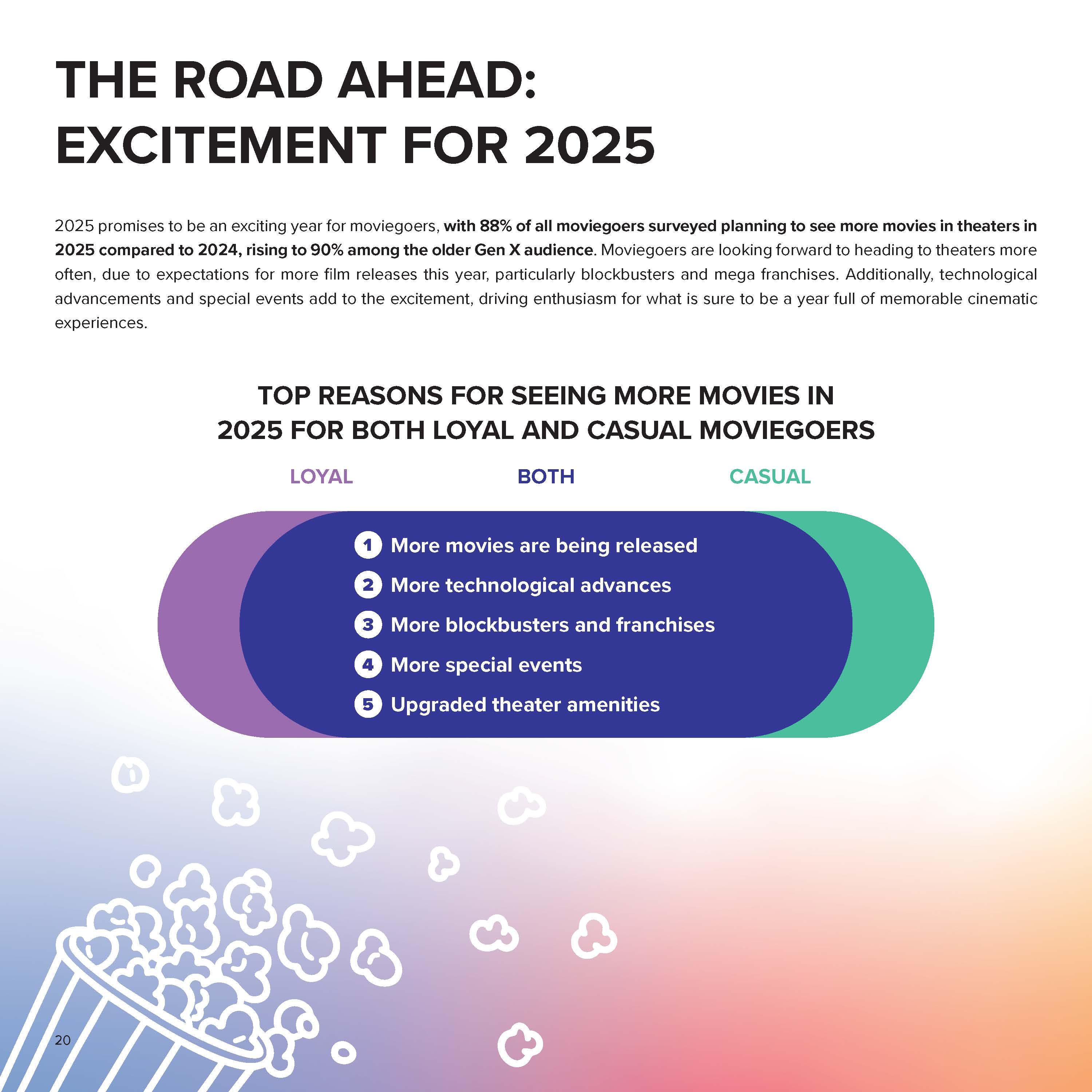
The 2025 film year served as a pivotal transitional period for the global cinema industry, characterized by the stabilization of theatrical distribution models, the integration of generative AI in production workflows, and a significant shift in audience engagement metrics. Analysts observe that 2025 marked the definitive end of post-pandemic recovery cycles, replacing them with a data-driven focus on mid-budget profitability and franchise fatigue mitigation.
The Evolution of Theatrical Distribution Models
Following several years of experimentation with day-and-date releases and shortened theatrical windows, 2025 saw the industry settle into a modernized version of the traditional model. Major studios moved away from aggressive simultaneous streaming releases, prioritizing theatrical exclusivity for tentpole titles to rebuild the cultural "event" status of cinema-going.
The 2025 strategy focused heavily on dynamic windowing. While major blockbusters maintained the standard 45-to-90-day exclusive theatrical window, studios utilized predictive analytics to determine the optimal digital release date for non-franchise films. This approach allowed for reduced marketing expenditures for films that failed to generate early theatrical momentum, while protecting the box office longevity of high-performing titles.
The Role of Mid-Budget Cinema
One of the most significant insights from 2025 was the renewed viability of mid-budget films. In previous years, the market had polarized into massive tentpole spectacles and ultra-low-budget independent features. 2025 bucked this trend as studios recognized that audiences were increasingly seeking original narratives that did not require immersion in an expansive, multi-film cinematic universe. This shift led to a resurgence in adult-skewing dramas, thrillers, and genre-bending comedies that capitalized on star-driven marketing campaigns rather than intellectual property reliance.
Technological Integration in Production and Post-Production
2025 was the year generative AI transitioned from a point of industry contention to a standard utility in the production pipeline. Rather than replacing creative talent, AI tools were largely utilized in 2025 for labor-intensive, non-creative tasks, such as automated rotoscoping, background plate generation for virtual production sets, and efficient dubbing for international localization.
Impact on International Localization
Localization saw perhaps the most tangible benefit from 2025’s technological advancements. AI-driven lip-syncing and tonal voice synthesis allowed films to be released in non-English speaking markets with a degree of naturalism previously unattainable through standard dubbing. This effectively lowered the barrier to entry for international audiences, enabling independent and mid-budget films to achieve global reach without the prohibitive costs of traditional high-end localization services.
Audience Engagement and the "Franchise Fatigue" Metric
A recurring insight throughout 2025 was the demonstrable exhaustion regarding established cinematic universes. Box office data from the year indicates that sequels, prequels, and spin-offs—which previously functioned as guaranteed financial successes—showed significant variance in performance. Audience metrics suggested that "brand loyalty" alone was no longer sufficient to drive attendance.
This phenomenon, dubbed "franchise fatigue," forced studios to rethink the cadence of their content releases. Instead of saturation, 2025 saw a trend toward "scarcity marketing," where the limited frequency of major franchise installments helped restore a sense of necessity to the viewing experience. Films that failed to provide a compelling, self-contained narrative arc alongside franchise expansion were frequently outperformed by original IP that promised a unique, singular story.
Data-Driven Marketing and Audience Retention
The marketing landscape in 2025 evolved into a highly segmented, data-centric operation. Traditional blanket advertising was largely supplanted by community-focused strategies. Studios leaned into platforms where specific demographics gathered, utilizing granular social listening tools to identify organic trends before they reached the mainstream.
Key Metrics for Film Performance
| Metric | Importance | Application |
|---|---|---|
| Opening Weekend Velocity | Critical | Determines theater screen count for week two. |
| Sentiment Velocity | High | Adjusts social media ad spend in real-time. |
| Re-watch Quotient | Moderate | Predicts long-term digital and home media revenue. |
| Cross-Platform Reach | High | Measures effectiveness of non-theatrical trailer impact. |
The move toward sentiment velocity tracking allowed studios to pivot marketing messages within 48 hours of a film’s release. If initial audience reception highlighted a specific tone or character as the primary draw, advertising creative was rapidly updated to emphasize those elements, effectively rescuing underperforming segments during the theatrical run.
Sustainability and Environmental Reporting
In 2025, environmental, social, and governance (ESG) reporting became a standard requirement for major film productions. Studios were under increased pressure from investors and government bodies to quantify the carbon footprint of their filming locations, transportation logistics, and energy consumption on soundstages.
The industry responded by standardizing "Green Production" protocols. These protocols involve mandated usage of battery-electric power sources in place of diesel generators and the digitization of physical asset management to reduce waste in set construction. These insights into resource management are expected to remain a permanent fixture of project budgeting moving forward, as they provide not only environmental benefits but also cost-efficiency in energy expenditures.
Challenges in Talent Retention and Industry Labor
The labor environment in 2025 was defined by the aftermath of previous years' industrial disputes. Production schedules were highly compressed, leading to a focus on efficient, high-impact filming blocks. Studios and independent producers had to navigate a tighter labor market, where experienced crews were in high demand but limited supply. This resulted in a rise in talent-retention incentives and a greater emphasis on safe, sustainable working hours.
Common Misconceptions Regarding 2025 Film Performance
- The "Streaming Killed the Cinema" Myth: Contrary to 2025 projections, the theatrical experience proved robust. Streaming became a distribution channel for specific genres, not a replacement for the theatrical event.
- AI as a Creative Replacement: The narrative that AI would replace directors or writers proved inaccurate. AI remained a tool for technical optimization, with audiences consistently favoring human-led, emotionally resonant storytelling.
- The Death of the Star System: While IP-driven films struggled, films anchored by proven star power outperformed projects that relied solely on established brand names. The "movie star" remains a crucial component of audience attraction.
Frequently Asked Questions
What was the primary driver of box office success in 2025? The primary driver was the combination of high-concept original storytelling and targeted, sentiment-based marketing. Films that balanced familiarity with a unique creative vision consistently outperformed stagnant franchise installments.
How did AI change post-production workflows in 2025? AI primarily reduced the time required for non-creative tasks like visual effects cleanup, background generation, and sophisticated dubbing. This allowed smaller production teams to achieve visual standards previously restricted to high-budget productions.
Was the 2025 film year characterized by a decline in independent cinema? No. 2025 saw a strong resurgence in independent and mid-budget films, supported by the reduction of production costs through efficient technology and improved international distribution reach via advanced localization.
Did franchise fatigue impact 2025 theatrical revenue? Yes. Data shows a clear trend where audiences penalized films that felt like "content for the sake of content." Franchises only maintained success when they offered fresh stylistic approaches or significant narrative deviations.
What is the current status of ESG compliance in filmmaking? ESG compliance is now standard. Major studios track and report carbon emissions from production sets, with many implementing mandatory electrical power standards to reduce the reliance on fossil fuels during long-term shoots.
How did studios address the volatility of audience interest? Studios shifted from broad marketing campaigns to highly focused, data-driven strategies that utilized real-time sentiment analysis to adjust advertising creative immediately following a film's initial release.
Recommendations for Industry Participants
For those involved in the production or distribution sectors, the core takeaway from 2025 is the necessity of adaptability. Future projects should prioritize the creation of unique, self-contained narratives that function independently of broader universe requirements. When utilizing technological advancements like AI, producers should ensure these tools are applied toward efficiency and localization, rather than attempting to substitute the core human element that audiences clearly demand.
As the industry enters the next phase of its evolution, the focus must remain on theatrical exclusivity for major releases, combined with a disciplined, data-informed approach to audience engagement. Organizations that prioritize sustainable production practices and talent retention will likely see the greatest long-term stability in an increasingly competitive global market.