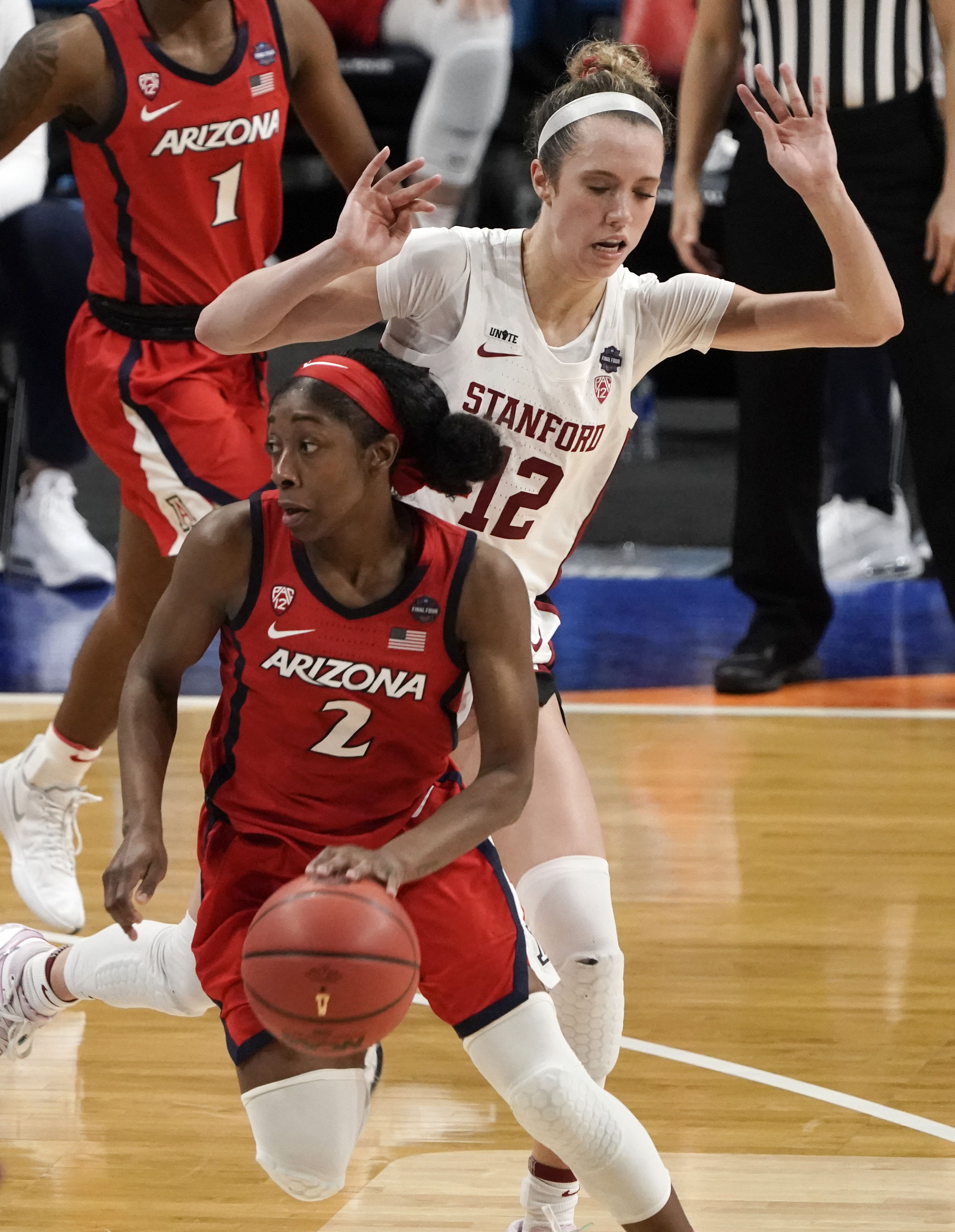
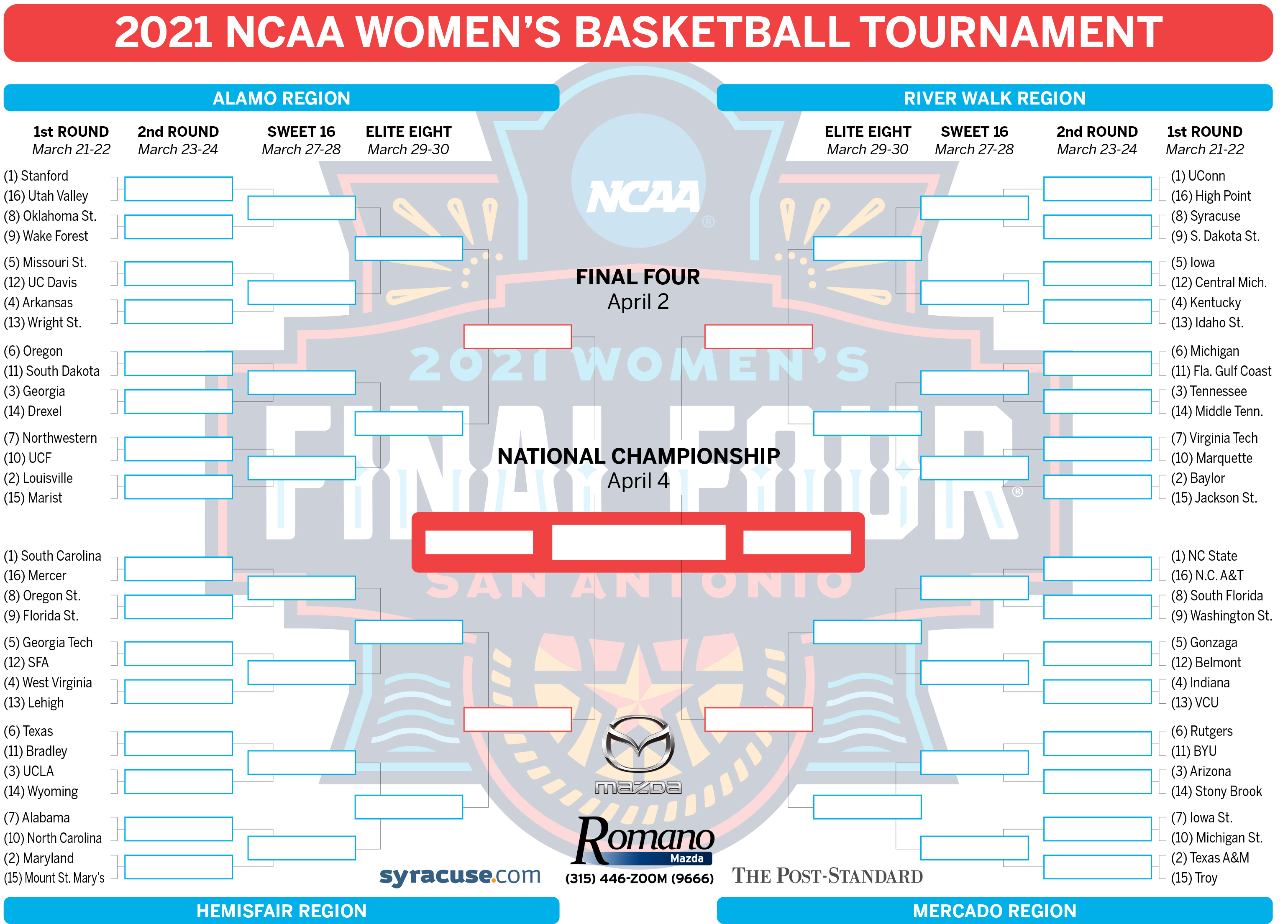
The 2021 NCAA women’s basketball season was a landmark campaign defined by its resilience during the COVID-19 pandemic, a historic push for gender equity, and a thrilling championship run by the Stanford Cardinal. It marked the return of the "March Madness" tournament after the 2020 cancellation, culminating in Stanford’s narrow 54-53 victory over Arizona in San Antonio.
Historical Context: Returning from the 2020 Cancellation
As we look back from the vantage point of 2026, the 2021 season remains one of the most significant chapters in the history of the sport. Coming off the devastating cancellation of the 2020 tournament due to the initial outbreak of COVID-19, the 2020-2021 season was shrouded in uncertainty. Programs across the country faced rigorous testing protocols, frequent game postponements, and empty arenas.
The season was not just about crowning a champion; it was about the survival and visibility of women’s collegiate athletics. For many seniors, it represented a final chance at glory after their previous year was cut short. For the NCAA, it was a logistical challenge of unprecedented proportions, requiring the creation of a "controlled environment" to ensure the safety of athletes, coaches, and staff.
The regular season was characterized by the dominance of traditional powerhouses like UConn and South Carolina, but it also saw the emergence of a generational freshman class. This duality—the steady hand of legendary coaches and the explosive talent of new stars—created a narrative tension that carried through to the final buzzer in San Antonio.
The "San Antonio Bubble": A Unique Tournament Structure
Unlike previous years where the tournament featured regional sites across the United States, the 2021 NCAA Division I Women’s Basketball Tournament was held entirely in the San Antonio, Texas, area. This "bubble" format was designed to minimize travel and reduce the risk of COVID-19 transmission.
Games were distributed across several venues, including the Alamodome, Bill Greehey Arena, the Frank Erwin Center in Austin, and University Arena in San Marcos. This geographic consolidation meant that teams remained in the same city for the duration of their tournament run, creating a unique atmosphere of shared experience and heightened intensity.
The logistical undertaking was immense. The NCAA had to coordinate housing, practice facilities, and medical testing for 64 teams in a single metropolitan area. While the men's tournament was held in a similar bubble in Indianapolis, the San Antonio environment became the epicenter of a cultural conversation that would forever change the trajectory of the sport.
The Inequity Controversy and the Push for Gender Equity
The 2021 tournament is perhaps most famous for the "Weight Room Controversy." Shortly after teams arrived in San Antonio, Oregon forward Sedona Prince posted a viral video on social media highlighting the stark differences between the training facilities provided to the men’s teams in Indianapolis and the women’s teams in San Antonio.
While the men had a massive, fully equipped weight room, the women were initially provided with a single rack of light dumbbells and a few yoga mats. This visual evidence of inequity sparked a national outcry, drawing criticism from NBA stars, WNBA players, and public figures. The controversy expanded beyond gym equipment to include discrepancies in COVID-19 testing (the men used PCR tests while the women used antigen tests), the quality of "swag bags," and even the food provided to athletes.
In response, the NCAA commissioned an independent review by the law firm Kaplan Hecker & Fink LLP. The resulting "Kaplan Report" documented systemic inequities and provided a roadmap for reform. From the 2026 perspective, we can see that this moment was the catalyst for the NCAA’s decision to finally allow the women's tournament to use the "March Madness" branding, a privilege previously reserved only for the men.
Team Deep Dives: The Road to the Final Four
Stanford: The Champions
Led by the legendary Tara VanDerveer, the 2020-21 Stanford Cardinal were a testament to adaptability. Due to strict health orders in Santa Clara County, the team was unable to play or practice at their home gym for much of the season. They spent nearly ten weeks living out of hotels and playing "home" games in other states. Despite these hurdles, Stanford secured the #1 overall seed. Their roster featured a deep mix of talent, including Final Four Most Outstanding Player Haley Jones and veteran guard Kiana Williams.
Arizona: The Underdog Story
The Arizona Wildcats, led by head coach Adia Barnes, were the tournament's "Cinderella" story, despite being a #3 seed. Barnes, an alumna of the program, led her team to its first-ever Final Four and National Championship game. The Wildcats relied on a ferocious defense and the scoring brilliance of Aari McDonald, who averaged nearly 25 points per game during the tournament.
UConn: The Bueckers Era Begins
The 2021 season saw the arrival of Paige Bueckers, who became the first freshman in history to win the AP Player of the Year, the Naismith Trophy, and the Wooden Award. UConn entered the tournament as a favorite but was ultimately upset by Arizona in the Final Four, a game that highlighted the narrowing gap between the Huskies and the rest of the elite programs.
South Carolina: Building a Dynasty
Dawn Staley’s Gamecocks were a physical force, led by Aliyah Boston and Zia Cooke. South Carolina's path to the Final Four was dominant, setting the stage for their future championships. Their heartbreaking loss to Stanford in the national semifinal—decided by a missed layup and put-back in the final seconds—remains one of the most intense finishes in tournament history.
Statistical Leaders and Award Winners
The 2020-21 season was statistically remarkable, particularly for the performance of underclassmen who would go on to dominate the sport for the next four years.
| Category | Player / Team | Statistic / Award |
|---|---|---|
| National Champion | Stanford Cardinal | 31-2 Overall Record |
| Scoring Leader | Caitlin Clark (Iowa) | 26.6 Points Per Game |
| Rebounding Leader | Aliyah Boston (South Carolina) | 11.5 Rebounds Per Game |
| Assists Leader | Tiana Mangakahia (Syracuse) | 7.2 Assists Per Game |
| Naismith Trophy | Paige Bueckers (UConn) | Player of the Year |
| Freshman of the Year | Caitlin Clark & Paige Bueckers | (Multiple Honors Shared) |
| Coach of the Year | Tara VanDerveer (Stanford) | Naismith Coach of the Year |
The National Championship Game: Stanford vs. Arizona
On April 4, 2021, the Alamodome hosted a championship game that was more of a defensive grind than a high-scoring shootout. Stanford’s size and depth were pitted against Arizona’s speed and the individual brilliance of Aari McDonald.
Stanford led for most of the game, but Arizona’s relentless pressure forced the Cardinal into 21 turnovers. In the final quarter, McDonald pulled the Wildcats to within one point. With six seconds remaining, Stanford turned the ball over, giving Arizona one final chance to win the title. Three Stanford defenders swarmed McDonald, forcing a contested fadeaway jumper that hit the back of the rim as time expired.
The 54-53 victory gave Stanford its third national title and its first since 1992. For Tara VanDerveer, it solidified her status as the winningest coach in women’s college basketball history at that time.
Impact on the Future of the Sport (The 2026 Perspective)
Looking back five years later, the 2021 season was the "Big Bang" for the current explosion in women's basketball popularity. The inequities exposed in San Antonio led to a massive reinvestment in the game. By 2022, the NCAA began using "March Madness" branding for the women's tournament, and television ratings began a steep upward trajectory.
The 2021 season also introduced the world to Caitlin Clark and Paige Bueckers as freshmen. Their rivalry and individual excellence became the primary marketing engine for the sport through 2024 and 2025, leading to record-breaking viewership numbers and the highest WNBA draft interest in history.
Furthermore, the 2021 season pioneered the "transfer portal" era. Because the NCAA granted all winter sport athletes an extra year of eligibility due to COVID-19, the "super-senior" phenomenon began, allowing programs to maintain veteran rosters and increasing the overall level of play across the country.
Frequently Asked Questions
Who won the 2021 NCAA Women’s Basketball National Championship?
The Stanford Cardinal won the championship by defeating the Arizona Wildcats 54-53. This was Stanford's first title in 29 years, led by head coach Tara VanDerveer and tournament MOP Haley Jones.
Why was the entire 2021 tournament held in San Antonio?
To mitigate the risks of the COVID-19 pandemic, the NCAA decided to host the tournament in a single geographic region. San Antonio and the surrounding cities provided enough venues and hotel capacity to house all 64 teams in a "controlled environment" or bubble.
What was the "weight room controversy" in 2021?
It was a viral social media moment where Oregon player Sedona Prince showed that the women's tournament practice facility had significantly fewer resources than the men's facility. This led to a major independent investigation into gender inequity within the NCAA.
Who were the top freshmen in the 2020-21 season?
The season featured one of the greatest freshman classes ever, headlined by UConn’s Paige Bueckers and Iowa’s Caitlin Clark. Bueckers became the first freshman to win the Naismith Trophy, while Clark led the nation in scoring.
How did the COVID-19 pandemic affect the season?
Teams played shortened schedules, often in empty arenas. Frequent testing and contact tracing led to many game cancellations. The NCAA eventually granted all 2021 athletes an extra year of eligibility to compensate for the disrupted season.
Who was the leading scorer in the 2021 NCAA tournament?
Aari McDonald of Arizona was the standout scorer of the tournament, leading her team to the final and consistently scoring over 20 points per game against elite defenses.
Moving Forward: The Legacy of 2021
If you are researching the history of the game or looking for the roots of today's high-octane women's basketball landscape, the 2021 season is the essential starting point. It was the year the sport refused to be sidelined by a pandemic and refused to be silenced by systemic inequity.
For fans and analysts, the 2021 season serves as a reminder of the power of student-athlete voices. The advocacy of players during that tournament directly resulted in the improved facilities, marketing, and broadcast slots we see in 2026. To truly understand the current state of collegiate sports, one must study the resilience and the reform that defined the San Antonio bubble.