The 2022 FIFA World Cup, held in Qatar from November 20 to December 18, 2022, concluded with Argentina winning its third title after defeating France in a penalty shootout following a 3-3 draw. This tournament was the first held in the Arab world and the last to feature the 32-team format.
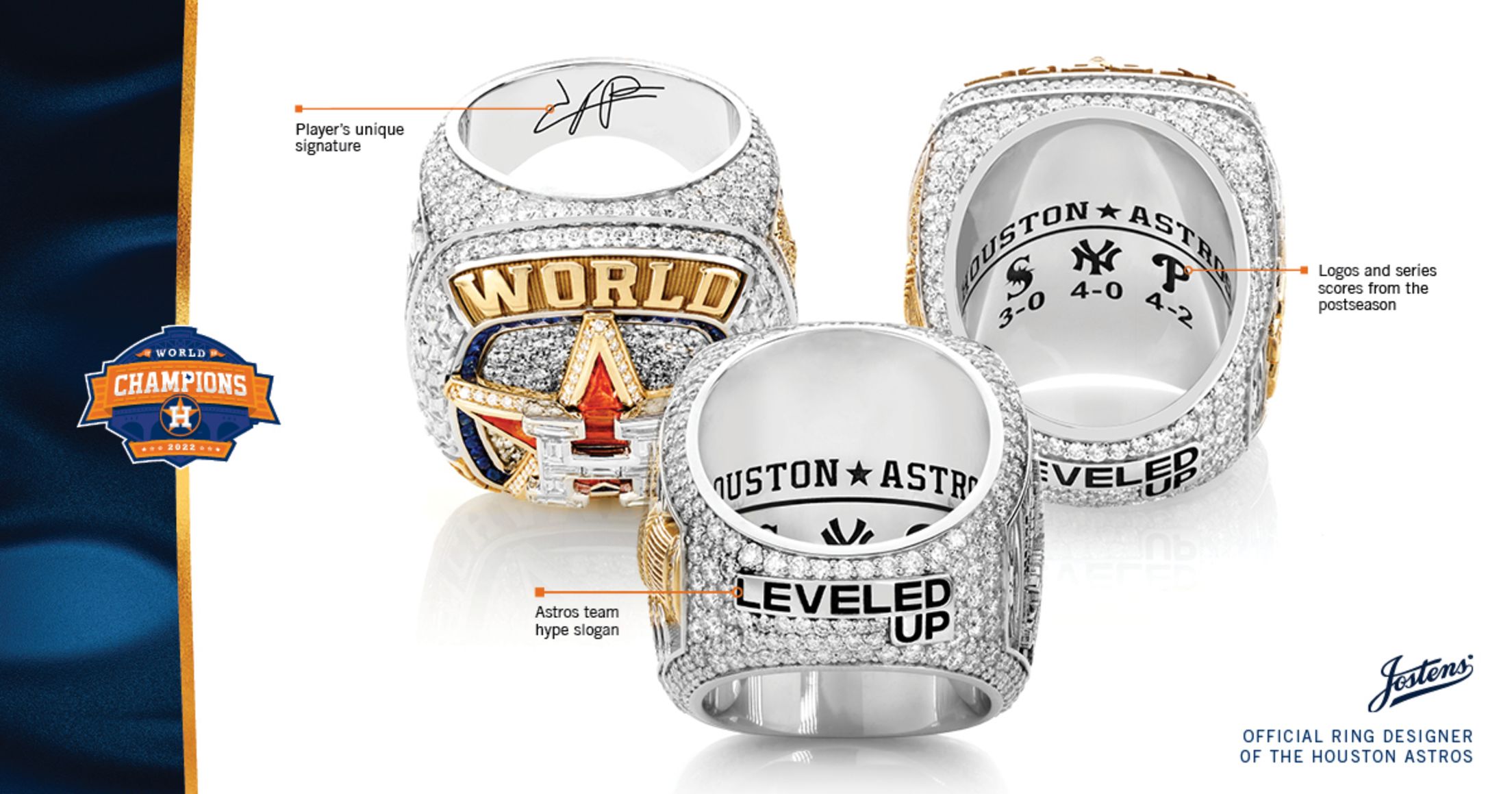
While several major sports championships occurred in 2022—including the Golden State Warriors’ NBA title and the Houston Astros’ World Series victory—the term "2022 championship" remains most synonymous with the global football event that captivated billions. Looking back from 2026, the 2022 tournament serves as a pivotal bridge between traditional footballing eras and the expanded, multi-national format of the current 2026 cycle.
Historical Context and Host Selection
The journey to the 2022 championship began in December 2010 when FIFA awarded the hosting rights to Qatar. This decision was historic and controversial, marking the first time a World Cup was hosted in the Middle East. Because of the extreme summer temperatures in the region, the tournament was moved to the northern hemisphere's winter, disrupting the traditional European club season schedules for the first time in the competition's history.
To accommodate the event, Qatar embarked on an unprecedented infrastructure project. The nation constructed seven new stadiums and extensively renovated an eighth, all located within a 35-mile radius of Doha. This "compact" layout allowed fans to attend multiple matches in a single day, a feat never before possible. The total cost of infrastructure—including a new metro system, an expanded airport, and entire new cities like Lusail—was estimated at over $220 billion, making it the most expensive championship in sporting history.
From a 2026 perspective, the logistical success of the 2022 event redefined how FIFA views "hub-based" tournaments. Although the current 2026 tournament spans an entire continent, the 2022 model proved that concentrated infrastructure can provide a unique, high-intensity fan experience, provided the hosting nation can manage the density of international visitors.
The Group Stage: A Tournament of Upsets
The 2022 championship was defined from its earliest days by unpredictable results that challenged the established hierarchy of international football. The group stage provided several "shock" results that influenced the knockout bracket's eventual shape.
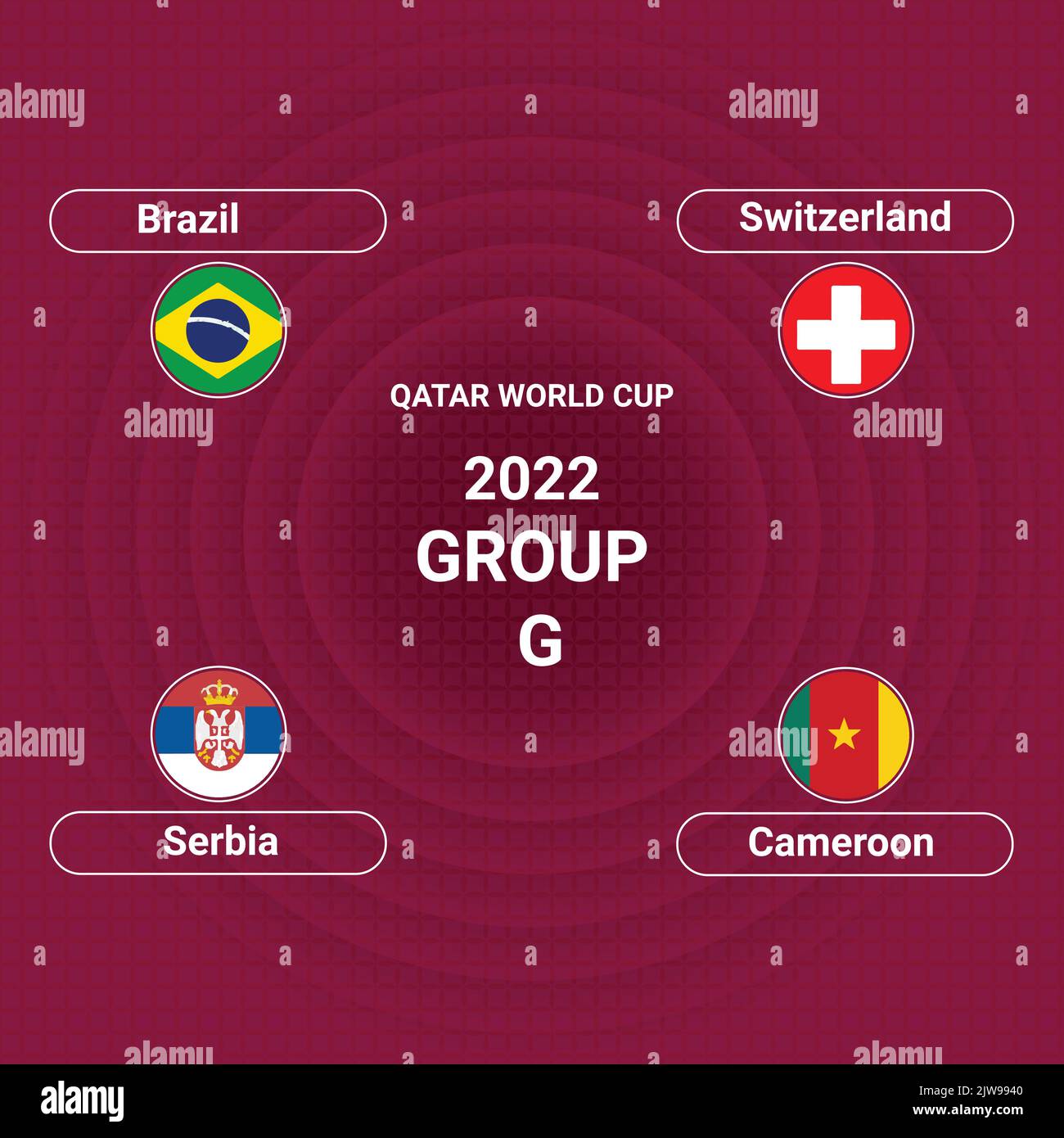
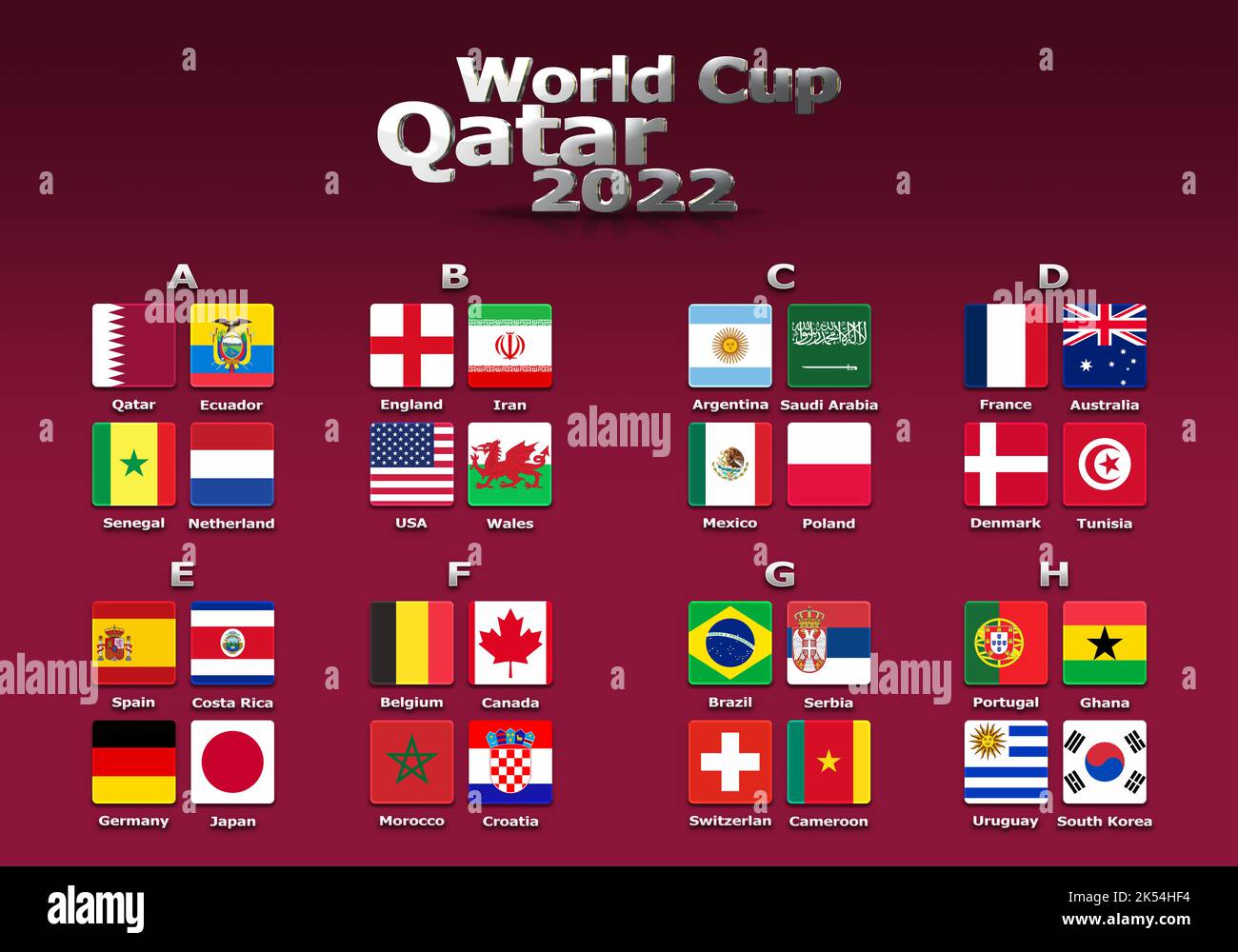
One of the most significant moments occurred in Group C, where Saudi Arabia defeated the eventual champions, Argentina, 2-1 in their opening match. This result broke Argentina's 36-match unbeaten streak and initially threw Lionel Messi’s final World Cup campaign into doubt. However, Argentina’s ability to recover from this loss became a central narrative of their championship journey.
Other notable group stage developments included:
- Japan’s Technical Brilliance: Japan topped a group containing Germany and Spain, defeating both former champions with disciplined counter-attacking football.
- Germany’s Early Exit: For the second consecutive tournament, the four-time champions failed to progress past the group stage, leading to a period of significant restructuring in German football that lasted into the mid-2020s.
- Morocco’s Ascent: Morocco topped Group F, which included the 2018 runners-up Croatia and the world's then-second-ranked team, Belgium. This was the precursor to the greatest run by an African nation in the history of the championship.
The Knockout Phase: Tactical Evolution
As the tournament transitioned into the knockout rounds, the tactical diversity of the 2022 championship became more apparent. Teams moved away from pure possession-based systems toward more flexible, transition-oriented models.
The Quarter-Final Dramas
The quarter-finals were marked by high-stakes penalty shootouts and tactical masterclasses. Croatia, led by the evergreen Luka Modric, demonstrated remarkable resilience by eliminating the tournament favorites, Brazil. Croatia’s strategy focused on neutralizing Brazil’s midfield and forcing the game into extra time, where their mental fortitude in shootouts eventually prevailed.
Simultaneously, Morocco continued their historic run by defeating Portugal 1-0. This victory made Morocco the first African and first Arab nation to reach a World Cup semi-final. Their defensive organization, which conceded only one goal (an own goal) until the semi-final, became a blueprint for underdog nations in subsequent international competitions.
The Rise of the "Final Boss" Narrative
The semi-finals clarified the final showdown. France, the defending champions from 2018, showcased clinical efficiency by ending Morocco’s dream run. Argentina, meanwhile, delivered their most complete performance of the tournament in a 3-0 victory over Croatia, with Lionel Messi and Julian Alvarez forming a devastating partnership that signaled Argentina was peaking at the exact right moment.
The 2022 Final: Argentina vs. France
The final match, held on December 18, 2022, at Lusail Stadium, is widely regarded by sports historians as the greatest football match ever played. It featured a direct confrontation between the era's greatest player, Lionel Messi, and his heir apparent, Kylian Mbappé.
Match Breakdown and Tactical Shifts
Argentina dominated the first 75 minutes, utilizing a 4-4-2 diamond that overwhelmed the French midfield. Goals from Messi (penalty) and Angel Di Maria gave Argentina a 2-0 lead that seemed insurmountable. French manager Didier Deschamps made the radical decision to substitute key starters Olivier Giroud and Ousmane Dembélé before half-time, a move that eventually paid dividends in the final ten minutes of regulation time.
Kylian Mbappé scored two goals in 97 seconds (80' and 81') to force extra time. In the additional 30 minutes, Messi scored again to make it 3-2, only for Mbappé to complete his hat-trick with another penalty in the 118th minute. The match ended 3-3, necessitating a penalty shootout.
The Penalty Shootout and Emi Martínez
Argentina’s goalkeeper, Emiliano "Dibu" Martínez, played a decisive role in the shootout, saving Kingsley Coman’s attempt and applying psychological pressure that led to Aurélien Tchouaméni’s miss. Argentina converted all four of their penalties, with Gonzalo Montiel scoring the winner to secure the 2022 championship.
Statistical Overview of the 2022 Championship
The following table summarizes the performance of the top four teams in the tournament, highlighting the efficiency and volume of their play.
| Team | Final Standing | Goals Scored | Goals Conceded | Top Scorer | Best Finish Prior to 2022 |
|---|---|---|---|---|---|
| Argentina | Winner | 15 | 8 | Lionel Messi (7) | Winner (1978, 1986) |
| France | Runner-up | 16 | 8 | Kylian Mbappé (8) | Winner (1998, 2018) |
| Croatia | 3rd Place | 8 | 7 | Andrej Kramarić (2) | Runner-up (2018) |
| Morocco | 4th Place | 6 | 5 | En-Nesyri (2) | Round of 16 (1986) |
Data Note: Goals scored include extra time but exclude penalty shootouts.
Infrastructure and Legacy: Four Years Later
As we evaluate the 2022 championship in 2026, the legacy of Qatar’s investment remains a subject of intense study. The "stadium legacy" was a core promise of the bid, with several venues designed to be downsized or repurposed.
- Stadium 974: This innovative venue, built from 974 shipping containers, was designed to be completely dismantled after the tournament. Its concept has influenced the design of temporary structures for the 2026 championship in North America.
- Lusail Stadium: The site of the final remains the centerpiece of Lusail City, though its usage has transitioned toward community events and high-profile regional matches rather than weekly club football.
- Social and Labor Impact: The 2022 championship brought global attention to the "Kafala" labor system. While the tournament spurred legislative reforms in Qatar, human rights organizations continue to monitor the long-term enforcement of these changes as of 2026.
Economically, the tournament provided a massive boost to the MENA (Middle East and North Africa) region's visibility as a sports tourism destination. The success of the 2022 logistics paved the way for Saudi Arabia’s successful bid for the 2034 World Cup, confirming a shift in the geopolitical center of sports influence toward the Gulf.
Key Individual Awards
The individual honors at the 2022 championship reflected the high level of talent on display:
- Golden Ball (Best Player): Lionel Messi (Argentina). Messi became the first player to win the Golden Ball twice (previously in 2014) and the first to score in every round of the knockout stage.
- Golden Boot (Top Scorer): Kylian Mbappé (France). With 8 goals, including a hat-trick in the final, Mbappé recorded the highest goal tally in a single World Cup since Ronaldo in 2002.
- Golden Glove (Best Goalkeeper): Emiliano Martínez (Argentina). His save against Randal Kolo Muani in the final seconds of extra time is considered one of the most important saves in the history of the sport.
- Young Player Award: Enzo Fernández (Argentina). His emergence as a world-class midfielder during the tournament led to a record-breaking transfer to Chelsea shortly thereafter.
Frequently Asked Questions
Who won the 2022 championship?
Argentina won the 2022 FIFA World Cup. They defeated France in the final match held on December 18, 2022. The game ended in a 3-3 draw after extra time, and Argentina won the ensuing penalty shootout 4-2. This victory marked Argentina's third World Cup title and the first for Lionel Messi.
Where was the 2022 championship held?
The tournament was held in Qatar. It was the first time a World Cup was hosted in the Middle East. Matches were played across eight stadiums in five cities: Al Khor, Al Rayyan, Al Wakrah, Doha, and Lusail. Because of the region's climate, it was also the first World Cup to be held in the months of November and December.
Who was the top scorer of the 2022 World Cup?
Kylian Mbappé of France won the Golden Boot as the top scorer of the tournament. He scored a total of 8 goals, including three in the final match. Lionel Messi finished as the second-highest scorer with 7 goals.
Why was the 2022 championship controversial?
The tournament faced several controversies, primarily revolving around human rights concerns regarding the treatment of migrant workers who built the infrastructure. Additionally, there were criticisms regarding the lack of LGBTQ+ rights in Qatar and the sudden ban on alcohol sales at stadiums just days before the event began. The shift from a summer to a winter schedule also caused friction with European domestic leagues.
How many teams participated in the 2022 championship?
The 2022 World Cup featured 32 teams. This was the final tournament to use this format, which had been in place since 1998. Starting with the 2026 World Cup, the tournament has expanded to include 48 teams to allow for greater global representation.
Recommendations for Further Study
For those looking to relive the 2022 championship or understand its technical nuances more deeply, several resources are highly recommended. Official FIFA films and documentaries provide behind-the-scenes access to the teams' journeys, particularly the "FIFA+ Archive," which contains full match replays and tactical camera angles.
If you are analyzing the tactical shift in football that occurred between 2022 and 2026, comparing the 2022 Argentina squad's "midfield-heavy" approach to the high-pressing systems favored in current 2026 matches provides excellent insight into the game's evolution. Additionally, for a deeper understanding of the socio-political impact, reports from Human Rights Watch and the International Labour Organization regarding the labor reforms in Qatar offer a necessary perspective on the tournament's non-sporting legacy.