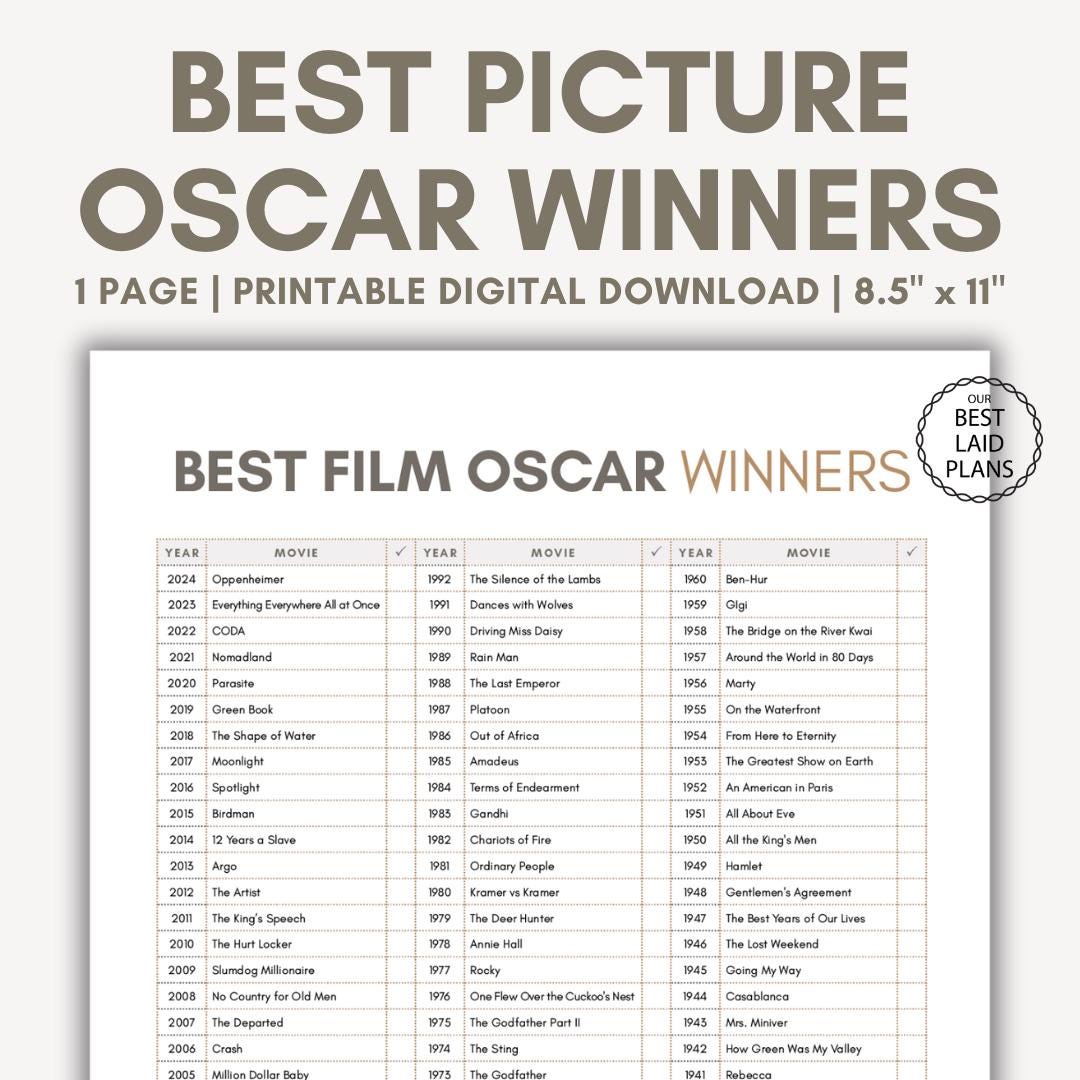
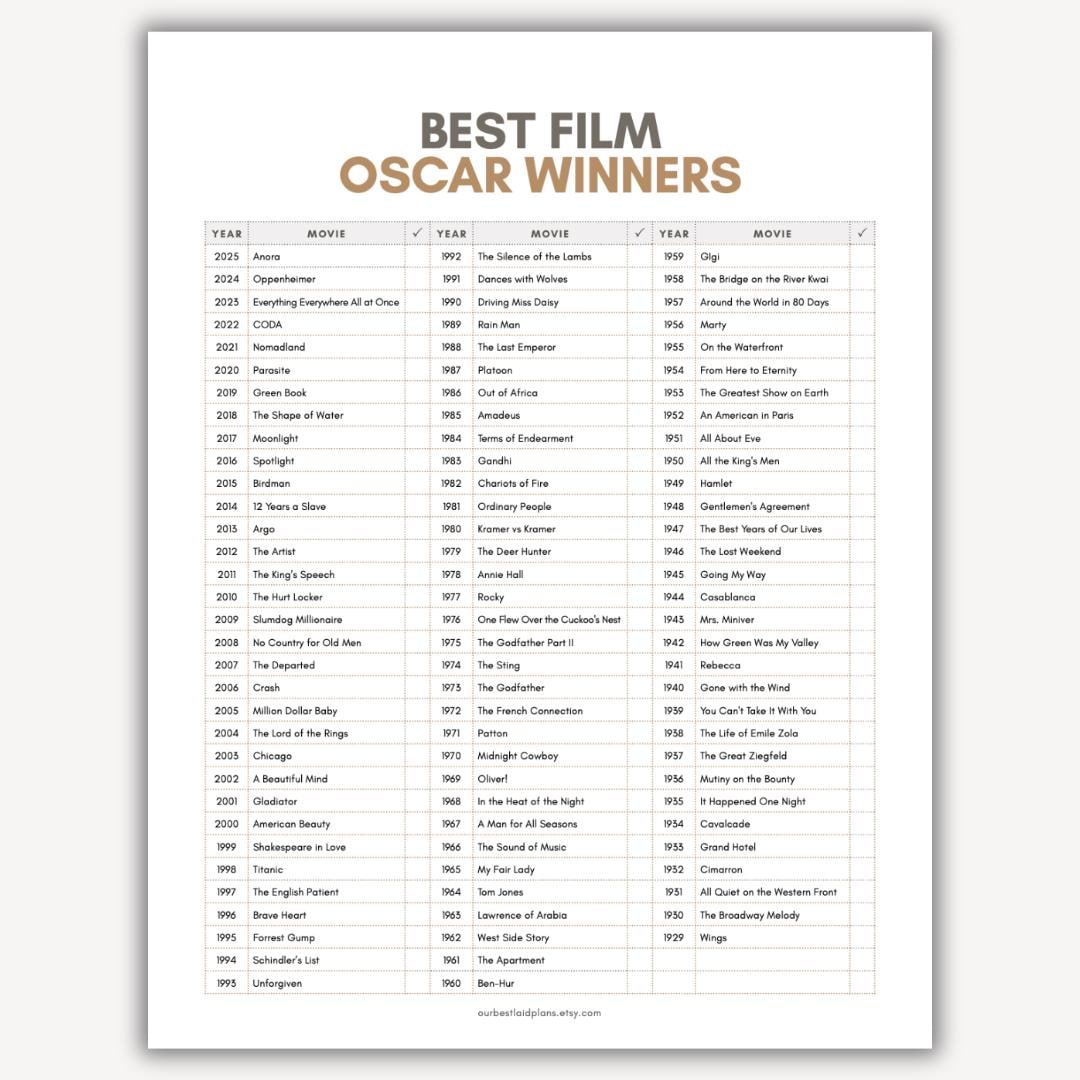
At the 91st Academy Awards, held on February 24, 2019, Green Book was crowned the winner of the Best Picture Oscar. It triumphed over a diverse field of eight nominees, including Roma, Black Panther, Bohemian Rhapsody, The Favourite, A Star Is Born, Vice, and BlacKkKlansman, in a year defined by its lack of a formal host and the rise of streaming cinema.
The 2019 Oscars ceremony, retrospectively viewed from 2026 as a pivotal moment in film history, represented a collision between traditional Hollywood storytelling and the emerging influence of global streaming platforms. The 91st Academy Awards occurred at a time when the industry was grappling with changing distribution models and a renewed focus on diversity and representation. The Best Picture race that year was particularly contentious, featuring a mix of box-office blockbusters, historical dramas, and experimental art-house cinema.
The Cultural Context of the 91st Academy Awards
The 2019 ceremony is often remembered for being the first "hostless" Oscars since 1989. Following the withdrawal of the original host due to controversy, the Academy of Motion Picture Arts and Sciences (AMPAS) opted to proceed with various presenters introducing segments. This experimental format was surprisingly well-received, leading to a faster-paced show that focused more heavily on the films and the nominees themselves.
This year also marked the first time a superhero movie, Marvel Studios' Black Panther, was nominated for Best Picture. This nomination was seen as a validation of the "prestige blockbuster," proving that high-grossing genre films could achieve critical acclaim and institutional recognition. Simultaneously, the inclusion of Alfonso Cuarón's Roma signaled Netflix's definitive arrival as a major player in the award season, sparking intense debates about the definition of "cinema" and the importance of theatrical release windows.
The Best Picture Winner: Green Book
Green Book, directed by Peter Farrelly, emerged as the ultimate victor in the Best Picture category. The film follows the true story of Tony Lip (Viggo Mortensen), a working-class Italian-American bouncer who becomes the driver for Dr. Don Shirley (Mahershala Ali), a world-class African-American classical pianist, on a concert tour through the Deep South in the 1960s.
The film's win was not without controversy. While many praised its "feel-good" narrative and the chemistry between the two lead actors, others criticized it for relying on "white savior" tropes and for its simplified portrayal of race relations in the American South. Despite the polarized critical reception, Green Book resonated strongly with the Academy’s voting body, which often favors character-driven dramas with optimistic resolutions.
Why Green Book Won
The success of Green Book can be attributed to its strong performance throughout the awards circuit. It won the Producers Guild of America (PGA) Award, which is historically one of the most accurate predictors of the Best Picture Oscar. The film also benefited from Mahershala Ali’s powerhouse performance, which earned him his second Oscar for Best Supporting Actor. The narrative’s focus on friendship and overcoming prejudice provided a sense of comfort that appealed to the traditionalist segment of the Academy.
Detailed Breakdown of the 2019 Best Picture Nominees
The 2019 field was composed of eight films, each representing a different corner of the cinematic landscape. To understand the significance of the 91st Oscars, one must look at the specific merits and impacts of each nominee.
1. Roma
Directed by Alfonso Cuarón, Roma was arguably the most critically acclaimed film of the year. A semi-autobiographical take on Cuarón's upbringing in Mexico City, the film is a visually stunning, black-and-white masterpiece that focuses on the life of a domestic worker. As a Netflix production, it pushed the boundaries of how "prestige" films are distributed. It won three Oscars: Best Director, Best Foreign Language Film, and Best Cinematography.
2. Black Panther
Directed by Ryan Coogler, Black Panther was a cultural phenomenon. It was the first film in the Marvel Cinematic Universe (MCU) to receive a Best Picture nomination. Beyond its box-office success, the film was lauded for its Afrofuturistic production design, its deep exploration of themes like isolationism and colonialism, and its nearly all-Black cast. It won three Oscars for Production Design, Costume Design, and Original Score.
3. Bohemian Rhapsody
Despite a troubled production and mixed reviews from critics regarding its historical accuracy, Bohemian Rhapsody was a massive hit with audiences. The Freddie Mercury biopic focused on the rise of the band Queen, culminating in their legendary Live Aid performance. Rami Malek’s transformative performance as Mercury earned him the Best Actor Oscar, and the film won the most awards of the night (four in total).
4. The Favourite
Yorgos Lanthimos brought his signature surrealist and dark-humored style to the 18th-century English court. The Favourite centered on the power struggle between two cousins (Rachel Weisz and Emma Stone) competing for the attention of Queen Anne (Olivia Colman). The film was praised for its sharp script and its subversion of traditional period drama tropes. Olivia Colman won Best Actress in one of the night's most surprising and endearing upsets.
5. BlacKkKlansman
Spike Lee returned to the forefront of the Oscar race with this true-to-life story of Ron Stallworth, an African-American police officer who successfully infiltrated the Ku Klux Klan in the 1970s. The film was a biting social commentary that drew direct parallels between the past and modern-day American politics. Spike Lee won his first competitive Oscar for Best Adapted Screenplay.
6. A Star Is Born
Bradley Cooper’s directorial debut was the fourth iteration of this classic Hollywood tale. Starring Cooper and Lady Gaga, the film was a massive critical and commercial success. Its lead single, "Shallow," became a global hit and won the Oscar for Best Original Song. The film was highly praised for its raw emotional power and the authentic chemistry between its leads.
7. Vice
Adam McKay followed up The Big Short with another stylized, satirical look at American power, this time focusing on former Vice President Dick Cheney. Christian Bale underwent a dramatic physical transformation to play Cheney, supported by Amy Adams and Sam Rockwell. The film focused on the quiet exercise of political influence and the long-term consequences of policy decisions.
8. Green Book (Winner)
As mentioned, this film took the top prize, blending comedy and drama to tell a story of unlikely friendship during a time of systemic segregation.
2019 Best Picture Nominees Comparison Table
The following table summarizes the key details of the eight nominees for the 91st Academy Awards.
| Film Title | Director | Main Genre | Key Oscar Wins |
|---|---|---|---|
| Green Book | Peter Farrelly | Biographical Drama | Best Picture, Supporting Actor, Original Screenplay |
| Roma | Alfonso Cuarón | Period Drama | Best Director, Foreign Language Film, Cinematography |
| Black Panther | Ryan Coogler | Superhero/Action | Best Costume Design, Production Design, Original Score |
| Bohemian Rhapsody | Bryan Singer | Musical Biopic | Best Actor, Film Editing, Sound Editing, Sound Mixing |
| The Favourite | Yorgos Lanthimos | Historical Satire | Best Actress |
| BlacKkKlansman | Spike Lee | Crime Dramedy | Best Adapted Screenplay |
| A Star Is Born | Bradley Cooper | Musical Romance | Best Original Song |
| Vice | Adam McKay | Political Satire | Best Makeup and Hairstyling |
Major Category Winners Beyond Best Picture
While Best Picture is the night's most prestigious honor, the 2019 Oscars were defined by several other historic wins that showcased the breadth of talent in the industry.
- Best Director: Alfonso Cuarón (Roma). This win solidified Cuarón’s status as one of the most important filmmakers of the 21st century. It was his second win in this category (the first being for Gravity).
- Best Actor: Rami Malek (Bohemian Rhapsody). Malek's portrayal of Freddie Mercury was lauded for its physical precision and emotional depth, beating out veterans like Christian Bale and Viggo Mortensen.
- Best Actress: Olivia Colman (The Favourite). In a significant upset over Glenn Close (nominated for The Wife), Colman’s performance as the frail and mercurial Queen Anne won over the Academy.
- Best Supporting Actor: Mahershala Ali (Green Book). This was Ali's second win in three years, following his success with Moonlight.
- Best Supporting Actress: Regina King (If Beale Street Could Talk). King’s performance as a mother fighting for justice in Barry Jenkins’ adaptation of the James Baldwin novel was widely considered the standout in its category.
The Significance of the 2019 Oscar Race
Looking back from 2026, the 2019 Oscars were a harbinger of the "new normal" in the film industry. Several trends that are now commonplace were just beginning to take hold during this period.
The Streaming Debate
Roma was the first film to force the Academy to reckon with the power of streaming services. Before 2019, many members of the Academy (and high-profile directors like Steven Spielberg) had expressed skepticism about whether films produced for television screens should be eligible for the industry's highest honors. The ten nominations for Roma effectively ended that debate, paving the way for future streaming winners like CODA.
Blockbusters as High Art
The nomination of Black Panther was a watershed moment for genre filmmaking. It signaled that the Academy was willing to look beyond traditional "Oscar bait" to recognize movies that had significant cultural impact and technical excellence, even if they featured superheroes. This opened the door for subsequent genre films to be taken more seriously in major categories.
Diversity and Inclusion
The 2019 winners' circle was one of the most diverse in history at that point. With wins for Spike Lee, Regina King, Mahershala Ali, and Alfonso Cuarón, the "Oscars So White" controversy of previous years appeared to be yielding to a more inclusive voting outcome. This year also saw historic wins for women and people of color in technical categories, such as Hannah Beachler becoming the first African American to win for Best Production Design.
Frequently Asked Questions
Which movie won Best Picture at the 2019 Oscars?
Green Book won the Best Picture award at the 91st Academy Awards. It was directed by Peter Farrelly and starred Viggo Mortensen and Mahershala Ali.
Why was the 2019 Oscars hostless?
The ceremony was hostless after Kevin Hart, who was originally cast for the role, stepped down following a controversy regarding past social media posts. The Academy chose not to replace him, resulting in a show led by various presenters.
How many Oscars did Black Panther win?
Black Panther won three Academy Awards in 2019: Best Costume Design, Best Production Design, and Best Original Score. It was nominated for seven awards in total, including Best Picture.
Who won Best Actress in 2019?
Olivia Colman won the Best Actress Oscar for her role as Queen Anne in The Favourite. She won against other nominees including Glenn Close, Lady Gaga, Yalitza Aparicio, and Melissa McCarthy.
Did Roma win Best Picture?
No, Roma did not win Best Picture, but it did win three other major awards: Best Director (Alfonso Cuarón), Best Foreign Language Film, and Best Cinematography.
What was the first superhero movie to be nominated for Best Picture?
Black Panther (2018), which was nominated at the 2019 (91st) ceremony, holds the distinction of being the first superhero movie to be nominated in the Best Picture category.
Final Recommendation for Film Students and Historians
For those studying the evolution of modern cinema, the 2019 Oscars serve as an essential case study. The tension between the "old guard" of the Academy and the "new wave" of streaming and genre filmmaking is perfectly encapsulated in the competition between Green Book and Roma. To fully appreciate this era, it is recommended to watch the nominees as a collective group to see how the industry attempted to balance traditional storytelling with social progress and technological change. In 2026, these films remain highly relevant as the foundations for the current landscape of the global entertainment industry.