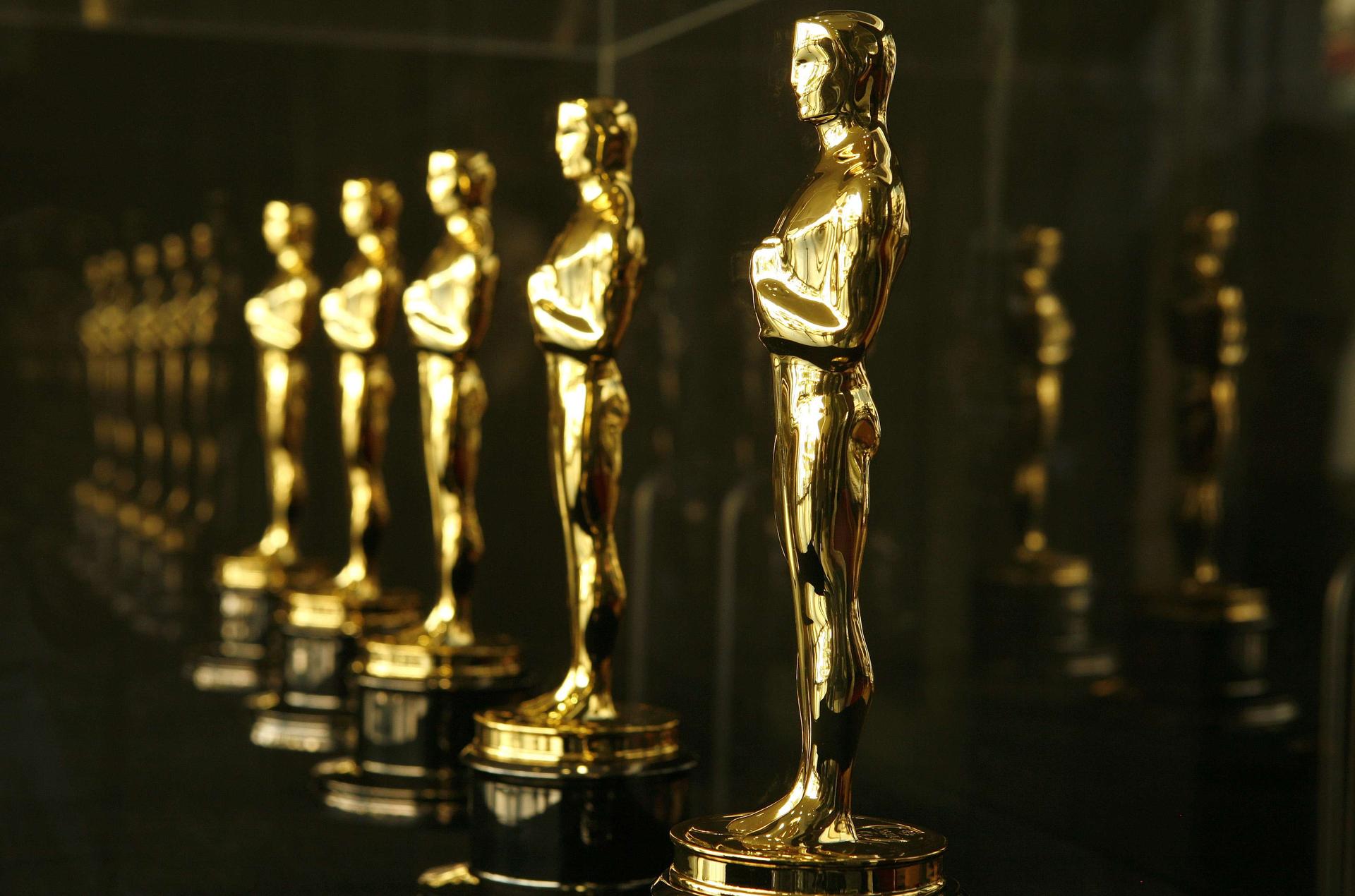
The 2017 Oscar season, culminating in the 89th Academy Awards on February 26, 2017, remains one of the most culturally significant periods in cinematic history. Defined by a high-stakes race between the musical La La Land and the coming-of-age drama Moonlight, the season concluded with an unprecedented live broadcast error regarding the Best Picture winner.
In the landscape of film history, the 2017 Oscar season is often remembered for a single, shocking moment on stage, but the period was much more than its final minutes. It represented a turning point for the Academy of Motion Picture Arts and Sciences (AMPAS), signaling a shift in voting demographics, a response to the "Oscars So White" controversy of previous years, and a celebration of a diverse array of storytelling styles. From the early festival circuits at Telluride and Toronto to the final envelope swap, the 2017 season was a masterclass in narrative tension both on and off the screen.
The Cultural Landscape of the 89th Academy Awards
The 2017 awards cycle operated under a unique set of pressures. Following two consecutive years of all-white acting nominees, the Academy had undergone a significant membership drive to diversify its voting body. This effort was palpable throughout the season as films featuring diverse casts and perspectives, such as Moonlight, Fences, Hidden Figures, and Lion, emerged as frontrunners.
The political climate of early 2017 also heavily influenced the season. Following the 2016 U.S. Presidential election, the awards circuit became a platform for political expression. At the Golden Globes, Meryl Streep’s speech set a tone of defiance that carried through to the Oscars, where host Jimmy Kimmel and various presenters made frequent references to the socio-political state of the country. This backdrop transformed the 2017 Oscar season from a simple celebration of craft into a reflection of national discourse.
The Primary Contenders: A Tale of Two Genres
The 2017 season was dominated by two films that could not have been more different in tone, budget, and execution. Understanding the 2017 Oscar season requires a deep dive into why these two films captivated the industry so thoroughly.
La La Land: The Hollywood Darling
Directed by Damien Chazelle, La La Land was an unapologetic homage to the Golden Age of Hollywood musicals. Starring Ryan Gosling and Emma Stone, the film premiered at the Venice Film Festival to ecstatic reviews. It tied the record for the most Oscar nominations (14), a feat previously achieved only by All About Eve and Titanic. Its sweep of the precursors—winning the Producers Guild, Directors Guild, and several Golden Globes—made it the heavy statistical favorite for Best Picture.
Moonlight: The Quiet Revolution
In stark contrast, Barry Jenkins’ Moonlight was a small-budget, intimate triptych following the life of a young Black man in Miami. It explored themes of identity, sexuality, and masculinity with a poetic sensitivity rarely seen in mainstream awards contenders. While La La Land was a "big" movie about the industry itself, Moonlight was a "human" movie about the marginalized. Its rise from a niche indie darling to a Best Picture winner was a testament to the changing tastes of the Academy’s expanding membership.
The Infamous Best Picture "Envelopegate"
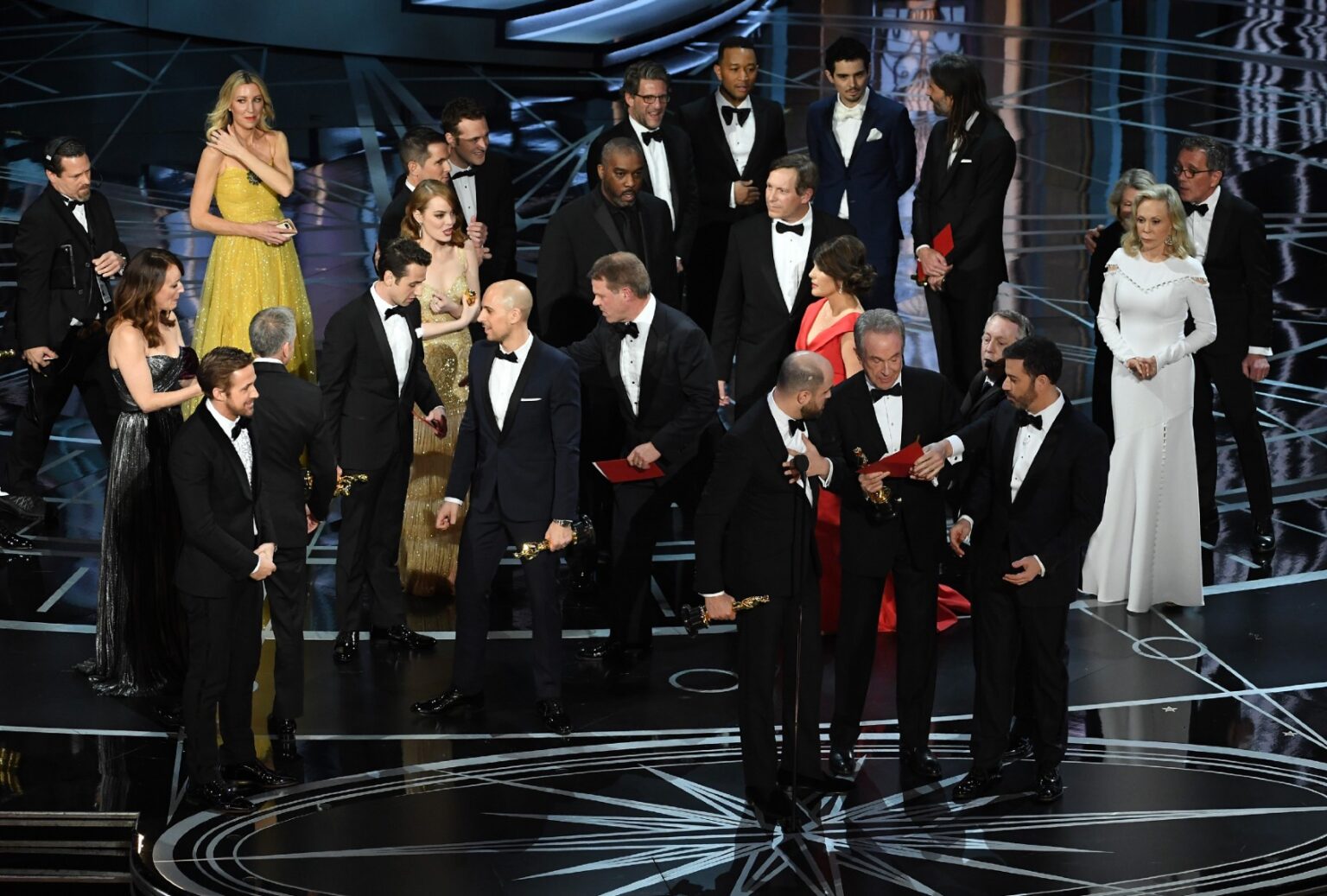
The defining event of the 2017 Oscar season occurred in the final minutes of the ceremony. When presenters Warren Beatty and Faye Dunaway were handed the wrong envelope by PwC accountant Brian Cullinan, they mistakenly announced La La Land as the Best Picture winner.
The ensuing chaos remains the most scrutinized moment in live television history. As the producers of La La Land were mid-speech, Academy stagehands and PwC representatives realized the error. It was producer Jordan Horowitz who ultimately held up the correct card to the cameras, announcing, "There's a mistake. Moonlight, you guys won Best Picture."
The Technical Failure Behind the Mistake
The error was attributed to the duplicate sets of envelopes kept on either side of the stage. Cullinan, distracted by social media, handed Beatty the duplicate envelope for Best Actress (which Emma Stone had just won for La La Land). Because the card inside read "Emma Stone - La La Land," Beatty hesitated, but Dunaway saw the film title and made the announcement. In the years following 2017, the Academy implemented much stricter protocols, including banning electronic devices backstage and adding a third set of envelopes to prevent a recurrence.
Major Category Winners and Statistical Highlights
Beyond the Best Picture shock, the 2017 season saw several historic wins. Damien Chazelle became the youngest person ever to win the Academy Award for Best Director at age 32. Viola Davis achieved "Triple Crown of Acting" status (winning an Oscar, Emmy, and Tony) for her powerhouse performance in Fences.
| Category | Winner | Film | Key Competitors |
|---|---|---|---|
| Best Picture | Moonlight | Adele Romanski, Dede Gardner, Jeremy Kleiner | La La Land, Manchester by the Sea, Arrival |
| Best Director | Damien Chazelle | La La Land | Barry Jenkins, Kenneth Lonergan, Denis Villeneuve |
| Best Actor | Casey Affleck | Manchester by the Sea | Denzel Washington, Ryan Gosling, Andrew Garfield |
| Best Actress | Emma Stone | La La Land | Natalie Portman, Isabelle Huppert, Ruth Negga |
| Best Supporting Actor | Mahershala Ali | Moonlight | Dev Patel, Jeff Bridges, Lucas Hedges |
| Best Supporting Actress | Viola Davis | Fences | Naomie Harris, Nicole Kidman, Michelle Williams |
| Best Original Screenplay | Kenneth Lonergan | Manchester by the Sea | La La Land, Hell or High Water, The Lobster |
| Best Adapted Screenplay | Barry Jenkins & Tarell Alvin McCraney | Moonlight | Arrival, Fences, Hidden Figures, Lion |
| Best Animated Feature | Zootopia | Byron Howard, Rich Moore, Clark Spencer | Moana, Kubo and the Two Strings, The Red Turtle |
The "Oscars So White" Turning Point
The 2017 Oscar season is frequently cited as the moment the Academy successfully pivoted away from the homogeneity of the 2015 and 2016 ceremonies. For the first time in history, every acting category featured at least one person of color.
Moonlight was the first film with an all-Black cast and the first LGBTQ-themed film to win Best Picture. Mahershala Ali became the first Muslim actor to win an Academy Award. These milestones were not merely symbolic; they represented a fundamental change in the voting demographics of the Academy, which had invited a record 683 new members in 2016 to increase diversity.
Technical and Artistic Achievement
The 2017 season also showcased significant advancements in technical filmmaking. Arrival, directed by Denis Villeneuve, was praised for its unique approach to "linguistic" sci-fi, earning eight nominations and winning Best Sound Editing. Hacksaw Ridge marked the industry return of Mel Gibson, showcasing visceral, practical-effects-driven combat sequences that earned the film two Oscars.
In the realm of cinematography, Linus Sandgren’s work on La La Land utilized long, unbroken takes and a vibrant color palette that resurrected the look of Cinemascope-era musicals. Meanwhile, James Laxton’s cinematography for Moonlight used anamorphic lenses to create an intimate, dreamlike atmosphere that felt both grounded and ethereal.
The Role of the Precursor Awards
During the 2017 season, the "precursor" circuit was more volatile than usual. While La La Land won the Producers Guild of America (PGA) Award—traditionally the strongest predictor of Best Picture—Moonlight won the Golden Globe for Best Motion Picture (Drama).
The Screen Actors Guild (SAG) Awards provided another twist when the cast of Hidden Figures won for Outstanding Performance by a Cast in a Motion Picture. This signaled that while La La Land was technically proficient, there was deep emotional resonance for the diverse ensemble films of the year. This split among the major guilds (PGA, DGA, SAG) created an atmosphere of uncertainty that made the Oscar finale even more impactful.
Critical and Commercial Success
The 2017 Oscar season was unique in that several of the Best Picture nominees were genuine box-office successes. Hidden Figures grossed over $230 million worldwide, outperforming even the highest expectations for a historical drama. La La Land was a global phenomenon, grossing $446 million.
This commercial viability proved that "Oscar bait" did not have to be dour or inaccessible. Even Moonlight, which had a modest budget of approximately $1.5 million, became a massive success relative to its cost, grossing over $65 million and proving that there was a significant global audience for intimate, diverse stories.
Legacy of the 2017 Oscar Season
Looking back from 2026, the 2017 season stands as a bridge between the "Old Hollywood" style of awarding films and the new, more inclusive era. The "Envelopegate" incident, while embarrassing for the Academy, ironically highlighted the high stakes and the genuine emotion of the awards.
The 2017 season also solidified the careers of several "New Hollywood" titans. Barry Jenkins, Damien Chazelle, and Greta Gerwig (whose work on 20th Century Women was a highlight of the season) have since become the primary architects of modern cinema. The 89th Academy Awards was the moment these voices were officially integrated into the highest echelons of the industry.
FAQs About the 2017 Oscar Season
Who was the host of the 2017 Oscars?
Jimmy Kimmel hosted the 89th Academy Awards. It was his first time hosting the ceremony. He was generally praised for his handling of the Best Picture chaos at the end of the night, famously saying, "I knew I would screw this up." Kimmel returned to host the Oscars again in 2018, 2023, and 2024.
Why did La La Land mistakenly get announced as Best Picture?
The error occurred because PwC partner Brian Cullinan handed the wrong duplicate envelope to presenter Warren Beatty. Instead of the Best Picture envelope, he handed him the duplicate Best Actress envelope. This was attributed to Cullinan being distracted by social media backstage. The Academy has since significantly overhauled its backstage security and envelope-handling procedures.
Which film won the most Oscars in 2017?
La La Land won the most awards of the night, taking home six Oscars: Best Director, Best Actress, Best Original Score, Best Original Song, Best Cinematography, and Best Production Design. Despite its six wins, it famously lost the top prize, Best Picture, to Moonlight.
Was the 2017 Oscar season significant for diversity?
Yes, it was a landmark year. After the "Oscars So White" movement, the 2017 season saw a record number of Black actors and filmmakers nominated and winning. Moonlight made history as the first Best Picture winner with an all-Black cast and an LGBTQ lead character, and Mahershala Ali became the first Muslim actor to win an Oscar.
How many nominations did Arrival get in 2017?
The sci-fi drama Arrival received eight nominations, including Best Picture, Best Director (Denis Villeneuve), and Best Adapted Screenplay. It ultimately won one Oscar for Best Sound Editing. Many critics at the time considered Amy Adams' lack of a nomination for Best Actress to be one of the biggest "snubs" of the season.
Final Recommendation for Film Historians
For those researching the 2017 Oscar season, it is essential to look beyond the viral clip of the Best Picture mistake. To truly understand this period, one should study the membership changes enacted by the Academy in 2016 and the specific ways in which Moonlight and La La Land campaigned. The season serves as a perfect case study in how cultural shifts, industry politics, and human error can converge to create a historical moment that redefined the most prestigious award in entertainment.