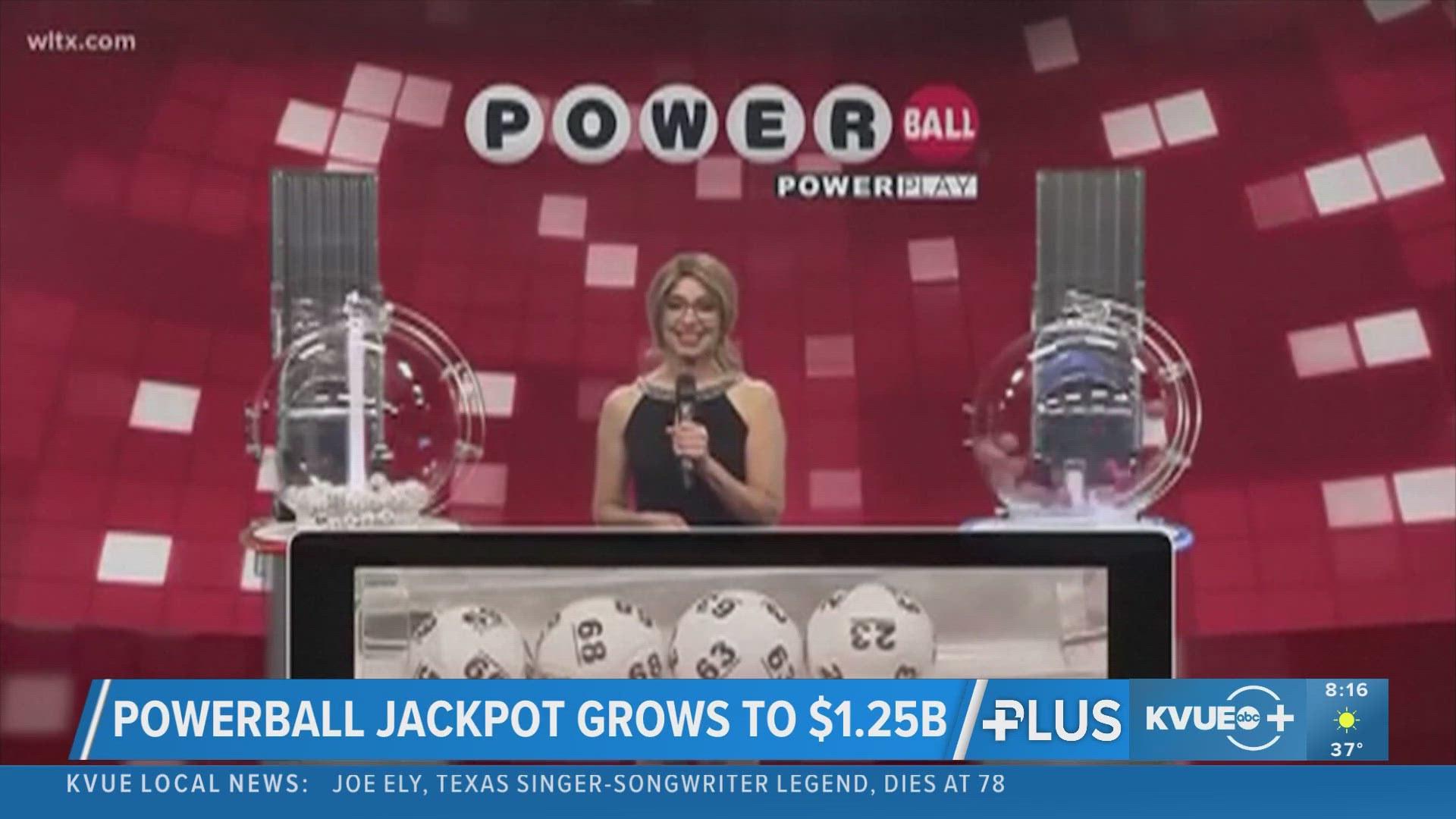
Rumors claiming a record-setting lottery winner has died often stem from viral internet hoaxes, clickbait operations, or mistaken identity involving other high-profile lottery cases. Distinguishing between sensationalized online misinformation and verified public records requires examining official lottery commission announcements, credible journalistic investigations, and the legal frameworks governing major lottery jackpots.
Understanding the Anatomy of Lottery Hoaxes
In the digital age, massive multi-state lottery jackpots command global attention. When a prize climbs into the billions, public fascination reaches a fever pitch, creating an ideal environment for misinformation. The phrase "$1.6 billion Powerball winner dies" frequently appears across social media feeds, search engines, and low-quality content farms.
Understanding why these rumors spread requires looking at how viral content operates. Unverified blogs and automated social media accounts often exploit major lottery milestones to generate advertising revenue through sensationalized headlines. These pieces frequently misappropriate old news stories, conflate different lottery winners from separate jurisdictions, or outright fabricate tragic narratives.
When evaluating these claims, readers must recognize that major lottery wins—such as the historic $1.586 billion Powerball drawing in January 2016 or the $2.04 billion Powerball jackpot won in November 2022—involve intense public scrutiny, legal documentation, and official oversight. Any genuine, life-altering event regarding record-holding multi-millionaires or billionaires generates verified reporting from established news organizations and official state lottery commissions, rather than anonymous social media posts.
Examining Major Record-Setting Powerball Jackpots
To separate fact from fiction regarding massive lottery wins, it is helpful to review the actual milestones in Powerball history. Multi-state lottery games operated by the Multi-State Lottery Association (MUSL) maintain rigorous verification protocols when a jackpot is claimed.
| Jackpot Amount | Date Drawn | Winning Ticket Location | Status and Verification |
|---|---|---|---|
| $2.04 Billion | November 7, 2022 | California | Claimed by Edwin Castro; verified by California Lottery officials. |
| $1.765 Billion | October 11, 2023 | California | Claimed by a single ticket holder; verified through state lottery channels. |
| $1.586 Billion | January 13, 2016 | California, Florida, Tennessee | Split three ways; all winning parties completed official verification processes. |
| $1.337 Billion | April 6, 2024 | Oregon | Claimed by a group of individuals using a legal entity; verified by Oregon Lottery. |
As shown in official records, the term "$1.6 billion Powerball winner" generally references either the historic split jackpot from 2016 or subsequent multi-billion-dollar drawings that approached or exceeded that threshold. In all legitimate cases, state lottery officials publicly verify the validation of the ticket, though winner anonymity rules vary significantly depending on the jurisdiction where the ticket was purchased.
The Legal and Financial Reality of Claiming Multi-Billion-Dollar Jackpots
When a player wins a prize exceeding one billion dollars, the journey from holding a paper slip to receiving funds involves a complex legal and financial infrastructure. Winners do not simply walk away with a lump sum of cash on the day of the drawing.
The Verification Process
Before any payout occurs, state lottery security divisions conduct exhaustive forensic investigations into the winning ticket. This process includes:
- Checking the physical integrity of the ticket against barcode tampering or physical damage.
- Reviewing security camera footage from the retail location where the ticket was sold.
- Conducting interviews with the claimant to verify the timeline of purchase.
- Ensuring the claimant meets age and legal eligibility requirements to possess and cash the ticket.
Anonymity and Privacy Protections
State laws dictate whether a winner's identity must be made public. While some states require winners' names and cities of residence to be released under public records laws, others allow winners to claim prizes through a blind trust or Limited Liability Company (LLC) to protect their privacy and personal safety. Misunderstanding these legal entities often fuels speculation; when a winner chooses to remain anonymous or utilizes a legal representative, online rumor mills sometimes misinterpret this privacy as secrecy surrounding a tragic event.
Common Misconceptions and Conflation of Lottery Stories
The rumor that a record-breaking lottery winner has died often arises from the misattribution of real events involving entirely different individuals. Several factors contribute to this confusion:
- Conflating Different Winners: Stories involving smaller lottery winners who faced tragic circumstances—such as financial mismanagement, legal disputes, or personal misfortune years after winning—are frequently mislabeled with headlines referencing modern multi-billion-dollar records to drive web traffic.
- Imposter Social Media Profiles: Scammers frequently create fake profiles impersonating legitimate lottery winners on platforms like Facebook, Instagram, and X (formerly Twitter). When these fake accounts are suspended, reported, or generate controversy, rumors can spiral into false claims about the real person's well-being.
- Misinterpreted Legal Filings: High-net-worth individuals, including major lottery winners, occasionally file civil lawsuits for privacy protection, asset management, or dispute resolution. Court documents are public record, but media outlets without proper vetting sometimes sensationalize standard legal proceedings as catastrophic events.
How to Verify Lottery News and Avoid Misinformation
Navigating online news requires a systematic approach to fact-checking, especially when encountering sensational or emotionally charged headlines about sudden wealth and tragedy.
- Consult Official Sources: Always cross-reference claims with the official website of the state lottery commission where the ticket was sold or the official Multi-State Lottery Association portal. State lotteries are government-regulated entities legally obligated to provide accurate public updates.
- Check Reputable Journalistic Outlets: Verify whether mainstream news agencies, wire services (such as The Associated Press or Reuters), or established financial publications have reported the story. If a multi-billion-dollar winner has experienced a major life event, it will be covered by verified journalists rather than obscure blogs.
- Analyze URL and Domain Credibility: Inspect the publishing domain. Sites utilizing sensationalized syntax, excessive capitalization, or misleading domain names designed to mimic legitimate news organizations are primary sources of fabricated stories.
- Evaluate the Date and Context: Check the publication date of the article. Older stories about past winners are frequently recirculated online with altered headlines to make them appear current.
Frequently Asked Questions
Did the winner of the historic $1.586 billion Powerball jackpot die?
No credible reports or official records indicate that the winners of the historic January 2016 Powerball drawing have died under mysterious or suspicious circumstances. The prize was split among three winning tickets in California, Florida, and Tennessee, and the respective claimants completed all legal verification steps required by their state lotteries.
Why do false rumors about lottery winners spread so frequently?
False rumors spread primarily due to the financial incentives of clickbait culture, where sensational headlines drive advertising impressions on social media. Additionally, public curiosity surrounding extreme wealth combined with a lack of understanding regarding winner privacy laws creates a vacuum that unverified rumors easily fill.
Can lottery winners remain anonymous to protect their safety?
Anonymity rules vary entirely by state. Some states legally mandate the release of a winner's name, city, and the amount won to ensure transparency in state-run gaming. Other states allow winners to establish legal entities, such as trusts or LLCs, to claim the prize anonymously and shield themselves from public exposure.
What should I do if I see a shocking news headline about a lottery winner?
Before sharing or reacting to the post, search for the story on official state lottery websites or trusted news organizations. If no mainstream or official source has verified the claim, the headline is almost certainly a hoax or a misrepresentation of past events.
How are multi-billion-dollar jackpots actually paid out?
Winners of major jackpots generally choose between two options: an annual payout option distributed over 30 graduated payments across 29 years, or a significantly smaller lump-sum cash option paid immediately in a single installment, subject to federal and state tax withholding.
Conclusion and Recommended Next Actions
When encountering viral claims such as "$1.6 billion Powerball winner dies," readers should exercise healthy skepticism and rely on verifiable primary sources. Misinformation in the financial and entertainment sectors thrives on emotional engagement rather than factual accuracy. To stay informed safely, prioritize official state lottery announcements, verify stories through recognized journalistic institutions, and consult legal or financial professionals when seeking accurate guidance on lottery rules, taxes, and prize claims.