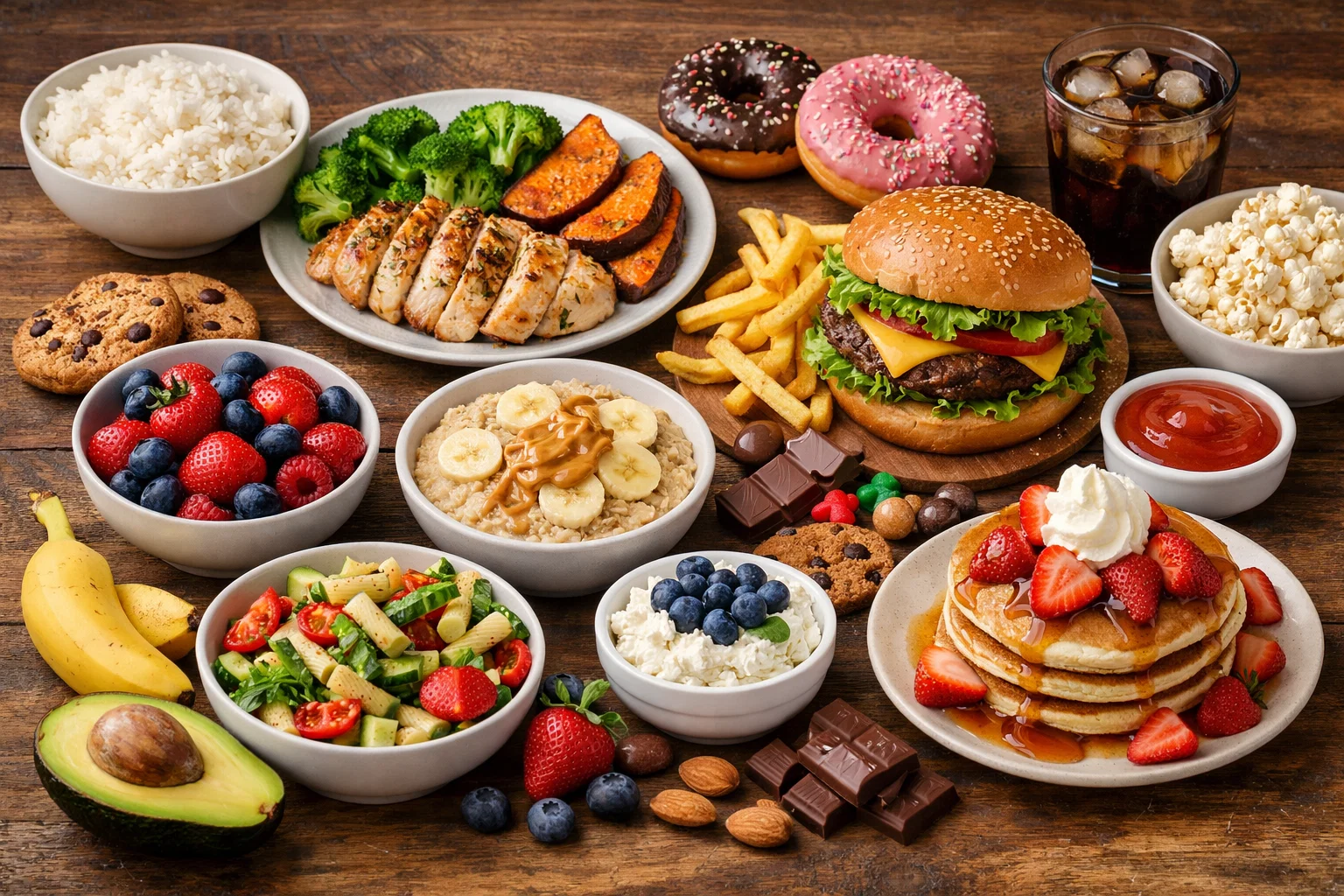
Incorporating a well-planned cheat meal into a strict diet plan can help boost metabolism, replenish glycogen stores, and provide psychological relief from dietary restriction. Effective cheat meals balance nutritional satisfaction with calorie awareness, featuring options like gourmet burgers on whole-grain buns, homemade lean meat pizzas, and high-protein pancakes that satisfy cravings without derailing long-term fitness goals.
Understanding the Role of Cheat Meals in a Diet Plan
Dieting for fat loss or muscle hypertrophy requires prolonged adherence to a caloric deficit or strict macronutrient targets. Over time, restrictive eating can lead to psychological fatigue, drops in leptin (the satiety hormone), and a slowdown in metabolic rate as the body adapts to lower energy intake. Integrating a strategic cheat meal—often referred to in more structured contexts as a refeed meal or diet break—serves both physiological and psychological functions.
From a hormonal perspective, a sudden influx of carbohydrates and calories can transiently elevate leptin and thyroid hormone levels (such as T3), signaling to the body that it is not in a state of famine. This temporary metabolic spike can make the subsequent days of dieting more effective. Psychologically, knowing that a satisfying, highly palatable meal is scheduled provides a manageable horizon for adherence, reducing the likelihood of binge eating episodes that completely sabotage weeks of disciplined progress.
However, the line between a beneficial cheat meal and a destructive binge is thin. A poorly managed cheat meal can easily introduce 2,000 to 3,000 surplus calories in a single sitting, completely erasing a week’s worth of caloric deficits. Therefore, approach cheat meals with intention. They should be integrated into a broader, flexible dieting framework where overall weekly energy balance remains aligned with your ultimate health or physique objectives.
Nutritional Science Behind Strategic Refeeding
Before selecting your meals, it is helpful to understand the nutritional mechanics of how foods are processed during a refeed or cheat window. When carbohydrate stores (glycogen) in the muscles and liver become depleted due to intense training and low-carb dieting, physical performance and muscle fullness decline. Restoring glycogen via complex and simple carbohydrates improves workout output in subsequent training sessions.
At the same time, fats and proteins play distinct roles. Dietary fat consumed during a high-calorie meal is readily stored if total daily energy expenditure is heavily exceeded, whereas protein continues to support muscle protein synthesis and thermogenesis. Consequently, the most effective cheat meals optimize carbohydrate and protein intake while keeping unmitigated trans fats and excessive overall energy loads under control.
| Meal Type | Primary Macronutrient Focus | Estimated Calorie Range | Main Physiological Benefit |
|---|---|---|---|
| Gourmet Lean Burger | Protein & Complex Carbs | 600 - 800 kcal | Muscle protein synthesis & glycogen replenishment |
| Artisanal Thin-Crust Pizza | Carbs & Moderate Fat | 700 - 900 kcal | Leptin elevation & psychological satisfaction |
| Protein-Packed Pancakes | High Protein & Carbs | 500 - 700 kcal | Sustained satiety & muscle repair |
| Sushi & Sashimi Feast | Lean Protein & Clean Carbs | 500 - 700 kcal | Micronutrient density & low saturated fat |
10 Delicious Cheat Meal Examples
Selecting the right meals ensures you enjoy your food while maintaining control over your physical progress. Below are ten carefully curated cheat meal examples designed to balance indulgence with nutritional awareness.
1. Gourmet Lean Beef Burger with Sweet Potato Wedges
Opting for a restaurant-style burger doesn't mean abandoning your macros. Using lean ground beef (93/7 or 96/4) or a high-quality turkey patty grilled to perfection provides a massive hit of bioavailable protein. Pair it with a whole-grain brioche bun, fresh lettuce, tomato, and a light spread of avocado mash or mustard instead of heavy, sugar-laden mayonnaise. Accompany the burger with baked sweet potato wedges tossed in olive oil and sea salt rather than deep-fried French fries to supply clean, complex carbohydrates.
2. Homemade Margherita Pizza on Thin Crust
Commercial delivery pizzas are often drenched in low-grade oils and highly processed cheeses that cause sluggish digestion. Making your own thin-crust pizza allows you to control every ingredient. Use a simple dough recipe or a whole-wheat pre-made thin crust, top it with high-quality crushed San Marzano tomatoes, fresh mozzarella cheese, fresh basil leaves, and a drizzle of extra virgin olive oil. This delivers the comforting experience of Italian cuisine with controlled sodium and fat levels.
3. Teriyaki Salmon Bowl with Jasmine Rice
For those who lean toward Asian-inspired flavors, a high-end teriyaki salmon bowl offers an exceptional balance of healthy fats, clean proteins, and easily digestible carbohydrates. Pan-sear or grill a thick salmon fillet rich in omega-3 fatty acids, glaze it lightly with a low-sodium, low-sugar teriyaki sauce, and serve over a generous bed of steamed jasmine rice. Add steamed edamame, sliced cucumbers, and shredded carrots to enhance fiber intake and micronutrient diversity.
4. High-Protein Blueberry and Banana Pancakes
Breakfast foods make for fantastic cheat meals, especially on heavy training days. Prepare a batter using rolled oats, whey protein powder, egg whites, and a splash of almond milk. Fold in fresh blueberries and slice ripe bananas on top. Instead of high-fructose corn syrup pancake syrup, top the stack with 100% pure maple syrup in a controlled portion, or use natural nut butter for a creamy, fat-based satiety boost.
5. Steak Frites with Chimichurri Sauce
A classic steakhouse meal can easily fit into a flexible nutrition framework. Choose a leaner cut of beef such as a flank steak, filet mignon, or sirloin, seasoned with coarse salt and black pepper. Instead of butter-drenched potatoes, serve the steak with roasted or air-fried baby potatoes seasoned with garlic and rosemary. Top the meal with a vibrant, herb-heavy chimichurri made from fresh parsley, cilantro, garlic, red wine vinegar, and olive oil, which aids digestion and adds incredible flavor without excessive calories.
6. Chicken Burrito Bowl with Guacamole
Mexican cuisine offers some of the most customizable cheat meals available. Skip the fried tortilla shell and build a robust burrito bowl starting with a base of cilantro-lime brown rice and black beans. Add grilled adobo chicken breast or flank steak, fresh pico de gallo, roasted corn salsa, and a moderate scoop of fresh guacamole. This meal provides a robust blend of fiber, slow-digesting carbohydrates, and healthy monounsaturated fats.
7. Shrimp and Asparagus Pasta with Garlic White Wine Sauce
Pasta is a staple craving during extended periods of dieting. To keep it aligned with your goals, use high-protein bean-based pasta (such as chickpea or lentil pasta) or standard durum wheat spaghetti portioned correctly. Sauté fresh shrimp in olive oil and minced garlic, toss in crisp asparagus spears, and finish with a light white wine and lemon juice reduction. This provides a satisfying, restaurant-quality meal without the heavy cream-based fats found in alfredo dishes.
8. Pulled Pork Sandwich with Vinegar Slaw
Slow-cooked pork shoulder is intensely flavorful and satisfying. Use a lean cut of pork loin or trimmed shoulder, slow-cooked with a dry rub of spices, and shred it. Serve on a toasted whole-wheat bun with a tangy, vinegar-based coleslaw rather than a heavy, mayonnaise-laden version. The vinegar helps blunt the glycemic response of the meal while delivering an explosion of savory flavor.
9. Mediterranean Lamb Gyro with Tzatziki
Recreate a takeout favorite at home by grilling lean lamb strips or marinated chicken souvlaki. Wrap the meat inside a warm whole-wheat pita alongside crisp lettuce, diced tomatoes, red onions, and cucumbers. Slather the inside with traditional Greek tzatziki made from strained Greek yogurt, cucumber, garlic, and dill. This provides a protein-dense meal rich in probiotics and refreshing Mediterranean flavors.
10. Dark Chocolate and Almond Butter Oatmeal Bowl
For those whose sweet tooth is their primary dietary hurdle, a decadent dessert-style bowl can satisfy sugar cravings cleanly. Prepare a warm bowl of thick rolled oats cooked in milk or water, then stir in a scoop of chocolate or peanut butter whey protein powder. Top the bowl with a tablespoon of natural almond butter, dark chocolate chips (70% cacao or higher), and sliced strawberries. This provides slow-release energy, rich antioxidants, and immense psychological satisfaction.
Strategies for Managing Your Cheat Meal
Successfully incorporating these meals requires operational discipline. Follow these guidelines to ensure your cheat meal remains a positive tool rather than a setback:
- Time it Around Training: Schedule your cheat meal immediately following your most demanding workout of the week—typically a heavy lower-body or full-body resistance session. Your muscles will be primed to shuttle incoming carbohydrates directly into glycogen storage rather than fat tissue.
- Keep Portion Sizes Reasonable: A cheat meal should be a single satisfying sitting, not an all-day grazing event. Enjoy the food mindfully, eating slowly to allow satiety cues to catch up.
- Maintain Hydration: High-sodium cheat meals frequently cause temporary water retention, leading to a startling spike on the scale the next morning. Drink plenty of water before and after the meal to support natural metabolic clearance and digestion.
- Resume Normal Protocol Immediately: Do not let one cheat meal turn into a cheat weekend. Return immediately to your scheduled nutritional plan for your next scheduled feeding.
Common Mistakes to Avoid
Even experienced dieters occasionally mismanage their refeed opportunities. Guard against these frequent missteps:
- Fasting All Day Prior: Starving yourself all day to "save calories" for a massive cheat meal usually backfires, leading to extreme hunger, poor impulse control, and massive overeating. Maintain your normal, protein-focused meals earlier in the day.
- Ignoring Liquid Calories: Pairing a heavy cheat meal with sugary sodas, milkshakes, or excessive alcohol adds hundreds of unmonitored liquid calories that offer zero nutritional value. Stick to water, sparkling water, or unsweetened tea.
- Viewing Cheat Meals as a Reward/Punishment Cycle: Attaching moral value to food—labeling meals as "good" or "bad"—can foster an unhealthy psychological relationship with eating. View food strictly as fuel and occasional flexible enjoyment.
Conclusion and Next Action
Integrating cheat meals into your diet plan is a sustainable strategy for long-term body composition management. Select one meal this week from the options above that aligns with your specific cravings and training schedule. Plan the ingredients in advance, prepare it mindfully, and enjoy the psychological and physiological reset before returning to your structured routine.