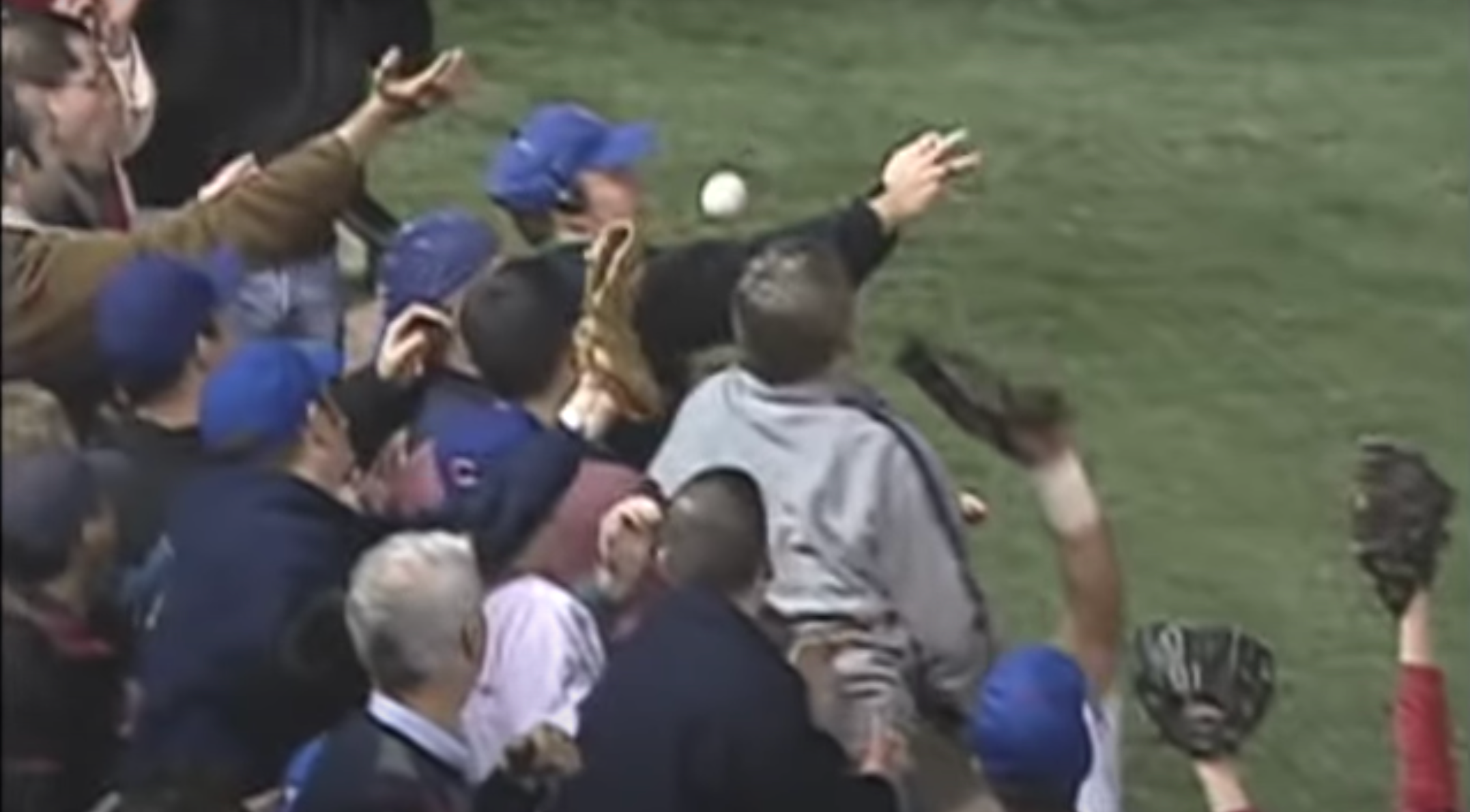
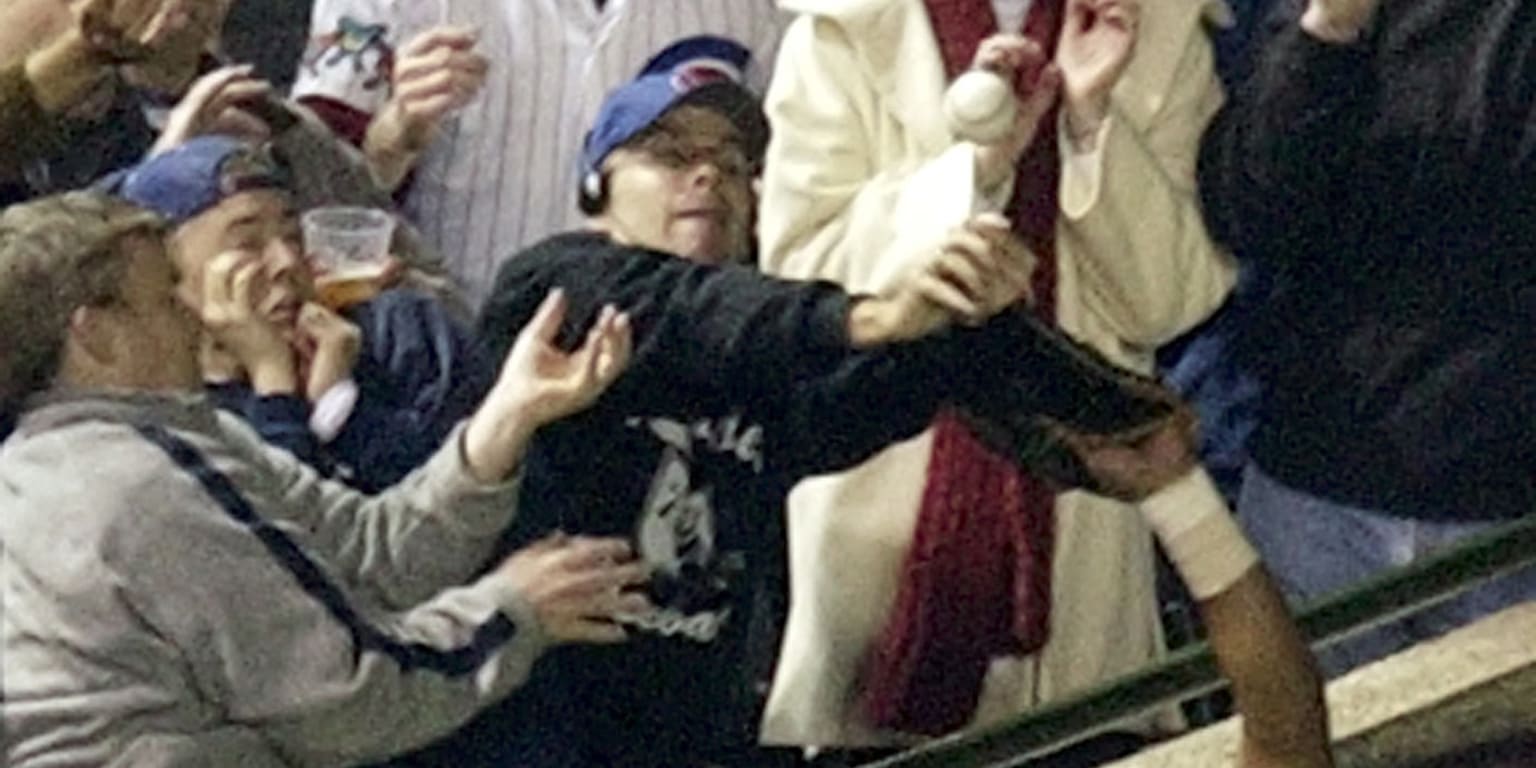
The Steve Bartman incident refers to a controversial moment during Game 6 of the 2003 National League Championship Series (NLCS) where a Chicago Cubs fan inadvertently interfered with a foul ball. This event, occurring in the eighth inning, preceded a historic collapse by the Cubs, leading to decades of public scrutiny and Bartman’s total withdrawal from public life.
The story of Steve Bartman is more than just a footnote in baseball history; it is a profound case study in sports psychology, the "scapegoat" phenomenon, and the intense pressure of professional athletics. To understand the gravity of the situation, one must look at the specific circumstances of that October night in 2003, the technical rules of Major League Baseball, and the subsequent path toward reconciliation that took over a decade to manifest.
The Historical Context: The 2003 Chicago Cubs
To understand why the reaction to Steve Bartman was so visceral, one must understand the state of the Chicago Cubs in 2003. At that time, the franchise had not won a World Series since 1908 and had not appeared in one since 1945. The team was famously associated with the "Curse of the Billy Goat," a superstitious hex supposedly placed on the team during the 1945 World Series.
In 2003, the Cubs were led by a dominant pitching staff featuring Mark Prior and Kerry Wood. Under manager Dusty Baker, they had reached the NLCS against the Florida Marlins. By Game 6, the Cubs led the series 3-2. They were playing at home in Wrigley Field, leading 3-0 in the eighth inning, and were just five outs away from their first World Series appearance in 58 years. The atmosphere was one of impending celebration, which made the sudden turn of events all the more traumatic for the fanbase.
The Anatomy of the 8th Inning Incident
On October 14, 2003, with one out in the top of the eighth inning, Marlins batter Luis Castillo hit a high foul ball toward the left-field stands. Cubs left fielder Moises Alou chased the ball to the wall, leaping to make the catch. Simultaneously, several fans reached for the ball, which is a common instinct in any ballpark.
Steve Bartman, wearing a Cubs sweatshirt, a baseball cap, and headphones, was one of those fans. He reached up and touched the ball, deflecting it away from Alou’s outstretched glove. Alou reacted with visible frustration, slamming his glove and shouting. While the ball was technically in the "stands" (meaning the fans had a right to it according to a strict interpretation of the geometry of the field), the emotional impact was instantaneous.
Technical Analysis: MLB Rule 6.01(e)
In 2003, the relevant rule regarding spectator interference was Rule 3.16 (now codified as Rule 6.01(e)). The rule states that when a spectator reaches out of the stands and over the playing field to touch a live ball, the ball is dead, and the umpire shall impose penalties that would have occurred had the interference not happened.
However, there is a critical distinction in the rule: if a fan touches a ball that has already broken the vertical plane of the stands, it is generally not considered interference. In the Bartman case, the umpires ruled that because the ball was over the seating area, Bartman had not technically committed an illegal act. Despite this, the narrative on the field and in the broadcast booth shifted immediately toward blaming the fan for "taking away" an out.
The Collapse Following the Play
It is a common misconception that the Bartman play ended the game. In reality, the Cubs still led 3-0 with one out. What followed was a systemic breakdown of the team's defense and pitching:
- The Walk: Following the foul ball, Mark Prior walked Luis Castillo on a wild pitch.
- The Single: Ivan Rodriguez hit an RBI single, making it 3-1.
- The Error: Miguel Cabrera hit a ground ball to shortstop Alex Gonzalez. Gonzalez, a reliable fielder, mishandled the ball—an error that would have resulted in an inning-ending double play.
- The Floodgates: The Marlins went on to score eight runs in that inning.
The Cubs lost Game 6 by a score of 8-3. They went on to lose Game 7 the following night. Because the Bartman incident was the first visible "domino" to fall, the public and media focused almost exclusively on him, rather than the walk, the error, or the managerial decisions that allowed the inning to spiral out of control.
The Scapegoat Phenomenon and Media Impact
The immediate aftermath for Steve Bartman was harrowing. Within minutes of the play, the Fox Sports broadcast repeatedly showed his face on national television. Fans in the stadium began chanting insults, throwing debris, and pouring beer on him. Security eventually had to escort Bartman out of the stadium in a disguise for his own safety.
The media coverage in the following days was relentless. Local newspapers published his name and place of employment. High-ranking officials, including the Governor of Illinois at the time, suggested he might need to enter a witness protection program. This period in sports history is often cited by sociologists as a prime example of "mob mentality," where a frustrated collective directs its historical trauma toward a single, vulnerable individual.
The Decision to Remain Silent
In a move that is almost unprecedented in the modern era of "15 minutes of fame," Steve Bartman chose total anonymity. He issued a single, heartfelt apology shortly after the game, stating that he was "truly sorry from the bottom of [his] heart" and that he was simply caught up in the moment as a lifelong Cubs fan.
Following that statement, Bartman declined every interview request, every six-figure offer for a commercial or book deal, and every invitation to appear on talk shows. He continued to live and work in the Chicago area, maintaining a private life and refusing to profit from his notoriety. This silence, while frustrating to the media, eventually garnered him a different kind of respect from those who realized he was a victim of circumstance.
The 2016 World Series and Reconciliation
For thirteen years, the "Bartman" name was a cloud over the Cubs organization. However, the narrative shifted significantly during the 2016 season. Under the leadership of Theo Epstein and manager Joe Maddon, the Cubs broke their 108-year drought and won the World Series.
During the victory celebrations, many fans and former players called for Bartman to be included in the festivities. While he declined to attend the victory parade, the Cubs organization made a monumental gesture in July 2017. Team owner Tom Ricketts presented Steve Bartman with an official 2016 World Series Championship ring.
The organization issued a statement noting that they hoped the gift would provide "closure" to a difficult chapter of their history. Bartman responded with a rare public statement, expressing his deep gratitude and his hope that the world would learn to treat fans with more compassion. As of 2026, this remains the definitive resolution to the story: a quiet fan who was forgiven by a city that finally found its own peace.
Comparative Fan Interference Incidents
To understand the uniqueness of the Bartman situation, it is helpful to compare it to other famous instances of fan interference in Major League Baseball history.
| Incident Year | Fan Name | Game Context | Outcome for Fan | Outcome for Team |
|---|---|---|---|---|
| 1996 | Jeffrey Maier | ALCS Game 1 | Celebrated as a hero in NYC. | Yankees won the game/World Series. |
| 2003 | Steve Bartman | NLCS Game 6 | Harassed and forced into hiding. | Cubs lost the series. |
| 2024 | Los Angeles Fans | World Series Game 4 | Ejected for grabbing Mookie Betts. | Negative social media backlash; Dodgers won WS. |
| 1970s-90s | Various | Regular Season | Usually minor ejections/fines. | Generally negligible impact. |
The primary difference between Maier and Bartman was the outcome. Because Maier’s interference helped the Yankees win, he was embraced. Because Bartman’s perceived interference coincided with a loss, he was vilified. This highlights the "result-oriented" nature of sports fan psychology.
Technical Rules for Modern Spectators
In the years following the 2003 incident, MLB and stadium security teams have adjusted protocols to prevent similar situations. If you are attending a game in 2026, it is vital to understand the "unwritten" and written rules of the front row:
- The Vertical Plane: Never reach over the railing onto the field side. If the ball is clearly on the stadium side of the ledge, it is fair game.
- Player Priority: Modern fans are generally discouraged from interfering with a player's "path," even if the ball is over the stands. While not a rule, it is a social norm designed to avoid "Bartman-level" scrutiny.
- Security Protocol: If a fan is deemed to have interfered with a play, they are subject to immediate ejection from the stadium without a refund, as per the terms on the back of every MLB ticket.
Frequently Asked Questions
What happened to the "Bartman Ball"?
The ball that Bartman touched was eventually purchased at an auction for $113,824.16 by Grant DePorter of Harry Caray’s Restaurant Group. In a public event designed to "exorcise the curse," the ball was blown up by a special effects expert on February 26, 2004. The remains of the ball were later used in a pasta sauce at the restaurant, though this was largely a publicity stunt.
Did Moises Alou ever forgive Steve Bartman?
Moises Alou's stance on the incident has fluctuated over the years. Shortly after the event, he admitted he probably wouldn't have caught the ball anyway. In later years, he occasionally retracted that statement, but ultimately, he has expressed that he feels bad for how Bartman was treated and believes the team should have played better regardless of that single play.
Did Steve Bartman ever move out of Chicago?
Despite rumors that he entered witness protection or moved to another country, Bartman reportedly stayed in the Chicago area. He continued his career in financial services and remained a resident of the suburbs, choosing to live a "normal" life away from the cameras.
Why was Alex Gonzalez’s error forgotten?
In the heat of the moment, humans prefer a "villain" outside of the tribe. Alex Gonzalez was a well-liked member of the Cubs. Blaming a teammate feels like a betrayal of the group, whereas blaming an "outsider" (a fan) is a psychological defense mechanism that allows the group to remain united in their anger.
Does Steve Bartman attend Cubs games now?
There is no public record of Steve Bartman attending a game at Wrigley Field since 2003. While he may have attended incognito, he has not made a public appearance at the stadium, even after receiving his World Series ring in 2017.
Practical Guidance for Fans and Media
The Steve Bartman story serves as a permanent reminder of the power of the media and the dangers of scapegoating. For fans, the takeaway is the importance of perspective: a single play in a game is never the sole cause of a season's end. For the media, the incident led to more stringent guidelines regarding the identification of private citizens who become part of a news story unintentionally.
Next Action: If you are interested in the deeper psychological aspects of this story, the ESPN 30 for 30 documentary titled "Catching Hell" provides a comprehensive look at the incident and compares it to historical scapegoating in other sports and cultures. It remains the definitive visual record of the events of October 14, 2003.