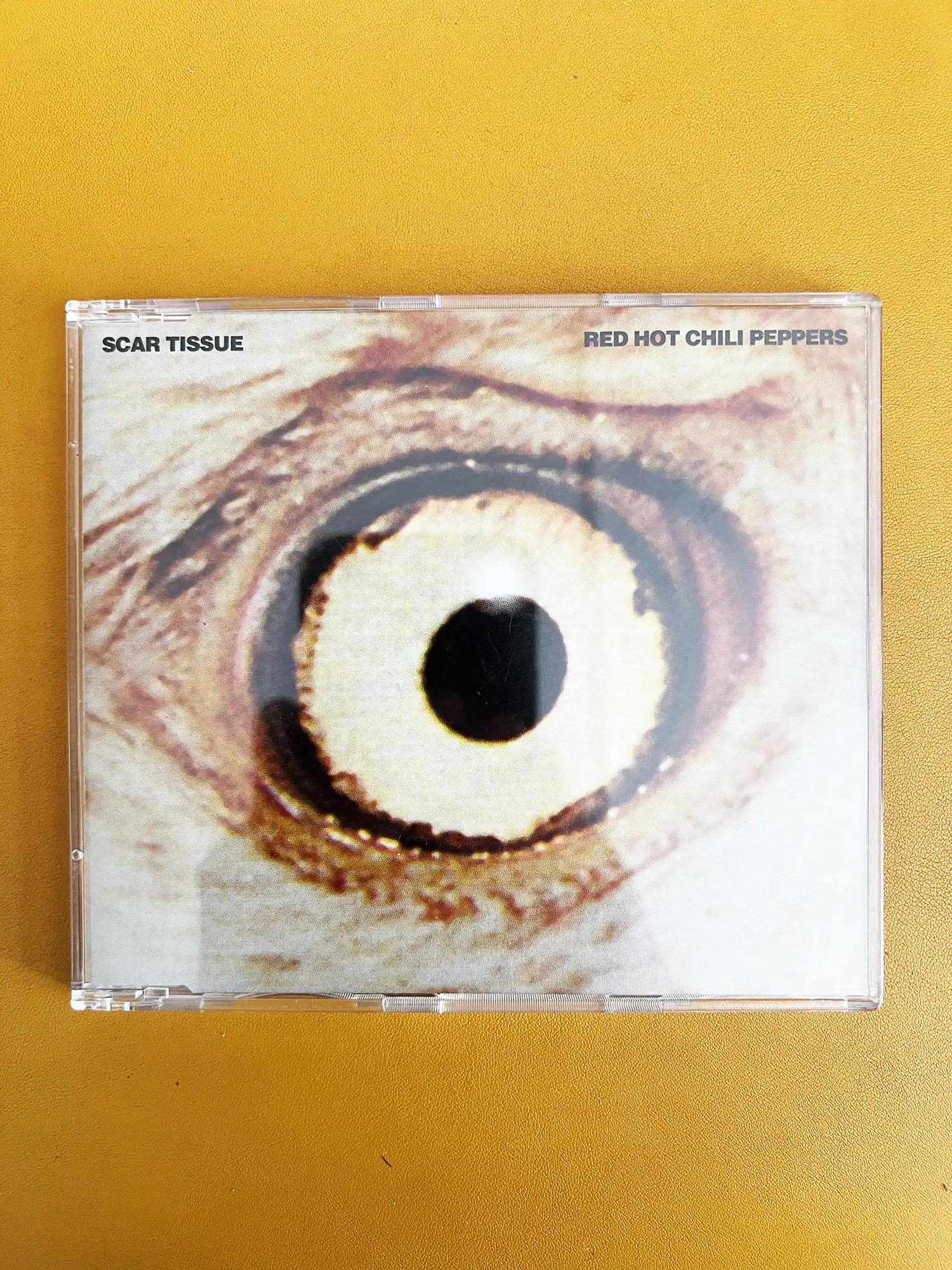
Released in 1999 as the lead single from the album Californication, "Scar Tissue" represents a pivotal evolution in the sound and thematic maturity of the Red Hot Chili Peppers. The track serves as a poignant exploration of resilience, the inescapable nature of one’s past, and the process of healing from personal trauma. Musically, it marked a distinct departure from the band’s earlier funk-rock aggression, favoring a melodic, introspective surf-rock aesthetic that propelled the group into a new era of global commercial success and critical acclaim.
The Lyrical Anatomy of Scar Tissue
At its core, "Scar Tissue" is a metaphorical examination of the psychological and physical remnants of a turbulent life. Lead singer Anthony Kiedis, known for his lyrical focus on his experiences in Los Angeles, utilizes the imagery of a "scar" to represent the enduring impact of his past struggles with addiction and the inevitable toll of fame.
Themes of Persistence and Vulnerability
The lyrics—specifically the iconic opening lines, "Scar tissue that I wish you saw, sarcastic mister know-it-all"—set a tone of both weariness and openness. The "scar tissue" acts as a protective layer that has formed over old wounds, suggesting that while the pain of the past remains, it has been transformed into a hardened, permanent part of the self. This is not a song about forgetting; it is a song about integration. By acknowledging the "sarcastic mister know-it-all," Kiedis addresses the persona he once adopted as a defense mechanism, admitting that his former bravado was merely a way to distance himself from his own vulnerability.
The Geography of California
Like much of the Red Hot Chili Peppers’ discography, "Scar Tissue" is tethered to the landscape of California. The lyrics mention driving through the state, utilizing the open road as a symbol for life’s journey. This imagery serves a dual purpose: it grounds the song in the band’s identity while providing a canvas for introspection. The highway becomes a place where the narrator can contemplate his "sanguine" life, balancing the optimism of the future with the reality of what has been left behind.
Musical Composition and Stylistic Shift
The transition from the frenetic energy of One Hot Minute to the cleaner, more melodic production of Californication is largely defined by the return of guitarist John Frusciante. "Scar Tissue" stands as the primary exhibit of this shift.
The Frusciante Signature
Frusciante’s work on the track is characterized by minimalist, emotive slide guitar melodies that eschew technical complexity in favor of atmosphere. His decision to utilize a clean, bright tone contrasted sharply with the heavy, distorted rock sounds prevalent on late-90s radio. The interplay between his melodic lines and the subtle, steady rhythm section—Flea’s melodic bass work and Chad Smith’s understated drumming—creates a sense of space that allows the lyrics to resonate more deeply.
Technical Evolution in Production
Produced by Rick Rubin, the track benefits from a "less is more" approach. Rubin encouraged the band to focus on songwriting craft over instrumental flair. This resulted in a track that functions as a pop-rock masterpiece, utilizing a structure that is both accessible to the mainstream and deeply layered for long-term fans. The production captures a warmth and clarity that became the hallmark of the band's late-90s and early-2000s output.
Chart Impact and Cultural Legacy
"Scar Tissue" was not merely a critical success; it was a commercial juggernaut that firmly re-established the Red Hot Chili Peppers as a dominant force in modern rock.
Dominance on the Charts
Upon its release, the song became a staple on alternative and mainstream rock radio. It spent 16 consecutive weeks at number one on the Billboard Modern Rock Tracks chart, a record at the time. This performance validated the band’s creative direction and proved that their fan base was willing to follow them into a more melodic, radio-friendly territory.
The following table summarizes the key metrics and historical markers of the track’s performance:
| Metric | Performance Data |
|---|---|
| Initial Release Date | June 1999 |
| Album | Californication |
| Peak Billboard Hot 100 | #9 |
| Peak Modern Rock Tracks | #1 (16 weeks) |
| Grammy Achievement | Best Rock Song (2000) |
| RIAA Certification | Multi-Platinum |
Cultural Resonance in the 2020s
As of 2026, "Scar Tissue" remains one of the most streamed tracks in the band's catalog. Its enduring popularity can be attributed to its timeless production and the universal relatability of its lyrics. The song has moved beyond being a "hit single" to become an essential piece of the American rock canon. It is frequently cited by contemporary musicians as a primary influence on the development of indie and alternative rock in the decades that followed.
Comparative Analysis: The Evolution of the Chili Peppers
To understand the weight of "Scar Tissue," one must look at how it compared to the band’s previous commercial peaks and the subsequent material that followed.
Before and After
Before Californication, the band had explored funk-metal on Blood Sugar Sex Magik and darker, grunge-influenced experimentalism on One Hot Minute. "Scar Tissue" served as the bridge between these periods and the stadium-filling anthems of By the Way. While Blood Sugar Sex Magik relied on raw, sexualized energy, "Scar Tissue" introduced a melancholic introspection that defined the band's middle-aged output.
Why the Song Remains Relevant
Unlike many other rock songs from the late 1990s, "Scar Tissue" has aged remarkably well due to its lack of period-specific studio trends (such as over-processed synthesizers or heavy nu-metal rhythms). Its reliance on organic instrumentation—guitars, bass, and drums—ensures that the song sounds as contemporary in 2026 as it did in 1999.
Common Misconceptions and Trivia
- The "Scar" is purely physical: While Kiedis has physical scars from his life, the lyrics clearly treat the concept as a psychological construct, representing the emotional weight of his history with substance abuse.
- The video’s setting: Many fans assume the video, which features the band driving a beat-up car through a desert, was filmed in a remote location. In reality, it was filmed in the California desert, reinforcing the band's commitment to their home state as a primary visual and thematic element.
- The slide guitar: Some critics initially questioned if the slide guitar was an attempt to mimic blues-rock, but Frusciante has noted in later interviews that his approach was inspired by the simplicity of early rock-and-roll melodic structures.
Frequently Asked Questions
What is the deeper meaning behind the "scar tissue" metaphor in the song? The metaphor refers to the emotional hardening that occurs after surviving trauma. Just as physical skin creates scar tissue to protect a wound, Kiedis suggests that his past experiences forced him to build an emotional barrier. The song is an admission that this barrier is present, and while it protects him, it also keeps him from fully engaging with the world.
How did "Scar Tissue" influence the sound of the Californication album? "Scar Tissue" set the template for the entire album by emphasizing melody, space, and introspection. It signaled to listeners that the band was moving away from the funk-metal intensity of the early 90s toward a more mature, guitar-driven sound that prioritized composition over aggression.
Is the song’s success attributed more to the lyrics or the melody? It is a synergy of both. The guitar hook provides an immediate, recognizable earworm that draws the listener in, while the lyrical vulnerability ensures they stay. The song succeeds because the music matches the melancholic, reflective mood of the lyrics, creating a singular, cohesive atmosphere.
How does the song fit into Anthony Kiedis’s narrative arc as a songwriter? "Scar Tissue" represents the point where Kiedis transitioned from writing about the "wild" lifestyle of a rock star to writing about the consequences of that lifestyle. It is an early example of his ability to reflect on his life with a sense of perspective and honesty that became even more prevalent in his subsequent work.
What role did Rick Rubin play in the song's production? Rubin acted as the "editor." By stripping away unnecessary instrumental layers and focusing on the core melody and emotional delivery, he helped the band achieve a cleaner, more resonant sound that allowed the song to succeed on mainstream radio without alienating their core fan base.
Final Perspective and Next Actions
For listeners and aspiring musicians, "Scar Tissue" serves as a masterclass in songwriting economy. If you are analyzing the song for its lyrical depth, focus on how Kiedis uses simple, repetitive imagery to convey complex emotional states. If you are a musician, study the way John Frusciante uses silence and minimal phrasing to create a massive sonic impact.
To fully appreciate the scope of the track, we recommend revisiting the original music video to observe how the visual narrative of the "broken-down car" mirrors the song's themes of movement and emotional repair. Engaging with the track not just as a radio hit, but as a deliberate artistic statement, provides a better understanding of how the Red Hot Chili Peppers managed to stay relevant for over four decades.