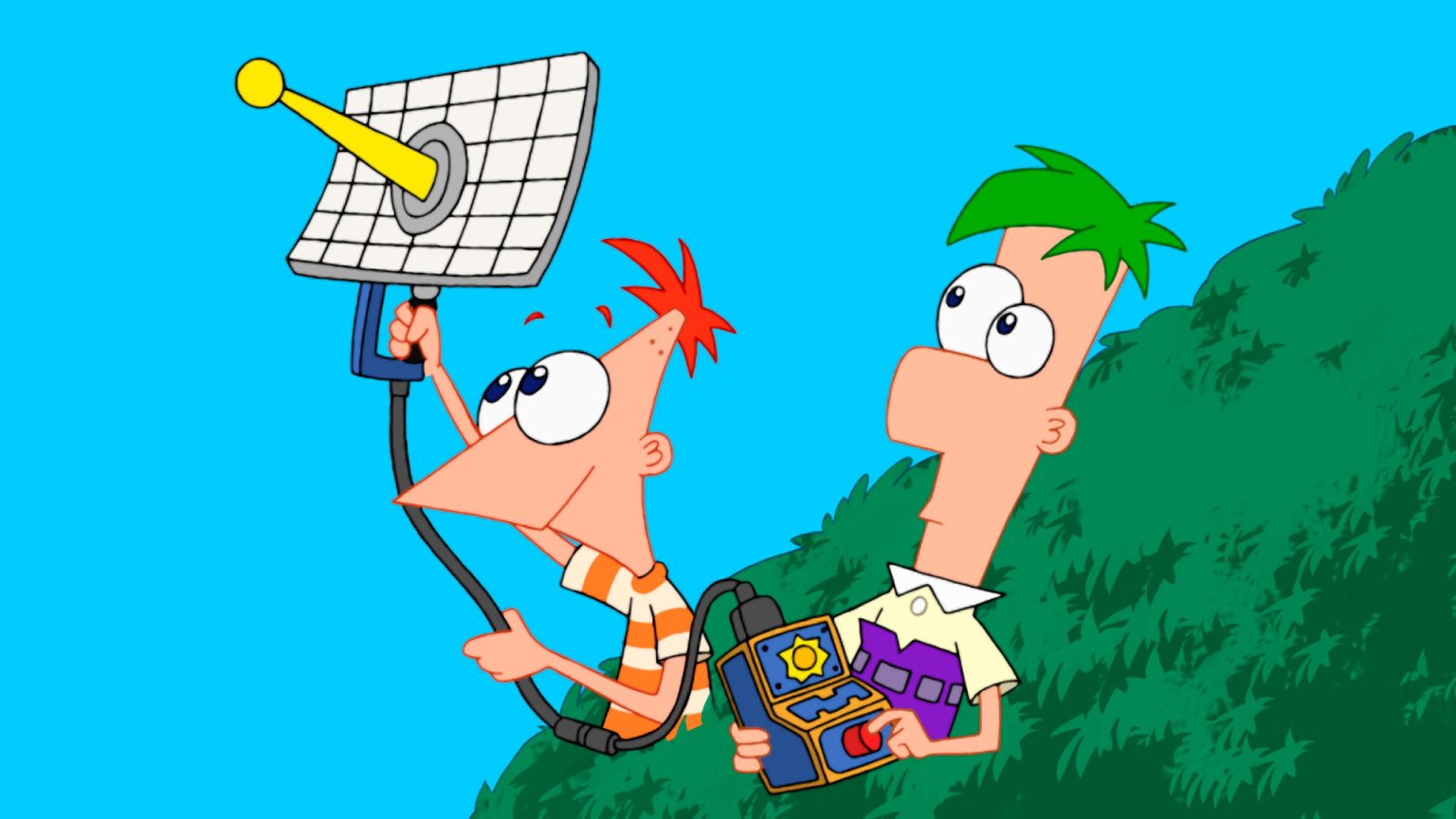
The Phineas and Ferb revival brings back creators Dan Povenmire and Swampy Marsh for a multi-season order at Disney, continuing the 104 days of summer vacation with new episodes, original cast members, and the signature humor that defined the animated classic.
Understanding the Phineas and Ferb Revival
The announcement of a modern revival for Disney’s iconic animated series Phineas and Ferb represents a major milestone in contemporary television animation. Originally running from 2007 to 2015 across four seasons, two feature-length animated movies, and numerous crossover specials, the series earned a reputation for its razor-sharp comedic timing, catchy musical numbers, and structurally reliable yet endlessly inventive plotlines. When Disney Branded Television announced in January 2023 that creators Dan Povenmire and Jeff "Swampy" Marsh had signed a deal to produce two new seasons totaling 40 episodes, it sparked immediate interest among longtime fans and animation enthusiasts alike.
This revival is not a reboot or a complete reimagining; it is a direct continuation of the original continuity. The creative team has intentionally preserved the fundamental rules of the universe while adapting to evolving production technologies and modern comedic sensibilities. Understanding the scope, production timeline, creative leadership, and distribution strategy of this revival requires a close look at how legacy animation properties are managed in the modern streaming and cable ecosystem.
Creative Leadership and Production Continuity
A primary factor driving anticipation for the Phineas and Ferb revival is the direct involvement of co-creators Dan Povenmire and Jeff "Swampy" Marsh. In animation history, revivals that proceed without the original creative architects often struggle to capture the specific tone that made the source material successful. Povenmire and Marsh not only returned as executive producers and showrunners, but Povenmire also actively contributes to the writing, boarding, and vocal performance of the series—most notably reprising his iconic role as the lovably inept evil scientist Dr. Heinz Doofenshmirtz.
The production operates out of Disney Television Animation, maintaining the classic 2D hand-drawn aesthetic that defined the original run. While digital production pipelines have evolved significantly since the series concluded its initial run in 2015, the creative team has emphasized maintaining the distinct visual style, character designs, and physical gag structures. This commitment ensures that the transition between the 2015 series finale and the new episodes remains visually and tonally seamless.
| Production Aspect | Original Run (2007–2015) | Revival Era (2024–Present) |
|---|---|---|
| Primary Creators | Dan Povenmire & Jeff "Swampy" Marsh | Dan Povenmire & Jeff "Swampy" Marsh |
| Order Size | 4 seasons (222 segments) | 2 new seasons (40 episodes ordered) |
| Primary Platforms | Disney Channel, Disney XD | Disney Channel, Disney+ |
| Animation Style | 2D Traditional / Digital Ink & Paint | Enhanced 2D Traditional |
Returning Voice Cast and Character Dynamics
The return of the core voice cast is essential to preserving the chemistry that anchored the original series. The Phineas and Ferb revival features the return of Vincent Martella as Phineas Flynn, Ashley Tisdale as Candace Flynn, and Caroline Rhea as Linda Flynn-Fletcher. While physical aging is an inevitable reality for human voice actors, the unique vocal stylings of the principal cast remain remarkably consistent with their 2007 counterparts.
The dynamic between the main characters remains structurally grounded in the familiar summer formula, though with subtle narrative expansions:
- Phineas and Ferb: Continue to conceptualize and execute impossible architectural and engineering feats in their backyard, unfazed by the scale of their projects.
- Agent P (Perry the Platypus): Embarks on espionage missions against Dr. Doofenshmirtz, maintaining the classic narrative B-plot that invariably intersects with the boys' daily invention.
- Candace Flynn: Remains dedicated to busting her brothers, though the writers explore fresh comedic angles for her eternal pursuit within a modern household setting.
- Dr. Heinz Doofenshmirtz and Major Monogram: Deliver deadpan banter, musical numbers, and poorly thought-out "Inators" that drive the conflict of the secondary plotline.
Narrative Structure and Modern Adaptation
While the core formula—"Hey Ferb, I know what we're going to do today"—remains untouched, the revival addresses the passage of time and contemporary cultural touchstones without abandoning its timeless Saturday-morning cartoon feel. The series maintains its episodic nature while allowing for minor continuity nods that reward longtime viewers who have followed the characters across decades.
The writing staff blends veterans of the original series with newer comedic voices. This blend allows the show to retain its signature rapid-fire visual gags, breaking of the fourth wall, and subversion of tropes while engaging with modern technology and lifestyle changes. Songs remain a central pillar of each episode, with Povenmire continuing to compose catchy, genre-spanning musical numbers that cover everything from Broadway showtunes to heavy metal and bubblegum pop.
Distribution, Release Strategy, and Viewing Access
The distribution model for the Phineas and Ferb revival reflects the hybrid reality of modern children's and family entertainment. Rather than bypassing traditional television in favor of a pure streaming dump, Disney utilizes a dual-release strategy that makes new episodes accessible across both linear cable and subscription video-on-demand.
Episodes premiere concurrently on Disney Channel and become available for streaming on Disney+. This approach caters to both traditional television households and cord-cutters who consume content exclusively on-demand. For international audiences, the rollout is managed regionally through Disney's localized subsidiaries, ensuring synchronized global availability where possible.
Comparison with Other Animated Revivals
The animation landscape of the 2020s is filled with revivals, reboots, and legacy sequels. However, the Phineas and Ferb return occupies a unique space compared to other contemporary projects.
| Property | Revival Type | Creative Continuity | Primary Target |
|---|---|---|---|
| Phineas and Ferb | Direct Continuation | High (Original creators & cast) | Multi-generational / Family |
| Animaniacs (2020) | Reboot / Continuation | Moderate (New writers, returning voices) | Nostalgia / Family |
| X-Men '97 | Direct Revival | Moderate (New showrunners, legacy tone) | Adult Animation / Nostalgia |
| Beavis and Butt-Head | Mature Revival | High (Mike Judge returns) | Adult Animation |
Unlike adult-skewing reboots that radically alter tone or gritty action revivals that shift target demographics, Phineas and Ferb maintains its all-ages appeal. It preserves the exact demographic target and moral cleanliness of the original run while offering sophisticated humor that appeals to young adults who watched the original episodes during their childhood.
Frequently Asked Questions
How many new episodes were ordered for the revival?
Disney ordered two new seasons consisting of a total of 40 episodes, giving creators Dan Povenmire and Jeff "Swampy" Marsh ample runway to explore new inventions, songs, and adventures.
Are all the original voice actors returning?
The majority of the primary cast members, including Vincent Martella, Ashley Tisdale, Caroline Rhea, and co-creator Dan Povenmire, have returned to voice their respective characters.
Is the revival a complete reboot or a continuation?
It is a direct continuation of the original series. The show keeps the established continuity, character relationships, and comedic universe intact without erasing past events.
Where can I watch the new episodes?
New episodes air on Disney Channel and stream on Disney+. Previous seasons are also available on Disney+ for viewers looking to catch up on the entire series history.
Will there be new songs in every episode?
Yes, music remains a core component of the series identity. Dan Povenmire and the production team continue to write and produce original songs across various musical genres for the new episodes.
Practical Guidance for Fans
For viewers looking to experience the revival with full context, revisiting the original four seasons, the television movie Phineas and Ferb the Movie: Across the 2nd Dimension (2011), and the Disney+ original film Phineas and Ferb the Movie: Candace Against the Universe (2020) provides the complete narrative background. Because the revival respects established character arcs and running gags, understanding classic episodes enhances the viewing experience of the new material. Ensure your Disney+ subscription is active and set your television provider alerts for Disney Channel to catch premieres as they air.