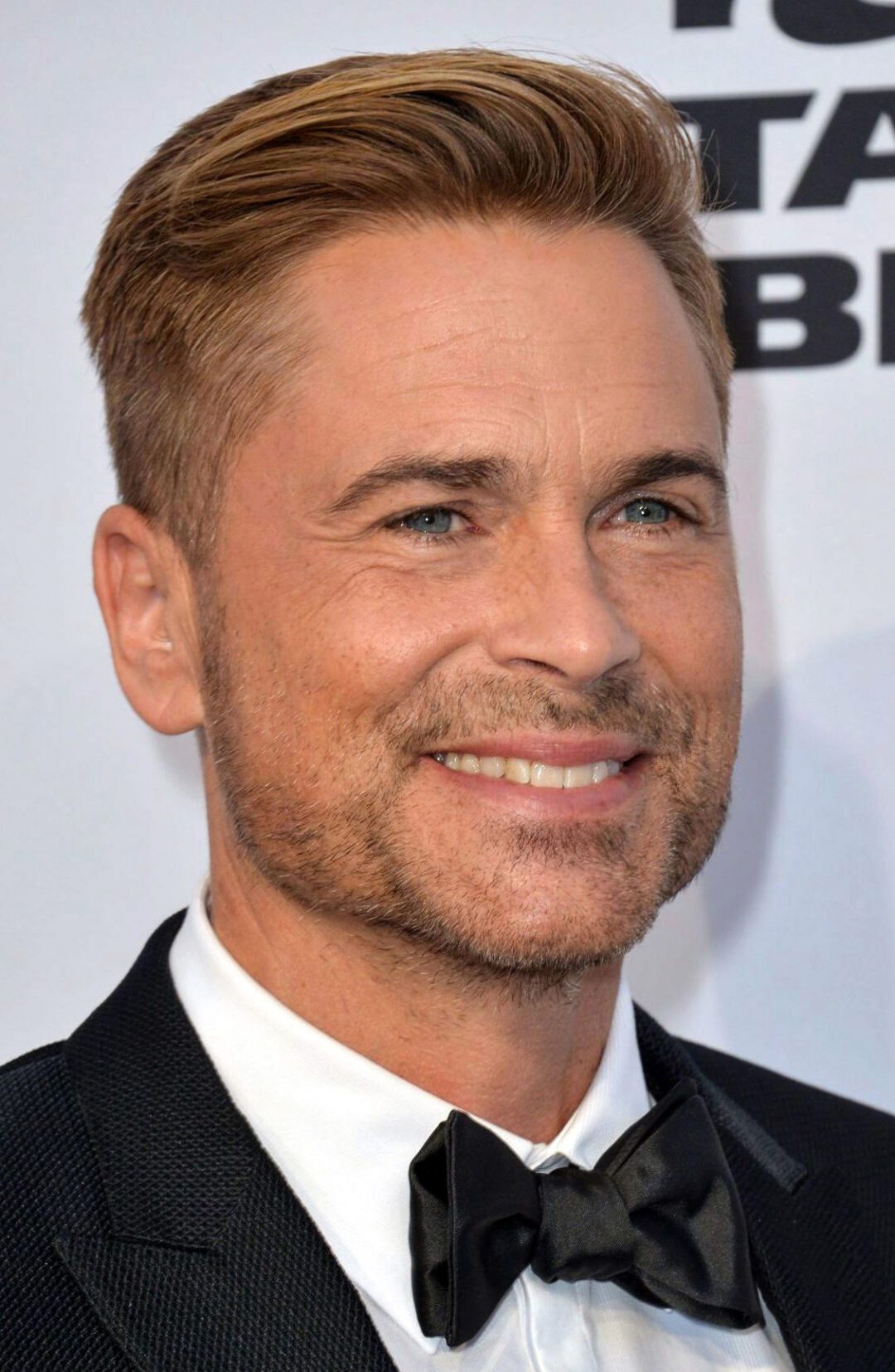
The Rob Lowe aesthetic—defined by refined, medium-length layers, natural volume, and a side-swept fringe—represents a gold standard in men’s grooming that prioritizes versatility and effortless sophistication. Achieving this look involves a precise combination of scissor-cutting techniques to maintain texture, specific styling products that emphasize hair health, and a commitment to regular maintenance to ensure the cut retains its professional silhouette.
The Evolution and Anatomy of the Rob Lowe Cut
Rob Lowe’s hair has become a cultural touchstone for men’s style, evolving from the feathered, voluminous styles of the 1980s to the more controlled, sophisticated, and polished looks he maintains today. At its core, the modern Rob Lowe haircut is a masterclass in classic men’s grooming, characterized by a transition between a traditional taper and a contemporary medium-length style.
The anatomy of this cut relies on internal texture. Unlike shorter, skin-fade-dominant styles that require aggressive clippers, the Lowe style is primarily scissor-cut. The sides are tapered, not shaved, leaving enough length to blend seamlessly into the longer top sections. This prevents the "puffy" look that often plagues men with thicker hair while maintaining a masculine, grounded structure. The fringe is typically the centerpiece, cut to hit just above the brow, allowing for a side-swept finish that framing the face without appearing overly styled or gel-heavy.
Prerequisites for Achieving the Look
Before sitting in the barber’s chair, it is essential to determine if your hair type and texture align with the fundamental requirements of this style.
Hair Texture and Density
This haircut performs best on hair with medium thickness and slight natural wave. If your hair is poker-straight, you may need a sea salt spray or a texturizing powder to achieve the necessary movement. If your hair is extremely coarse or curly, your barber will need to use thinning shears or a razor-cutting technique to debulk the interior, ensuring the hair lays flat against the head rather than standing up at the temples.
Length Requirements
To successfully transition to this style, you should arrive at your appointment with at least three to four inches of growth on top and two inches on the sides. If your current cut is significantly shorter, you will need to undergo a "grow-out" period. It is recommended to visit your barber during this phase for a "cleanup" cut, specifically asking them to trim the nape of the neck and around the ears while allowing the top and crown to gain length.
Step-by-Step Execution: Communicating with Your Stylist
Providing a clear, technical brief to your stylist is crucial for achieving the desired result. Avoid generic terms like "short on the sides"; instead, provide specific instructions rooted in professional barbering terminology.
- The Sides and Back: Request a "scissor-over-comb taper." Specify that you want to avoid a harsh transition or a visible line (a "shelf") between the sides and the top. The goal is a seamless, gradual increase in length.
- The Crown: Ask the barber to leave slightly more weight at the crown to prevent the hair from appearing flat. This is where the "natural volume" of the look originates.
- The Fringe: Communicate that you want the fringe to be disconnected slightly from the rest of the top, kept long enough to be swept to the side. Ensure the barber uses point-cutting—where the shears are held vertically rather than horizontally—to create soft, feathery ends rather than blunt, heavy edges.
- The Neckline: For a modern, clean finish, opt for a natural, tapered neckline rather than a block or square cut, which can appear dated and requires more frequent maintenance.
Essential Product Hierarchy
The secret to Rob Lowe’s perpetual "just-left-the-salon" look is the strategic use of styling products that add control without sacrificing movement. Avoid high-shine, heavy petroleum-based pomades, which will cause the hair to clump and lose the necessary volume.
Product Selection Table
| Product Type | Recommended Use | Effect on Hair |
|---|---|---|
| Sea Salt Spray | Pre-styling (Damp hair) | Adds grit, texture, and volume |
| Matte Clay | Post-styling (Dry hair) | Strong hold, zero shine, natural finish |
| Texturizing Powder | Roots/Mid-lengths | Instant lift and anti-gravity effect |
| Lightweight Mousse | Damp hair (For fine hair) | Boosts body and structural support |
Use a dime-sized amount of matte clay, emulsifying it thoroughly in your palms until it disappears. Apply from the back of the head moving forward, ensuring you get the product into the roots. Finally, use your fingers to rake the fringe to the side, avoiding a comb to maintain a natural, non-rigid texture.
Maintenance and Longevity
The "Rob Lowe" aesthetic is not a "wash-and-wear" style for everyone, though its versatility makes it easier to maintain than most high-maintenance fades. Because the cut relies on layering and specific lengths, you should expect to visit your barber every four to five weeks.
Daily Maintenance Routines
- Washing: Over-washing strips the hair of natural oils, causing it to lose the texture needed for this cut. Aim to shampoo every two to three days, using a high-quality conditioner daily to keep the mid-lengths soft.
- Blow-drying: If you want to replicate the professional volume, use a blow-dryer on a medium heat setting. Direct the airflow from the roots in the direction you want the hair to flow. Finish with a "cool shot" to lock the style in place.
- Troubleshooting Flatness: If your hair feels heavy by midday, use a small amount of dry shampoo or texturizing powder at the roots to reactivate the volume.
Professional Advice and Limitations
While this style is classic, it is important to recognize that hair density and growth patterns are biological factors that cannot be perfectly replicated. If your hairline is receding or you have specific cowlicks, you must discuss these with your stylist during the consultation. A skilled professional can adjust the parting or the length of the fringe to camouflage areas of concern.
Always remember that grooming is a personal process; what works for a specific celebrity style profile may need slight adjustments to suit your facial structure—whether square, round, or oval. A professional barber should always be willing to perform a "face-shape assessment" before taking shears to your hair.
Frequently Asked Questions
How do I prevent the "bowl cut" look when growing my hair out?
To avoid a blunt, heavy look, ensure your stylist consistently uses point-cutting on the ends of the hair. This removes weight and creates texture, which prevents the hair from hanging in a solid, singular line.
Can I achieve this look with thinning hair?
Yes, but you must focus on products that create the illusion of thickness. Use a matte volumizing powder instead of heavy clays or pomades, as heavy products will cause thinning hair to clump and expose the scalp.
What should I do if my hair has a strong cowlick at the front?
Do not try to force the hair against its natural growth pattern. Instead, embrace the cowlick by using it as a natural anchor for the sweep of the fringe. Use a sea salt spray while the hair is damp to encourage that specific movement.
Is this haircut appropriate for a formal corporate environment?
The Rob Lowe style is inherently professional. By keeping the sides tapered and the hair clean, it fits perfectly within a business-professional dress code while remaining stylish enough for social settings.
How often should I use a blow-dryer?
While blow-drying provides the best results for volume, avoid using it every single day on the highest heat setting, as this can lead to heat damage and dryness. If you use a dryer, always apply a heat-protectant spray first to maintain hair health.
Next Steps for Your Grooming Journey
To begin this transition, identify a barber who specializes in scissor-over-comb techniques rather than those who focus primarily on clipper fades. Bring at least three photos of the desired style from different angles (front, side, and back). During your first appointment, prioritize the shape over the final styling; it is often better to leave the hair slightly longer during the first session to ensure the transition remains manageable as it grows into the desired silhouette.