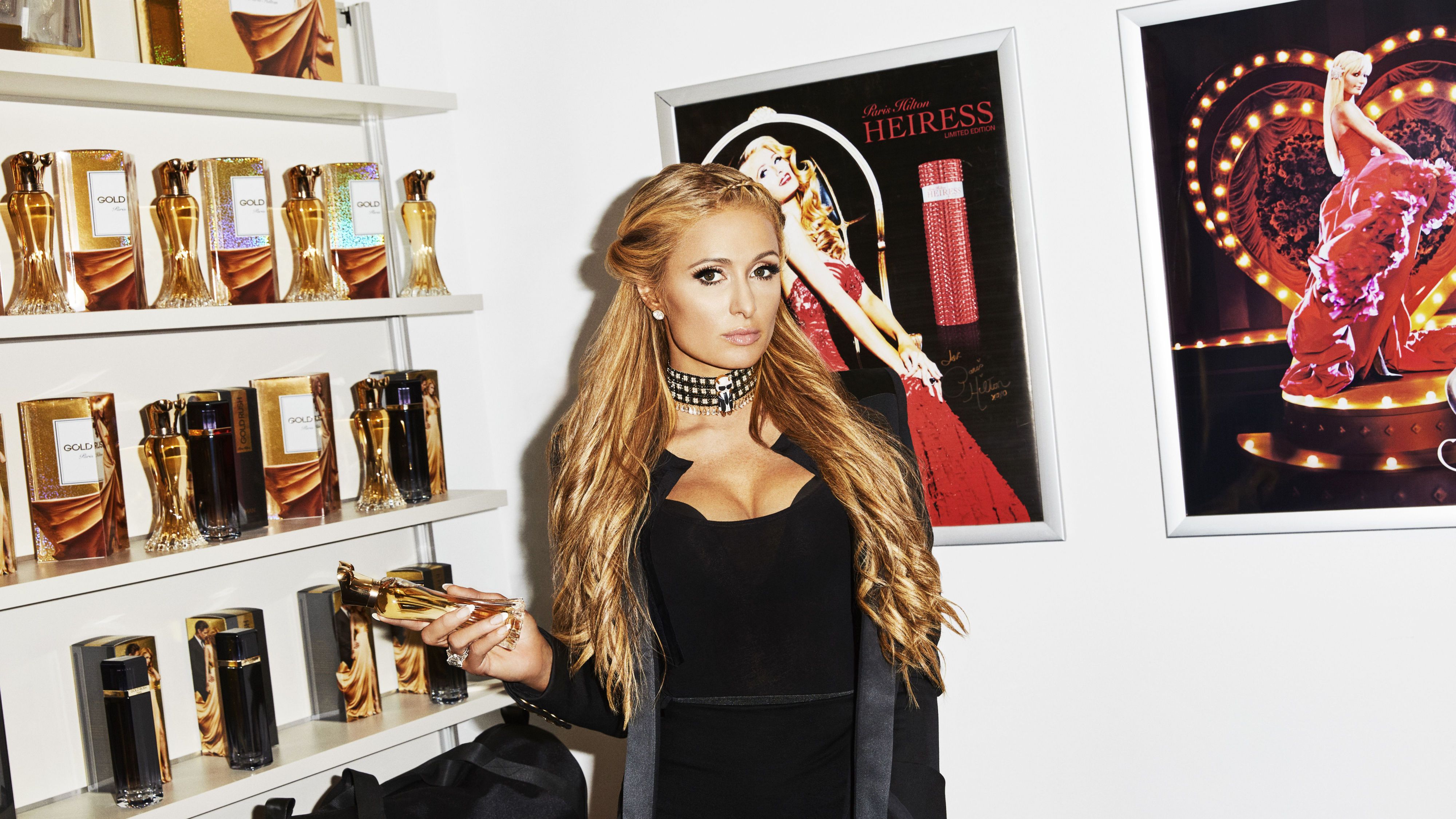
Paris Hilton does not own Hilton Hotels, nor does she own any shares of the multinational hospitality company. While her great-grandfather, Conrad Hilton, founded the Hilton Hotel chain in 1919, Paris Hilton’s immediate family does not control the corporation, and she inherited only a fraction of the family fortune.
The relationship between Paris Hilton and the global hospitality brand is one of the most persistent misconceptions in pop culture. Because her surname is synonymous with luxury lodging, the public often assumes she is an heiress to a vast hotel empire that she personally manages, directs, or financially controls. In reality, the modern corporate structure of Hilton Worldwide is entirely separate from the Hilton family, and Paris Hilton has built her multi-million-dollar career not through hospitality assets, but through an independent business empire spanning music, fashion, fragrances, and media.
Examining the intersection of the Hilton family legacy, corporate acquisitions, and Paris Hilton’s personal entrepreneurship clarifies how the namesake celebrity and the hotel giant actually relate.
The Origin of the Hilton Hotel Empire
The Hilton hotel story began long before Paris Hilton was born. In 1919, her great-grandfather, Conrad Hilton, purchased his first property, the Mobley Hotel, in Cisco, Texas. This initial venture marked the beginning of what would become a pioneering global hospitality chain. Over the subsequent decades, Conrad Hilton expanded aggressively, acquiring iconic properties such as the Palmer House in Chicago and the Plaza Hotel in New York.
In 1946, Hilton Hotels Corporation was formally organized, eventually becoming the first New York Stock Exchange-listed company with multiple hotel chains. Conrad Hilton built a legacy defined by luxury, standardization within the hospitality industry, and massive international expansion, establishing the Hilton brand as a household name across the globe.
However, the corporate trajectory of Hilton Hotels changed drastically in the decades following Conrad Hilton's death in 1979. While Conrad left a substantial portion of his wealth to charity—specifically the Conrad N. Hilton Foundation—the remaining family shares were distributed among his descendants, including Paris Hilton’s grandfather, Barron Hilton. Barron successfully expanded the business further, notably acquiring the Caesars Palace empire and engineering the landmark merger between Hilton Hotels Corporation and Promus Hotel Corporation in 1999.
The Corporate Evolution and Ownership of Hilton Worldwide
To understand why Paris Hilton does not own the hotels, it is necessary to examine how ownership of Hilton Worldwide transitioned from a family-run enterprise into a publicly traded corporate entity controlled by institutional investors.
Throughout the late 20th century, the Hilton family's percentage ownership in the hotel company steadily decreased as the business required massive capital injections, public stock offerings, and strategic mergers to compete on a global scale. By the early 2000s, Hilton Hotels Corporation was a publicly traded company owned by thousands of individual and institutional shareholders.
| Transaction / Era | Key Event | Ownership Implication for the Hilton Family |
|---|---|---|
| 1919–1946 | Conrad Hilton founds the chain; early local and regional expansion. | Exclusively family-owned and operated by Conrad Hilton. |
| 1946–1999 | Public listing (NYSE); nationwide and international expansion; Promus merger. | Transitioned to public shareholding; family holdings diluted to a minority stake. |
| 2007 | Blackstone Group acquires Hilton Hotels Corporation for $26 billion. | Private equity buyout; remaining family shares (including Barron Hilton's) were cashed out. |
| 2013–Present | Hilton Worldwide returns to the public market via an initial public offering (IPO). | Owned by institutional giants (e.g., Vanguard, BlackRock, Wellington Management) and public shareholders. |
As shown in the timeline above, the definitive turning point occurred in 2007, when the private equity firm Blackstone Group acquired Hilton Hotels Corporation for approximately $26 billion in cash. At the time of this buyout, Barron Hilton—Paris Hilton’s grandfather—held a notable equity stake in the company. Following the sale to Blackstone, those shares were converted into cash payouts.
Furthermore, in 2007, Barron Hilton publicly announced his intention to follow in the philanthropic footsteps of his father, Conrad Hilton. He pledged 97% of his multi-billion-dollar fortune to the Conrad N. Hilton Foundation, leaving only a tiny fraction of his estate to his children and grandchildren. Consequently, when Barron Hilton passed away in 2019, the overwhelming majority of the remaining family wealth generated by the hotel chain was directed toward charitable causes rather than inherited by Paris Hilton or her siblings.
Paris Hilton’s Financial Standing and Inheritance Rumors
Media narratives frequently label Paris Hilton as a "hotel heiress," implying that her lifestyle is financed directly by dividends or ownership stakes in Hilton properties. This portrayal is largely a myth manufactured by early 2000s tabloid culture and reinforced by her prominent role in reality television.
When Barron Hilton made his monumental philanthropic pledge in 2007, it effectively dismantled the idea that Paris Hilton and her siblings would inherit a massive stake in the hotel empire. Media reports at the time estimated that the total inheritance shared among Barron's descendants amounted to a fraction of his overall estate, which was valued at roughly $4.5 billion.
Instead of relying on a multi-billion-dollar family trust, Paris Hilton has spent more than two decades actively constructing an independent business empire. Rather than managing hotel suites, she monetized her personal brand, pioneering the modern celebrity-influencer business model.
Key Drivers of Paris Hilton’s Business Empire
- Fragrance Industry: Paris Hilton launched her eponymous perfume line in 2004 in partnership with Parlux. The brand has generated over $2.5 billion in global retail sales across dozens of distinct fragrance releases.
- Global DJing and Entertainment: Transitioning into the electronic dance music scene, Hilton became one of the world's highest-paid female DJs, headlining residencies in Ibiza and international music festivals for lucrative performance fees.
- Consumer Products and Retail: Her personal brand extends to over 50 retail stores globally, selling footwear, handbags, sunglasses, cosmetics, and clothing lines, generating hundreds of millions of dollars in licensing revenue.
- Media and Production: Through her company, Slivington Productions, she has produced reality television shows, documentaries, and digital content for platforms like Netflix, Peacock, and YouTube.
Through these business ventures, Paris Hilton has amassed a personal net worth estimated in the hundreds of millions of dollars. Her wealth is self-made through global brand licensing, media production, and endorsements, completely independent of the Hilton corporate balance sheet.
Common Misconceptions Regarding Celebrity Names and Corporate Brands
The confusion surrounding Paris Hilton and Hilton Hotels highlights a broader psychological and marketing phenomenon: the conflation of family legacy with corporate ownership.
When a family name becomes globally ubiquitous, the public naturally attributes modern corporate power to the living descendants of the founder. However, in modern corporate finance, a family name is merely intellectual property and historical heritage once a company goes public or undergoes private equity acquisition.
Why the Misconception Persists
- Tabloid Media Framing: Early 2000s media coverage routinely labeled Paris Hilton as the "Hilton hotel heiress" to sensationalize her lifestyle, cementing the phrase in popular culture.
- Brand Synergy: Paris Hilton occasionally leverages her family surname for promotional events, and her family members have historically maintained high profiles in Los Angeles society, keeping the connection alive in public perception.
- Lack of Corporate Literacy: The intricacies of private equity buyouts, public stock floats, and philanthropic estate planning are rarely understood by casual media consumers, making simple family-name associations the default assumption.
In reality, if Paris Hilton were to walk into a Hilton hotel today, she would check in, pay for her stay, or be hosted as a VIP guest just like any other high-profile celebrity. She possesses no board seats, holds no executive voting rights, and owns zero shares in Hilton Worldwide.
Summary of the Hilton Family Legacy vs. Modern Hospitality
To summarize the operational and financial reality of the Hilton name:
- The Brand: Hilton Worldwide is a publicly traded hospitality enterprise operating thousands of properties worldwide under brands like Waldorf Astoria, Conrad, Hilton, and Hampton by Hilton.
- The Corporation: Ownership is distributed among massive institutional investment funds, mutual funds, and retail shareholders.
- The Family: The Hilton family divested its controlling interest over the course of decades, culminating in Blackstone’s 2007 buyout and Barron Hilton’s massive philanthropic donations to the Conrad N. Hilton Foundation.
- Paris Hilton: An entrepreneur, DJ, media personality, and businesswoman who derives her wealth from personal brand licensing, fragrances, and entertainment, with no ownership ties to the hotel chain.
Frequently Asked Questions
Does Paris Hilton get free stays at Hilton hotels?
There is no public evidence or corporate policy indicating that Paris Hilton receives free lifetime stays at Hilton hotels. While her celebrity status often secures her complimentary upgrades or VIP treatment when visiting partner properties, her stays are handled through standard hospitality protocols or promotional partnerships rather than ownership rights.
How much of Hilton Hotels did Paris Hilton inherit?
Paris Hilton inherited a negligible fraction—or potentially nothing—of the hotel fortune. Her grandfather, Barron Hilton, pledged 97% of his multi-billion-dollar estate to the Conrad N. Hilton Foundation before his death in 2019, leaving the vast majority of family wealth to charity rather than his grandchildren.
Who actually owns Hilton Worldwide today?
Hilton Worldwide is a publicly traded corporation listed on the New York Stock Exchange under the ticker symbol HLT. Its shares are predominantly owned by institutional investors, including large asset management firms such as Vanguard, BlackRock, and Wellington Management, alongside individual public shareholders.
Is Paris Hilton related to the founder of Hilton Hotels?
Yes. Paris Hilton is the great-granddaughter of Conrad Hilton, who founded the Hilton Hotel company in 1919. She is the daughter of Richard Hilton, a real estate businessman, and Kathy Hilton, a socialite and television personality.
Did the Hilton family ever try to buy the company back?
While family members remained involved in executive management for decades after Conrad Hilton's death, they did not attempt a hostile takeover or buy back the company when Blackstone acquired it in 2007 for $26 billion. The capital required to purchase a global hospitality enterprise of that magnitude far exceeded individual family holdings at the time.
Practical Next Steps for Researching Hospitality Brands
If you are interested in researching corporate structures, hotel ownership, or travel industry economics, avoid relying on tabloid biographies or social media profiles. Instead, consult official regulatory filings—such as SEC Form 10-K filings for publicly traded hospitality firms like Hilton Worldwide—to examine institutional ownership tables, major shareholders, and corporate governance documents.