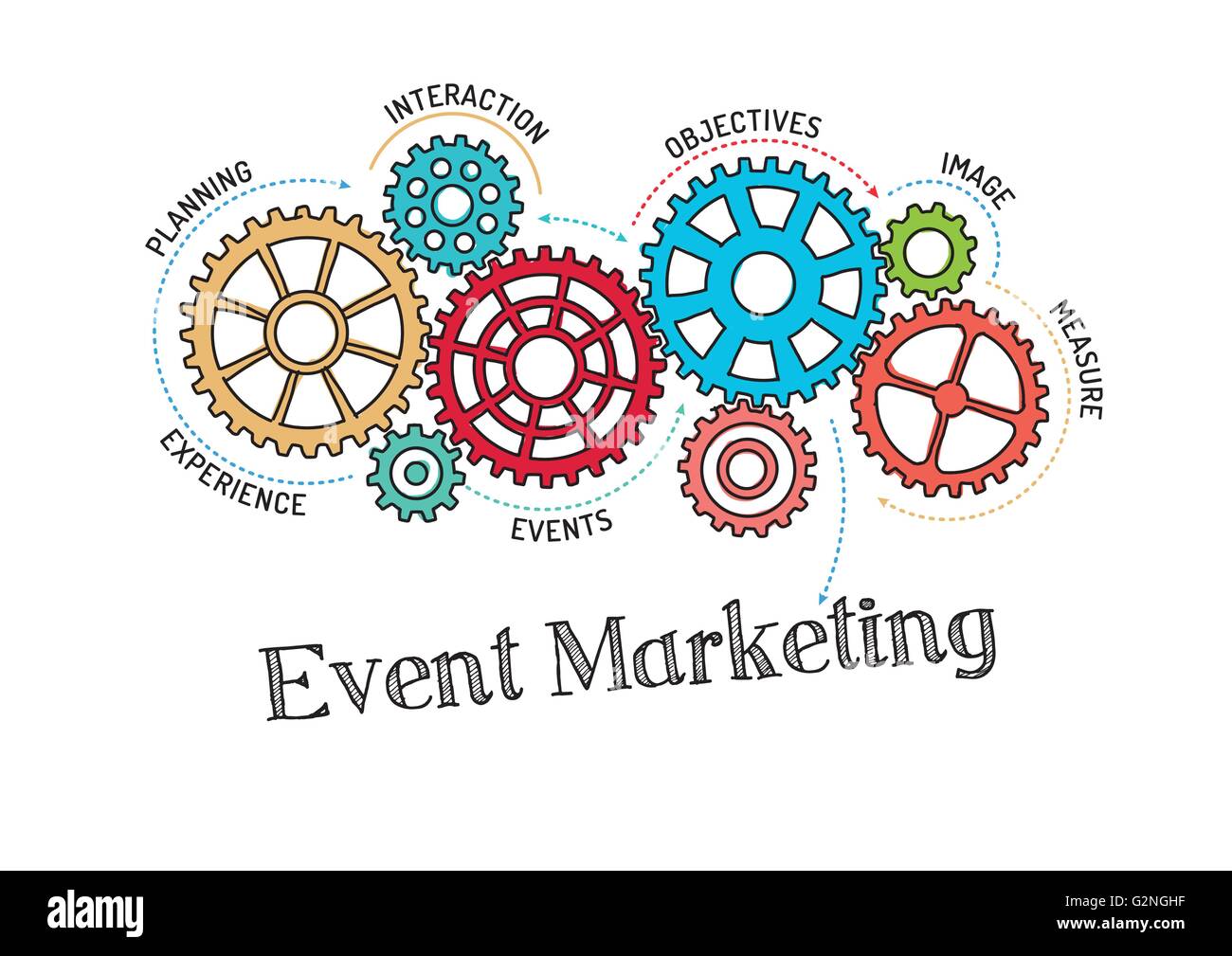
Event marketing is a strategic discipline focused on promoting a brand, product, or service through curated experiences, whether held in-person, virtually, or through hybrid formats. In 2026, it serves as a critical bridge between digital engagement and physical interaction, allowing organizations to foster deep community connections, generate high-intent leads, and demonstrate thought leadership in an increasingly automated marketplace.
The landscape of event marketing has undergone a profound transformation. As we navigate 2026, the reliance on purely digital advertising has reached a saturation point, leading brands to reinvest in experiential channels. Modern event marketing is no longer just about booking a venue and sending invitations; it is a data-driven, multi-channel strategy that begins months before the "doors" open and continues long after the final session concludes. By integrating sophisticated artificial intelligence (AI), sustainable practices, and hyper-personalized attendee journeys, organizations use events as the cornerstone of their broader go-to-market (GTM) strategies.
The Strategic Core of Event Marketing in 2026
At its foundation, event marketing exists to solve the problem of "digital fatigue." While online interactions are efficient, they often lack the emotional resonance required to build long-term brand loyalty. Events provide the sensory and social context that digital ads cannot replicate. In the current business environment, successful event marketing is defined by its ability to create "shared moments" that align with the specific needs of a target audience.
To execute this effectively, marketers must view an event not as a standalone occurrence but as a content engine. The data gathered during an event—ranging from session attendance patterns to real-time engagement metrics—feeds directly into CRM systems, allowing for personalized follow-ups that significantly increase conversion rates. Whether the goal is to launch a disruptive product, educate a specialized workforce, or celebrate a community milestone, the strategy must be anchored in clear, measurable objectives.
Defining Your Objectives and KPIs
Before selecting a venue or a streaming platform, a marketing team must establish what success looks like. In 2026, the industry has moved beyond "vanity metrics" like total registration numbers. Instead, the focus has shifted toward:
- Pipeline Generation: The total value of sales opportunities directly attributed to event participation.
- Cost Per Acquisition (CPA): Calculating the efficiency of the event compared to other marketing channels like search or social.
- Net Promoter Score (NPS): Measuring attendee satisfaction and the likelihood of word-of-mouth advocacy.
- Engagement Depth: Using AI-powered analytics to track how long attendees stayed in sessions and which interactive elements they utilized.
Primary Formats: Choosing the Right Medium
The choice of format in 2026 is dictated by the audience’s geographical distribution, the complexity of the content, and the available budget. Each format offers distinct advantages and operational challenges.
1. In-Person Events
Physical gatherings remain the gold standard for high-value networking and relationship building. These include large-scale trade shows, intimate executive roundtables, and flagship annual conferences. The primary draw of in-person events is the "hallway track"—the spontaneous, unscripted conversations that occur between sessions. However, these events require the highest investment in terms of logistics, travel, and environmental footprint management.
2. Virtual Events
Virtual events have evolved far beyond the simple webinars of the early 2020s. Today, they utilize spatial computing and low-latency 6G streaming to provide immersive environments. They are ideal for global reach, lower entry costs for attendees, and massive data collection. Virtual formats are particularly effective for technical training or rapid-response industry updates where speed to market is essential.
3. Hybrid Experiences
The hybrid model is the standard for 2026. It involves a "dual-track" approach where the digital and physical audiences receive tailored experiences rather than a one-size-fits-all broadcast. The challenge lies in ensuring the virtual audience does not feel like second-class citizens. This is managed through dedicated virtual hosts, interactive digital Q&A integrated with the physical stage, and "digital-only" networking lounges.
The 2026 Event Tech Stack
Technology is the nervous system of modern event marketing. To manage the complexities of 2026’s demands, marketers rely on an integrated stack of tools designed to streamline the attendee journey.
- AI-Driven Personalization Engines: These tools analyze an attendee's professional profile and past behavior to recommend specific sessions, exhibitors, and networking partners. This reduces the "choice overload" often felt at large conferences.
- Event Management Software (EMS): Platforms like Cvent or RainFocus continue to lead, providing end-to-end management of registration, housing, and speaker bios.
- Spatial Computing and AR: Augmented Reality is now frequently used on trade show floors to provide "X-ray" views of complex machinery or to overlay digital data on physical products, enhancing the educational aspect of a booth.
- Biometric Feedback and Sentiment Analysis: With strict ethical safeguards and opt-in protocols, some high-end events use anonymized heatmapping and sentiment analysis to gauge which speakers or topics are resonating most effectively in real-time.
Comparison of Event Formats in 2026
| Feature | In-Person Events | Virtual Events | Hybrid Events |
|---|---|---|---|
| Primary Goal | Deep Networking / Closing Deals | Mass Awareness / Education | Global Accessibility / Lead Gen |
| Reach | Limited by Geography/Travel | Unlimited / Global | High (Combined Audience) |
| Cost Per Attendee | High ($$$$) | Low ($) | Moderate to High ($$$) |
| Engagement Type | Sensory & Emotional | Data-Driven & Interactive | Multi-Modal |
| Sustainability | Challenging (Travel/Waste) | Very High (Low Carbon) | Moderate (Offsetting Required) |
| Data Granularity | Medium (Scans/Surveys) | Very High (Every Click) | High (Omnichannel Data) |
The Lifecycle of an Event Marketing Campaign
To maximize ROI, an event must be treated as a four-phase campaign: Discovery, Pre-Event Engagement, The Live Experience, and The Post-Event Echo.
Phase 1: Discovery and Planning
This phase involves market research to ensure the event topic is relevant. Marketers use "social listening" tools to identify the pain points their audience is currently facing. During this stage, the budget is finalized, and the "Value Proposition" for the attendee is clearly defined. Why should someone give up two days of their time or five hours of their digital attention?
Phase 2: Pre-Event Engagement
Registration is just the beginning. In the weeks leading up to the event, marketers must build momentum. This is achieved through "sneak peek" content, speaker interviews, and community forums where attendees can start networking before the event begins. Personalized email nurture tracks are essential here to ensure "no-show" rates remain low.
Phase 3: The Live Experience
Execution is about removing friction. In 2026, this means contactless check-in, AI-powered wayfinding, and seamless transitions between sessions. The marketing team’s role during the live event is to capture content—short-form videos, key quotes, and "man-on-the-street" interviews—that can be used for real-time social media coverage and future promotion.
Phase 4: The Post-Event Echo
The most common mistake in event marketing is stopping once the lights go out. The "Echo" phase involves repurposing event content into white papers, on-demand video libraries, and blog posts. Sales teams should receive "hot lead" reports within 24 hours of the event's conclusion, equipped with specific data on what sessions the lead attended to facilitate a personalized outreach.
Navigating Sustainability and Privacy
In 2026, two external factors weigh heavily on event marketing: environmental impact and data sovereignty.
Sustainability: Modern audiences, particularly those in the Professional Convention Management Association (PCMA) ecosystem, demand "Net Zero" events. This involves eliminating single-use plastics, choosing venues with high LEED certifications, and providing carbon-offsetting options for traveler-induced emissions. Brands that ignore these expectations risk significant reputational damage.
Data Privacy: With the evolution of global privacy laws, event marketers must be transparent about how attendee data is used. Explicit consent is required for tracking movements via beacons or sharing contact info with sponsors. Marketing teams must work closely with legal departments to ensure that "Lead Scanning" practices are compliant with the latest 2026 regional regulations.
Common Pitfalls in Event Marketing
Even with a robust strategy, several factors can undermine an event’s success. Avoiding these is crucial for maintaining budget efficiency.
- Over-Programming: Content fatigue is real. In 2026, successful events build in "white space"—time for attendees to process information, check emails, and engage in unscheduled networking.
- Poor Tech Integration: If the registration system doesn’t talk to the mobile app or the CRM, the data becomes siloed and loses its value for the sales team.
- Ignoring the "Middle of the Funnel": Many events focus too much on the "Big Keynote" and not enough on the breakout sessions where actual problem-solving and product education occur.
- Neglecting the Virtual Audience: In hybrid setups, the remote audience often feels like they are watching a movie rather than participating in an event. Interactive polls and dedicated virtual moderators are non-negotiable.
Frequently Asked Questions
What is the most important metric for event marketing in 2026?
The most important metric is Attributed Pipeline. While attendance and engagement are helpful indicators, the ultimate goal of event marketing in a corporate context is to demonstrate a direct link between an event interaction and a closed-won sale. This is measured through multi-touch attribution models that track the attendee's journey through the sales funnel after the event concludes.
How has AI changed the role of an event marketer?
AI has shifted the event marketer's role from logistical coordinator to "Experience Architect." AI handles the heavy lifting of data analysis, personalized scheduling, and automated content distribution. This allows the marketer to focus on high-level strategy, creative storytelling, and building human-to-human relationships that the AI cannot replicate.
Is virtual event fatigue still a concern in 2026?
Yes, but it is managed through better design. Virtual fatigue was largely a result of "Zoom-style" passive viewing. In 2026, virtual events are shorter, more interactive, and often leverage "asynchronous participation," allowing attendees to engage with content on their own schedule rather than forcing them to sit in front of a screen for eight consecutive hours.
How do you justify the high cost of in-person events?
Justification comes from the Quality of Interaction. A single 20-minute face-to-face meeting at an event can often accomplish more than six months of cold calling or digital nurturing. For high-ticket B2B sales or complex partnership negotiations, the physical presence and the "trust-building" environment of an in-person event provide a return on investment that digital channels struggle to match.
What are the best practices for hybrid event networking?
The best practice is to use a unified platform where both virtual and physical attendees can see each other's profiles and chat. Facilitating "mixed-mode" networking sessions—where a physical pod of attendees interacts with a virtual pod via large-screen displays—helps bridge the gap and creates a sense of a single, unified community.
Strategic Recommendation
To succeed in event marketing in 2026, organizations should adopt a "Community-First" approach. Instead of viewing an event as a one-off transaction, treat it as a peak moment within an ongoing community engagement strategy. Start by identifying a specific niche problem your audience faces, then design an experience—regardless of the format—that provides a tangible solution.
Prioritize data integration above all else; ensure your event technology seamlessly feeds into your broader marketing automation tools. Finally, never underestimate the power of the post-event phase. The content you generate during those few days should fuel your marketing engine for the following two quarters, ensuring that the initial investment continues to pay dividends long after the venue has been cleared.