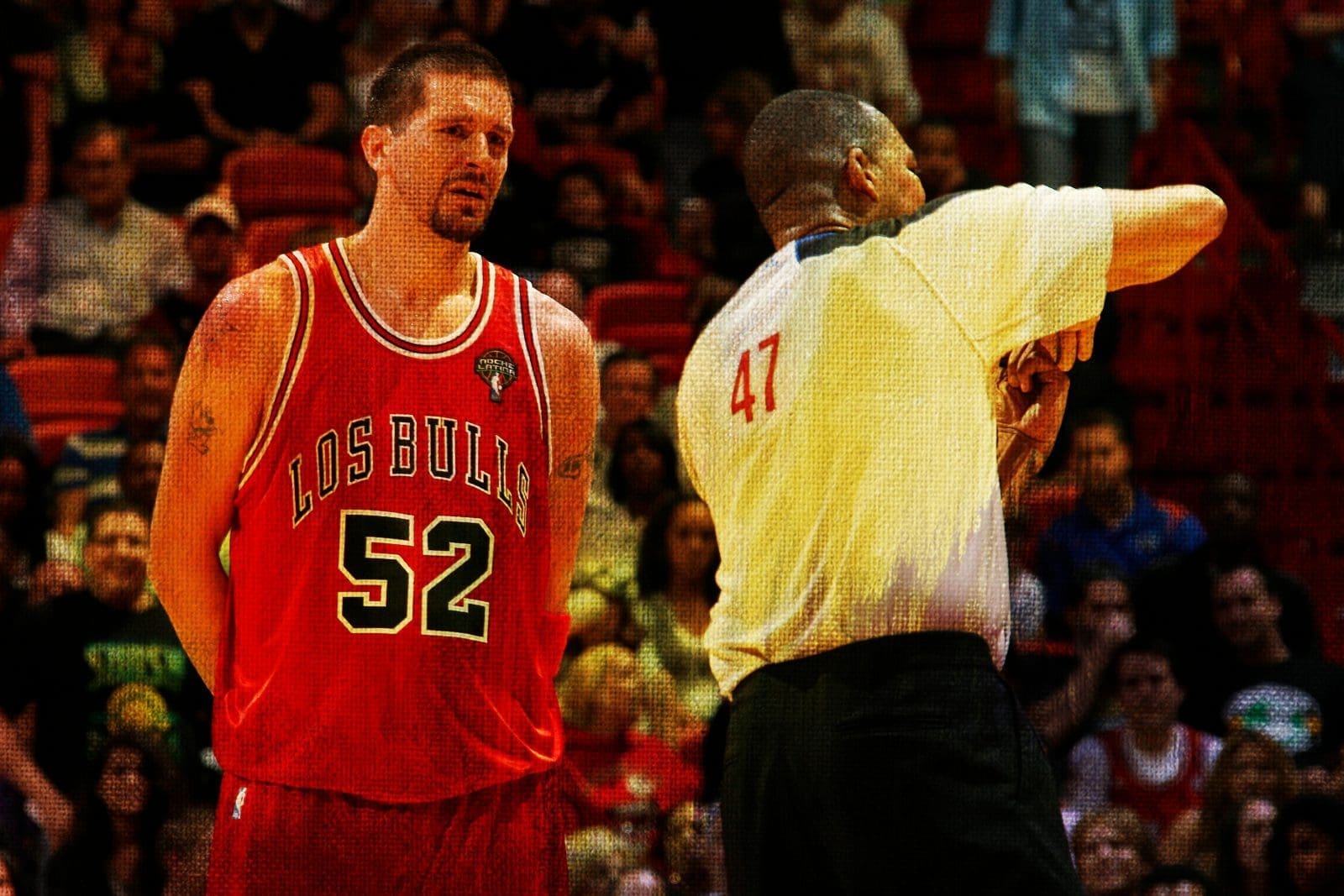
Brad Miller is a retired American professional basketball player whose 14-season NBA career is defined by his transition from an undrafted prospect to a two-time All-Star. As of 2026, his estimated net worth stands at approximately $55 million, bolstered by nearly $91 million in career salary and successful post-retirement ventures in the outdoor and hunting industries.
The Early Years: From Kendallville to Purdue
Born in 1976 in Kendallville, Indiana, Brad Miller’s basketball journey began in a region where the sport is woven into the cultural fabric. Unlike many future NBA stars who were heralded as "can't-miss" prospects from middle school, Miller had to earn his recognition through grit and a high basketball IQ. He attended East Noble High School before enrolling at Purdue University, where he played for the legendary Gene Keady.
At Purdue, Miller developed the foundational skills that would later define his professional career. He wasn't just a traditional low-post bruiser; he showed early flashes of being a versatile big man who could pass and shoot from the perimeter. During his four years with the Boilermakers, he became the first player in school history to record at least 1,500 points, 800 rebounds, and 250 assists. Despite these accolades, the 1998 NBA Draft came and went without Miller’s name being called. This slight became a primary motivator for his subsequent professional journey.
The Undrafted Path: Proving the Critics Wrong
The 1998 NBA lockout forced Miller to begin his professional career in Europe, playing for Bini Bibo in Italy. This stint was brief but essential for his professional maturation. When the NBA returned to action in early 1999, the Charlotte Hornets signed him as a free agent.
Miller’s early years in the league were a masterclass in carving out a niche. In Charlotte, he served as a reliable backup, providing size and smart play. His break came when he moved to the Chicago Bulls (2000–2002) and later the Indiana Pacers (2002–2003). It was during his time with the Pacers that Miller’s unique skill set truly began to shine. In the 2002-2003 season, he averaged 13.1 points and 8.3 rebounds, earning his first All-Star selection—a rare feat for an undrafted player. This period established him as one of the most efficient and intelligent big men in the Eastern Conference.
The Sacramento Kings Era: Peak Performance and the Princeton Offense
In 2003, Miller was involved in a landmark sign-and-trade deal that sent him to the Sacramento Kings. This move proved to be the turning point of his career. Joining a Kings team that featured Chris Webber, Mike Bibby, and Peja Stojaković, Miller was the perfect replacement for the departing Vlade Divac.
Under coach Rick Adelman, the Kings ran a variation of the Princeton Offense, which prioritized spacing, cutting, and, most importantly, passing from the high post. Miller was the ideal fulcrum for this system. His ability to stand at the top of the key and deliver pinpoint bounce passes to back-door cutters revolutionized how teams defended centers.
During his peak years in Sacramento (2003–2006), Miller was a perennial double-double threat who also averaged nearly 5 assists per game. In 2004, he earned his second consecutive All-Star nod. His shooting range extended to the three-point line, making him an early prototype of the modern "stretch-five." The chemistry he developed with the Kings' roster made them one of the most entertaining and offensively potent teams of the early 2000s.
Technical Depth: The "Point Center" Archetype
To understand Brad Miller’s legacy, one must analyze the technical evolution of the center position. For decades, the NBA center was expected to stay near the rim, rebound, and score via post-ups. Miller was a primary disruptor of this trend.
Passing Vision and High-Post Mechanics
Miller possessed an innate "feel" for the game. When he held the ball at the elbow, defenders had to respect his 18-foot jump shot. This gravity pulled opposing centers away from the hoop, opening up lanes for teammates. Miller’s passing was not merely functional; it was creative. He utilized no-look passes and overhead outlets that were typically reserved for elite point guards.
Shooting Prowess
While he didn't shoot threes at the volume seen in today's NBA, Miller was a career 33% shooter from deep and an exceptional free-throw shooter for a big man (80.4% career). This reliability made him a "closer" in tight games, as teams could not employ the "Hack-a-Shaq" strategy against him.
Physicality and "Enforcer" Mentality
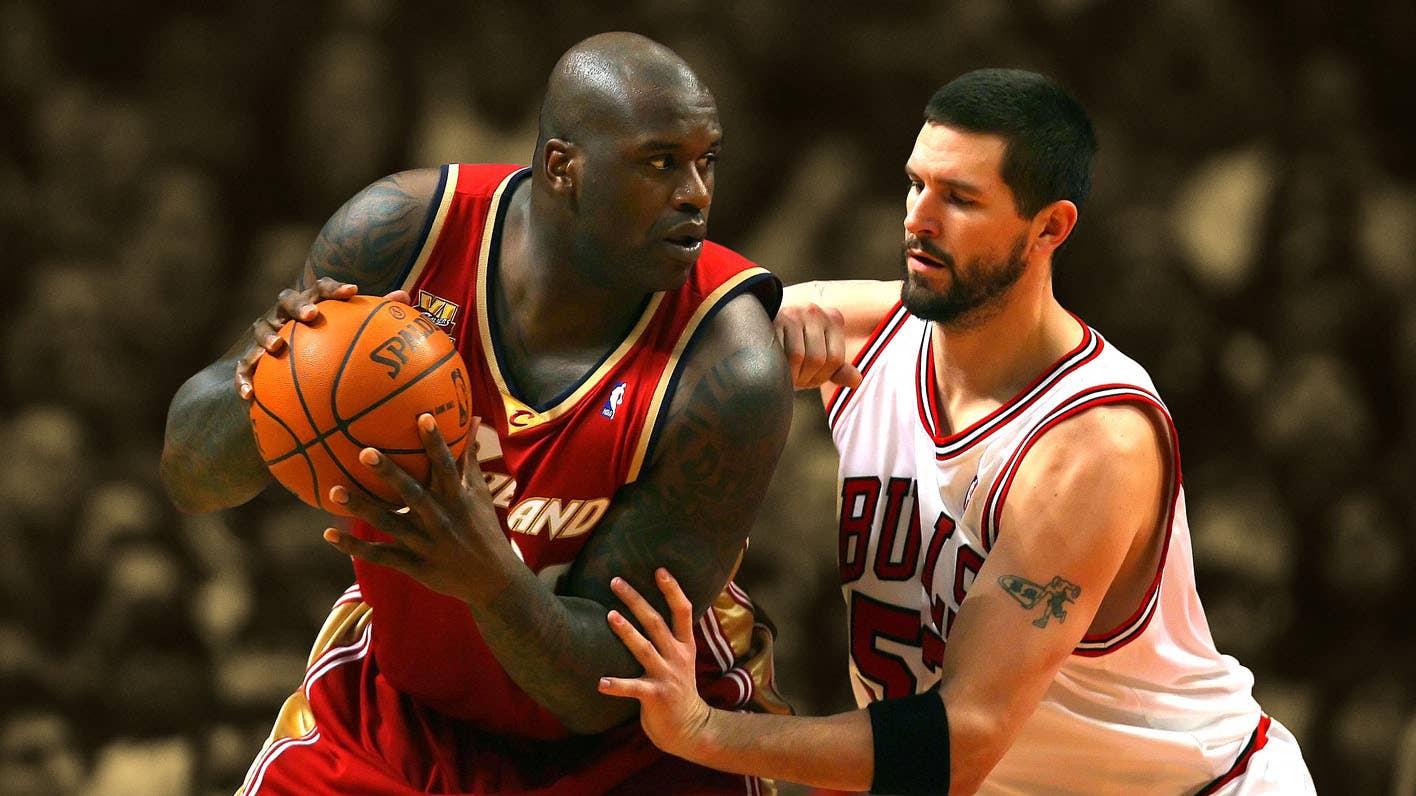
Despite his finesse skills, Miller never shied away from the physical demands of the era. He is famously remembered for his on-court altercation with Shaquille O'Neal in 2002. While he wasn't a shot-blocker in the traditional sense, his positional defense and willingness to take charges made him a vital part of a team's defensive structure.
Career Earnings and Financial Portfolio in 2026
Brad Miller's financial success is a testament to both his longevity and his savvy management of professional earnings. Over his 14 seasons, he earned approximately $91,246,121 in NBA salary alone.
| Season | Team | Salary (Approx.) |
|---|---|---|
| 1998-1999 | Charlotte Hornets | $509,000 |
| 2001-2002 | Chicago Bulls | $3,750,000 |
| 2003-2004 | Sacramento Kings | $6,375,000 |
| 2008-2009 | Sacramento/Chicago | $11,375,000 |
| 2011-2012 | Minnesota Timberwolves | $4,750,000 |
| Total Career | Various | ~$91,246,121 |
As of 2026, his net worth is estimated at $55 million. This figure accounts for:
- Investment Portfolios: Miller has historically favored conservative wealth management, focusing on real estate and diversified index funds.
- Outdoor Ventures: A lifelong hunting enthusiast, Miller founded Country Boys Outfitter and has been involved in several outdoor-themed media projects. These businesses have capitalized on his "everyman" persona and his deep roots in the Midwest.
- Endorsements and Appearances: While not a global marketing icon like LeBron James, Miller maintains steady income through regional endorsements in Indiana and California, as well as alumni appearances for the Sacramento Kings and Purdue University.
Legacy in the Modern NBA
In 2026, we see the "Brad Miller Effect" in almost every championship-contending team. The rise of Nikola Jokic, Domantas Sabonis, and Alperen Şengün can be traced back to the blueprint Miller helped refine.
The Prototype for Nikola Jokic
While Nikola Jokic has taken the "passing big man" concept to an MVP level, the NBA's realization that a center could be the primary playmaker began with players like Miller and Vlade Divac. Miller proved that you don't need elite verticality to dominate a game if you possess elite processing speed and spatial awareness.
Cultural Impact: The Undrafted Hero
Miller remains a beacon of hope for undrafted players. He demonstrated that the draft is not the final word on a player's ceiling. His career path—starting in Italy and ending as a multi-millionaire All-Star—is frequently cited by scouts and coaches when discussing the importance of developmental leagues and international experience.
Life After the Buzzer: The Great Outdoors
Since retiring in 2012, Brad Miller has largely stepped away from the traditional coaching or broadcasting paths chosen by his peers. Instead, he returned to his roots. In 2026, he is as well-known in the hunting community as he is in the basketball world.
His brand, often associated with his "Country Boys" moniker, focuses on land conservation and ethical hunting practices. He has hosted outdoor television segments and remains an active figure in the Kendallville community. This "second act" has contributed significantly to his personal satisfaction and his continued financial stability, proving that there is a lucrative life beyond the hardwood for those who plan ahead.
Key Statistical Milestones and Comparison
To fully grasp the scope of his 14-year tenure, it is helpful to view his career through the lens of efficiency and longevity.
- Games Played: 868
- Career Points: 9,732
- Career Rebounds: 6,199
- Career Assists: 2,412
- All-Star Appearances: 2 (2003, 2004)
Miller's ability to stay relevant across different eras—from the physical 90s style to the burgeoning pace-and-space era of the late 2000s—is a testament to his adaptability.
Frequently Asked Questions
Was Brad Miller ever an All-Star?
Yes, Brad Miller was selected as an NBA All-Star twice in his career. His first selection came in 2003 while playing for the Indiana Pacers, and his second came in 2004 as a member of the Sacramento Kings. He was notable for being the first undrafted player to make an All-Star team.
What is Brad Miller’s net worth in 2026?
Brad Miller’s net worth in 2026 is estimated to be approximately $55 million. This is the result of over $91 million in NBA career earnings, wise financial investments, and his successful business ventures in the hunting and outdoor industry.
Which NBA teams did Brad Miller play for?
Throughout his 14-year career, Miller played for the Charlotte Hornets, Chicago Bulls, Indiana Pacers, Sacramento Kings, Houston Rockets, and Minnesota Timberwolves. He is most remembered for his highly successful stint with the Sacramento Kings during their "Greatest Show on Court" era.
How did Brad Miller change the way the center position is played?
Miller was a pioneer of the "point center" role. By playing from the high post and using his elite passing ability to find cutters, he forced opposing centers to defend the perimeter. This opened up the floor for his teammates and served as a precursor to the versatile, playmaking centers seen in the NBA today, such as Nikola Jokic.
Why was Brad Miller undrafted?
Despite a stellar career at Purdue, Miller was overlooked in the 1998 NBA Draft due to concerns about his athleticism and whether his finesse-based game would translate to the more physical NBA of the late 90s. He used this as motivation to excel in Europe and eventually earn a spot in the league.
Final Recommendation for Fans and Analysts
For those looking to understand the evolution of the NBA, studying Brad Miller's game films from the 2003-2005 Sacramento Kings era is essential. Analysts should focus on his positioning at the "elbow" and his timing on hand-offs and backdoor passes. For aspiring big men who may lack elite jumping ability, Miller provides the definitive roadmap for using intelligence, passing, and shooting to achieve All-Star status.