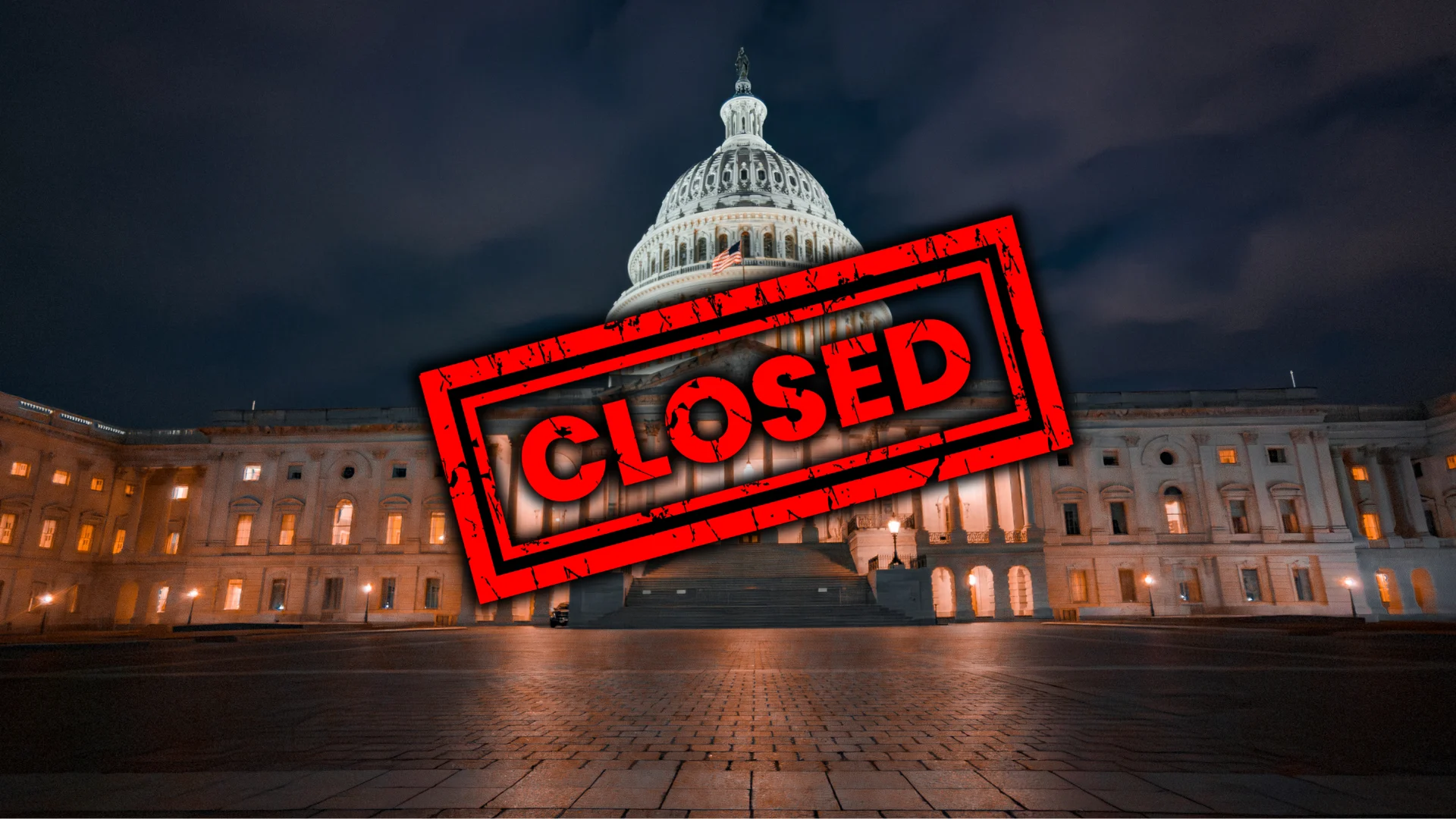
The 2025 government shutdown refers to the lapse in federal appropriations that occurred during the fiscal transition period, resulting in the temporary suspension of non-essential government services. This period of legislative impasse halted funding for various federal agencies, impacted civilian employee pay, and triggered a series of contingency operations designed to manage national resources until a new budget agreement was reached.
The Legislative Mechanics of a Federal Shutdown
A government shutdown occurs when the United States Congress fails to pass, and the President fails to sign, appropriations legislation for the upcoming fiscal year or a temporary continuing resolution (CR). The federal fiscal year begins on October 1 and ends on September 30. If appropriations are not enacted by the start of the fiscal year, agencies that lack permanent, multi-year, or "no-year" funding must cease operations, except for those categorized as performing essential functions.
The 2025 event was defined by the intersection of complex budgetary negotiations and the expiration of temporary funding mechanisms. Unlike a total cessation of all government activity, a shutdown creates a bifurcated system. "Excepted" employees—those whose roles involve the protection of life and property or are funded by permanent, indefinite appropriations—continue to work. "Non-excepted" personnel are placed on furlough, meaning they are placed in a non-pay, non-duty status.
Impact on Federal Operations and Workforce
The operational impact of the 2025 shutdown was felt unevenly across the federal landscape. The primary distinction during this period was the status of employees and the continuity of essential services versus discretionary programs.
Essential vs. Non-Excepted Services
Agencies maintained a high degree of variance in their operational status. Agencies funded through mandatory spending programs, such as Social Security and Medicare, remained largely operational because their funding is provided by authorizing legislation rather than annual appropriations. Conversely, agencies reliant on discretionary spending, such as the Department of the Interior, the Environmental Protection Agency (EPA), and various parts of the Department of Justice, experienced significant scale-backs.
Employee Compensation and Furloughs
One of the most consequential aspects of the 2025 shutdown for the federal workforce was the uncertainty surrounding compensation. Historically, Congress has passed "back pay" legislation following a shutdown to ensure that furloughed employees are compensated for the time they were forced to remain off the job. In 2025, employees faced the immediate financial burden of missed paychecks, which necessitated careful personal financial management, such as the utilization of emergency savings or the temporary suspension of non-essential financial commitments.
Comparative Overview of Shutdown Impacts
The following table summarizes how different sectors of the federal government typically manage, or were impacted by, the lapse in appropriations during the 2025 period.
| Sector | Funding Type | Operational Status | Key Consideration |
|---|---|---|---|
| Social Security | Mandatory | Active | Funded by separate trust funds. |
| National Defense | Annual Appropriation | Mixed | Some operations continue under "essential" status. |
| National Parks | Discretionary | Limited | Many parks closed; some remained open with reduced staff. |
| IRS Services | Discretionary | Limited | Audits and non-essential processing were suspended. |
| Mail Services | Revenue-based | Active | Funded by postage and service revenue. |
Financial and Economic Consequences
The macroeconomic impact of the 2025 shutdown was multifaceted. While a short-term lapse in funding often has a muted effect on the overall GDP, extended durations contribute to economic volatility. The uncertainty surrounding federal contracts often causes ripple effects throughout the private sector. Contractors providing services to the federal government frequently find themselves in a precarious position, as their reimbursement relies on the underlying agency's appropriation status. Unlike federal employees, contractors are not guaranteed back pay by statute, making them particularly vulnerable to the timing of legislative resolutions.
Furthermore, the shutdown influenced consumer sentiment and market confidence. The anticipation of a prolonged standoff typically leads to a "wait and see" approach in business investment, as entities involved in government procurement wait for the resolution of the fiscal impasse before committing to new capital expenditures or hiring cycles.
Navigating Legal and Administrative Requirements
For individuals and businesses interacting with federal agencies, the 2025 shutdown presented a series of navigational challenges. The primary advice provided by regulatory bodies during the period was to monitor official agency websites—such as those hosted under the .gov domain—for specific contingency plans.
Essential Actions During a Lapse
- Verify Agency Status: Before traveling to a federal facility or submitting time-sensitive documentation, check the agency’s official website for updated operational guidance.
- Document Interactions: Maintain records of all correspondence or application attempts made during the shutdown, as these may be required to resolve backlogs once the agency returns to full capacity.
- Financial Planning: Federal employees and contractors were encouraged to contact their financial institutions regarding potential hardship programs if they were facing liquidity issues due to the lack of salary disbursements.
Troubleshooting Delayed Services
Many individuals experienced delays in permit processing, passport renewals, and federal grant distributions. The standard procedure for troubleshooting these delays is to wait until the agency resumes normal operations, as "non-excepted" staff are generally prohibited from accessing official email or work systems during their furlough period. Attempting to bypass these restrictions by contacting non-relevant departments is rarely effective and may contribute to administrative backlogs post-shutdown.
Frequently Asked Questions
Did the 2025 government shutdown stop the mailing of Social Security checks?
No. Social Security and Medicare programs are funded through mandatory spending and trust funds that are not subject to annual appropriations cycles. Therefore, benefit payments continued to be processed and distributed without interruption during the 2025 lapse.
Are federal contractors entitled to back pay after a shutdown?
Unlike federal civilian employees, federal contractors do not have a statutory right to back pay. Compensation for contractors is subject to the specific terms of their contracts with the federal government. Companies often have to negotiate with the contracting agency after the shutdown to determine if costs incurred during the shutdown period are reimbursable.
How did the 2025 shutdown affect National Parks?
The impact on National Parks was inconsistent. While many parks remained "open" to visitors, the reduction in staffing meant that maintenance, visitor centers, and custodial services were suspended. This often led to site-specific closures for safety reasons or to prevent environmental degradation due to a lack of oversight.
What is the difference between an "excepted" and "non-excepted" employee?
Excepted employees perform functions that are either authorized by law or are essential to the protection of life and property. Non-excepted employees do not meet these criteria and must be furloughed until an appropriations bill is signed into law.
Can I file a federal lawsuit during a government shutdown?
Federal courts generally remain open during a shutdown, as they are often funded through multi-year appropriations or fee-based revenues. However, the Department of Justice’s ability to represent the government in litigation may be restricted, potentially causing delays in cases where the government is a party.
Practical Guidance for Future Fiscal Uncertainty
Understanding the 2025 government shutdown serves as a blueprint for managing the reality of federal fiscal cycles. For citizens, the most effective strategy is to stay informed through official government announcements and to avoid relying on third-party news speculation, which often lacks the nuance of specific agency contingency plans.
If your personal or business financial health is tethered to federal funding, prioritize the creation of a liquidity buffer that can sustain you through a 14-to-30-day disruption. Maintaining comprehensive records of all pending federal applications or communications is essential to ensure that, upon the resumption of full government functions, your requests can be processed with minimal delay. In cases of extreme financial distress, federal employees and contractors should consult their HR departments or union representatives regarding guidance on navigating the immediate aftermath of a lapse in appropriations.