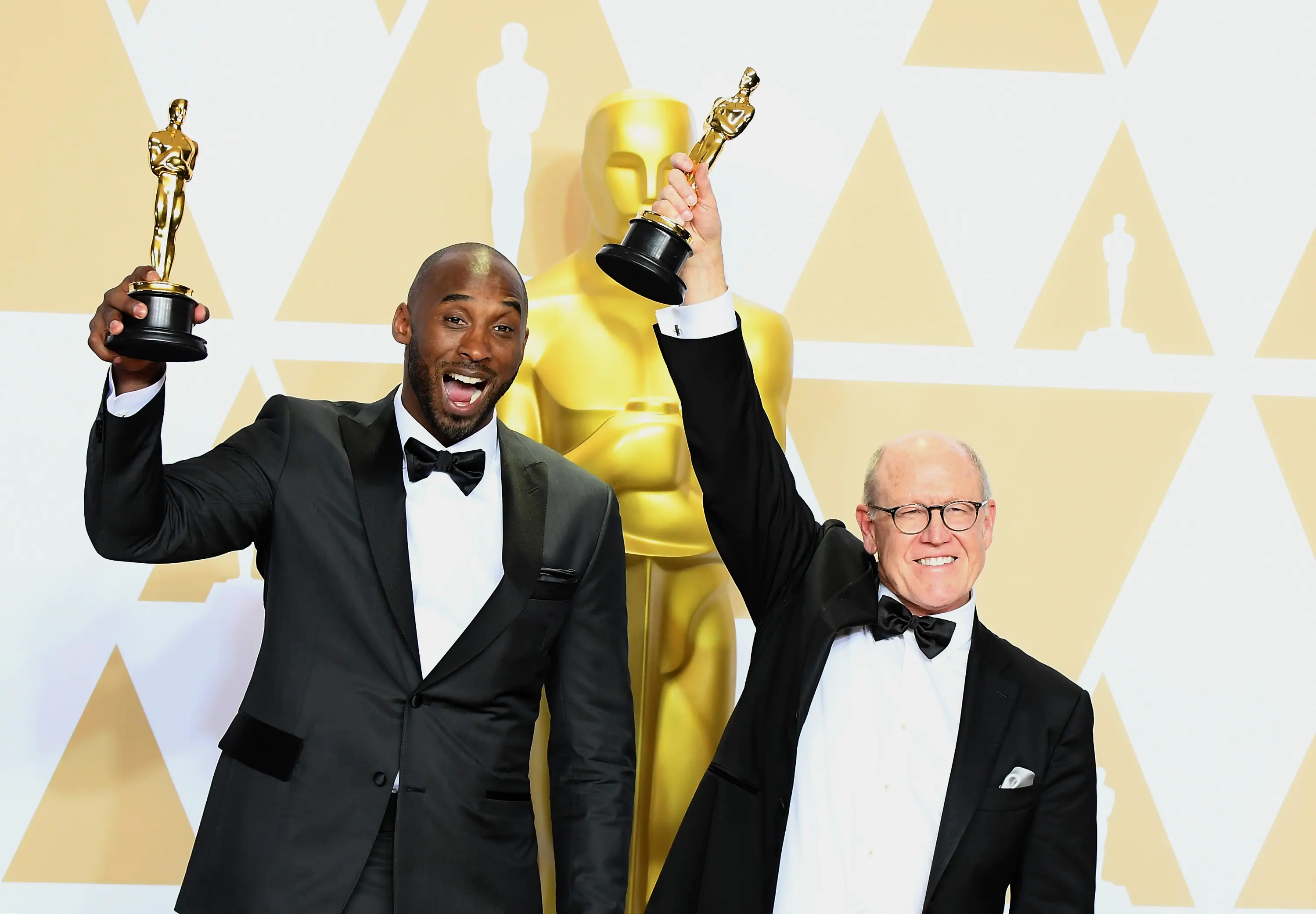
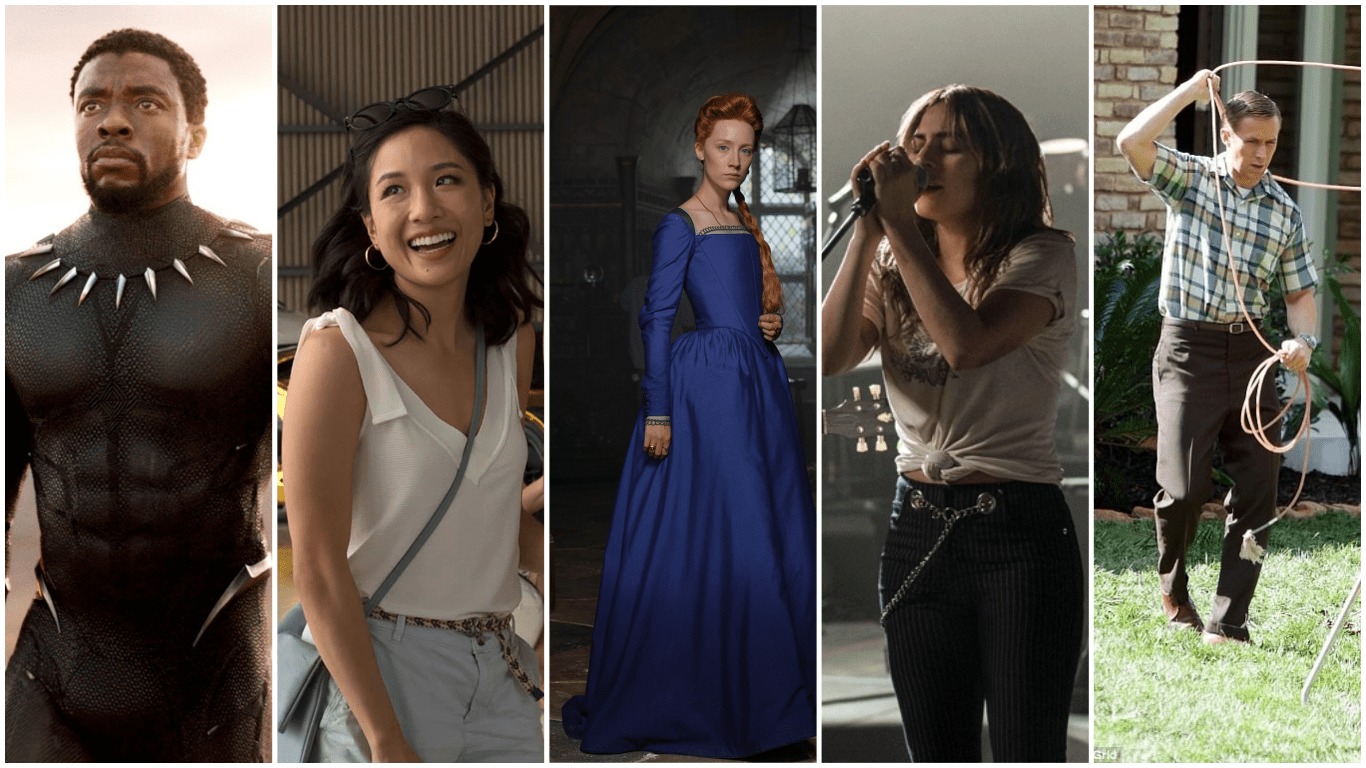
The 91st Academy Awards, held in 2019, saw Green Book win the prestigious Best Picture award among a field of eight nominees including Roma, Black Panther, and The Favourite. The ceremony was notable for having no official host and for crowning Rami Malek and Olivia Colman as top acting winners.
The 2019 Oscars, looking back from the vantage point of 2026, represent a significant pivot point in the history of the Academy of Motion Picture Arts and Sciences (AMPAS). It was a year defined by the collision of traditional studio filmmaking and the disruptive rise of global streaming platforms, alongside a push for broader cultural representation. The ceremony, held on February 24, 2019, at the Dolby Theatre in Hollywood, remains a frequent subject of study for film historians and cinephiles alike due to its surprising "no-host" format and the polarizing reception of its top prize.
The 91st Academy Awards: Historical Context and Overview
The path to the 2019 Oscars was paved with unprecedented logistical challenges and cultural shifts. Following the withdrawal of the originally intended host, the Academy decided to proceed without a central emcee for the first time since 1989. This experiment was largely deemed a success at the time, resulting in a faster-paced telecast that relied on various presenters to carry the momentum.
From a cinematic standpoint, the 2019 race was a battle between the "old guard" of Hollywood storytelling and the "new wave" of international and streaming-first cinema. Netflix secured its first-ever Best Picture nomination with Alfonso Cuarón’s Roma, a black-and-white, Spanish-language masterpiece that challenged the industry’s theatrical-window traditions. Simultaneously, the inclusion of Black Panther marked the first time a superhero film from the Marvel Cinematic Universe (MCU) contended for the industry’s highest honor, signaling a major shift in how the Academy perceived blockbuster genre films.
Best Picture Nominees: Analysis of the 2019 Contenders
The eight films nominated for Best Picture in 2019 offered a diverse cross-section of genres, from period dramedies to musical biopics and intense political satires. Understanding the "Why" behind their nominations provides insight into the Academy's mindset during this era.
Green Book (Winner)
Directed by Peter Farrelly, Green Book told the story of a working-class Italian-American bouncer (played by Viggo Mortensen) who becomes the driver for an African-American classical pianist (played by Mahershala Ali) on a tour through the 1960s American South. While it won the top prize, it was a controversial victor. Critics argued it leaned too heavily on the "white savior" trope, while supporters praised its message of friendship and cross-cultural understanding. Its win solidified the Academy's lingering preference for traditional, crowd-pleasing narratives.
Roma
Alfonso Cuarón’s semi-autobiographical tribute to his childhood in Mexico City was widely considered the technical frontrunner. As a black-and-white film with no professional actors in several lead roles, it was a triumph of cinematography and sound design. Its nomination was a watershed moment for international cinema, proving that a non-English language film could be a serious contender for the top prize—a feat that Parasite would eventually accomplish a year later.
Black Panther
Ryan Coogler’s Black Panther was more than a movie; it was a cultural phenomenon. It shattered the myth that diverse casts could not lead a global blockbuster. The Academy recognized it not just for its box office success, but for its meticulous world-building (Wakanda), its sophisticated exploration of isolationism versus globalism, and its top-tier technical execution in costume and production design.
The Favourite
Yorgos Lanthimos brought his signature surrealist and cynical style to 18th-century England. Featuring a powerhouse trio of performances by Olivia Colman, Emma Stone, and Rachel Weisz, the film was a biting subversion of the typical "costume drama." It focused on the power dynamics and sexual politics within the court of Queen Anne, earning critical acclaim for its sharp script and unconventional cinematography.
A Star Is Born
Bradley Cooper’s directorial debut was the fourth major film adaptation of this classic story. Featuring a raw and vulnerable performance by Lady Gaga, the film was a massive hit that balanced intimate character study with grand musical spectacle. It was a favorite among those who appreciated the "Hollywood about Hollywood" archetype, and its hit song "Shallow" became the defining anthem of the awards season.
Bohemian Rhapsody
Despite a tumultuous production process, this Freddie Mercury biopic was an enormous commercial success. While critics were divided on its historical accuracy and editing, Rami Malek’s transformative performance as the Queen frontman was undeniable. Its nomination reflected the power of audience-driven hits in influencing the Academy’s voting body.
BlacKkKlansman
Spike Lee returned to the Oscar stage with this incredible true story of a Black police officer who infiltrated the Ku Klux Klan in the 1970s. The film was praised for its stylistic flair and its unflinching connection between historical racism and modern-day political movements. It was seen as a long-overdue recognition of Lee’s contributions to American cinema.
Vice
Adam McKay followed up The Big Short with this experimental biopic of former Vice President Dick Cheney. Using meta-commentary and non-linear storytelling, the film explored the nature of political power. Christian Bale’s physical transformation into Cheney was a highlight, though the film’s divisive tone made it a "love it or hate it" entry in the Best Picture race.
The Full Winners List of the 2019 Oscars (91st Academy Awards)
Below is the comprehensive list of winners for the 91st Academy Awards. This table provides a quick reference for the primary victors across all competitive categories.
| Category | Winner | Work |
|---|---|---|
| Best Picture | Jim Burke, Charles B. Wessler, Brian Currie, Peter Farrelly, and Nick Vallelonga | Green Book |
| Directing | Alfonso Cuarón | Roma |
| Actor in a Leading Role | Rami Malek | Bohemian Rhapsody |
| Actress in a Leading Role | Olivia Colman | The Favourite |
| Actor in a Supporting Role | Mahershala Ali | Green Book |
| Actress in a Supporting Role | Regina King | If Beale Street Could Talk |
| Original Screenplay | Nick Vallelonga, Brian Currie, and Peter Farrelly | Green Book |
| Adapted Screenplay | Charlie Wachtel, David Rabinowitz, Kevin Willmott, and Spike Lee | BlacKkKlansman |
| Animated Feature Film | Bob Persichetti, Peter Ramsey, Rodney Rothman, Phil Lord, and Christopher Miller | Spider-Man: Into the Spider-Verse |
| Foreign Language Film | Mexico | Roma |
| Documentary Feature | Elizabeth Chai Vasarhelyi, Jimmy Chin, Evan Hayes, and Shannon Dill | Free Solo |
| Original Score | Ludwig Göransson | Black Panther |
| Original Song | Lady Gaga, Mark Ronson, Anthony Rossomando, and Andrew Wyatt | "Shallow" (A Star Is Born) |
| Film Editing | John Ottman | Bohemian Rhapsody |
| Cinematography | Alfonso Cuarón | Roma |
| Production Design | Hannah Beachler and Jay Hart | Black Panther |
| Costume Design | Ruth E. Carter | Black Panther |
| Makeup and Hairstyling | Greg Cannom, Kate Biscoe, and Patricia Dehaney | Vice |
| Sound Mixing | Paul Massey, Tim Cavagin, and John Casali | Bohemian Rhapsody |
| Sound Editing | John Warhurst and Nina Hartstone | Bohemian Rhapsody |
| Visual Effects | Paul Lambert, Ian Hunter, Tristan Myles, and J.D. Schwalm | First Man |
Notable Milestones and Technical Breakdown
The 2019 ceremony was not just about the winners; it was about the records broken and the technical standards set.
The No-Host Experiment
After Kevin Hart stepped down following controversy over past tweets, the Academy opted for a hostless format. This was a significant gamble that paid off in the short term. The show opened with a high-energy performance by Queen + Adam Lambert and maintained a brisk pace. In 2026, we look back at this as the catalyst for several years of hostless or "multi-host" ceremonies, as the Academy struggled to find a single figure capable of navigating the modern scrutiny of the role.
Milestone Wins for Representation
- Hannah Beachler became the first African American to win (and be nominated) for Best Production Design for her work on Black Panther.
- Ruth E. Carter became the first African American to win for Best Costume Design.
- Mahershala Ali won his second Supporting Actor Oscar in three years, joining an elite group of actors with multiple wins in a short span.
- Spike Lee won his first competitive Oscar (Best Adapted Screenplay) after decades of influential work.
The Technical Dominance of Bohemian Rhapsody and Roma
While Green Book took the top prize, Bohemian Rhapsody actually walked away with the most trophies of the night (four), primarily in the technical categories of Sound and Editing. Roma and Black Panther followed closely with three wins each. This distribution highlighted a split Academy: one that rewarded "craft" and technical innovation in certain films while reserving the narrative awards for more traditional storytelling.
Long-Term Impact and Critical Legacy
Looking back from 2026, the 2019 Oscars are often cited as the end of an era. It was the last ceremony before the COVID-19 pandemic disrupted the film industry in 2020, and it was the year that solidified streaming services as permanent, dominant players in the awards landscape.
The win for Green Book continues to be debated in film schools. It is often compared to the 2006 win of Crash over Brokeback Mountain—a case where the Academy chose a safer, more conventional film over a more critically acclaimed or "groundbreaking" alternative like Roma. However, the 2019 list of nominees as a whole is praised for its variety. The inclusion of Spider-Man: Into the Spider-Verse (Best Animated Feature) also marked a turning point in how "superhero" animation was perceived, pushing the boundaries of the medium’s visual language.
Frequently Asked Questions
Why did the 2019 Oscars have no host?
The 2019 ceremony went hostless after the initial choice, comedian Kevin Hart, withdrew following a controversy regarding past social media posts. Rather than finding a last-minute replacement, the Academy decided to use a rotating cast of presenters to introduce segments, a move that resulted in the fastest-running telecast in years.
Was Roma the first Netflix film to be nominated for Best Picture?
Yes, Roma was the first film produced and distributed by a streaming service (Netflix) to receive a Best Picture nomination. While it did not win the top prize, it won Best Director, Best Foreign Language Film, and Best Cinematography, proving that streaming films were now top-tier contenders.
How many Oscars did Black Panther win in 2019?
Black Panther won three Academy Awards: Best Costume Design, Best Production Design, and Best Original Score. It was a historic night for the film, as it was the first Marvel Studios film to win an Oscar and the first superhero movie ever nominated for Best Picture.
Who won Best Actress in 2019, and was it an upset?
Olivia Colman won Best Actress for her role as Queen Anne in The Favourite. Many considered it a significant upset, as Glenn Close was the heavy favorite to win for The Wife. Colman’s humorous and humble acceptance speech became one of the most memorable moments of the night.
What was the controversy surrounding Green Book's win?
The controversy stemmed from several factors: criticisms from the family of Dr. Don Shirley (the pianist portrayed in the film) regarding the accuracy of the friendship depicted, and broader cinematic critiques that the film utilized a "white savior" narrative to simplify complex racial issues for a general audience.
Next Actions for Film Enthusiasts
To truly appreciate the 151 minutes of cinematic history that was the 91st Academy Awards, viewers should seek out the "Best Picture" nominees on current streaming platforms. Watching Roma and Green Book back-to-back provides an excellent study in the two different directions the Academy was pulled in 2019. Furthermore, exploring the technical achievement of Spider-Man: Into the Spider-Verse provides context for the evolution of animation that has occurred between 2019 and 2026.
For official records and archival footage of the acceptance speeches, the official Oscars website remains the primary source for verified historical data.