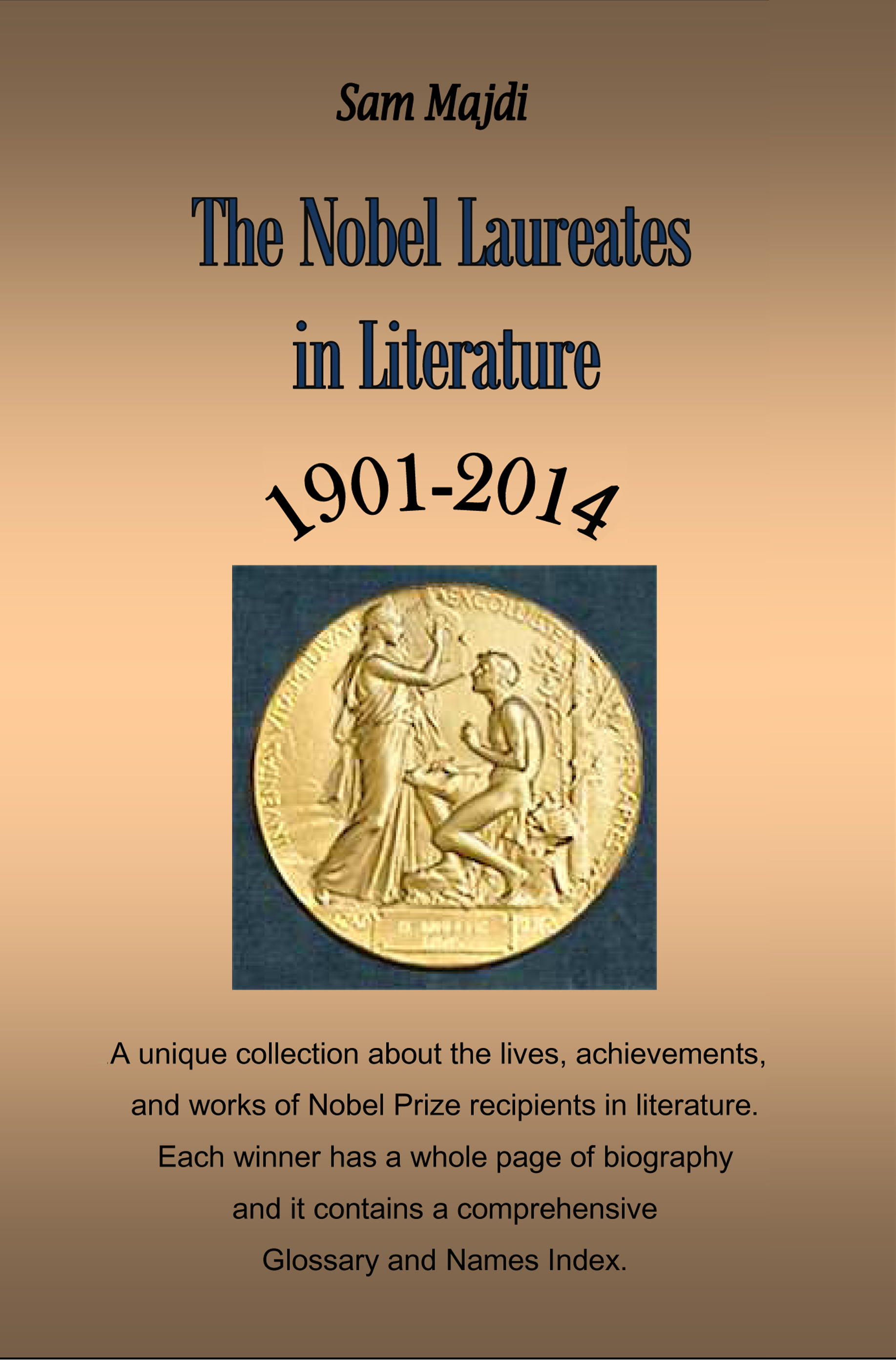
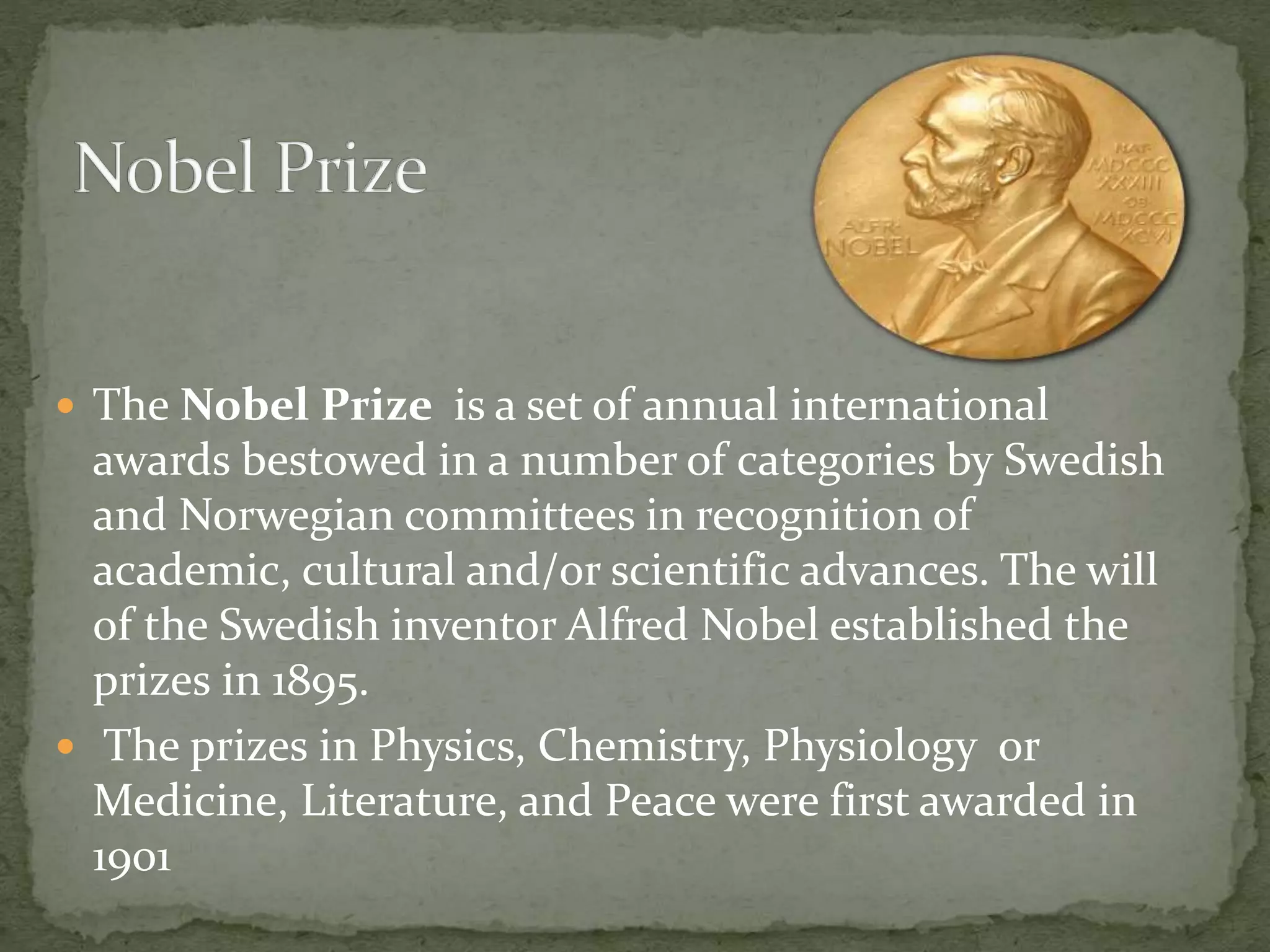
The Nobel Prizes, established by the will of Alfred Nobel, were awarded for the first time in 1901. This inaugural ceremony honored visionaries in physics, chemistry, physiology or medicine, literature, and peace. These five pioneers set the standard for scientific, humanitarian, and artistic achievement that the Nobel Foundation has maintained for over a century, cementing these awards as the premier global recognition of intellectual and moral contribution.
The Origin and Vision of the Nobel Prizes
Alfred Nobel, a Swedish chemist and engineer renowned for his invention of dynamite, underwent a profound shift in how he wished to be remembered. Upon reading a premature obituary in 1888 that labeled him a "merchant of death," he redrafted his last will and testament to dedicate his massive fortune toward rewarding those who had "conferred the greatest benefit to humankind."
When the Nobel Foundation was established and the first prizes were distributed in 1901, they arrived at a time of rapid industrialization and scientific curiosity. The criteria were specific: the prizes were to be awarded annually, regardless of nationality, to the most deserving individuals. The 1901 cohort was selected by the Royal Swedish Academy of Sciences, the Karolinska Institute, and the Norwegian Nobel Committee, effectively creating a transnational network of excellence that challenged the geopolitical silos of the early 20th century.
The Inaugural Laureates: A Breakdown of Fields
In 1901, the prize amounts were substantial, roughly 150,000 Swedish kronor per category, providing the winners with the financial stability to continue their research and projects. The diversity of the winners reflected the breadth of human endeavor Nobel sought to champion.
Physics: Wilhelm Conrad Röntgen
Wilhelm Conrad Röntgen was the first recipient of the Nobel Prize in Physics. His discovery of X-rays (which he termed "Röntgen rays") revolutionized medical diagnosis and material analysis. Working at the University of Würzburg, he captured the first internal image of a human body, a discovery that remains a cornerstone of modern diagnostic imaging in 2026. His work demonstrated the immense potential for applying physics to solve practical problems, a theme that would define the Physics prize for decades to come.
Chemistry: Jacobus Henricus van 't Hoff
The Chemistry prize was awarded to Jacobus Henricus van 't Hoff for his contributions to chemical thermodynamics and the laws of chemical dynamics. His research into osmotic pressure and the behavior of solutions bridged the gap between physical chemistry and classical chemistry. By establishing that physical laws govern chemical reactions, he fundamentally altered how chemists approached molecular structures and chemical equilibrium.
Physiology or Medicine: Emil von Behring
Emil von Behring received the first Nobel Prize in Physiology or Medicine for his groundbreaking research into serum therapy, specifically its application against diphtheria. By discovering how to confer immunity against toxins, he provided a blueprint for future immunological treatments. His work transitioned medicine from a descriptive discipline into an active, interventionist science capable of saving millions of lives through vaccination and antitoxin development.
Literature: Sully Prudhomme
The French poet and essayist Sully Prudhomme was the inaugural recipient of the Nobel Prize in Literature. His work was characterized by a synthesis of scientific inquiry and poetic idealism. While his name is less familiar to contemporary audiences than subsequent winners like T.S. Eliot or Toni Morrison, his recognition in 1901 validated the Academy’s mandate to honor writers who produced "in an ideal direction" works of great distinction.
Peace: Jean Henry Dunant and Frédéric Passy
The Peace Prize was split between two men who embodied the humanitarian spirit of the era. Jean Henry Dunant was the founder of the Red Cross and the driving force behind the Geneva Convention. His efforts established the international framework for protecting non-combatants during war. Sharing the prize was Frédéric Passy, a prominent French economist and a founding figure in the international peace movement. Together, they emphasized that peace was not merely the absence of conflict but an active, structured commitment to international cooperation.
Summary Table of the 1901 Nobel Prizes
| Field | Laureate | Key Contribution |
|---|---|---|
| Physics | Wilhelm Conrad Röntgen | Discovery of X-rays |
| Chemistry | Jacobus Henricus van 't Hoff | Laws of chemical dynamics/osmotic pressure |
| Medicine | Emil von Behring | Serum therapy for diphtheria |
| Literature | Sully Prudhomme | Poetic compositions of "idealism" |
| Peace | Jean Henry Dunant | Founder of the Red Cross |
| Peace | Frédéric Passy | International arbitration and peace congresses |
The Selection Process and Its Evolution
The rigorous selection process used in 1901 remains the bedrock of the Nobel system in 2026. It involves a confidential nomination phase where thousands of qualified individuals—including university professors, previous laureates, and members of national assemblies—submit names.
In the inaugural year, the process was handled with a degree of secrecy that has only intensified. The Nobel Committee members evaluate the nominations based on the impact, reliability, and novelty of the work. While the 1901 awards were criticized in some corners for their European-centric focus, the committees have spent the subsequent 125 years broadening the reach of the prizes to ensure they truly represent global achievement.
Why the 1901 Laureates Matter Today
For the modern observer, studying the 1901 laureates provides context for the current state of human knowledge. Each of these recipients addressed a "frontier" issue of their time:
- Physics: Unseen waves and the internal anatomy of humans.
- Chemistry: The physical behavior of molecules in solution.
- Medicine: The chemical foundations of immunity.
- Literature: The philosophical integration of nature and morality.
- Peace: The institutionalization of humanitarian aid.
These 1901 winners did not work in isolation; they built upon the Enlightenment ideals of the 19th century and effectively handed the baton to the scientists and thinkers of the 20th century. By looking back at these laureates, we see that the challenges humanity faces—communicable diseases, the necessity of peaceful diplomacy, and the need to understand the fundamental laws of nature—remain consistent, even as our tools to address them evolve.
Frequently Asked Questions
Who funded the Nobel Prizes in 1901? The prizes were funded by the fortune of Alfred Nobel. He left the majority of his wealth in a trust specifically to be invested in "safe securities," the interest from which would fund the annual prizes. This endowment continues to support the Nobel Foundation in 2026.
Were there any 1901 categories missing? Yes. The Nobel Memorial Prize in Economic Sciences was not part of the original five categories. It was established much later, in 1968, by the Sveriges Riksbank in memory of Alfred Nobel.
Did any women win a Nobel Prize in 1901? No women were awarded a Nobel Prize in 1901. The first woman to win a Nobel Prize was Marie Curie, who received the Physics prize in 1903.
Can a Nobel Prize be awarded posthumously? According to the current statutes of the Nobel Foundation, the prize cannot be awarded posthumously unless the death occurs after the announcement of the laureate. In 1901, the rules were similarly stringent regarding the living status of the recipients.
Why were two people awarded the Peace Prize in 1901? The Nobel Foundation allows for a prize to be shared if there are two or more individuals whose work is closely linked or equally significant. In 1901, the committee determined that both Dunant’s humanitarian aid work and Passy’s political advocacy for arbitration were essential to the advancement of world peace.
Moving Forward with the Nobel Legacy
The 1901 Nobel laureates serve as a baseline for measuring the trajectory of intellectual advancement. As you explore the history of these prizes, consider how their specific contributions shaped the fields we rely on today. Whether you are researching for academic purposes or personal interest, the original 1901 list remains the best starting point for understanding how humanity began to formally recognize and reward excellence on a global scale.
If you are conducting further research, focus on the original nomination archives, which have become partially available for historical review, providing an unparalleled look into how the first Nobel Committee weighed the merits of the candidates who defined the turn of the 20th century.