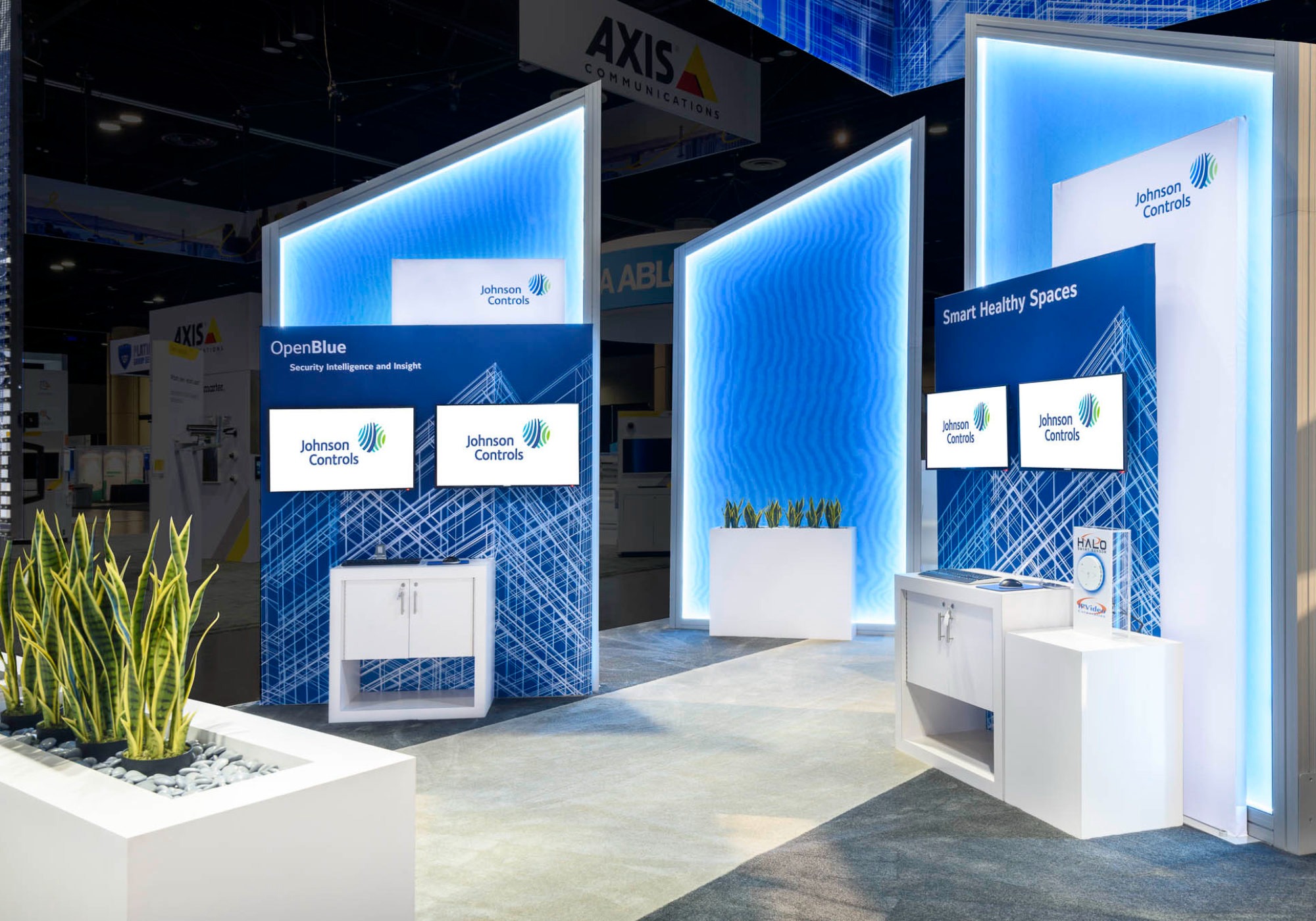
Johnson Controls International plc (JCI) is a global leader in smart, healthy, and sustainable building technologies, providing integrated solutions across HVAC, fire safety, security, and building automation. As of 2026, the company operates as a specialized "pure-play" provider, leveraging its OpenBlue digital platform to help organizations achieve net-zero emissions, optimize energy consumption, and improve occupant safety through AI-driven insights and connected infrastructure.
The Evolution of Johnson Controls: From Thermostats to Smart Cities
The history of Johnson Controls is inextricably linked to the invention of the electric room thermostat by Professor Warren Johnson in 1883. This single innovation laid the groundwork for the modern building controls industry. Over the next 140 years, the company transformed from a regional controls manufacturer in Milwaukee into a multi-billion-dollar global enterprise.
A pivotal moment in the company's modern history was the 2016 merger with Tyco International. This strategic move combined Johnson Controls’ expertise in HVAC and building automation with Tyco’s dominant position in fire protection and security systems. By 2026, the integration of these capabilities has solidified JCI’s role as an architect of the "smart building" ecosystem.
In recent years, the company has undergone a significant portfolio simplification. By divesting non-core assets—most notably the 2016 spinoff of its automotive seating business (Adient) and the 2019 sale of its Power Solutions business—Johnson Controls has focused entirely on the built environment. This focus is driven by the global imperative to decarbonize buildings, which are responsible for approximately 40% of global greenhouse gas emissions.
Core Business Segments and Specialized Solutions
Johnson Controls organizes its operations into several key segments, each addressing specific aspects of building management. Understanding these segments is vital for facility managers, developers, and investors looking to evaluate JCI’s market impact.
Building Automation and Controls
The cornerstone of JCI’s technology stack is the Metasys Building Automation System (BAS). Metasys acts as the "brain" of a facility, integrating diverse systems—lighting, HVAC, power, and security—into a single, cohesive interface.
- Interoperability: Utilizing protocols like BACnet, LonWorks, and Modbus, these systems allow legacy equipment to communicate with modern sensors.
- Operational Efficiency: By automating schedules and responding to real-time occupancy data, these controls significantly reduce energy waste.
HVAC Equipment and Systems
Through iconic brands such as York, Johnson Controls provides a wide range of heating, ventilation, and air conditioning solutions. In 2026, the focus has shifted heavily toward electrification and the adoption of low-Global Warming Potential (GWP) refrigerants.
- Chillers and Air Handling Units (AHUs): Used in large-scale commercial applications, York chillers are known for their magnetic-bearing technology, which reduces friction and maintenance costs.
- Heat Pumps: JCI has expanded its industrial heat pump offerings to replace traditional boilers, allowing facilities to move away from fossil fuel combustion for space heating.
Fire and Security Solutions
The Tyco heritage lives on through brands like Simplex, Grinnell, and Ansul. These systems are no longer standalone alarms but are integrated into the broader building network.
- Fire Detection and Suppression: Advanced sensors can distinguish between actual smoke and harmless particulates, reducing false alarms.
- Security and Access Control: Utilizing video analytics and biometric integration, JCI provides enterprise-level security for sensitive environments like data centers and hospitals.
OpenBlue: The Digital Transformation of Building Management
The most significant development for Johnson Controls in the 2020s has been the launch and expansion of OpenBlue. This suite of connected solutions is designed to turn buildings from passive structures into active, intelligent assets.
AI and Predictive Maintenance
OpenBlue uses Artificial Intelligence (AI) to analyze data streams from thousands of sensors. Instead of performing maintenance on a fixed schedule, facility managers receive alerts based on the actual health of the equipment. If a chiller shows signs of vibration or temperature anomalies, the system predicts a failure before it occurs, saving thousands in emergency repair costs and downtime.
Net Zero as a Service
In 2026, many organizations struggle to meet stringent ESG (Environmental, Social, and Governance) targets. Johnson Controls offers "Net Zero as a Service," which provides a guaranteed path to decarbonization. This often involves:
- Auditing: Benchmarking current energy usage.
- Retrofitting: Installing high-efficiency HVAC and LED lighting.
- Digital Management: Using OpenBlue to monitor and maintain peak efficiency.
- Financing: Using innovative models where the upgrades are paid for through the energy savings they generate.
Healthy Buildings and IAQ
The emphasis on Indoor Air Quality (IAQ) remains a high priority. OpenBlue Clean Air solutions utilize advanced filtration and ultraviolet (UV-C) disinfection, monitored in real-time to ensure that air exchange rates meet safety standards for occupants.
Comparison of Key Product Families
To better understand the vast catalog of Johnson Controls, the following table highlights the primary brands and their specific applications.
| Brand | Primary Category | Typical Application | Key Feature |
|---|---|---|---|
| York | HVAC | Commercial & Industrial | High-efficiency chillers and VRF systems. |
| Metasys | Controls | Building Management | Unified platform for system integration. |
| Simplex | Fire Safety | Fire Detection | Advanced networked fire alarm systems. |
| Tyco | Security | Surveillance/Access | Integrated video and intrusion detection. |
| Ansul | Suppression | Special Hazards | Chemical and foam fire suppression for kitchens/data centers. |
| Ruskin | Air Distribution | Dampers/Louvers | Airflow control and sound attenuation. |
| OpenBlue | Digital Platform | Software/SaaS | AI-driven energy and health analytics. |
Strategic Industry Verticals
Johnson Controls does not provide a one-size-fits-all solution. Instead, it tailors its technology to the unique requirements of specific industries.
Data Centers
Data centers require immense cooling capacity and 99.999% uptime. JCI provides specialized liquid cooling solutions and redundant power management systems. With the explosion of AI processing in 2026, JCI’s focus on high-density cooling has become a critical growth driver.
Healthcare
In hospitals, building systems are life-critical. JCI provides pressurized room controls for operating theaters, ensuring that air flows in the correct direction to prevent the spread of pathogens. Their security systems also manage nurse call integrations and infant protection protocols.
Education
K-12 schools and universities often operate on tight budgets with aging infrastructure. JCI specializes in performance contracting, allowing schools to modernize their HVAC and lighting without upfront capital expenditure, using the energy savings to fund the project over 10-20 years.
Implementation and Maintenance: The Service Model
Possessing the hardware is only half the battle; maintaining it is where the long-term value is realized. Johnson Controls operates one of the largest service workforces in the world.
- Connected Services: By 2026, most JCI service contracts include remote monitoring. Technicians often know a part is failing before the building owner does.
- Lifecycle Management: JCI provides a roadmap for equipment replacement, ensuring that facilities do not face a "cliff" of expiring assets all at once.
- Global Reach, Local Expertise: While a global corporation, JCI utilizes a network of local branch offices to ensure that a technician can be on-site quickly for critical repairs.
Common Challenges and Troubleshooting
Despite the sophistication of these systems, users may encounter several common hurdles:
- Integration Complexity: When mixing JCI equipment with older, third-party systems, communication "handshake" issues can occur. This is usually resolved by installing advanced gateways or updating firmware to the latest BACnet standards.
- Data Overload: Facility managers may feel overwhelmed by the amount of data OpenBlue provides. The solution is to configure "Actionable Insights," which filter the noise and only present the most critical tasks.
- Cybersecurity Risks: As buildings become more connected, they become targets for cyberattacks. JCI addresses this by implementing "Secure by Design" principles, including end-to-end encryption and regular security patches for all networked controllers.
Frequently Asked Questions
What is the difference between Metasys and OpenBlue?
Metasys is a Building Automation System (BAS) that serves as the local infrastructure to control hardware like fans, valves, and lights. OpenBlue is an umbrella digital platform that sits "above" Metasys, often in the cloud, using AI to analyze data from Metasys and other sources to provide long-term energy trends, predictive maintenance, and sustainability reporting.
Does Johnson Controls only work on large commercial buildings?
While JCI is a leader in large-scale industrial and commercial spaces (like stadiums, airports, and hospitals), they also provide solutions for light commercial buildings. However, their primary focus remains on complex environments where integrated systems and energy efficiency provide the highest return on investment.
How does Johnson Controls support Net Zero goals?
JCI supports Net Zero goals by reducing the energy demand of a building through high-efficiency equipment and optimizing that equipment with AI. They also facilitate the transition from gas-fired heating to electric heat pumps and provide the software necessary to track and report carbon emissions for regulatory compliance.
Can old York equipment be integrated into a new OpenBlue system?
Yes, in most cases. Johnson Controls prides itself on "retro-connectivity." By using various communication modules and sensors, legacy York chillers or AHUs can be connected to the OpenBlue platform, allowing older equipment to benefit from modern predictive analytics without requiring a full system replacement.
Is Johnson Controls still involved in the automotive industry?
No. Johnson Controls fully exited the automotive industry several years ago. They spun off their automotive seating business into a separate company called Adient in 2016 and sold their battery business (Power Solutions), now known as Clarios, in 2019. They are now a "pure-play" building technologies company.
Summary and Next Actions
Johnson Controls has evolved into an essential partner for the modern enterprise, moving beyond simple temperature control into the realm of digital transformation and environmental stewardship. For organizations looking to modernize their infrastructure in 2026, the company offers a unique combination of historical hardware reliability (York, Simplex) and cutting-edge software (OpenBlue).
To begin optimizing your facility, the first step is typically a comprehensive building audit. By identifying "low-hanging fruit"—such as outdated lighting or inefficient HVAC sequences—and then layering on digital monitoring, building owners can realize significant operational savings while contributing to global sustainability efforts. Whether you are managing a single facility or a global portfolio, JCI’s integrated approach provides the tools necessary to make buildings smarter, safer, and more efficient.