Selecting the right beverage packaging involves a multifaceted evaluation of material compatibility, shelf stability, supply chain logistics, and brand-aligned consumer experience. Success requires balancing the chemical requirements of the liquid—such as carbonation, pH levels, and light sensitivity—against the structural demands of distribution, current regulatory compliance for food contact materials, and the evolving expectations of the modern consumer regarding sustainability and convenience.
Core Requirements for Beverage Containment
The fundamental objective of beverage packaging is to preserve the integrity, safety, and organoleptic properties—taste, aroma, and mouthfeel—of the liquid from the processing line to the point of consumption. Before considering aesthetics or marketing, technical teams must address the interaction between the product and the container.
Barrier Properties and Permeability
Different beverages have distinct chemical vulnerabilities. Carbonated soft drinks require containers with high pressure resistance and low CO2 permeability to prevent flat soda. Juices and dairy products often require light-blocking properties or specialized oxygen barriers to prevent oxidation and nutrient degradation. For example, polyethylene terephthalate (PET) is widely used for water and carbonated drinks due to its clarity and strength, but for products requiring extended shelf life without refrigeration, multi-layer structures or barrier additives are often necessary to limit gas exchange.
Migration and Food Safety Standards
Packaging is considered a food contact material (FCM). In jurisdictions like the United States, materials must comply with FDA regulations regarding migration limits—the amount of chemical substances that might transfer from the package into the beverage. Suppliers must provide declarations of compliance (DoC) confirming that additives, stabilizers, and colorants are safe for the specific intended use. This is particularly critical for beverages with high acidity or alcohol content, which can act as solvents, potentially accelerating the migration of substances from plastics or linings.
Evaluating Packaging Material Options
The choice of material dictates the filling process, weight-to-volume ratio, and recycling potential. Each material category presents unique trade-offs in manufacturing costs and logistical efficiency.
Glass
Glass remains the gold standard for taste neutrality and high-end aesthetic appeal. It is chemically inert, providing an excellent barrier against oxygen and CO2. However, its weight increases transportation costs, and its fragility mandates specialized handling equipment throughout the supply chain. In 2026, many brands utilize lightweight glass manufacturing techniques to mitigate carbon footprints while maintaining the premium feel associated with glass bottling.
Metal (Aluminum and Steel)
Aluminum cans are prized for their 100% recyclability and high strength-to-weight ratio. They provide a complete barrier to light and oxygen, making them ideal for beer, energy drinks, and ready-to-drink (RTD) cocktails. The internal lining of an aluminum can is a critical technical component; it must be perfectly applied to prevent the beverage from coming into direct contact with the metal, which could lead to metallic off-notes or corrosion, especially in acidic drinks.
Plastics (PET, rPET, and HDPE)
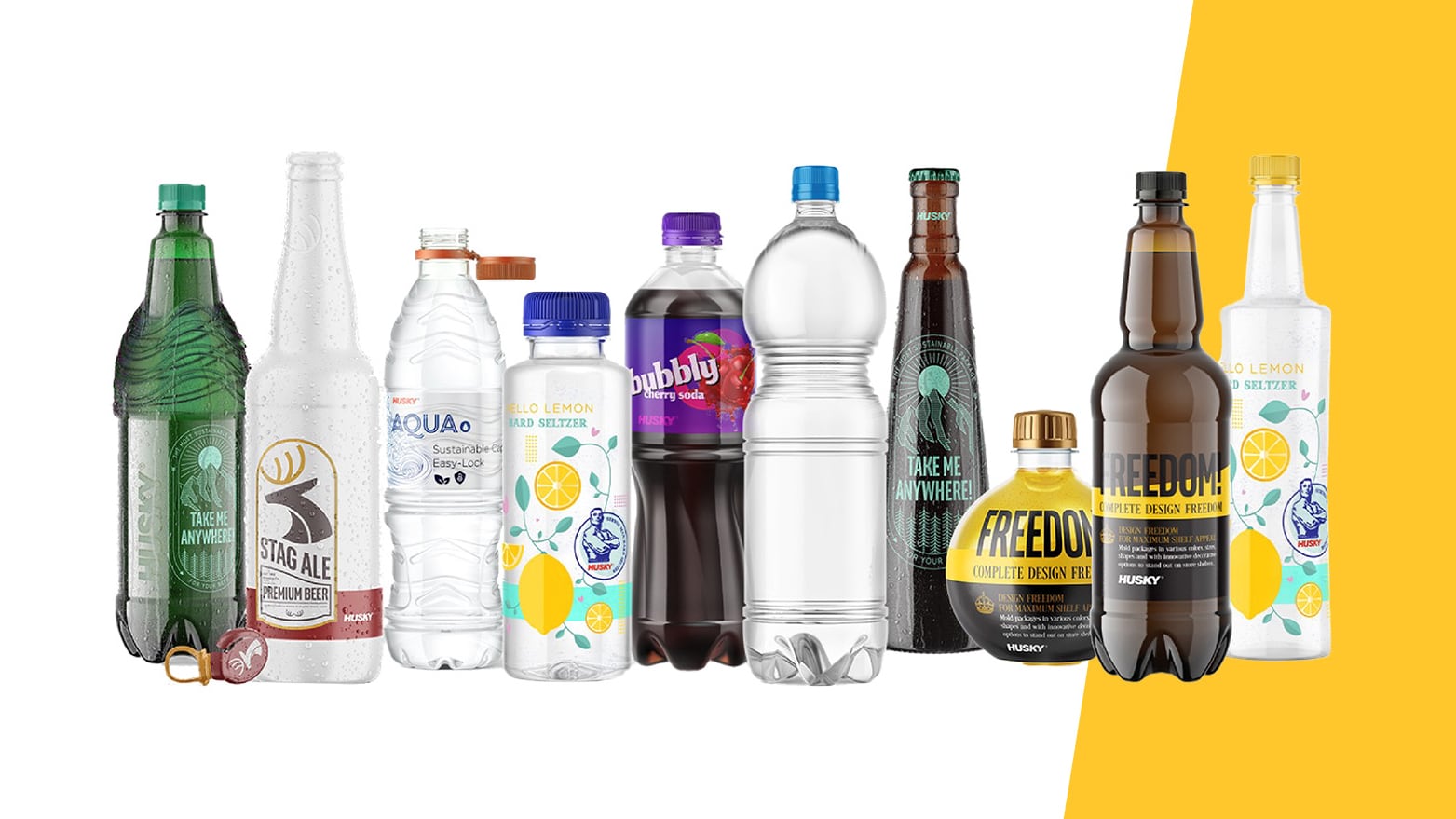
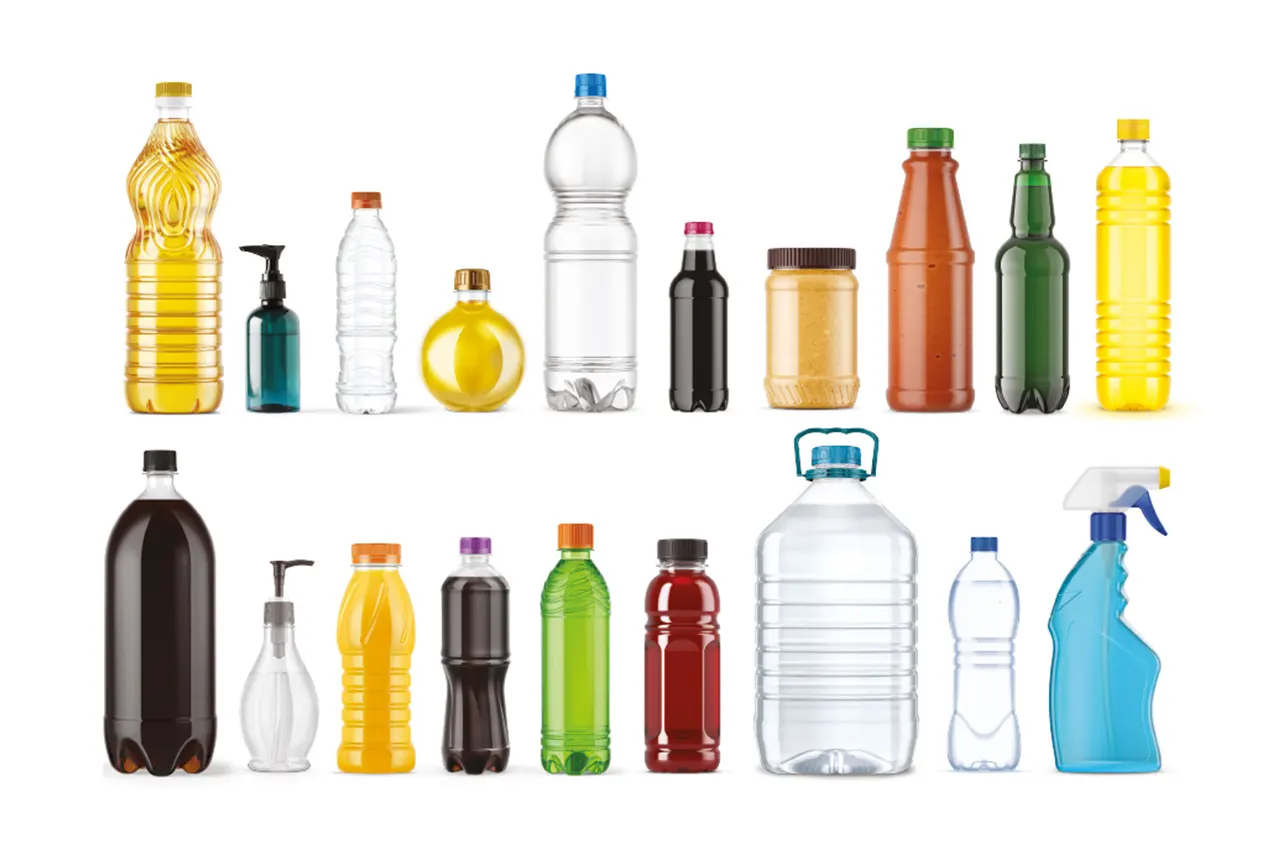
PET is the dominant choice for mass-market beverages due to its durability, cost-effectiveness, and design flexibility. The industry is currently shifting toward higher percentages of recycled PET (rPET). Technical challenges in rPET include ensuring consistent clarity and structural integrity, as recycled resin may have different thermal properties than virgin resin. High-density polyethylene (HDPE) is typically reserved for opaque applications, such as milk or plant-based milks, where light protection is paramount.
Aseptic Cartons
Aseptic packaging, often consisting of paperboard, polyethylene, and aluminum layers, allows for shelf-stable storage of beverages without refrigeration or preservatives. This requires a specific sterilization process for both the packaging and the product before filling. The complexity of these multi-layer structures makes them difficult to recycle in standard municipal streams, a challenge many manufacturers are addressing through investments in specialized sorting infrastructure.
Comparison of Packaging Formats
| Feature | Glass | Aluminum | PET/rPET | Aseptic Carton |
|---|---|---|---|---|
| Barrier Integrity | Excellent | Excellent | Moderate | High |
| Weight | Very High | Low | Very Low | Moderate |
| Recyclability | High | Infinite | High | Variable |
| Durability | Fragile | Robust | High | Moderate |
| Primary Use | Premium/Alcohol | Carbonated/RTD | Mass Market | Shelf-Stable Dairy |
Logistical and Operational Considerations
Beyond the container itself, the secondary and tertiary packaging—cases, trays, films, and pallet configurations—determines the efficiency of the warehouse and retail environment.
Line Integration and Filling Technology
The geometry of the bottle or can dictates the speed of the filling line. Narrow-neck containers require precision filling valves to prevent foaming, particularly with carbonated beverages. Brands must ensure that their chosen package design is compatible with existing labeling and coding equipment. A change in container shape often necessitates costly upgrades to star-wheels, conveyor guides, and cap-torquing mechanisms.
Cold Chain vs. Shelf-Stable Logistics
If a product requires the cold chain, the packaging must be designed to withstand condensation without losing label adhesion or structural integrity. Cardboard secondary packaging used for refrigerated items often requires wax or specialized coatings to prevent moisture-induced collapse during transit. Conversely, shelf-stable products allow for broader distribution networks but may require secondary packaging designed to protect against temperature fluctuations in non-climate-controlled storage.
Sustainability and Regulatory Trends in 2026
As of 2026, the beverage industry faces intense pressure to reduce plastic usage and improve circularity. Manufacturers are increasingly adopting "Design for Recycling" (DfR) protocols. This involves moving away from multi-material labels or sleeve designs that interfere with NIR (near-infrared) optical sorting systems.
Labeling and Adhesive Choices
Even if the main container is recyclable, poor choices in labeling can render the entire unit non-recyclable. Large, full-body shrink sleeves often mask the container material during the sorting phase. Producers are now favoring smaller labels or direct-printing technologies that do not impede the identification of the underlying plastic or glass by recycling plant sensors. Water-soluble adhesives are also becoming the standard, as they allow for cleaner separation of labels during the wash phase of the recycling process.
Extended Producer Responsibility (EPR)
EPR programs are now the standard across many major markets, shifting the financial burden of waste management back to the packaging producer. Brands must track the weight and material composition of all packaging put into the market to calculate fees accurately. Accurate data collection on packaging components—cap weight, label square footage, and pallet wrap volume—is no longer optional; it is a critical administrative function for fiscal compliance.
Troubleshooting Common Packaging Failures
Technical failures in beverage packaging can lead to costly product recalls or inventory loss. Identifying the root cause is essential for process stabilization.
- Leaking Closures: Often caused by improper torque settings during the capping process or discrepancies between the bottle finish and the cap thread profile. Ensure cap-torque monitoring systems are calibrated daily.
- Label Peeling: Frequently occurs when there is a mismatch between the surface energy of the bottle material and the adhesive properties, or when condensation forms on the bottle before the label is applied.
- Stress Cracking: Common in PET containers subjected to high-temperature filling or aggressive cleaning agents. This manifests as fine, spider-web cracks. Verify that the resin grade is rated for the specific thermal profile of the filling line.
- Off-gassing or Odor Transfer: In materials with recycled content, improper cleaning or "super-cleaning" of the flake can leave behind residual odors. Always perform sensory testing on trial batches of new material suppliers.
Frequently Asked Questions
How does beverage carbonation influence packaging material selection?
Carbonation exerts internal pressure on the container walls. Aluminum cans and glass bottles are structurally suited for this pressure due to their rigidity. Plastic bottles for carbonated drinks require a "petaloid" or specialized base design to distribute pressure and prevent the base from bulging, which would cause the bottle to wobble on the shelf.
What is the advantage of using aseptic packaging for dairy products?
Aseptic packaging enables shelf-stability by using a hermetically sealed multi-layer material that protects the contents from light and oxygen. This eliminates the requirement for energy-intensive refrigerated transportation and storage, significantly reducing the logistics cost and increasing the retail footprint for products that would otherwise spoil within days.
Why do recycling facilities sometimes reject certain colored PET bottles?
Optical sorting systems use infrared light to identify plastics. Dark-colored or opaque PET (like black or dark blue) often absorbs the light used by sensors, making it invisible to the automated sorting process. Consequently, these items are often discarded as residue, leading to a push toward clear or light-tinted PET to improve circularity.
What is "light-weighting" and how does it affect packaging quality?
Light-weighting is the process of reducing the amount of raw material used to produce a container—such as thinner walls or smaller closures—without compromising performance. While it significantly reduces material costs and carbon emissions, if overdone, it can lead to container deformation during shipping or "paneling," where the walls collapse due to internal vacuum pressure.
How can I ensure my beverage packaging is legally compliant?
You must obtain a formal declaration of compliance from your packaging supplier stating that the product meets the specific food contact regulations for your target market (e.g., FDA in the U.S. or EFSA in Europe). You should also maintain a bill of materials that includes all components, such as liners, inks, and adhesives, to ensure no restricted substances are present.
Recommendation for Next Actions
For those managing beverage packaging, the immediate priority is to conduct a Materials Audit. Map every component—bottle, cap, label, adhesive, and ink—against current regional recycling guidelines and EPR reporting requirements. Once the audit is complete, shift your development focus toward mono-material designs that optimize for NIR sorting. If you are preparing for a new product launch in 2026, begin testing the compatibility of your secondary packaging with your distribution environment at least six months before the projected release to identify potential issues with load stability or moisture sensitivity before full-scale production.