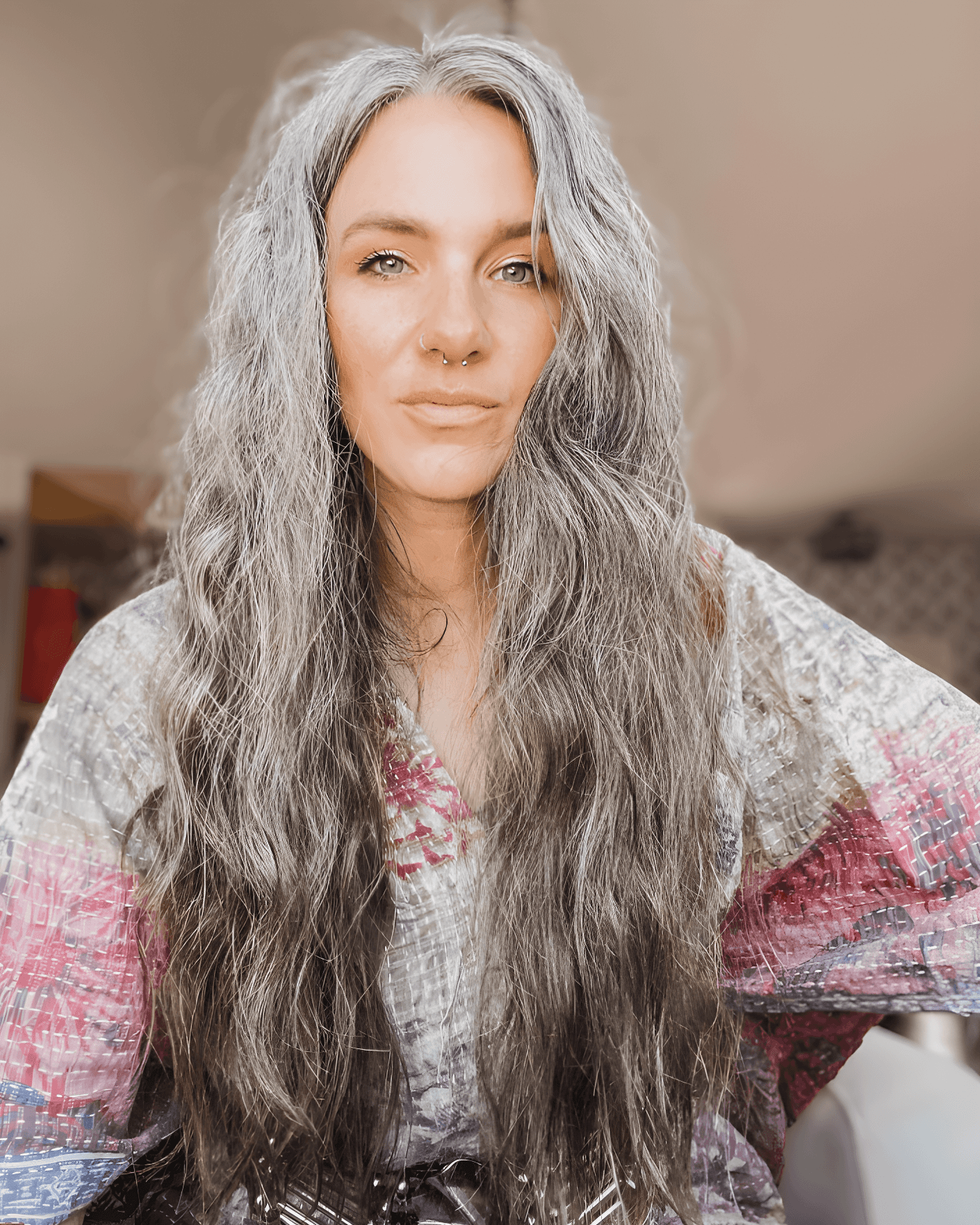
Embracing natural gray, silver, and white hair involves understanding the underlying biology of hair pigmentation, selecting specialized hair care routines to prevent brassiness and dryness, and mastering styling techniques and color transitions that enhance your silver strands with confidence and elegance.
The cultural landscape surrounding aging and beauty has shifted dramatically. Where silver strands were once routinely concealed beneath heavy layers of permanent dyes, an increasing number of individuals are choosing to step away from the relentless cycle of root touch-ups. Transitioning to or enhancing natural gray hair is not merely about letting nature take its course; it is an active aesthetic choice that requires a specialized approach to grooming, maintenance, and styling. Whether you are in the early stages of finding your first few silver hairs or you possess a full, striking head of platinum, mastering the care of silver strands allows you to wear your natural color with distinction and health.
The Biology and Transition of Silver Hair
Understanding why hair turns gray helps demystify the physical changes occurring at the cellular level. Hair color is determined by melanin produced by melanocytes located within the hair follicles. As the body ages, these melanocytes gradually decrease their melanin production. Eventually, they stop producing pigment altogether, causing new hair to grow in clear, white, or silver. What the human eye perceives as gray is actually an optical illusion created by a mixture of pigmented hairs alongside unpigmented white hairs.
Genetics play the primary role in determining when and how fast this process occurs, though external factors like oxidative stress, nutritional deficiencies, and smoking can accelerate the timeline. When you decide to stop coloring your hair and embrace your natural silver, you face a distinct logistical choice. You can either go cold turkey by letting your natural roots grow out, or you can use professional salon techniques to accelerate the transition.
Transition Methods Compared
| Transition Method | Timeframe | Maintenance Level | Best Suited For |
|---|---|---|---|
| Going Cold Turkey | 6 to 18+ months | Low initial salon cost, high patience required | Short hair, or those comfortable with visible lines of demarcation. |
| Highlighting and Lowlighting | 3 to 6 months | Moderate salon visits required | Medium to long hair looking to soften the transition line. |
| Color Correction / Bleach Bath | 1 to 2 sessions | High chemical impact, high maintenance | Individuals wanting an immediate, uniform silver effect. |
Going cold turkey requires patience as you watch the natural line of demarcation move down your hair shaft. For those who prefer a softer visual impact, visiting a colorist to weave in fine, cool-toned highlights and lowlights can mimic the natural salt-and-pepper pattern, effectively blurring the line between dyed and natural hair.
Daily Care and Maintenance for Silver Strands
Gray and silver hair behaves differently than pigmented hair. Because unpigmented strands lack melanin, they also lack the natural protection that melanin provides against ultraviolet (UV) radiation and environmental stressors. Furthermore, the oil glands in the scalp tend to produce less sebum as we age, leaving silver hair inherently drier, wiry, and more susceptible to environmental yellowing.
Combating Brassiness and Yellowing
Silver hair is porous and easily absorbs environmental pollutants, cigarette smoke, styling product residue, and minerals from hard water. This absorption leads to unwanted yellow or brassy tones that dull the brightness of silver strands.
- Purple Shampoos: Utilize a violet-pigmented shampoo once a week to neutralize yellow hues. Purple is opposite yellow on the color wheel; the pigment deposits temporary violet tones that optically brighten the hair.
- Clarifying Washes: Use a chelating or clarifying shampoo monthly to strip away mineral buildup from hard water and product accumulation.
- Filtered Shower Heads: Install a hard-water filter on your showerhead to prevent iron, calcium, and magnesium from depositing onto your porous silver strands.
Hydration and Texture Management
Because silver hair cuticles can lift more easily, resulting in a coarse or unruly texture, moisture and smoothing agents are essential. Look for deep-conditioning hair masks containing hyaluronic acid, ceramides, or natural oils such as argan or jojoba. Avoid heavy silicones that build up quickly and weigh fine silver hair down; instead, opt for lightweight leave-in conditioners that impart slip and manageability without dulling the natural shine.
Styling and Cutting Techniques for Silver Hair
A great cut forms the foundation of any successful hairstyle, but it becomes particularly vital when rocking silver strands. Without the youthful contrast of dark pigment, gray hair can sometimes wash out certain skin tones or appear lackluster if the cut lacks structure and movement.
Modern Cuts for Silver Hair
- The Textured Crop or Pixie: Short cuts remove older, more damaged ends while showcasing the striking dimensionality of mixed silver tones. Textured layers prevent short silver hair from looking too severe.
- The Sharp Bob: A sleek, blunt bob or a long, lob-length cut gives silver hair a modern, architectural edge. This style reflects light evenly across straight silver strands, maximizing shine.
- Long and Layered: If you prefer length, incorporate long layers to maintain body and prevent the hair from lying flat against the scalp. Regular trims every 6 to 8 weeks are mandatory to eliminate split ends, which are more visible on unpigmented hair.
Heat Styling and Protection
Silver hair has a lower heat tolerance than fully pigmented hair and can scorch or yellow easily under excessive thermal styling. Always apply a dedicated thermal protectant spray before using blow dryers, curling irons, or flat irons. Keep your hot tools at a moderate temperature setting—ideally below 350°F (175°C)—to preserve the integrity of the hair fiber and prevent the silver color from turning yellow or brassy due to heat damage.
Wardrobe and Makeup Adjustments
When your hair color shifts to silver, your overall aesthetic canvas changes. Colors, makeup shades, and clothing choices that previously harmonized with warm or dark hair might suddenly clash with cool silver strands.
Refreshing Your Color Palette
Silver hair is generally cool-toned, though some individuals grow in with a warmer, champagne-silver hue. If your hair is true silver, white, or steel-gray, jewel tones such as emerald green, sapphire blue, ruby red, and crisp black or white will instantly brighten your complexion. Conversely, muted earth tones like mustard yellow, olive green, and beige can sometimes wash out silver hair, making the skin look fatigued.
Adapting Your Makeup Routine
- Brows: Hair color often lightens faster than eyebrow hair. Fill in sparse brows with a soft taupe or ash-blonde pencil rather than a harsh black or warm brown to maintain a natural frame for your face.
- Foundation and Blush: Cool silver hair can make the skin appear paler. Introduce warmth back into the face with a rosy or peach blush rather than heavy bronzers.
- Lips: Bold lip colors—such as classic blue-reds, berries, and pinks—pop brilliantly against a crown of silver hair, instantly adding vibrancy and polish.
Frequently Asked Questions
Why does gray hair feel coarser and wiry than my previous hair?
As follicles age, they produce less sebum (natural oil), which leaves the hair shaft drier. Additionally, the structure of the hair cuticle changes, becoming more uneven and porous. This lack of natural moisture and uneven cuticle surface creates a coarser, wiry texture that requires dedicated hydration and smoothing products.
How often should I use purple shampoo?
Purple shampoo should be used sparingly—typically once a week or every third wash. Overusing violet-pigmented products can cause silver hair to take on a dull, dingy, or overly lilac tint. If your hair feels dry, alternate with a hydrating, sulfate-free moisturizing shampoo.
Can I transition to gray hair without cutting it all off?
Yes. While cutting your hair short speeds up the removal of dyed ends, you can transition gracefully while maintaining length. Work with a skilled colorist to weave in highlights, lowlights, or a transitional toner that blends your natural silver growth with your existing dyed color over several months.
Does gray hair turn yellow naturally?
Gray hair does not turn yellow on its own; rather, unpigmented hair acts like a sponge, absorbing external yellowing agents. These include UV radiation from the sun, pollution, cigarette smoke, mineral deposits from hard water (like iron), and residue from styling products or heat tools.
How do I prevent my silver hair from looking dull in photographs?
Dullness in silver hair usually stems from product buildup or dryness, which scatters light rather than reflecting it. Use a clarifying shampoo once a month to remove residue, followed by a glossing treatment or lightweight shine serum to smooth the cuticle and maximize light reflection.
Conclusion and Next Action
Embracing your natural silver strands is a liberating journey that blends biology, specialized maintenance, and personal style. Start your transition today by assessing your hair's current porosity and moisture levels, then swap out one standard styling product for a dedicated, sulfate-free purple shampoo or a lightweight hydrating serum designed specifically for unpigmented hair.