The 2017 fall television season represented a pivotal moment in broadcast history, characterized by a heavy reliance on reboots, the rise of specialized medical dramas like The Good Doctor, and the aggressive expansion of streaming services. It was the year "Peak TV" truly accelerated, offering over 450 scripted series across all platforms and fundamentally changing how audiences consumed seasonal premieres.
The Landscape of Broadcast Television in Late 2017
The 2017 fall television window arrived at a time when traditional networks were fighting harder than ever to maintain their relevance against the encroaching tide of subscription video-on-demand (SVOD) services. For the Big Four networks—ABC, CBS, NBC, and Fox—the strategy for the 2017–2018 season was built on "safety." This meant a reliance on established intellectual property, spin-offs of existing hits, and the revival of classic sitcoms that carried built-in brand recognition.
During this period, the industry was grappling with the "cord-cutting" phenomenon. Nielsen ratings were beginning to account more heavily for C3 and C7 metrics (live viewing plus three or seven days of digital video recorder playback), acknowledging that the "appointment viewing" model was rapidly eroding. Despite this, the fall launch remained the most significant period for advertising revenue, with billions of dollars committed during the upfront presentations in May 2017.
The season was also defined by a shift in tone. After several years of "prestige grimdark" dramas, several networks attempted to pivot toward more optimistic or "hopeful" programming. This was seen as a response to a turbulent political climate, with shows like The Good Doctor and Kevin (Probably) Saves the World attempting to capture a more heart-centric audience.
Breakout Hits and Commercial Successes
While many shows debuted in the 2017 fall television cycle, two clear winners emerged in the broadcast space: The Good Doctor and Young Sheldon. These shows proved that traditional linear television could still generate massive, broad-interest hits if the premise resonated with a cross-generational audience.
The Good Doctor (ABC)
Developed by David Shore (the creator of House) and based on a South Korean format, The Good Doctor featured Freddie Highmore as Dr. Shaun Murphy, a young surgeon with autism and savant syndrome. The show became an immediate sensation, often winning its Monday night time slot and rivaling long-standing hits in the 18–49 demographic. Its success was attributed to Highmore's nuanced performance and the show’s ability to blend high-stakes medical procedural elements with a deeply emotional character study.
Young Sheldon (CBS)
As a spin-off of the most-watched comedy on television, The Big Bang Theory, Young Sheldon entered the 2017 fall season with immense pressure. By shifting the format from a multi-camera sitcom with a laugh track to a single-camera nostalgic comedy (reminiscent of The Wonder Years), CBS successfully expanded the "Sheldon Cooper" brand. The premiere was one of the highest-rated comedy launches in nearly a decade, proving that spin-offs remained a viable survival strategy for broadcast networks.
The Great Revival Wave: Nostalgia as a Service
A defining characteristic of 2017 fall television was the return of the "Zombie Show"—series that had been off the air for years, if not decades. Networks realized that the cost of marketing a brand-new concept was significantly higher than the cost of bringing back a beloved title.
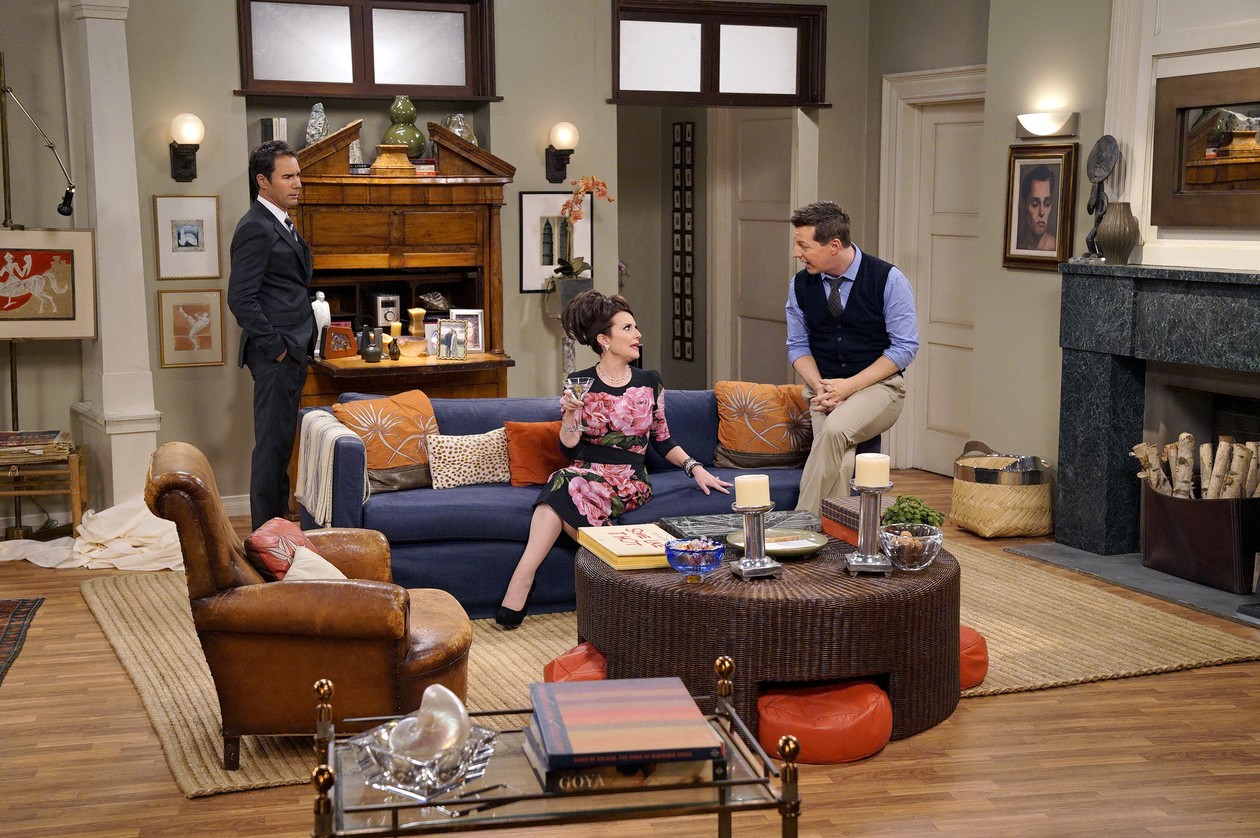
- Will & Grace (NBC): Perhaps the most successful revival of the season, the return of the original cast for a ninth season was a cornerstone of NBC’s "Must See TV" rebranding. It ignored the events of the original series finale to reset the status quo, a move that fans largely embraced.
- Dynasty (The CW): A modernized take on the 1980s soap opera, this version aimed for a younger, more diverse audience. While it struggled in linear ratings, it became a prime example of the new TV economy, thriving through a lucrative international distribution deal with Netflix.
- S.W.A.T. (CBS): While technically a reboot of the 1970s series and the 2003 film, the 2017 version starring Shemar Moore focused heavily on modern urban tensions and community policing. It became a reliable anchor for CBS’s Thursday night lineup.
The Streaming Disruption: October is the New September
By 2017, the concept of a "fall season" was no longer exclusive to broadcast networks. Streaming giants began timing their biggest releases to compete directly with the traditional September/October launch window. This created a crowded marketplace where a network drama had to compete for attention with high-budget, commercial-free streaming epics.
Stranger Things 2 (Netflix)
The release of Stranger Things 2 in late October 2017 was perhaps the biggest cultural event of the season. Netflix utilized a massive marketing campaign that treated the season launch like a blockbuster movie premiere. The success of this release confirmed that streaming services could dominate the "watercooler conversation" that networks had relied upon for decades.
Star Trek: Discovery (CBS All Access)
The launch of Star Trek: Discovery was a hybrid experiment. The first episode aired on the CBS broadcast network, but subsequent episodes were exclusive to CBS All Access (now Paramount+). This was a calculated move to use a legacy brand to drive subscriptions for a proprietary streaming service, marking a major shift in how media conglomerates prioritized their content distribution.
Comparison of Major 2017 Fall Television Debuts
The following table highlights the performance and longevity of key series that premiered during the September–November 2017 window.
| Show Title | Network/Platform | Genre | Status (as of 2026) | Primary Impact |
|---|---|---|---|---|
| The Good Doctor | ABC | Medical Drama | Concluded (7 Seasons) | Revived the medical procedural genre. |
| Young Sheldon | CBS | Comedy | Concluded (7 Seasons) | Successfully transitioned a sitcom to single-camera. |
| Stranger Things 2 | Netflix | Sci-Fi/Horror | Final Season Pending | Solidified streaming as a "event" destination. |
| The Orville | Fox | Sci-Fi Comedy | On Hiatus/Indefinite | Seth MacFarlane's shift to dramatic sci-fi. |
| Will & Grace | NBC | Sitcom | Concluded (3-Season Revival) | Proved the viability of the "reboot" model. |
| Star Trek: Discovery | CBS All Access | Sci-Fi | Concluded (5 Seasons) | Anchored a new era of streaming-first franchises. |
| The Gifted | Fox | Superhero | Canceled (2 Seasons) | Part of the final wave of Marvel-Fox collaborations. |
| Mindhunter | Netflix | Crime Thriller | Indefinite Hiatus | Set a new standard for prestige true-crime drama. |
Genre Trends: Sci-Fi and Superheroes
The 2017 fall television season saw a significant influx of high-concept genre programming. Following the massive success of the Marvel Cinematic Universe in theaters, networks attempted to capture that lightning in a bottle on the small screen.
The Gifted (Fox) and Inhumans (ABC) were two high-profile attempts to bring Marvel properties to broadcast. While The Gifted found a modest audience by focusing on the X-Men mythos through a family-drama lens, Inhumans was widely panned by critics and audiences alike, eventually becoming a cautionary tale about rushing production for an IMAX theatrical tie-in.
Simultaneously, science fiction saw a resurgence. The Orville on Fox initially marketed itself as a Family Guy-esque parody of Star Trek, but it surprised viewers by evolving into a sincere, episodic space opera that tackled complex social issues. This period also saw the debut of Mindhunter on Netflix, which, while a crime drama, utilized a cinematic, "slow-burn" approach that influenced the aesthetics of the genre for years to come.
Critical Darlings vs. Ratings Giants
In 2017, a disconnect often existed between what critics praised and what the general public watched. This "prestige gap" was evident in the awards season that followed.
- The Marvelous Mrs. Maisel (Amazon): Launching in late 2017, this series became the standard-bearer for Amazon Prime Video. It swept the Emmys and Golden Globes, offering a vibrant, high-energy alternative to the often somber dramas found on other platforms.
- The Deuce (HBO): David Simon’s exploration of the 1970s porn industry in New York City was a critical powerhouse but struggled to find a massive audience. It represented HBO’s commitment to "author-driven" television in the face of rising competition.
- This Is Us (NBC): Entering its second season in the fall of 2017, this show remained the rare "unicorn" that managed to be both a critical darling and a massive ratings hit. It anchored NBC’s schedule and proved that serialized emotional drama could still work on broadcast TV.
The Mid-Season Shift and the #MeToo Movement
It is impossible to analyze the 2017 fall television season without acknowledging the seismic cultural shift that occurred in October 2017. As the #MeToo movement gained momentum following reports regarding Harvey Weinstein, the television industry faced an immediate and profound reckoning.
Several high-profile shows were forced to pivot mid-season. House of Cards halted production to address allegations against Kevin Spacey, eventually leading to a final season centered on Robin Wright. The scandal also led to the cancellation of several projects in development and a renewed focus on workplace safety and representation. This period marked the end of the "untouchable showrunner" era and began a necessary transformation in how television was produced, cast, and marketed.
Looking Back from 2026: The Long-Term Influence
From the vantage point of 2026, the 2017 fall television season looks like the "beginning of the end" for the traditional broadcast model. Many of the shows that premiered then have since completed their runs, often moving to streaming libraries where they found a second life with younger audiences.
The 2017 season taught the industry that "broadcast" was no longer a location, but a style of content—broad, accessible, and often comforting. Meanwhile, the "prestige" content began its permanent migration to SVOD platforms. The survivors of that era were the shows that could bridge the gap between digital engagement and traditional viewership.
Frequently Asked Questions
What was the highest-rated new show of the 2017 fall season?
Young Sheldon on CBS held the title for the highest-rated premiere, largely thanks to its lead-in from The Big Bang Theory. However, The Good Doctor on ABC often surpassed it in total viewers and delayed viewing metrics as the season progressed.
Why were there so many reboots in 2017?
Networks faced extreme competition from streaming services and used reboots like Will & Grace and Dynasty to cut through the "noise." Using an established brand reduced the marketing costs and provided a "guaranteed" base audience of nostalgic viewers.
Did the 2017 fall season mark the decline of the 22-episode season?
Yes, this season was a major turning point. While broadcast networks still aimed for 22 episodes, streaming hits like Stranger Things (9 episodes) and Mindhunter (10 episodes) popularized shorter, "tighter" storytelling. This eventually forced broadcast networks to experiment with shorter "event" seasons.
How did the 2017 fall season affect the "Streaming Wars"?
The success of Star Trek: Discovery on CBS All Access proved that fans were willing to pay for a specific service to access a single high-value franchise. This validated the strategies of Disney+, HBO Max (now Max), and others that would launch in the following years.
Were there any major cancellations in the 2017 fall window?
Several shows failed to find an audience, including Ten Days in the Valley (ABC), Me, Myself & I (CBS), and the highly-publicized Inhumans (ABC). Most of these were "one and done" series that struggled with identity or poor critical reception.
Practical Recommendation for Viewers
For those looking to revisit the best of 2017 fall television, the most enduring series are currently available across major streaming platforms. The Good Doctor remains a staple for those who enjoy procedural drama with high emotional stakes, while Mindhunter (Netflix) is essential viewing for fans of technical, psychological thrillers. If you are interested in the evolution of the sitcom, comparing the multi-camera structure of the Will & Grace revival to the single-camera approach of Young Sheldon offers a fascinating look at a medium in transition.